 English
 Spanish
 French
 German
 Italian
 Chinese (Simplified)
 Japanese
 Korean
 Arabic
 Portuguese
 Call Us : 08045800544
 Call Us : 08045800544
 Get a Quote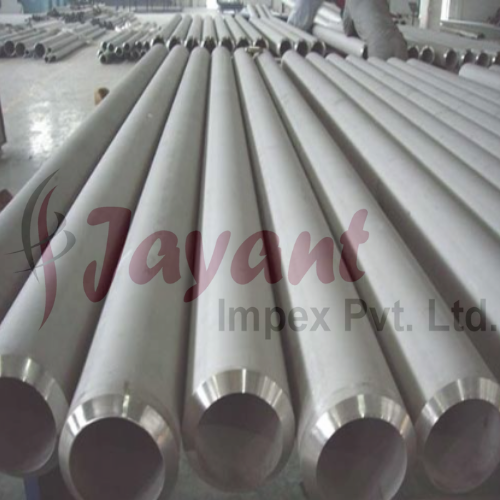
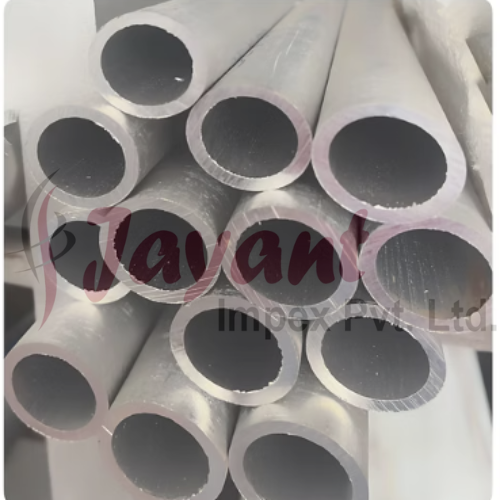
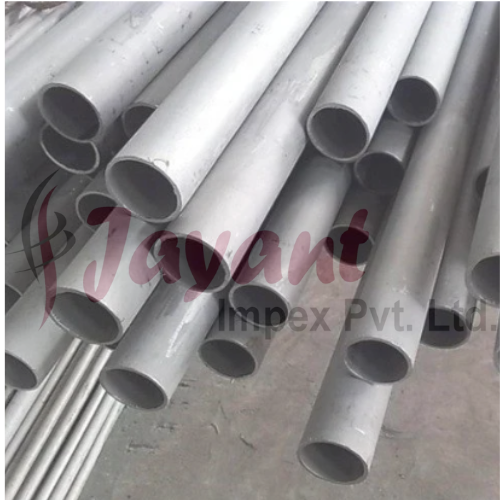
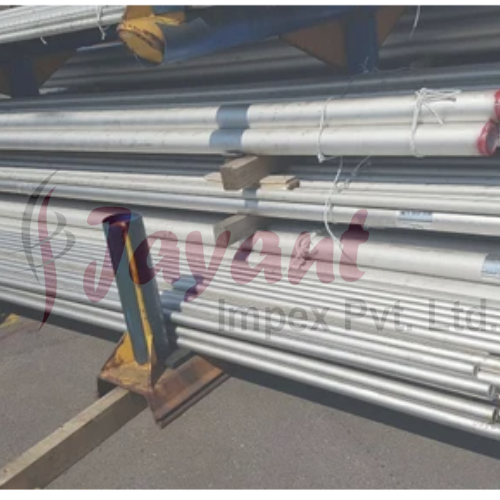
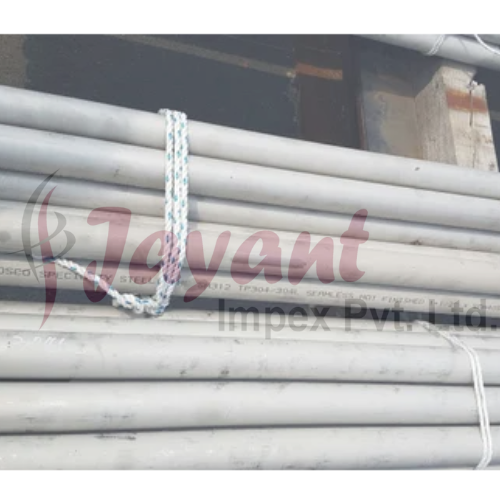
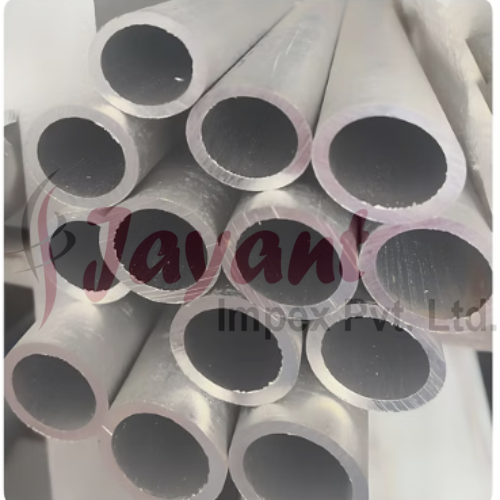
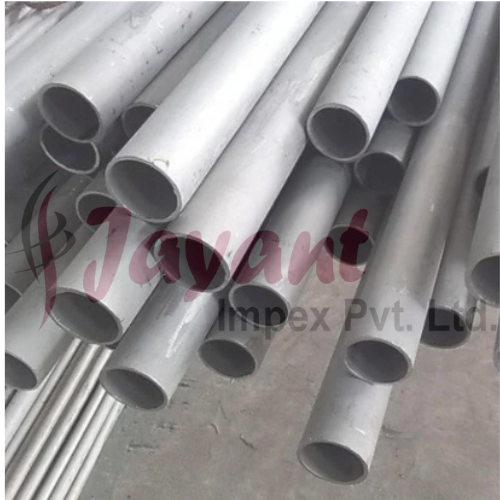
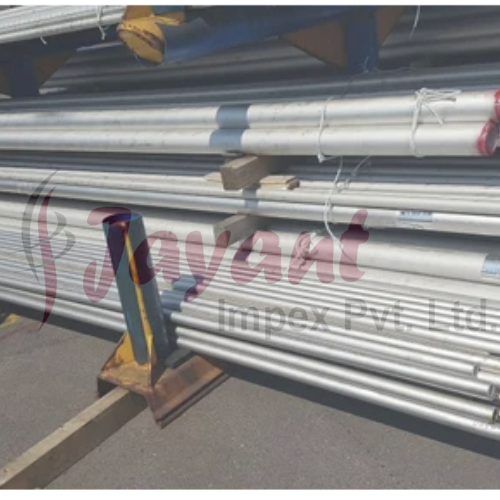
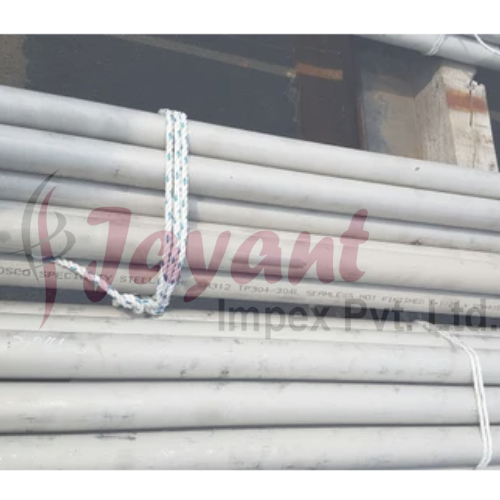
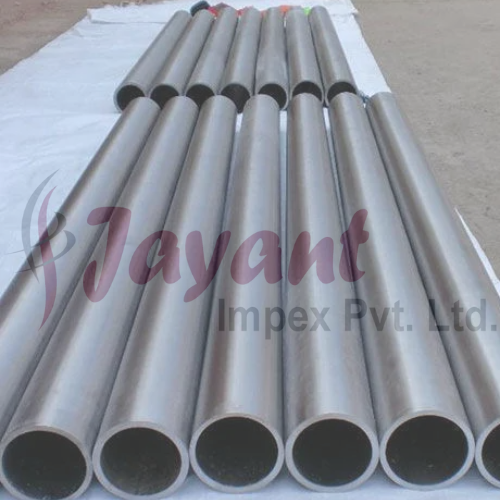
Welded Steel Pipes
250.0 INR/Piece
Product Details:
- Tensile Strength 400 - 700 MPa
- Bend Radius As per Standard - Typically fixed
- Temperature Range -20C to +600C
- Sealing Type Welded Joint
- Flexibility Rigid
- Yield Strength 200 - 520 MPa
- Thread Type Plain End / Beveled End
- Click to view more
X
Welded Steel Pipes Price And Quantity
- 250.0 INR/Piece
- 1 Piece
Welded Steel Pipes Product Specifications
- Hot Dip Galvanized / Epoxy Coated
- Oil & Gas, Water, Construction, Chemical
- Polished / Galvanized / Painted
- Circular
- Nominal Bore - As Per Requirement
- Butt Weld / Flanged / Socket Weld
- Carbon Steel / Stainless Steel
- 6 m / 12 m / Custom
- 0.01 mm
- Welded Steel Pipe
- ASTM A312 / ASTM A53 / EN 10217
- -20C to +600C
- Industrial, Structural, Fluid Transportation
- Welded Joint
- Round
- 400 - 700 MPa
- As per Standard - Typically fixed
- Metallic Silver / Grey
- 1.0 mm - 12 mm
- Plain End / Beveled End
- 21.3 mm - 508 mm
- Up to 20 MPa
- Rigid
- Welded
- 200 - 520 MPa
- SS304 / SS316 / A106 Gr.B / A53 Gr.B
- Bundles, Plastic Caps, Wooden Cases
- Beveled / Plain / Threaded
- Ultrasonic / Eddy Current / Hydrostatic
- As per specification / meter
- High-Frequency Induction Welding (HFIW) / Electric Resistance Welded (ERW)
- Excellent with Coating / Stainless Steel Material
Product Description
The method used to weld the seam determines the pipe's pressure rating, structural integrity, and typical applications:
| Type | Welding Method | Diameter Range | Primary Applications |
| ERW (Electric Resistance Welding) | High-frequency electrical current fuses strip edges without filler metal | Small to Medium (1/8" to 24") | Water lines, structural tubing, low/medium pressure oil & gas |
| LSAW (Longitudinal Submerged Arc Weld) | Double submerged arc welding along a straight seam using heavy steel plate | Medium to Large (16" to 60"+) | High-pressure oil/gas trunklines, offshore structural piling |
| SSAW / HSAW (Spiral / Helical Arc Weld) | Continuous steel coil formed helically and arc-welded into a spiral seam | Large to Extra-Large (20" to 100"+) | Water transmission mains, low-pressure slurry, foundation piling |
| EFW (Electric Fusion Welding) | Electron beam or arc welding, typically used for stainless steel and alloys | Varies | Chemical processing, high-temperature boilers, corrosive environments |
Common Standards & Specifications
Depending on the end-use industry, welded steel pipes are produced under specific international standards:
-
API 5L (Gr. B, X42 to X80): Line pipe specifications for oil, gas, and petrochemical transmission.
-
ASTM A53 (Gr. A, B): Standard specification for black and hot-dipped zinc-coated (galvanized) welded pipe for mechanical and pressure applications.
-
ASTM A252: Welded and seamless steel pipe piles for deep foundation structures.
-
EN 10217 / DIN 1626: European standards for welded steel tubes under pressure service.
Unmatched Durability and Flexibility
These welded steel pipes are engineered for longevity and resilience, with excellent corrosion resistance achieved through specialized coatings or the use of stainless steel. Precision in design, combined with a rigid structure and customizable end finishes, ensures suitability for a range of demanding environments such as oil & gas, chemical, and construction sectors. They are packaged securely-in bundles, plastic caps, or wooden cases-for safe transport and handling.
Precision Manufacturing and Quality Assurance
Every steel pipe is produced according to global standards like ASTM A312, ASTM A53, and EN 10217. The manufacturing process, whether HFIW or ERW, is supported by rigorous testing protocols, including ultrasonic, eddy current, and hydrostatic tests. This guarantees dimensional accuracy, high tensile and yield strengths, and reliable welds, providing assurance for critical structural and industrial projects.
FAQ's of Welded Steel Pipes:
Q: How are welded steel pipes manufactured for industrial and structural applications?
A: Welded steel pipes are crafted using High-Frequency Induction Welding (HFIW) or Electric Resistance Welded (ERW) processes, ensuring strong, consistent seams. The pipes can be made from various material grades such as SS304, SS316, A106 Gr.B, or A53 Gr.B, depending on the specific industry requirement.Q: What quality testing methods are used to inspect these welded steel pipes?
A: Each pipe undergoes thorough non-destructive inspection techniques such as ultrasonic, eddy current, or hydrostatic tests. These methods identify internal and external flaws, ensuring each pipe meets stringent standards for pressure, performance, and safety.Q: When should I choose a particular end finish, such as beveled, plain, or threaded?
A: The choice of end finish depends on the connection method and application. Beveled or plain ends are ideal for welding or flanged connections, while threaded ends suit installations requiring mechanical assembly and disassembly, especially in fluid transport or maintenance-intensive environments.Q: Where are these welded steel pipes commonly used?
A: These pipes are utilized in a broad spectrum of industries including oil & gas, water distribution, construction, and chemical processing. Their robustness and corrosion resistance make them suitable for both structural and transportation roles, even in demanding environmental conditions.Q: What are the benefits of applying coatings like hot dip galvanized or epoxy to steel pipes?
A: Special coatings such as hot dip galvanization or epoxy not only enhance corrosion resistance, but also extend the pipes' service life, reduce maintenance costs, and ensure sustained performance in aggressive or hazardous environments.Q: How is the correct pipe size, wall thickness, and strength determined for my project?
A: The appropriate diameter, thickness, and material grade are selected based on required pressure rating, temperature range, intended use, and industry standards such as ASTM or EN. Consulting with a supplier or manufacturer ensures compliance with specific project specifications and regulatory requirements.Tell us about your requirement

Price:
Quantity
Select Unit
- 50
- 100
- 200
- 250
- 500
- 1000+
Additional detail
Mobile number
Email

Other Products in 'Pipes' category

JAYANT IMPEX
GST : 27AAQFJ5764L1ZJ
GST : 27AAQFJ5764L1ZJ

- 6th, 605, Majestic Shopping Center, Jagannath Shankarseth Road, Girgaon,Mumbai - 400004, Maharashtra, India
- Phone : 08045800544

- Mr Shrenik Prakash Mehta (Director)
- Mobile : 08045800544
-
jayantimpex12@gmail.com


-
Share to



 Send Inquiry
 Send SMS
 Call Me Free
JAYANT IMPEX PVT. LTD. All Rights Reserved.(Terms of Use)
Developed and Managed by Infocom Network Private Limited. Terms of use | Returns Policy Member
Developed and Managed by Infocom Network Private Limited. Terms of use | Returns Policy Member
