 English
 Spanish
 French
 German
 Italian
 Chinese (Simplified)
 Japanese
 Korean
 Arabic
 Portuguese
 Call Us : 08045800544
 Call Us : 08045800544
 Get a Quote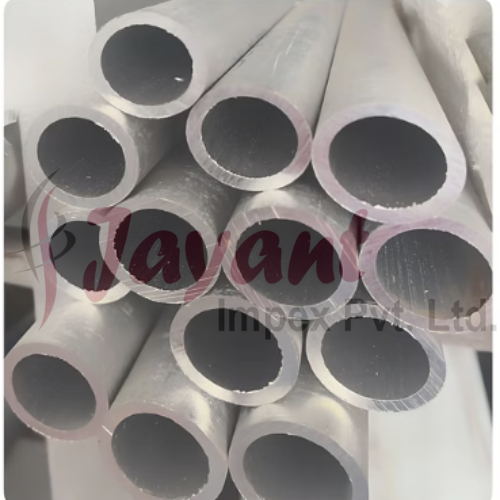
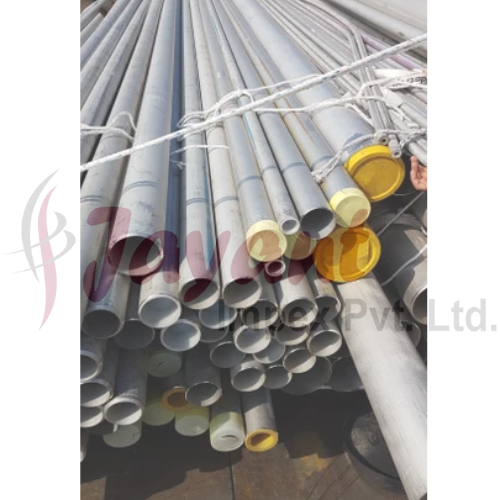
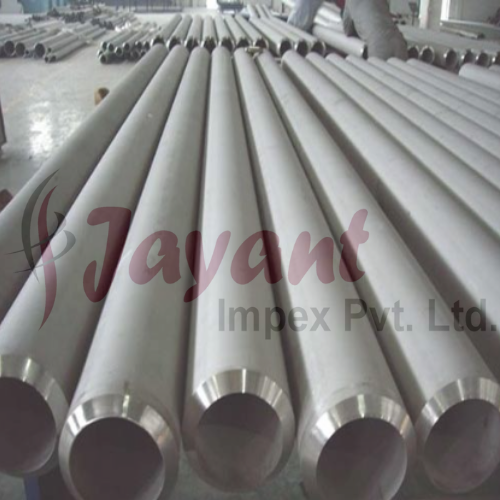
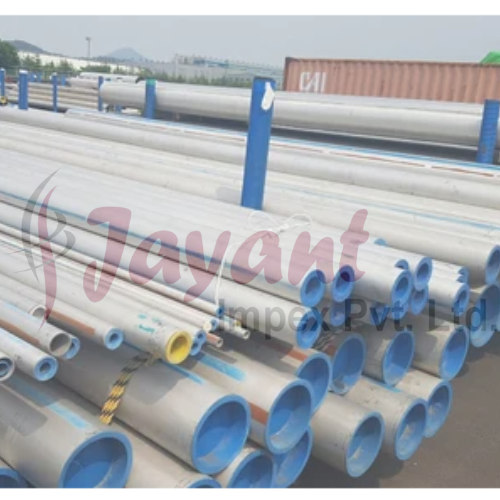
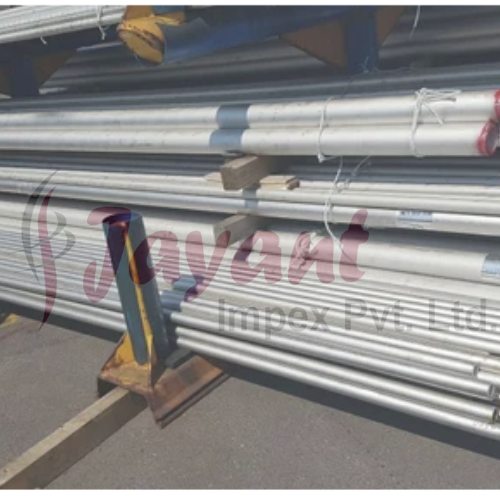
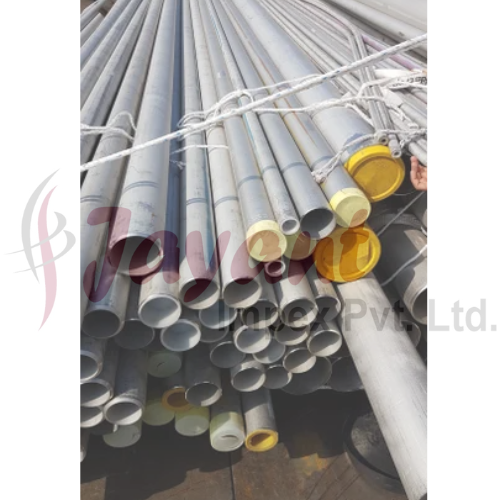
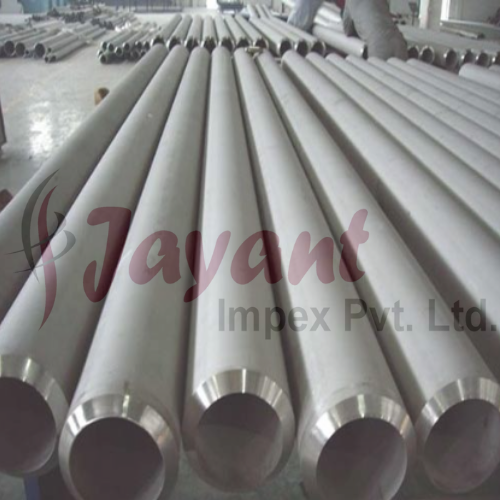
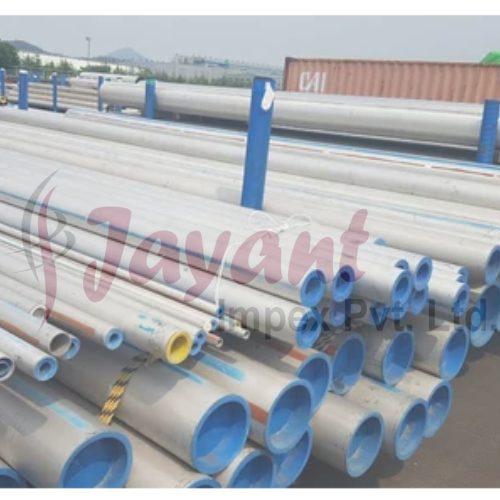
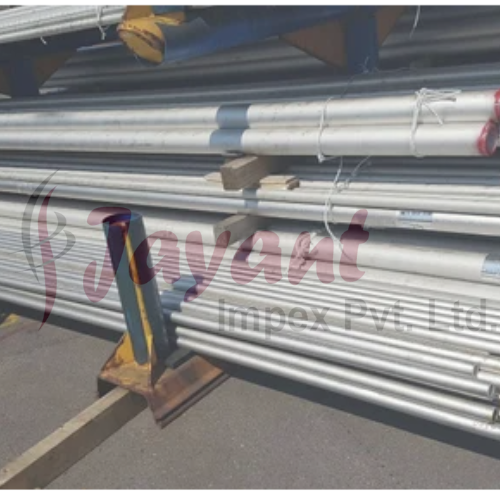
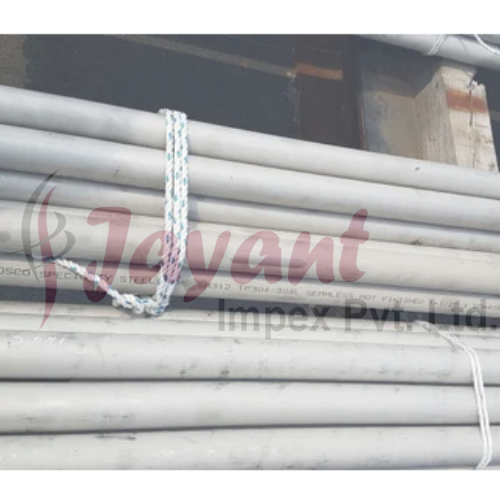
Thick Wall Seamless Pipe
300.0 INR/Piece
Product Details:
- Temperature Range -40C to 850C
- Coating Type Optional (Galvanized, Painted, or Custom)
- Tensile Strength 480-620 MPa
- Connection Type Butt Weld, Socket Weld, Threaded
- Flexibility Rigid
- Diameter Custom as per requirement
- Thread Type NPT/BSPT/BSP
- Click to view more
X
Thick Wall Seamless Pipe Price And Quantity
- 1 Piece
- 300.0 INR/Piece
Thick Wall Seamless Pipe Product Specifications
- High Pressure, Heavy Duty, Industrial Applications
- Up to 50 mm
- Thick Wall Seamless Pipe
- 0.05 mm
- Metal to Metal
- ASTM, DIN, JIS, EN, GB, IS
- Welded / Screwed
- Round
- 10 mm - 600 mm
- Polished / Annealed / Pickled
- According to Customer Design
- Up to 160 bar
- min. 205 MPa
- NPT/BSPT/BSP
- Rigid
- Silver / Metallic Grey
- Custom as per requirement
- Butt Weld, Socket Weld, Threaded
- 480-620 MPa
- Optional (Galvanized, Painted, or Custom)
- Circular
- Up to 12 Meters
- -40C to 850C
- 304, 316, 321, 347, 310S, etc.
- Boilers, Hydraulic, Mechanical, Structural, Oil & Gas
- Stainless Steel / Alloy Steel / Carbon Steel
- Excellent in Various Environments
- Beveled / Plain / Threaded
- 7.85 g/cm3
- Ultrasonic / Hydrostatic Tested
- Hot Rolled / Cold Drawn
- Bundled, Plastic Wrapped, Wooden Cases
- Yes (for Austenitic Grades)
- Solution Annealed
- 160-190 HB
Product Description
Thick-wall seamless pipe (also referred to as heavy-wall seamless tubing or pipe) is engineered to withstand extreme internal/external hoop stress, high temperatures, and severe mechanical loads.
Unlike standard pipe schedules, heavy-wall pipes feature an unusually high wall-thickness-to-outside-diameter ratio ($t/D$), making them the material of choice for high-pressure boilers, hydraulic cylinders, pressure vessels, and machined structural components.
Common Standard Schedules vs. Heavy Wall
While standard piping commonly uses Schedule 40 or Schedule 80, thick-wall seamless pipes generally fall into heavy-duty designations:
-
Heavy Standard Schedules: Schedule 120, Schedule 160, and XXS (Double Extra Strong).
-
Non-Standard Heavy Wall: Custom dimensions where wall thickness can exceed 20% to 35% of the pipe's outer diameter (e.g., wall thicknesses ranging from 15 mm to over 100 mm).
Key Alloy Grades & Specifications
Depending on whether the application demands high pressure, elevated temperature, or mechanical machining, thick-wall seamless pipes are produced in several primary material categories:
| Application Type | Common Grades | Key Material Standards | Primary Characteristics |
| High-Temp / High-Pressure Steam | ASTM A106 Gr. B / C | ASTM A106, ASME SA106 | High thermal tolerance, reliable hoop stress resistance up to ~425C. |
| Power Plant Boilers & Superheaters | P11, P22, P91, P92 | ASTM A335 (Alloy Steel) | High creep strength, micro-alloyed with Cr-Mo-V for extreme temperatures (up to 600C+). |
| Machined Mechanical & Hydraulics | AISI 4140, 4340, 20MnV6, ST52 / E355 | ASTM A519, EN 10297-1 | Excellent hardenability, high yield strength for machining into hydraulic barrels, bushings, and sleeves. |
| Corrosive & Offshore Pipelines | Duplex 2205, Super Duplex 2507, AISI 316L | ASTM A312, ASTM A790 | Extreme resistance to pitting, crevice corrosion, and high internal liquid pressure. |
Critical Engineering Considerations
Lamellar Tearing & Stress Distribution: In heavy-wall pipes subjected to internal pressure, hoop stress isn't uniform across the wall thicknessit peaks at the inside diameter (ID). Design calculations should utilize Lams equation rather than simple thin-wall formulas (like standard Barlows formula) whenever the wall thickness exceeds
-
Pre-Heating & Heat Treatment (PWHT): Welding heavy-wall alloy steel pipes (such as P91 or 4140) requires strict pre-heating, interpass temperature control, and Post-Weld Heat Treatment (PWHT) to prevent hydrogen-induced cold cracking and reduce residual stresses.
-
Ultrasonic Testing (UT): Due to the high wall volume, full-volumetric Ultrasonic Testing (UT) per ASTM E213 is mandatory to verify freedom from internal inclusions, laminations, or sub-surface void defects.
Precision Engineering for Demanding Environments
Our Thick Wall Seamless Pipes are manufactured to endure the most rigorous conditions, thanks to their robust construction and resistance to extreme temperatures and pressures. With solution annealing and stringent ultrasonic or hydrostatic inspection, each pipe guarantees reliability whether used in high-pressure boilers, hydraulic circuits, or structural frameworks.
Versatile Material Grades and Finishes
Choose from a wide spectrum of grades such as 304, 316, 321, 347, and 310S stainless steel, along with alloy and carbon steel options. Available in polished, annealed, or pickled finishes, and a variety of coatings, these pipes are adaptable for industries prioritizing both durability and aesthetics.
Customizable Dimensions and Connections
Diameter, thickness, and length can be fully customized, with outer diameters ranging from 10 mm to 600 mm and thicknesses up to 50 mm. Select from various connection and end finish types-including beveled, plain, threaded, butt weld, or socket weld-to ensure perfect fitment and secure installations in every setting.
FAQ's of Thick Wall Seamless Pipe:
Q: How are thick wall seamless pipes manufactured to ensure strength and performance?
A: Thick wall seamless pipes are produced via hot-rolled or cold-drawn processes, followed by solution annealing. These manufacturing steps enhance the pipe's mechanical properties, ensure its integrity under high pressure, and allow precise dimensional tolerances for demanding industrial applications.Q: What environments are these seamless pipes best suited for?
A: Thanks to their excellent corrosion resistance and ability to withstand temperatures from -40C to 850C and pressures up to 160 bar, these pipes are ideal for challenging environments such as oil & gas facilities, industrial boilers, hydraulic machinery, and structural frameworks.Q: When is it beneficial to use a non-magnetic grade pipe?
A: Non-magnetic grades, such as austenitic stainless steels (304, 316, etc.), are particularly beneficial when pipes are used near sensitive electronic equipment or in industries requiring minimal magnetic interference, ensuring safety and compliance with technical requirements.Q: What is the typical process for quality inspection of these pipes?
A: Each pipe undergoes rigorous inspection methods like ultrasonic and hydrostatic testing. These quality checks verify structural integrity, dimensional accuracy, and ensure there are no hidden defects, assuring customers of dependable performance in critical applications.Q: Where can customized thick wall seamless pipes be used?
A: Customizable seamless pipes are widely utilized in sectors such as power generation, chemical processing, oil & gas transmission, hydraulic and mechanical systems, offering tailored solutions for unique technical and operational challenges.Q: How does the end finish or connection type affect pipe installation?
A: End finishes-beveled, plain, or threaded-and varied connections like butt weld or socket weld ensure compatibility with different joining techniques, simplifying installation, minimizing leakage risk, and supporting efficient system assembly.Q: What benefits do solution-annealed seamless pipes offer?
A: The solution annealing process enhances corrosion resistance, refines microstructure, and increases toughness. This makes the pipes durable, better suited for high-stress environments, and compliant with strict international standards.Tell us about your requirement

Price:
Quantity
Select Unit
- 50
- 100
- 200
- 250
- 500
- 1000+
Additional detail
Mobile number
Email

Other Products in 'Pipes' category

JAYANT IMPEX
GST : 27AAQFJ5764L1ZJ
GST : 27AAQFJ5764L1ZJ

- 6th, 605, Majestic Shopping Center, Jagannath Shankarseth Road, Girgaon,Mumbai - 400004, Maharashtra, India
- Phone : 08045800544

- Mr Shrenik Prakash Mehta (Director)
- Mobile : 08045800544
-
jayantimpex12@gmail.com


-
Share to



 Send Inquiry
 Send SMS
 Call Me Free
JAYANT IMPEX PVT. LTD. All Rights Reserved.(Terms of Use)
Developed and Managed by Infocom Network Private Limited. Terms of use | Returns Policy Member
Developed and Managed by Infocom Network Private Limited. Terms of use | Returns Policy Member
