 English
 Spanish
 French
 German
 Italian
 Chinese (Simplified)
 Japanese
 Korean
 Arabic
 Portuguese
 Call Us : 08045800544
 Call Us : 08045800544
 Get a Quote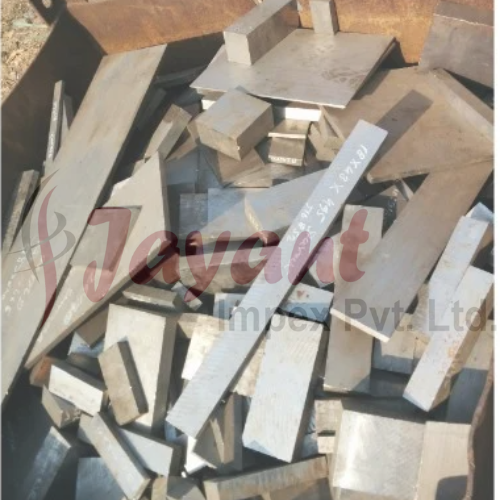
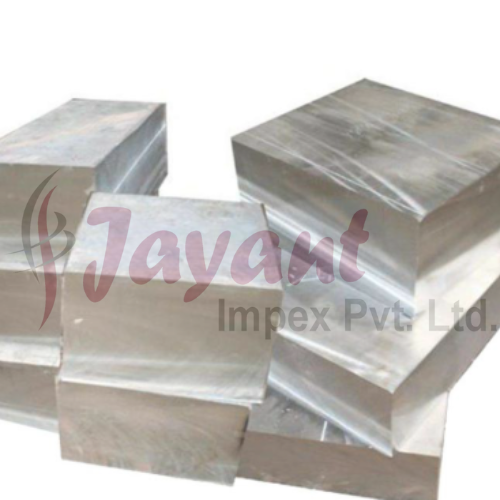
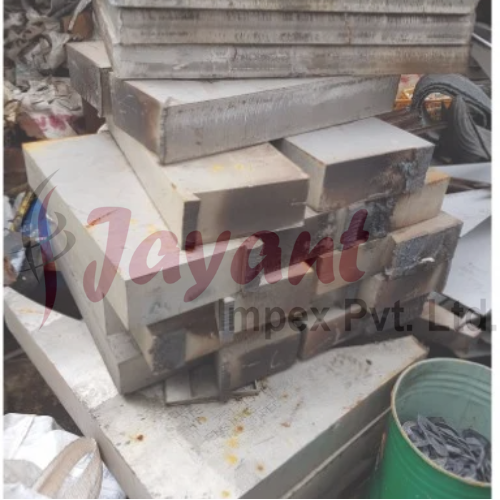
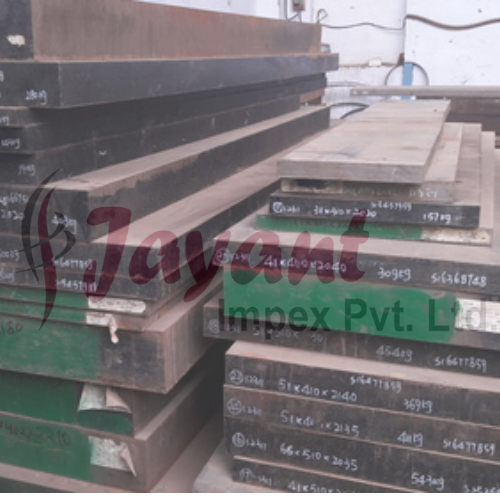
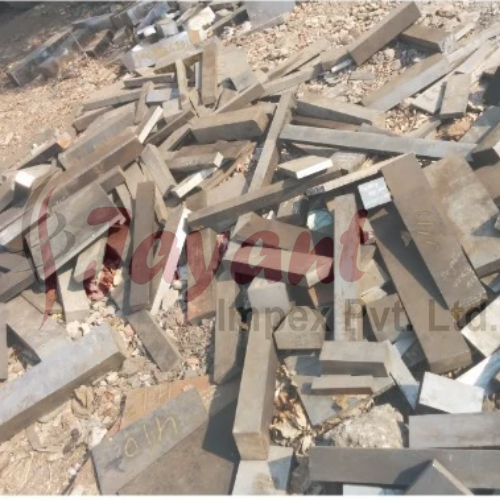
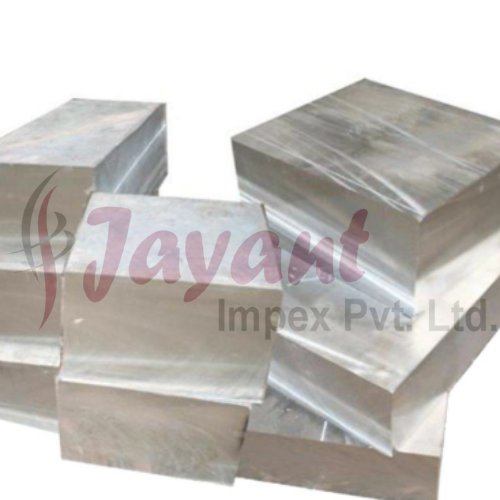
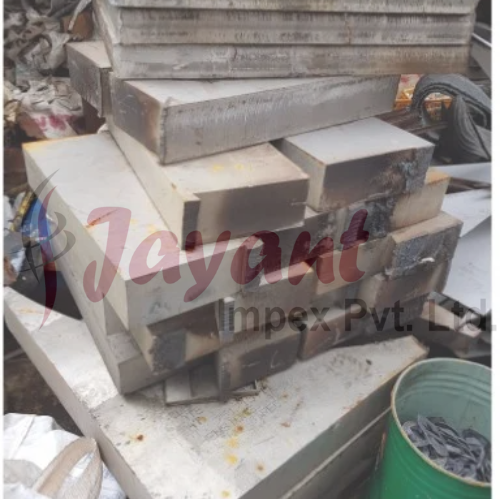
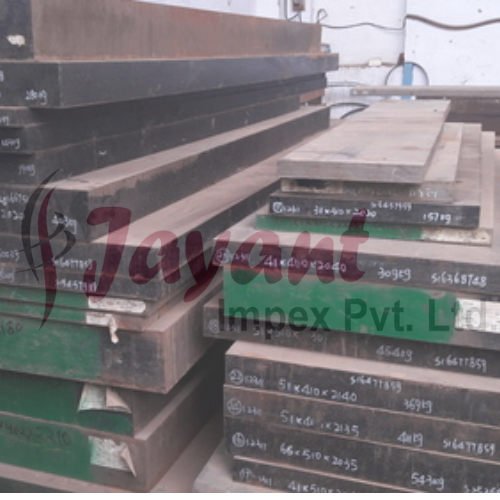
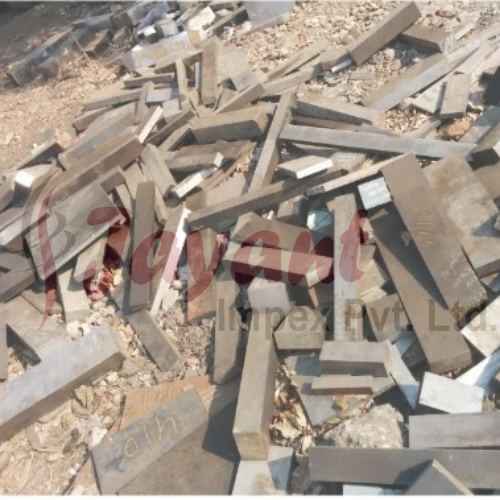
SAE AISI P20 Ni Plastic Mould Steel Bars
138.0 INR/Kilograms
Product Details:
- Tensile Strength ~1000-1200 MPa (pre-hardened)
- Corrosion Resistant Moderate, not stainless
- Coating Type Uncoated or as specified
- Temper Annealed or Pre-Hardened
- Hardness ~280-320 HB (pre-hardened), up to 54 HRC (after hardening)
- Width Custom/varied (as cut to size)
- Recyclable Yes
- Click to view more
X
SAE AISI P20 Ni Plastic Mould Steel Bars Price And Quantity
- 1 Kilograms
- 138.0 INR/Kilograms
SAE AISI P20 Ni Plastic Mould Steel Bars Product Specifications
- C: 0.28-0.40%, Mn: 0.60-1.00%, Si: 0.20-0.80%, Cr: 1.40-2.00%, Mo: 0.30-0.55%, Ni: 0.80-1.20%
- Machined or as-rolled
- Cut to customer specification
- P20 Ni
- Nickel, Chromium, Molybdenum alloyed steel
- Plastic Mould Steel Bar
- N/A (mainly flat/rectangular bar)
- Bar, Flat, Block, Rectangular
- Plastic injection and blow mould manufacturing
- Rectangular / Flat / Block / Square Bar
- Yes
- Plastic Injection & Blow Moulds, Die Holders, Backing Plates, Structural Parts of Moulds
- Ni: 0.80-1.20%, Cr: 1.40-2.00%, C: 0.28-0.40%, Mn: 0.60-1.00%, Si: 0.20-0.80%, Mo: 0.30-0.55%
- ~280-320 HB (pre-hardened), up to 54 HRC (after hardening)
- Custom/varied (as cut to size)
- Yes
- Custom thicknesses
- AISI, SAE, DIN (typically DIN 1.2738 or equivalent)
- Alloy Steel
- As per size and dimensions
- Annealed or Pre-Hardened
- Mill finish or machined
- Metallic Grey
- SAE AISI P20 Ni Plastic Mould Steel Bar
- Moderate, not stainless
- P20 Ni
- ~1000-1200 MPa (pre-hardened)
- Uncoated or as specified
- Custom sizes available / on request
- Pre-hardened (HRC 30-36) or Annealed
- No, magnetic material
- Automotive, Consumer Goods, Packaging, Electrical
- Ready stock, cut to required size
- Fine-grained, uniform structure
- Good, easy to machine in annealed state
- ~800 MPa (pre-hardened)
- Good, but preheating recommended
- Loose, custom bundles, as requested
- Square/chamfered as per order
Product Description
| Material Designation | Alloy Family | Primary Form | Application Method | Equivalent Standard |
| AISI P20 Ni | Nickel Chromium Molybdenum Tool Steel | Forged Bar Round Flat | Machining EDM Photo Etching | UNS T31502 Plus Ni |
| DIN 1.2738 | Nickel Chromium Molybdenum Tool Steel | Large Mould Block Flat Bar | Deep Cavity CNC Milling | EN ISO 4957 40CrMnNiMo8-6-4 |
| GB 3Cr2NiMo | Nickel Chromium Molybdenum Tool Steel | Forged Mould Plate Round Bar | Injection Mould Fabrication | GB T 1299 Chinese Standard |
| JIS NAK55 | Modified Nickel Aluminium Copper Tool Steel | Pre Hardened Steel Block | High Mirror Polish Moulding | Commercial Japanese Designation |
Nominal Chemical Composition
| Element | Element Name | Minimum Mass Fraction | Maximum Mass Fraction | Nominal Value |
| Fe | Iron | Balance | Balance | 95.30 |
| C | Carbon | 0.35 | 0.45 | 0.38 |
| Mn | Manganese | 1.30 | 1.60 | 1.45 |
| Cr | Chromium | 1.80 | 2.10 | 1.95 |
| Ni | Nickel | 0.90 | 1.20 | 1.00 |
| Mo | Molybdenum | 0.15 | 0.25 | 0.20 |
| Si | Silicon | 0.20 | 0.40 | 0.30 |
| P | Phosphorus | 0.00 | 0.03 | 0.015 |
| S | Sulfur | 0.00 | 0.02 | 0.005 |
Physical and Mechanical Properties
| Property | Value Range | Metric Units | Imperial Units |
| Density | 7.85 | Grams per Cubic Centimeter | 0.284 Pounds per Cubic Inch |
| Hardness Pre Hardened | 28 to 34 | Rockwell C | Rockwell C |
| Tensile Strength Ultimate | 980 to 1120 | Megapascals | 142000 to 162000 Pounds per Square Inch |
| Yield Strength | 850 to 990 | Megapascals | 123000 to 143000 Pounds per Square Inch |
| Modulus of Elasticity | 205 | Gigapascals | 29700000 Pounds per Square Inch |
| Thermal Conductivity at 20 Celsius | 33 to 35 | Watts per Meter Kelvin | 229 to 243 BTU Inch per Hour Square Foot Fahrenheit |
| Thermal Expansion Coefficient | 11.9 to 13.7 | Micrometers per Meter Kelvin | 6.61 to 7.61 Microinches per Inch Fahrenheit |
| Maximum Service Temperature | 400 | Celsius | 752 Fahrenheit |
Optimized Steel Performance for Mould Manufacturing
SAE AISI P20 Ni Mould Steel Bars are engineered for versatility and durability in plastic mould tooling. Their balanced alloying and microstructure provide outstanding machinability, reliable heat resistance, and uniform hardness, minimizing cycle times and reducing tooling costs for manufacturers. Provided in pre-hardened or annealed conditions, each bar is precisely cut to customer dimensions and available with different edge finishes.
Flexible Supply and Customization
Manufactured and supplied throughout India by leading producers, these steel bars can be ordered in loose or specially bundled packaging. Their form-ranging from flat and rectangular to block or square-allows seamless adaptation into diverse industrial applications, spanning automotive, consumer goods, packaging, and electrical sectors. Each bar is recyclable and delivered without coatings unless specified.
FAQ's of SAE AISI P20 Ni Plastic Mould Steel Bars:
Q: How is SAE AISI P20 Ni Plastic Mould Steel typically used in manufacturing?
A: This steel bar is commonly used for plastic injection and blow moulds, as well as for die holders, backing plates, and structural mould components due to its high toughness, machinability, and durability.Q: What is the delivery condition of P20 Ni Mould Steel Bars supplied by manufacturers in India?
A: The bars are delivered either pre-hardened (HRC 30-36) or annealed. Customers can request ready stock cut to size, with edges either square or chamfered as needed.Q: Where can I request custom sizes or special shapes for P20 Ni steel bars?
A: Custom dimensions and shapes (rectangular, flat, block, or square) can be ordered directly from suppliers, manufacturers, or dealers throughout India, ensuring optimal fit for your mould or tooling requirements.Q: What are the main benefits of selecting P20 Ni steel for mould-making?
A: Benefits include good machinability in the annealed state, uniform microstructure for consistent performance, moderate corrosion and heat resistance, and the ability to deliver reliable results in high-cycle production environments.Q: How should P20 Ni Mould Steel be welded for best results?
A: Preheating the material before welding is recommended to avoid cracking and ensure a strong weld, given its alloyed composition and pre-hardened condition.Q: When is it advisable to select pre-hardened versus annealed P20 Ni bars?
A: Pre-hardened bars are ideal when minimizing post-machining heat treatment is critical, enabling quicker turnaround. Annealed bars are preferable if deep machining or complex shaping is required before hardening.Tell us about your requirement

Price:
Quantity
Select Unit
- 50
- 100
- 200
- 250
- 500
- 1000+
Additional detail
Mobile number
Email

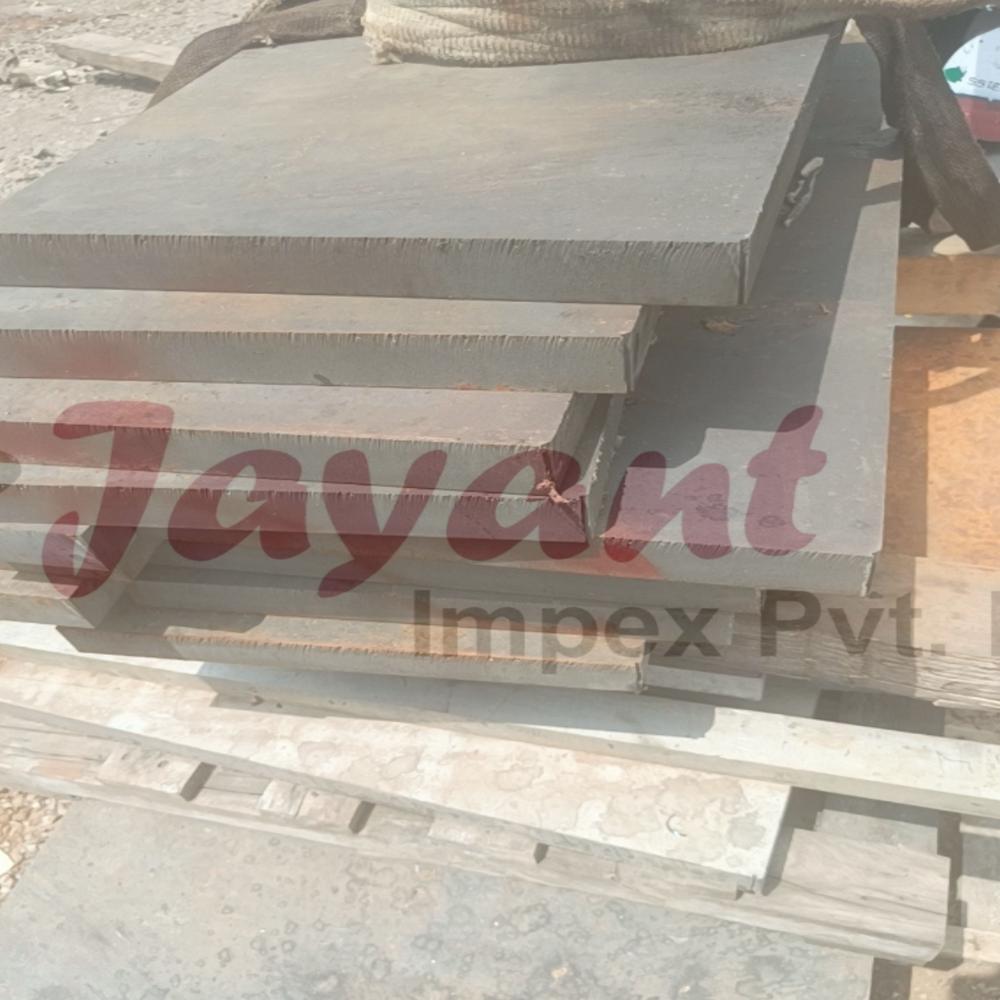
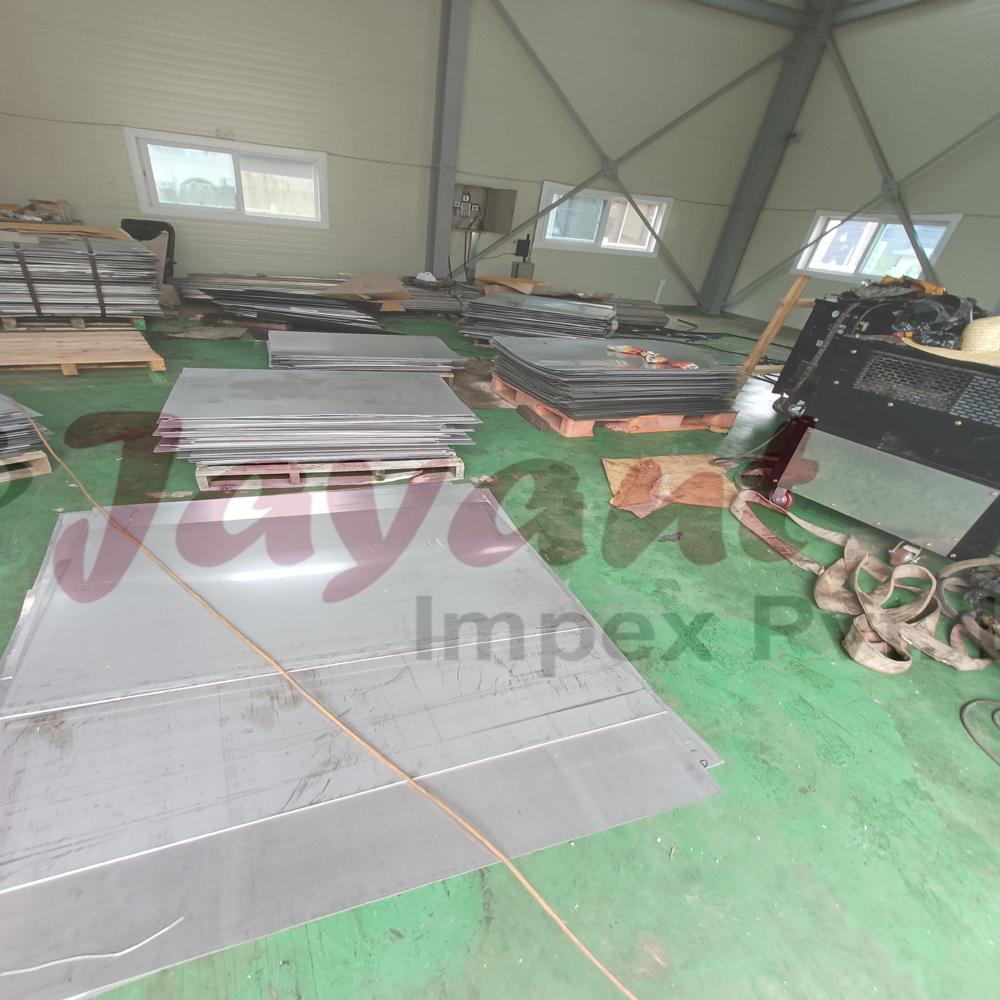
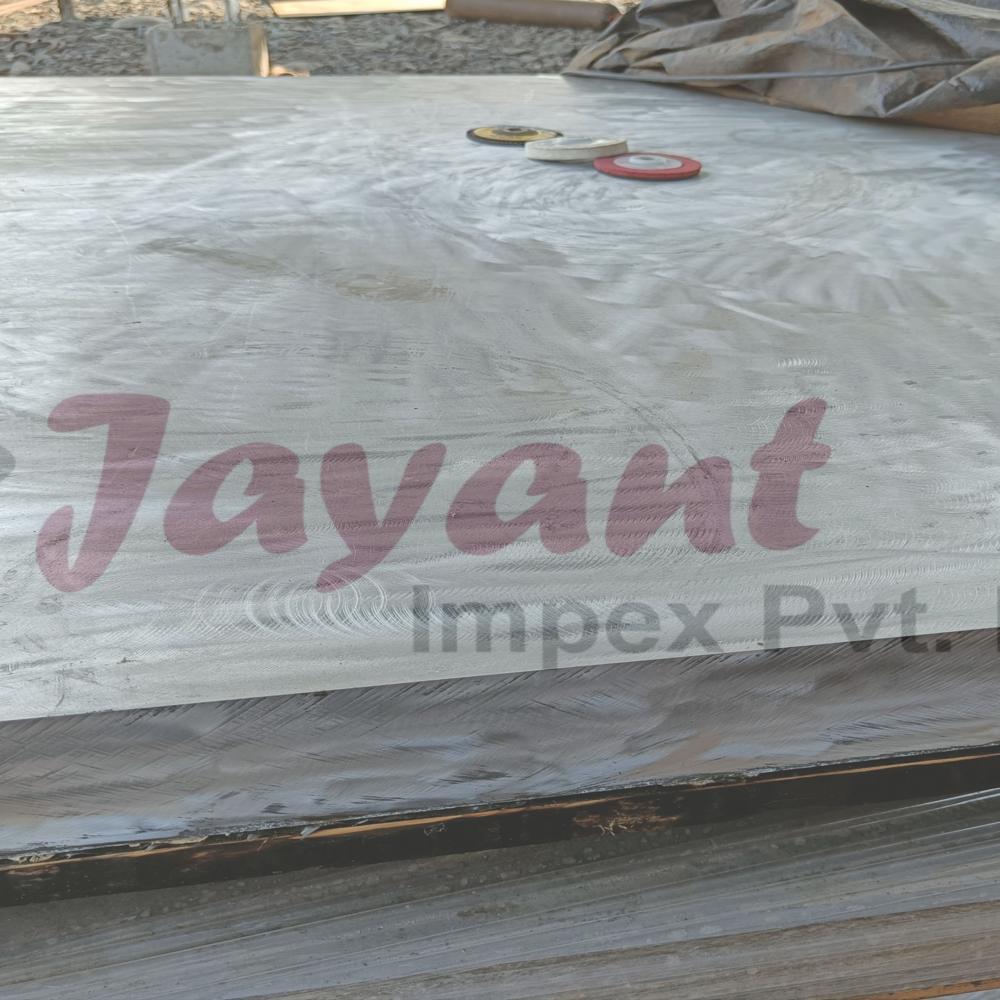
Other Products in 'Steel Sheets And Plate' category

JAYANT IMPEX
GST : 27AAQFJ5764L1ZJ
GST : 27AAQFJ5764L1ZJ

- 6th, 605, Majestic Shopping Center, Jagannath Shankarseth Road, Girgaon,Mumbai - 400004, Maharashtra, India
- Phone : 08045800544

- Mr Shrenik Prakash Mehta (Director)
- Mobile : 08045800544
-
jayantimpex12@gmail.com


-
Share to



 Send Inquiry
 Send SMS
 Call Me Free
JAYANT IMPEX PVT. LTD. All Rights Reserved.(Terms of Use)
Developed and Managed by Infocom Network Private Limited. Terms of use | Returns Policy Member
Developed and Managed by Infocom Network Private Limited. Terms of use | Returns Policy Member
