 English
 Spanish
 French
 German
 Italian
 Chinese (Simplified)
 Japanese
 Korean
 Arabic
 Portuguese
 Call Us : 08045800544
 Call Us : 08045800544
 Get a Quote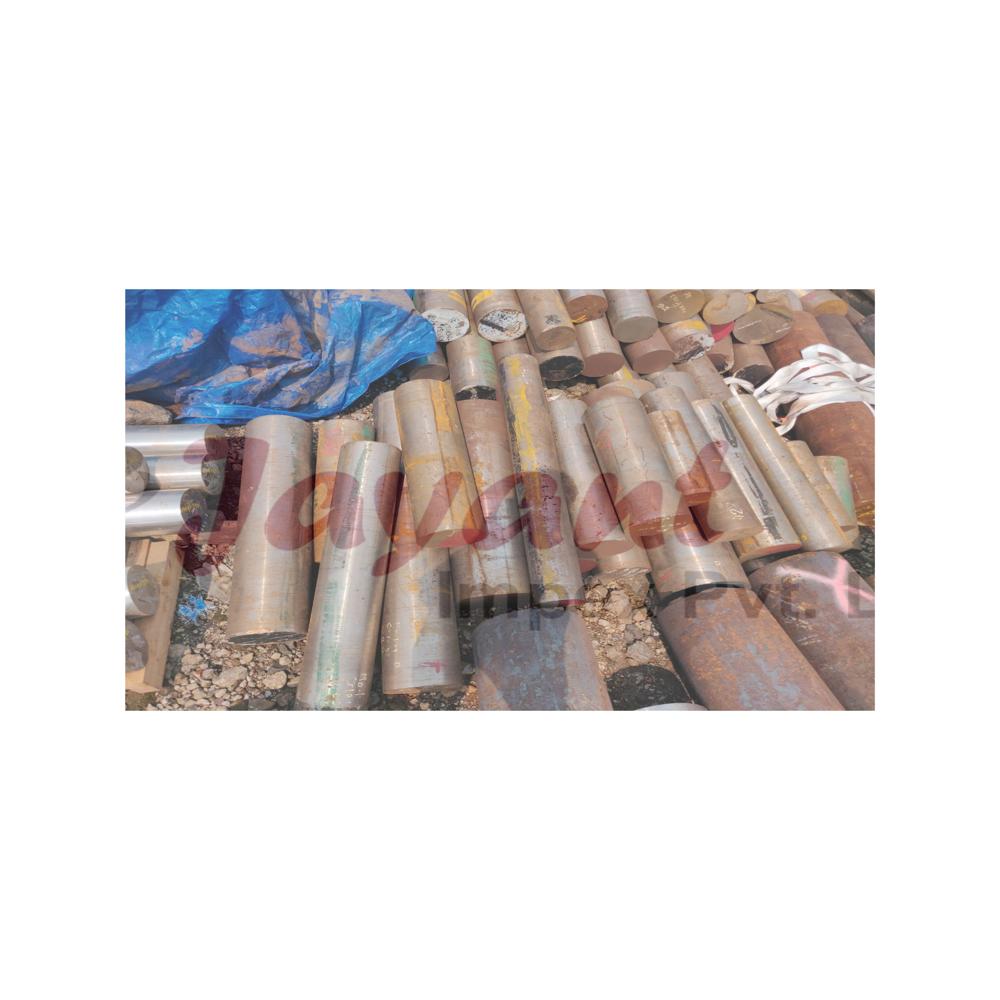
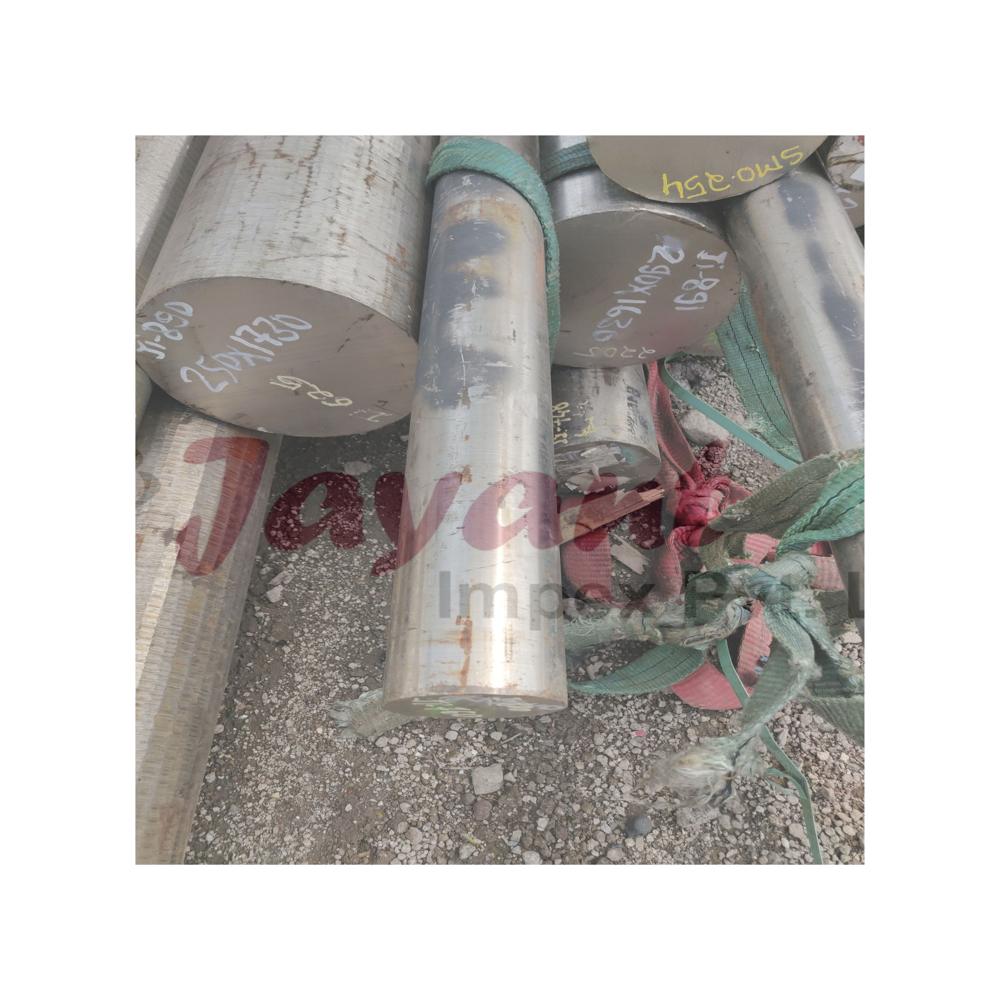
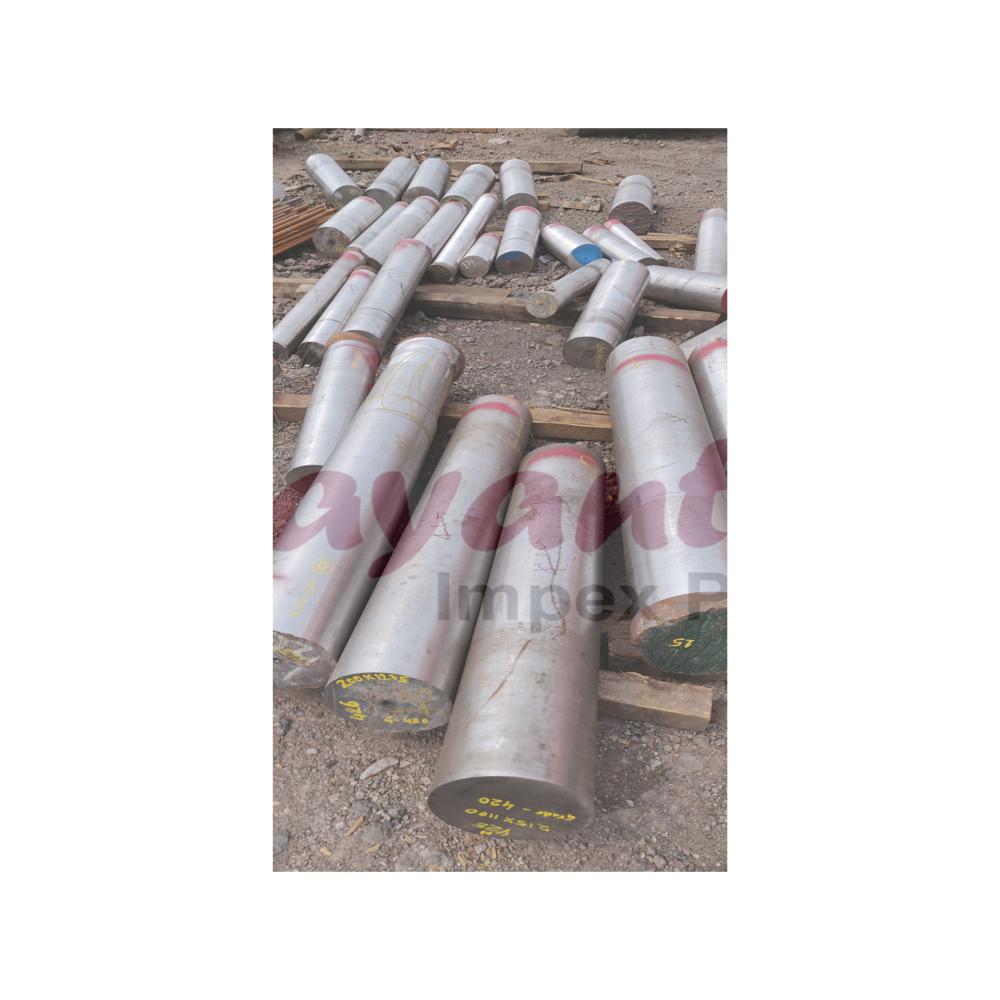
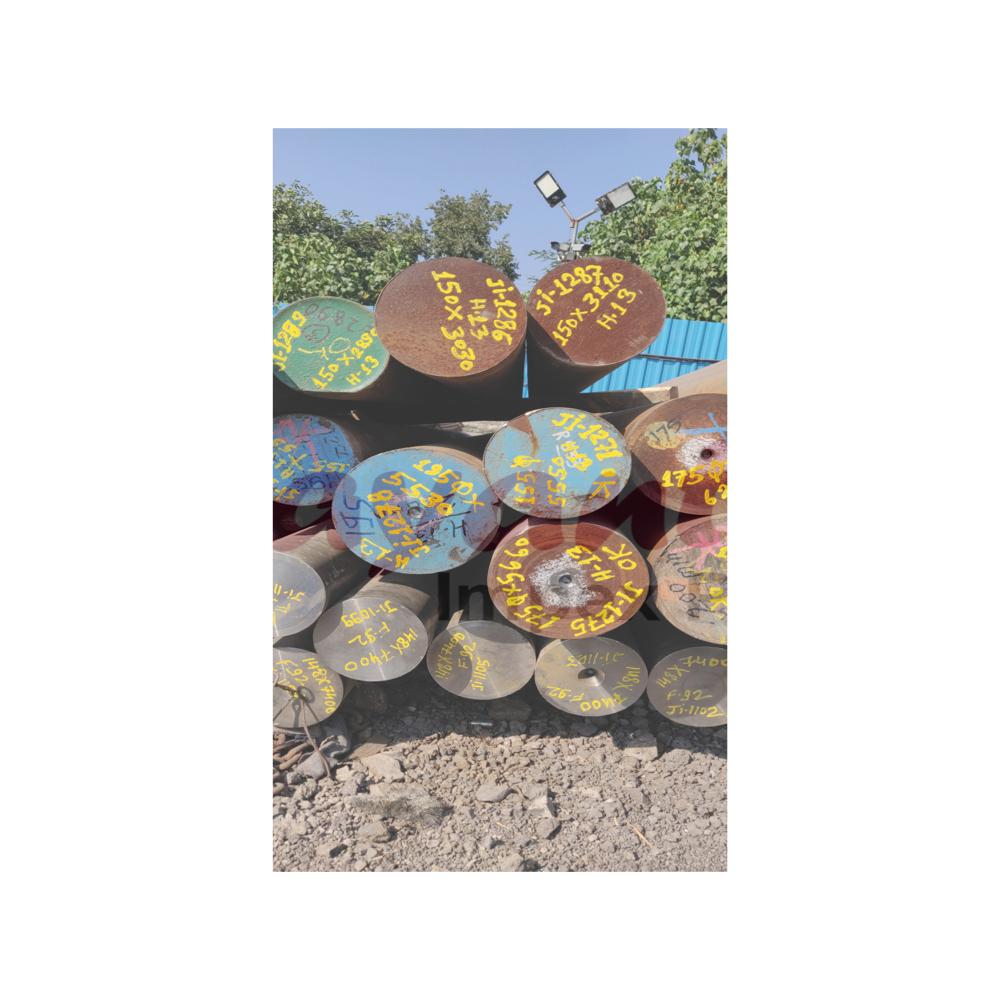
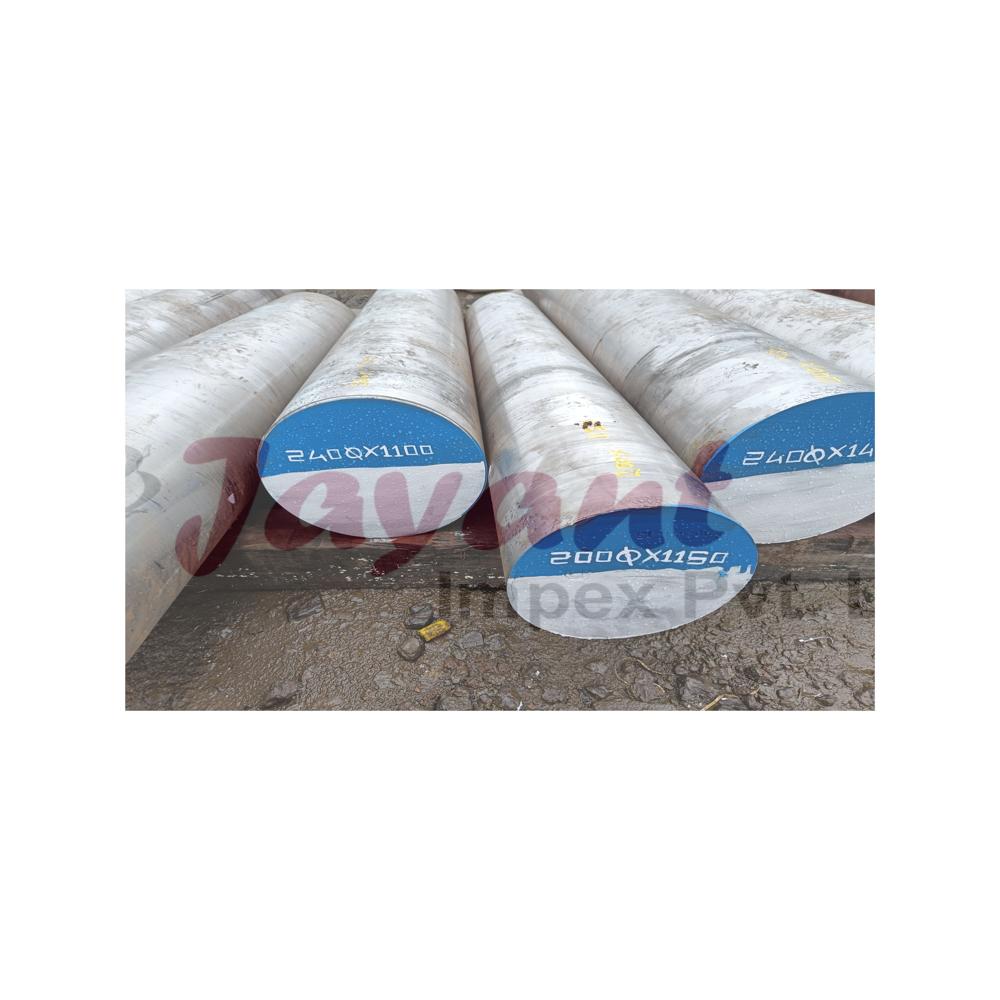
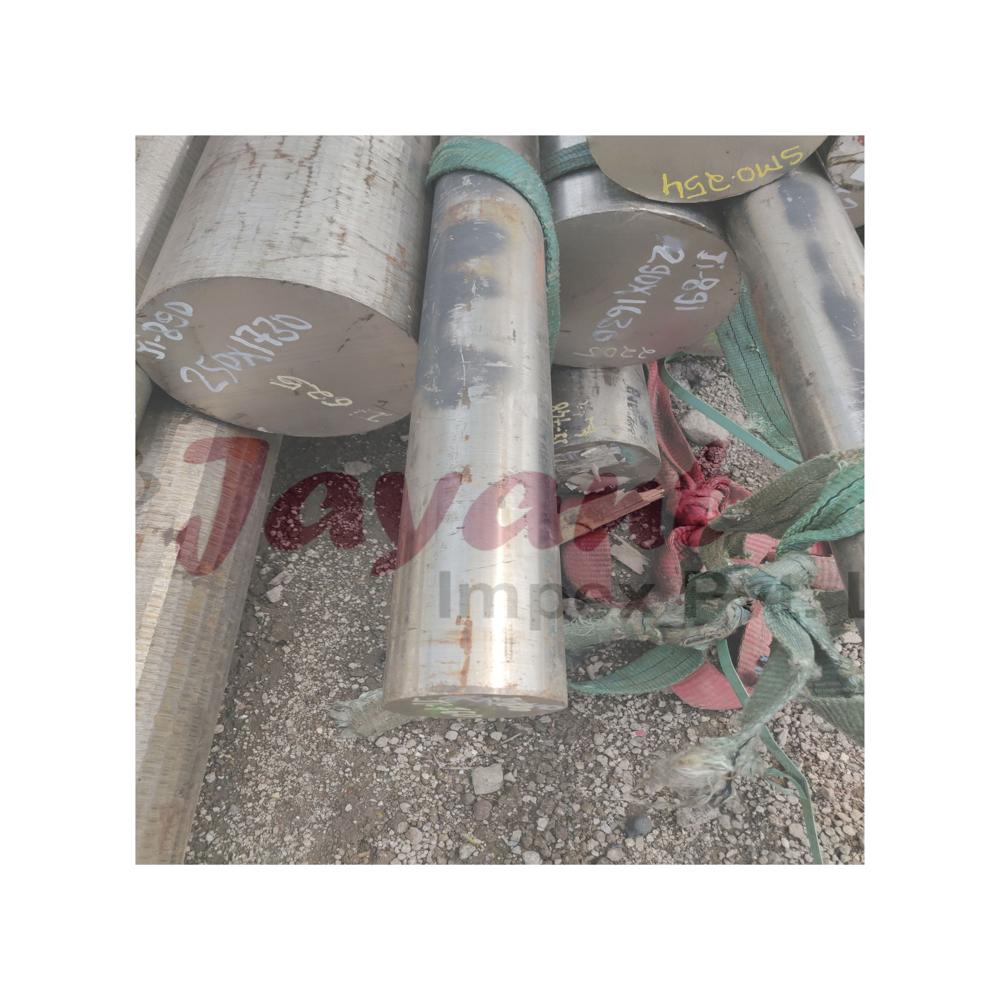
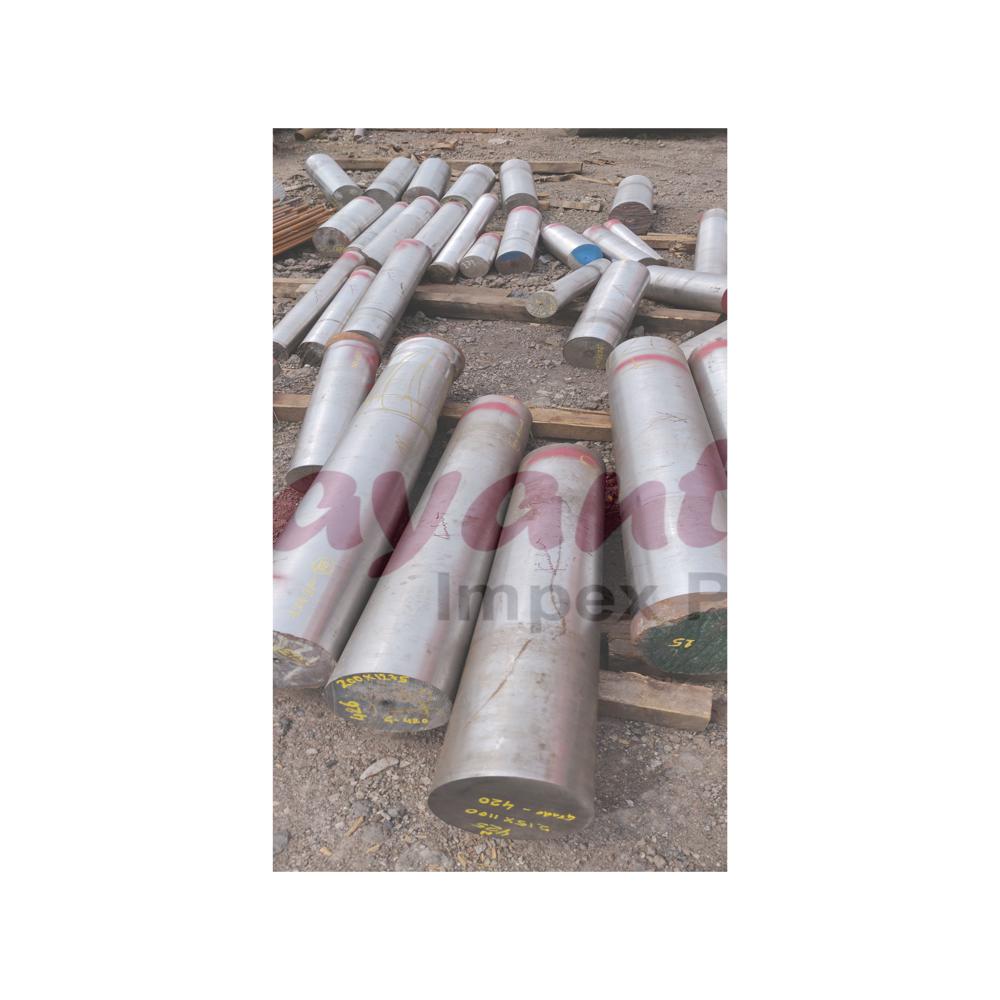
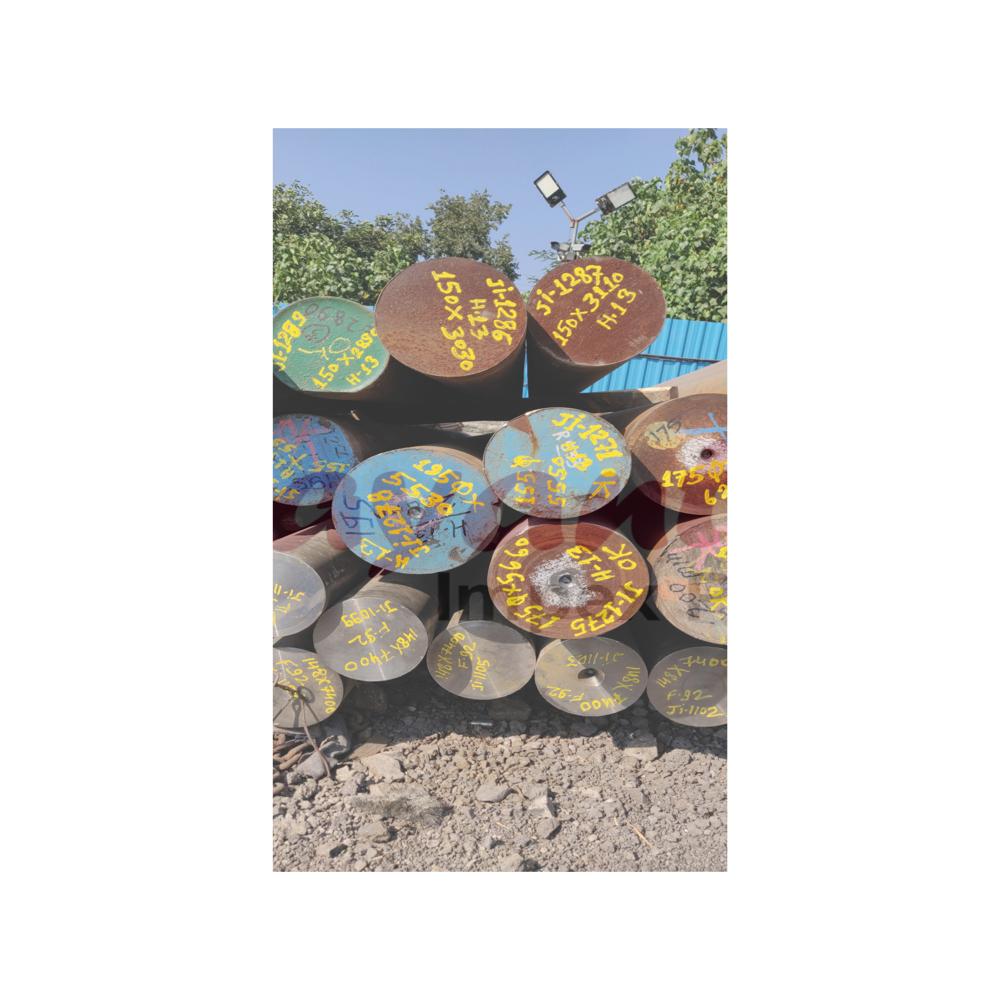
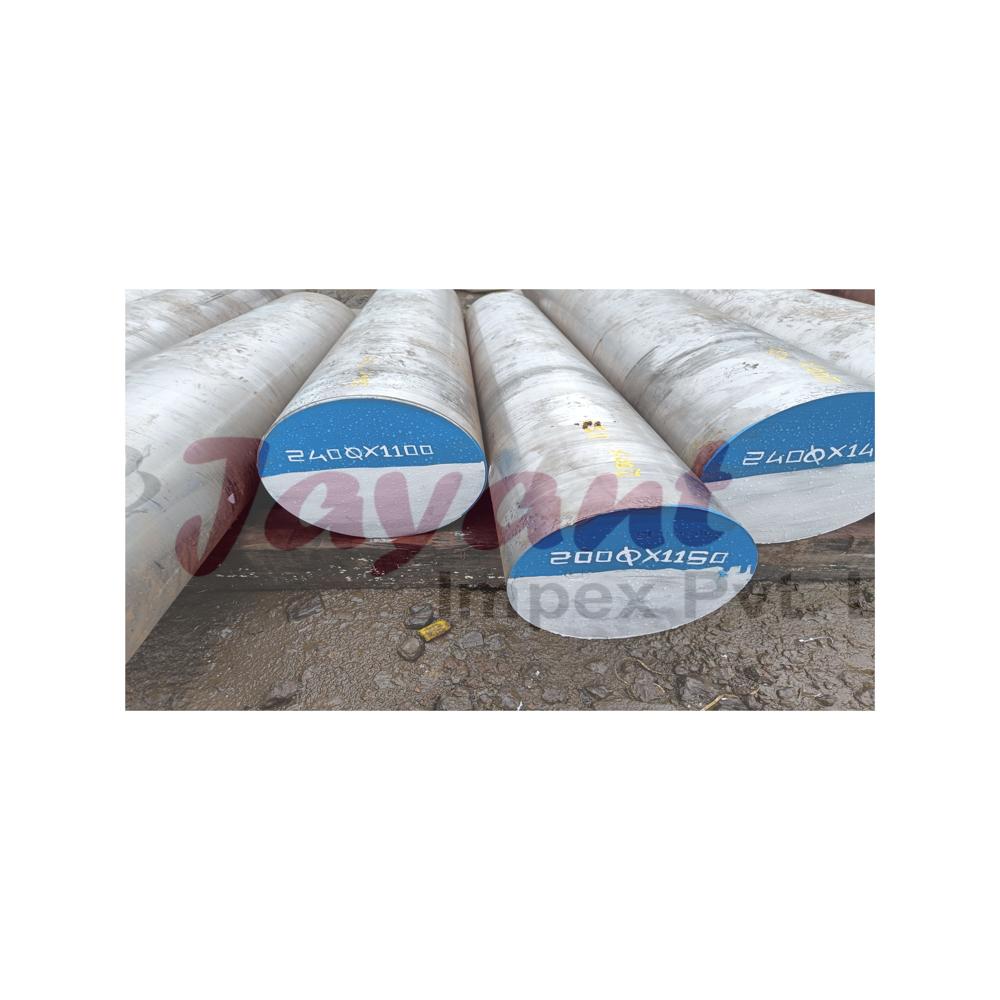
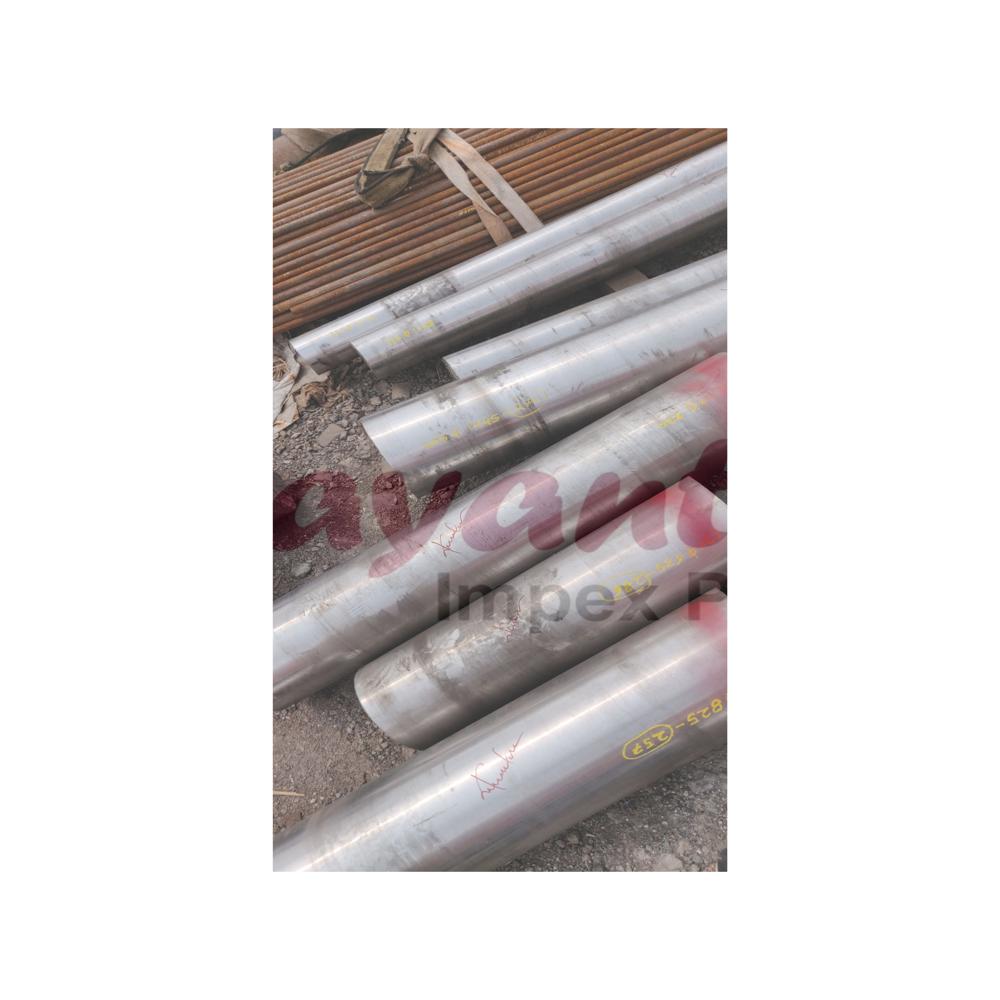
SAE AISI 8630 Alloy Steel Chrome Moly Bars
300.0 INR/Kilograms
Product Details:
- Application Structural, Engineering and Oil & Gas Industry Components
- Material SAE AISI 8630 Alloy Steel Chrome Moly
- Diameter 20 mm to 250 mm
- Type Round Bar
- Length 3 to 6 meters, Custom Cut Lengths Available
- Finish Black, Bright, Peeled, Turned, Polished
- Standard ASTM A29/A29M, EN 10083-1, JIS G4053
- Click to view more
X
SAE AISI 8630 Alloy Steel Chrome Moly Bars Price And Quantity
- 300.0 INR/Kilograms
- 1000 Kilograms
SAE AISI 8630 Alloy Steel Chrome Moly Bars Product Specifications
- ASTM A29/A29M, EN 10083-1, JIS G4053
- Black, Bright, Peeled, Turned, Polished
- 20 mm to 250 mm
- 3 to 6 meters, Custom Cut Lengths Available
- Round Bar
- SAE AISI 8630 Alloy Steel Chrome Moly
- Structural, Engineering and Oil & Gas Industry Components
- Quenched and Tempered, Annealed, Normalized
- 8630
- Gears, Shafts, Connecting Rods, Oilfield Components
- h9, h11 or as per requirement
- Hot Rolled, Forged
- Can be welded with pre- and post- heat treatment
- Free from surface defects, Ultrasonically tested if required
- 16% (Min, in 50mm)
- Good in annealed condition
- 197 - 237 HB (Annealed), Up to 269 HB (Quenched & Tempered)
- Normalizing, Quenching & Tempering, Annealing possible
- 35 J (at -20C, Quenched & Tempered)
- Bundles with Steel Strips, Custom Packing on request
- 7.85 g/cm3
- Tempered Martensite, Ferrite-Pearlite (As required)
- ~ 860 MPa (Quenched & Tempered)
- Hot Rolled/Forged & Heat Treated
- ~ 655 MPa (Quenched & Tempered)
Product Description
Technical Overview
AISI 8630 is a low-alloy steel containing Nickel, Chromium, and Molybdenum (often called "8600 series" or "Ni-Cr-Mo" steel). It is a medium-hardenability grade that offers excellent atmospheric corrosion resistance and better strength than standard carbon steels. It is particularly noted for its superior weldability compared to higher carbon alloys like AISI 4130.
Key Specifications & Properties
| Feature | Details |
| Standard | ASTM A29 / SAE J404 |
| Material Type | Low-Alloy Nickel-Chromium-Molybdenum Steel |
| Chemical Composition | Nickel (0.40% 0.70%), Chromium (0.40% 0.60%), Molybdenum (0.15% 0.25%) |
| Tensile Strength | $550 - 850 text{ MPa}$ (depending on heat treatment) |
| Yield Strength | $ge 350 text{ MPa}$ |
| Hardenability | Good depth of hardening via Quenching and Tempering |
Common Applications
Due to its toughness and ease of welding, 8630 round bars are a staple in:
-
Oil & Gas Industry: Wellhead components, connector bodies, and valve parts.
-
Aerospace & Defense: Structural parts that require high strength-to-weight ratios.
-
Automotive: Connecting rods, gears, and forged shafts.
-
General Engineering: High-tensile fasteners and heavy-duty machinery components.
Features for Your Product Description
-
Excellent Weldability: One of the best performing alloy steels for welding applications, minimizing the risk of cold cracking.
-
High Impact Toughness: Maintains structural integrity under heavy shock loads.
-
Heat Treatment Response: Can be easily Normalized, Annealed, or Quenched and Tempered to meet specific hardness requirements.
-
Corrosion Resistance: The addition of Nickel and Chromium provides enhanced protection against environmental wear.
Versatile Applications Across Industries
SAE AISI 8630 Alloy Steel Chrome Moly Bars are ideally suited for structural, engineering, and oil & gas components such as gears, shafts, and connecting rods. Their strength and toughness make them a preferred choice in situations demanding reliability under stress and high impact, particularly in critical machinery and industrial installations.
Superior Mechanical Properties & Processing
These alloy steel bars provide excellent yield and tensile strength, from 655 MPa to 860 MPa when quenched and tempered, ensuring they withstand rigorous operational demands. The microstructure can be tailored as tempered martensite or ferrite-pearlite, and the bars are available in hot rolled or forged conditions, with precise tolerance control and a variety of surface finishes for optimal performance.
Tailored Packaging & Quality Assurance
Every bar is packaged securely in bundles with steel strips or custom packing as required. Thorough ultrasonic testing is available to ensure freedom from internal defects, and the surface quality is strictly monitored, making these bars a trusted choice for engineers and manufacturers globally.
FAQ's of SAE AISI 8630 Alloy Steel Chrome Moly Bars:
Q: How are SAE AISI 8630 Alloy Steel Chrome Moly Bars processed for optimal mechanical properties?
A: These bars undergo heat treatments such as normalizing, quenching, and tempering to achieve the desired hardness, strength, and toughness. Annealing can also be performed to improve machinability. Processing methods and microstructure can be tailored for specific applications, according to client requirements.Q: What industries commonly use SAE AISI 8630 bars and for what applications?
A: SAE AISI 8630 bars are widely used in the structural, engineering, and oil & gas industries. Typical applications include gears, shafts, connecting rods, and oilfield components, where strength, impact resistance, and durability are crucial.Q: When is it recommended to use quenched and tempered 8630 alloy steel bars?
A: Quenched and tempered bars are preferred when higher yield strength and toughness are required, particularly in environments subject to dynamic loads or impact, such as critical machinery components in oil & gas and heavy engineering sectors.Q: Where can custom lengths and surface finishes be requested for these alloy bars?
A: Custom cut lengths (from 3 to 6 meters and beyond) and various surface finishes-such as black, bright, peeled, turned, or polished-can be requested through dealers, exporters, manufacturers, or suppliers in India to suit exact project needs.Q: What are the benefits of choosing SAE AISI 8630 Alloy Steel Chrome Moly Bars?
A: Benefits include high mechanical strength, excellent machinability in the annealed condition, good weldability with appropriate pre- and post-heat treatment, and adaptability for different applications. The bars also comply with international standards like ASTM A29/A29M and EN 10083-1.Q: How is weldability ensured for these alloy steel bars?
A: Weldability is achieved by utilizing recommended pre- and post-heat treatment processes. This ensures weld integrity and minimizes the risk of cracking, making them suitable for fabrication and assembly.Q: What packaging and testing options are available for these bars?
A: Bars are typically supplied in bundles with steel straps, with options for custom packaging on request. They can be ultrasonically tested to confirm freedom from internal defects, supporting stringent quality standards.Tell us about your requirement

Price:
Quantity
Select Unit
- 50
- 100
- 200
- 250
- 500
- 1000+
Additional detail
Mobile number
Email

Other Products in 'Steel Bar' category

JAYANT IMPEX
GST : 27AAQFJ5764L1ZJ
GST : 27AAQFJ5764L1ZJ

- 6th, 605, Majestic Shopping Center, Jagannath Shankarseth Road, Girgaon,Mumbai - 400004, Maharashtra, India
- Phone : 08045800544

- Mr Shrenik Prakash Mehta (Director)
- Mobile : 08045800544
-
jayantimpex12@gmail.com


-
Share to



 Send Inquiry
 Send SMS
 Call Me Free
JAYANT IMPEX PVT. LTD. All Rights Reserved.(Terms of Use)
Developed and Managed by Infocom Network Private Limited. Terms of use | Returns Policy Member
Developed and Managed by Infocom Network Private Limited. Terms of use | Returns Policy Member
