 English
 Spanish
 French
 German
 Italian
 Chinese (Simplified)
 Japanese
 Korean
 Arabic
 Portuguese
 Call Us : 08045800544
 Call Us : 08045800544
 Get a Quote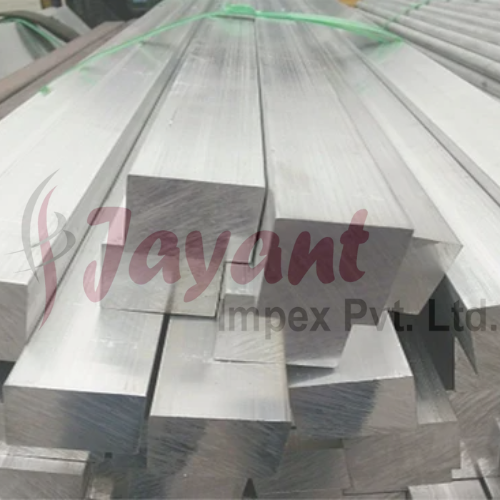
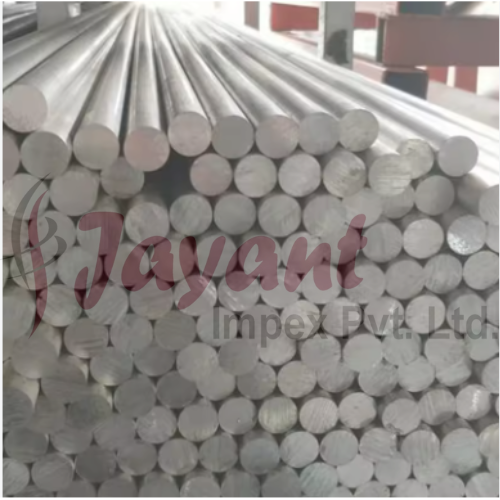
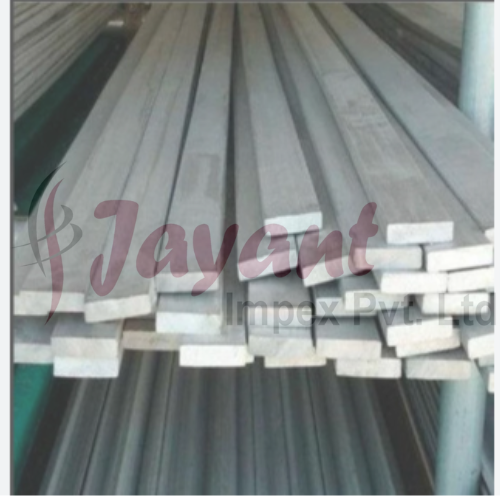
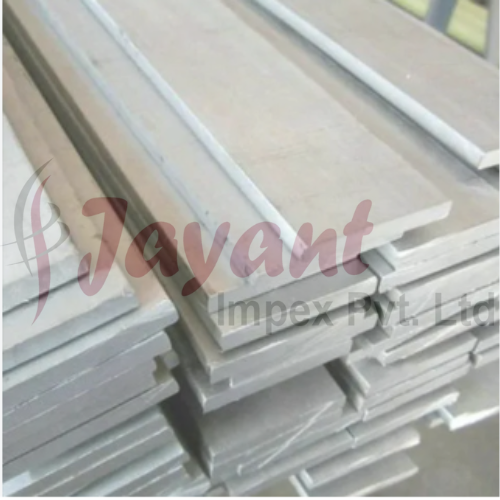
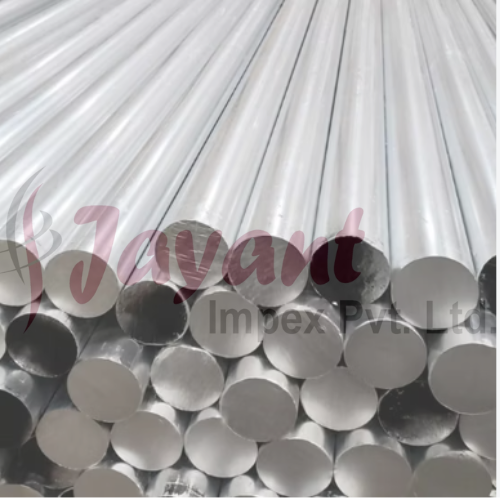
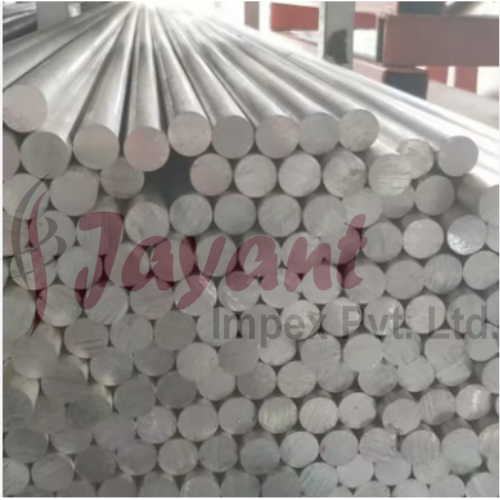
Aluminium ENAW-7075 Bars & Rods (7075-O, 7075-T6, T651)
750.0 INR/Piece
Product Details:
- Length 100 mm to 5000 mm
- Finish Mill Finish, Polished
- Material Aluminium ENAW-7075
- Processing Precision Ground, Heat Treated
- Grade 7075-O, 7075-T6, 7075-T651
- Specific Use Aircraft fittings, Gears, Missile parts
- Application Aerospace, Defense, Engineering, Marine, Automobile
- Click to view more
X
Aluminium ENAW-7075 Bars & Rods (7075-O, 7075-T6, T651) Price And Quantity
- 750.0 INR/Piece
- 10 Piece
Aluminium ENAW-7075 Bars & Rods (7075-O, 7075-T6, T651) Product Specifications
- Extruded, Cold Drawn
- 6 mm to 300 mm
- Bar & Rod
- ASTM B211, EN 573, EN 485
- H9, H11, H13, K12
- 100 mm to 5000 mm
- Mill Finish, Polished
- Aluminium ENAW-7075
- Precision Ground, Heat Treated
- 7075-O, 7075-T6, 7075-T651
- Aircraft fittings, Gears, Missile parts
- Aerospace, Defense, Engineering, Marine, Automobile
- 71.7 GPa
- 40% IACS
- 5% - 11%
- Good
- Up to 503 MPa
- Standard Seaworthy Packing
- Up to 572 MPa
- 2.81 g/cm3
- Brinell 150 HB
- Round, Square, Hex, Rectangular
Product Description
EN AW-7075 (AlZnMgCu1.5) aluminum bars, rods, and round bars exhibit highly divergent mechanical profiles depending on their specific heat-treatment condition. Selecting between 7075-O, 7075-T6, and 7075-T651 dictates the material's formability, internal stress levels, and ultimate structural strength.
Understanding the Tempers
The core distinction between these three conditions lies in the state of their zinc-magnesium precipitate structures:
1. 7075-O (Annealed)
-
The State: Fully annealed. The metal is heated to a high temperature and cooled slowly to achieve its softest, most ductile state.
-
Best For: Severe cold-forming, bending, or deep drawing.
-
The Catch: It has the lowest mechanical strength of all three states. If a strong finished part is needed, it must undergo post-forming solution heat treatment and artificial aging to reach T6 properties.
2. 7075-T6 (Solution Heat Treated & Artificially Aged)
-
The State: Heated to dissolve alloying elements, quenched rapidly, and then baked at a lower temperature to force the uniform precipitation of hardening phases ($eta'$ fine precipitates).
-
Best For: High-stress applications requiring maximum tensile and yield strength.
-
The Catch: High residual stresses from the rapid quench stage can cause the bar to warp, twist, or distort during aggressive machining operations (like deep slotting or asymmetric milling).
3. 7075-T651 (Stress-Relieved by Stretching)
-
The State: Follows the exact same thermal cycle as T6, but includes a critical mechanical stretching step immediately after quenching (typically 1.5% to 3% permanent set stretch) before artificial aging.
-
Best For: Precision CNC machining, aerospace bulkheads, and complex tooling plates.
-
The Catch: Mechanical stretching limits this process primarily to simple, uniform cross-sections like extruded or rolled bars, rods, and plates.
Mechanical Property Comparison
The mechanical performance changes dramatically depending on the selected temper variant (values based on standard bar diameters up to 100 mm per EN 755-2):
| Mechanical Property | 7075-O (Annealed) | 7075-T6 (Aged) | 7075-T651 (Stretched & Aged) |
| Ultimate Tensile Strength ($R_m$) | ~140190 MPa | $ge$ 540 MPa | $ge$ 540 MPa |
| Yield Strength ($R_{p0.2}$) | $le$ 105 MPa | $ge$ 460 MPa | $ge$ 470 MPa |
| Elongation ($A_{50mm}$) | ~10% 12% min | ~7% min | ~7% min |
| Brinell Hardness (HBW) | ~60 HB | ~150 HB | ~150 HB |
| Machinability Rating | Poor (Gummy/Long chips) | Excellent | Outstanding (Maximum stability) |
Manufacturing Standards for Bars & Rods
When specifying EN AW-7075 bars and rods in engineering designs, cross-referencing European manufacturing standards ensures accurate dimensional tolerances:
-
EN 755-1 to 9: Governs extruded aluminum round, square, hexagonal, and rectangular bars. It defines technical conditions for inspection, mechanical properties, and dimensional tolerances.
-
EN 754-1 to 8: Governs cold-drawn aluminum bars. Cold drawing offers superior surface finish, tighter dimensional tolerances, and slightly higher mechanical values compared to raw extrusions.
Machining Tip: Always default to 7075-T651 for intricate or highly toleranced machined components. The mechanical stretching relieves the locked-in thermal stresses from quenching, meaning the material will remain flat and true as you cut away metal layers.
Exceptional Mechanical Performance
Aluminium ENAW-7075 Bars & Rods stand out for their remarkable tensile and yield strength, reaching up to 572 MPa and 503 MPa, respectively. The combination of high hardness (Brinell 150 HB) and elongation of up to 11% ensures these bars can withstand demanding environments and significant stress without compromising durability.
Versatile Forms and Applications
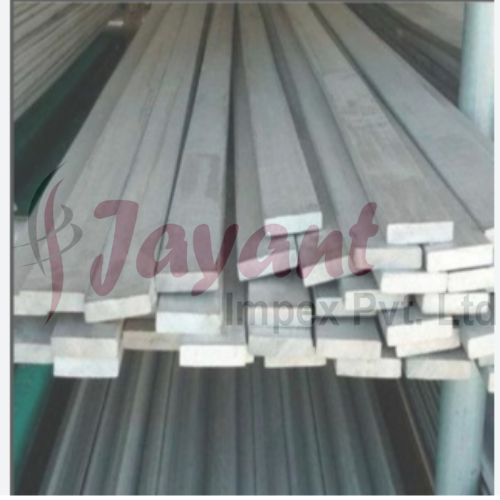
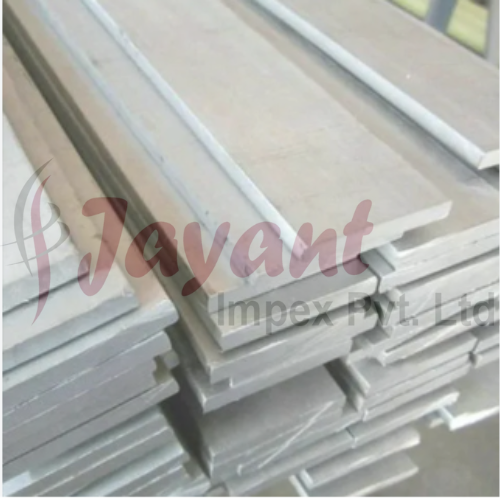
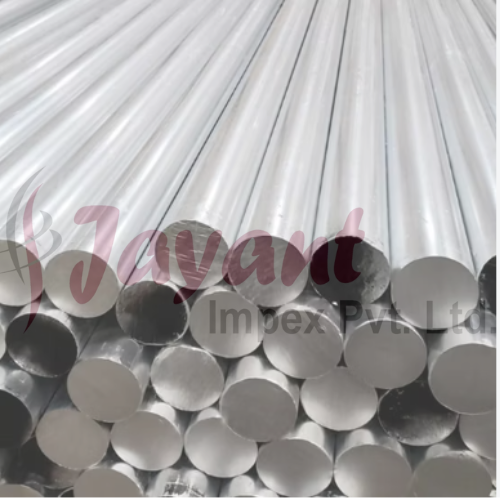
These bars are supplied in multiple profiles, such as round, square, hex, and rectangular, with sizes ranging from diameters of 6 mm up to 300 mm and lengths from 100 mm to 5000 mm. Their adaptability makes them suitable for precision components in aircraft fittings, geared components, missile parts, and other high-performance engineering requirements.
Global Standards and Reliable Supply
Manufactured according to ASTM B211, EN 573, and EN 485, these bars guarantee international compatibility and quality assurance. As a prominent dealer, exporter, manufacturer, and supplier based in India, we offer standard seaworthy packaging and tailored processing, including precision grinding and heat treatment, to meet client specifications.
FAQ's of Aluminium ENAW-7075 Bars & Rods (7075-O, 7075-T6, T651):
Q: How are Aluminium ENAW-7075 Bars & Rods typically manufactured?
A: These bars and rods are produced through extrusion and cold drawing processes, followed by precision grinding and heat treatment to achieve specific mechanical properties in grades such as 7075-O, 7075-T6, and 7075-T651.Q: What shapes and sizes are available for ENAW-7075 Bars & Rods?
A: ENAW-7075 bars & rods are available in round, square, hexagonal, and rectangular forms, with diameters ranging from 6 mm to 300 mm and lengths from 100 mm up to 5000 mm.Q: When is it beneficial to use 7075-T6 or T651 over the O temper?
A: 7075-T6 and T651 tempers are preferred for applications requiring higher strength and hardness, such as aerospace and defense, while the O temper is softer and used where greater formability is needed.Q: Where can ENAW-7075 Bars & Rods be used?
A: They are widely used in industries including aerospace, defense, engineering, marine, and automotive for components like aircraft fittings, gears, and missile parts due to their high mechanical strength and corrosion resistance.Q: What are the major benefits of choosing ENAW-7075 material?
A: ENAW-7075 offers an excellent combination of high strength, good corrosion resistance, and moderate conductivity, making it ideal for critical applications where performance and reliability are vital.Q: How are these bars packaged for export?
A: Aluminium ENAW-7075 Bars & Rods are packed using standard seaworthy packaging to ensure they remain in optimal condition during international transport, preventing damage and corrosion.Q: What international standards do these aluminium bars and rods comply with?
A: They are manufactured in compliance with globally recognized standards, including ASTM B211, EN 573, and EN 485, ensuring consistent quality and reliability.Tell us about your requirement

Price:
Quantity
Select Unit
- 50
- 100
- 200
- 250
- 500
- 1000+
Additional detail
Mobile number
Email

Other Products in 'Steel Bar' category


JAYANT IMPEX
GST : 27AAQFJ5764L1ZJ
GST : 27AAQFJ5764L1ZJ

- 6th, 605, Majestic Shopping Center, Jagannath Shankarseth Road, Girgaon,Mumbai - 400004, Maharashtra, India
- Phone : 08045800544

- Mr Shrenik Prakash Mehta (Director)
- Mobile : 08045800544
-
jayantimpex12@gmail.com


-
Share to



 Send Inquiry
 Send SMS
 Call Me Free
JAYANT IMPEX PVT. LTD. All Rights Reserved.(Terms of Use)
Developed and Managed by Infocom Network Private Limited. Terms of use | Returns Policy Member
Developed and Managed by Infocom Network Private Limited. Terms of use | Returns Policy Member
