 English
 Spanish
 French
 German
 Italian
 Chinese (Simplified)
 Japanese
 Korean
 Arabic
 Portuguese
 Call Us : 08045800544
 Call Us : 08045800544
 Get a Quote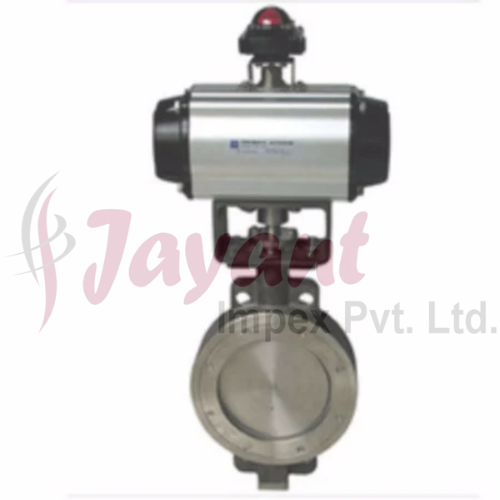
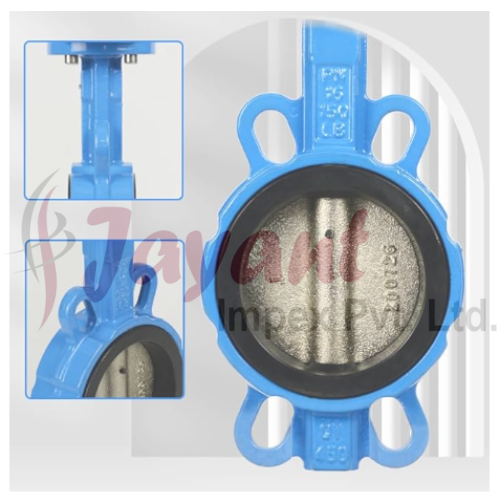
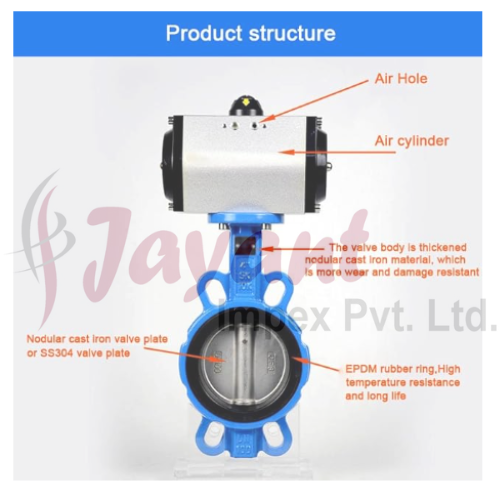
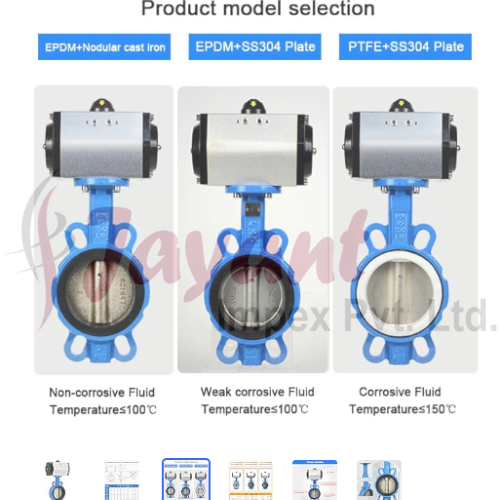
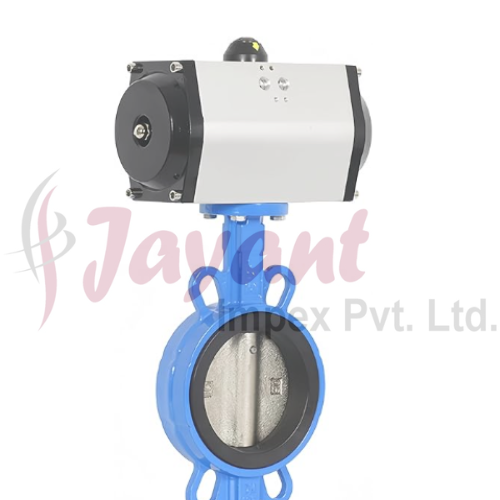
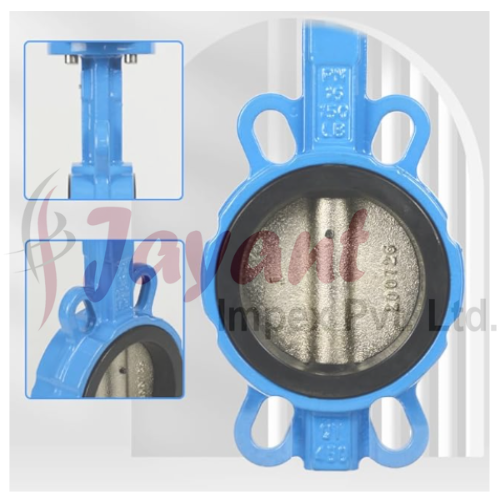
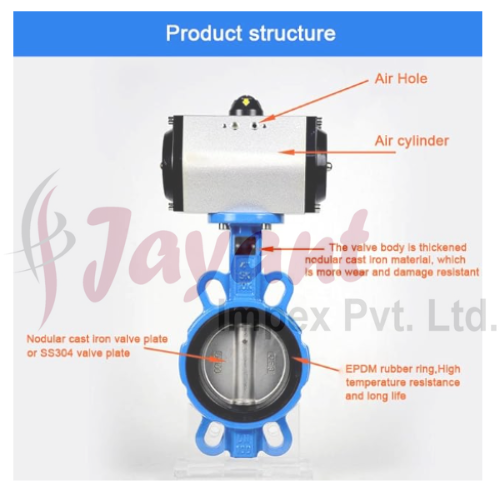

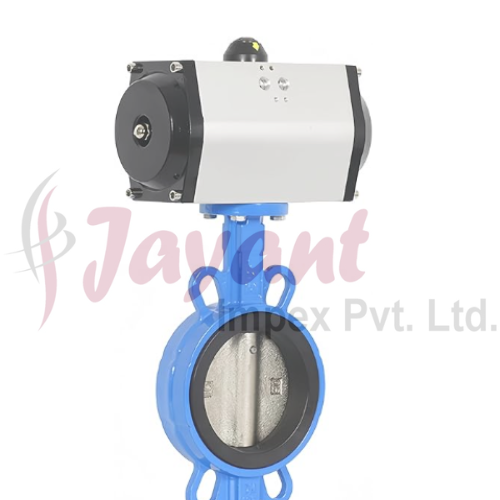
Pneumatic Butterfly Valves / Rotex Pneumatic Butterfly Valve
500.0 INR/Piece
Product Details:
- Material Cast Iron / Ductile Iron / Carbon Steel / Stainless Steel
- Valve Type Butterfly Valve
- Connection Type Wafer / Lug / Flanged
- Control System Solenoid or Positioner Controlled
- Features Double Acting & Spring Return, Compact Design, High Flow Capacity, Easy Maintenance
- Valve Size DN40 to DN500
- Voltage 24V / 48V / 110V / 220V AC/DC (For Positioner or Solenoid Valve Accessories)
- Click to view more
X
Pneumatic Butterfly Valves / Rotex Pneumatic Butterfly Valve Price And Quantity
- 500.0 INR/Piece
- 1 Piece
Pneumatic Butterfly Valves / Rotex Pneumatic Butterfly Valve Product Specifications
- EPDM / PTFE / Nitrile / Viton
- 1.5 Inch to 20 Inch
- Industrial Process Automation, Water Treatment Plants, Chemical, Pharmaceutical, Food & Beverage Industries
- -20C to 120C
- Butterfly Valve
- Air, Water, Gas, Steam, Oil, Chemicals
- 24V / 48V / 110V / 220V AC/DC (For Positioner or Solenoid Valve Accessories)
- Pneumatic
- Cast Iron / Ductile Iron / Carbon Steel / Stainless Steel
- Wafer / Lug / Flanged
- SS304 / SS316 / DI (Nylon Coated)
- Solenoid or Positioner Controlled
- Double Acting & Spring Return, Compact Design, High Flow Capacity, Easy Maintenance
- Stainless Steel
- DN40 to DN500
- Wafer/Lug Type Butterfly Valve
- Up to 16 Bar (PN16)
- Pneumatic Actuated Butterfly Valve
- Epoxy Powder Coated
- ISO Standard
- Mechanical Open/Close Indicator
- Class VI (Bubble Tight)
- ISO 5211
- 1 to 3 Seconds
- Rotex Pneumatic Actuator (Double Acting / Spring Return)
- ANSI, DIN, BS
- Shell: 24 bar, Seat: 17.6 bar
Product Description
When discussing a Pneumatic Butterfly Valve, we are looking at a quarter-turn valve powered by compressed air.
Bringing Rotex into the equation shifts the focus to heavy-duty, highly engineered valve automation. Rotex is globally recognized for its robust rotary pneumatic actuators, solenoids, and limit switch boxes, making a Rotex pneumatic butterfly valve assembly a standard specification in severe-service industries like oil and gas, chemical processing, and power generation.
Technical Anatomy of the Assembly
A typical Rotex automated butterfly valve package is engineered as a modular stack:
[ Limit Switch / Positioner ] (Top monitoring) [ Rotex Solenoid Valve ] (Controls air pilot) [ Rotex Pneumatic Actuator ] (Converts air to 90 rotation) [ Butterfly Valve ] (Mechanical fluid barrier)
1. The Actuator Engine (Rack & Pinion vs. Scotch Yoke)
Rotex manufactures two main types of rotary pneumatic actuators to mount onto butterfly valves, depending on the torque curve required:
-
Rack & Pinion Actuators (EC Series): Best for standard-sized resilient or high-performance butterfly valves. They provide a constant torque profile throughout the entire 90-degree stroke.
-
Scotch Yoke Actuators (Heavy Duty): Essential for large-diameter or metal-seated (triple-offset) butterfly valves. A scotch yoke mechanism produces an asymmetric torque curve. It yields its highest torque at the beginning and end of the stroke (breakaway and close)exactly where a tight-fitting butterfly valve encounters the highest friction against its seat.
2. Actuator Configurations
Both actuator types can be ordered in two primary formats based on safety requirements:
-
Double Acting (DA): Air pressure is required to both open and close the valve. If plant instrument air fails, the valve stays in its last position.
-
Spring Return / Single Acting (SR): Air pressure pushes the pistons to stroke the valve in one direction, compressing an internal safety spring cartridge. If air pressure drops or fails, the springs instantaneously force the valve back to its safe state (Fail-Safe Closed or Fail-Safe Open).
Integrated Rotex Control Accessories
One of the main reasons engineers specify Rotex packages is the compatibility of their factory accessories, which mount directly via standardized interfaces like NAMUR (for solenoid valves) and VDI/VDE 3845 (for top-work monitors).
-
Rotex Solenoid Valves (3/2 or 5/2 Way): These act as the electrical pilot to direct the compressed air supply into the actuator chambers. Rotex namur-mounted solenoids are famous for low-power consumption and explosive-proof certification options (Ex d, Ex ia).
-
Rotex Limit Switch Boxes (2100 Series): Positioned on top of the actuator to provide remote visual and electrical confirmation (via microswitches or proximity sensors) to the control room indicating whether the valve is open or closed.
Sizing and Engineering Selection Matrix
When configuring a Rotex pneumatic butterfly valve package, the actuator torque must be paired to the valve's breakout torque under dynamic system pressure.
| Engineering Factor | Resilient Seated Valve | Triple-Offset Valve (Metal Seat) |
| Seating Friction | Moderate; continuous contact across 90. | High at torque-seat touchdown ($0^circ$). |
| Preferred Rotex Actuator | Rack & Pinion (Constant Torque) | Scotch Yoke (High End-of-Stroke Torque) |
| Recommended Safety Factor | 20% to 30% above valve torque. | 35% to 50% due to metal-to-metal friction. |
| Typical Seat Materials | EPDM, NBR, FKM (Viton) | Stellite overlaid stainless steel laminate |
Key Maintenance & Troubleshooting Checkpoints
If a pneumatic butterfly valve package fails to stroke correctly, check these components in order:
-
Air Supply Pressure: Rotex actuators typically require between 4.5 bar to 8 bar (65 to 115 PSI) of clean, dry, lubricated instrument air. Low air pressure results in incomplete valve seating or sluggish stroke times.
-
Solenoid Exhaust Blockage: If the valve strokes one way but fails to return, check the silencers/exhaust ports on the Rotex solenoid valve. If dirt blocks these vents, air traps inside the actuator chamber, locking it in place.
-
Media Packing/Sticking: High-torque alarms or stalled actuators are often caused by process scale buildup inside the valve body liner, which raises the torque beyond the safety margin calculated during initial sizing.
Robust Construction and Versatile Applications
Built with quality materials such as stainless steel, cast iron, and carbon steel, the Rotex Pneumatic Butterfly Valve guarantees longevity, high flow capacity, and reliable sealing. Its adaptability makes it suitable for industrial process automation, power generation, water treatment plants, chemical factories, and the food & beverage sector.
Efficient Actuation and Seamless Integration
Choose between double acting or spring return Rotex pneumatic actuators for precise and rapid operation, with operation times as fast as 1-3 seconds. The valve's ISO 5211 mounting and top flange ensure easy integration with automation systems and standardized accessories like solenoid valves or positioners.
Superior Sealing and Pressure Resistance
With leakage Class VI (bubble tight) and test pressures up to 24 bar, this butterfly valve minimizes maintenance and prevents leaks in demanding environments. Available with EPDM, PTFE, Nitrile, or Viton seals, it meets diverse operational needs and media, including air, water, gas, steam, oil, and chemicals.
FAQ's of Pneumatic Butterfly Valves / Rotex Pneumatic Butterfly Valve:
Q: How does the Rotex Pneumatic Butterfly Valve operate in automated systems?
A: The valve uses a Rotex pneumatic actuator, with either double acting or spring return mechanisms, to quickly open or close within 1 to 3 seconds when supplied with compressed air, making it ideal for industrial process automation and remote flow control.Q: What benefits does the bubble-tight leak class (Class VI) provide?
A: A bubble-tight Class VI leak rating ensures there is zero detectable leakage through the valve, essential for applications where sealing integrity and process safety are critical, such as chemical, pharmaceutical, and water treatment industries.Q: Where can this valve be installed, and what mounting standards does it support?
A: The valve features ISO 5211 standard mounting and top flanges, allowing it to be easily installed across a range of industrial piping systems, including wafer, lug, or flanged end connections, following ANSI, DIN, or BS standards.Q: What materials and sealing options are available for various applications?
A: Depending on your media and operational requirements, you can select from body materials such as cast iron, ductile iron, carbon steel, or stainless steel, and seal materials such as EPDM, PTFE, Nitrile, or Viton for robust chemical compatibility and temperature resistance.Q: When should I choose a double acting versus a spring return actuator?
A: Use a double acting actuator for precise control in processes requiring both powered opening and closing. Opt for a spring return actuator when fail-safe automatic closing (or opening) is essential in the event of air supply loss.Q: What is the process for integrating valve position feedback or remote control?
A: The valve can be coupled with mechanical open/close indicators and accessories such as solenoid valves or positioners, which operate at a range of voltages (24V/48V/110V/220V AC/DC), allowing for seamless feedback and automation within control systems.Q: What industries commonly benefit from these pneumatic butterfly valves?
A: Industries such as water treatment, industrial automation, chemical processing, pharmaceuticals, food and beverage, and power generation frequently utilize these valves for their rapid response, reliability, and ease of maintenance.Tell us about your requirement

Price:
Quantity
Select Unit
- 50
- 100
- 200
- 250
- 500
- 1000+
Additional detail
Mobile number
Email

Other Products in 'Valves' category



JAYANT IMPEX
GST : 27AAQFJ5764L1ZJ
GST : 27AAQFJ5764L1ZJ

- 6th, 605, Majestic Shopping Center, Jagannath Shankarseth Road, Girgaon,Mumbai - 400004, Maharashtra, India
- Phone : 08045800544

- Mr Shrenik Prakash Mehta (Director)
- Mobile : 08045800544
-
jayantimpex12@gmail.com


-
Share to



 Send Inquiry
 Send SMS
 Call Me Free
JAYANT IMPEX PVT. LTD. All Rights Reserved.(Terms of Use)
Developed and Managed by Infocom Network Private Limited. Terms of use | Returns Policy Member
Developed and Managed by Infocom Network Private Limited. Terms of use | Returns Policy Member
