 English
 Spanish
 French
 German
 Italian
 Chinese (Simplified)
 Japanese
 Korean
 Arabic
 Portuguese
 Call Us : 08045800544
 Call Us : 08045800544
 Get a Quote

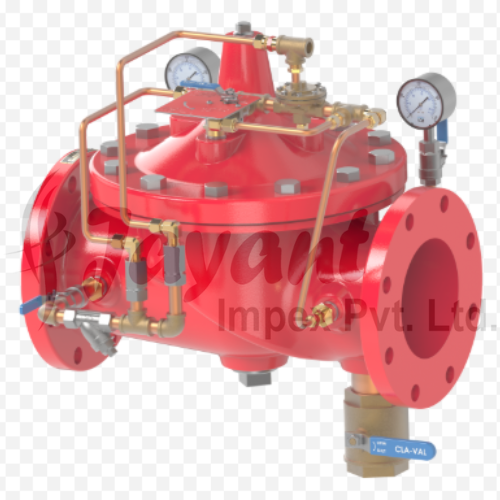
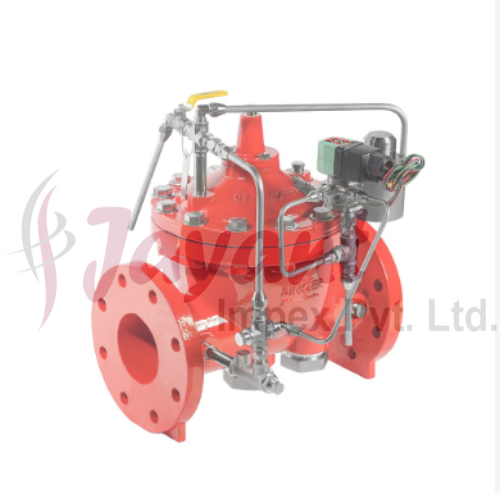

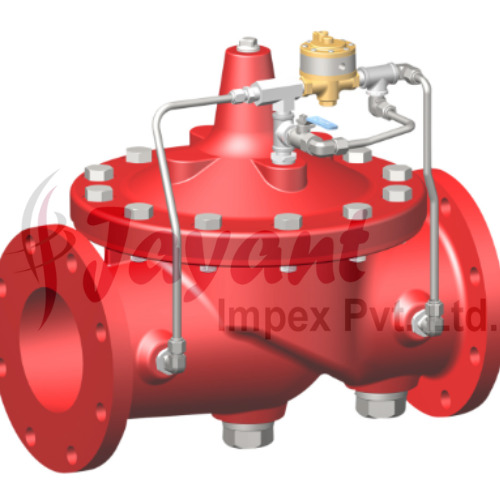
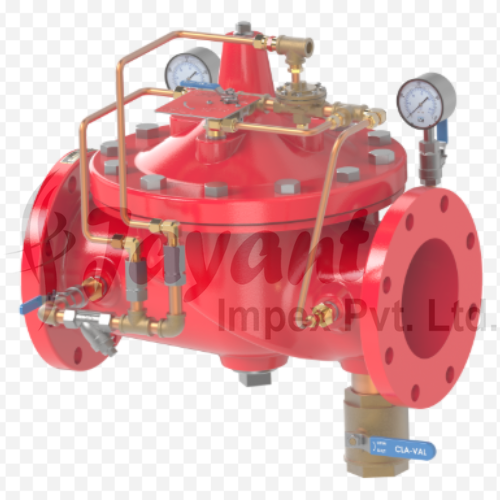

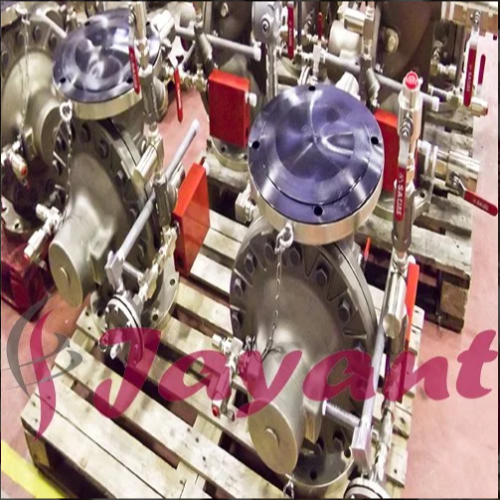
Industrial Deluge Valve / Deluge Valves
50000.0 INR/Set
Product Details:
- Valve Type Hydraulically Actuated Deluge Valve
- Features Resettable, Compact Design, Trouble-free Maintenance, Corrosion Resistance
- Control System Manual Release, Pneumatic Release, Electric Release (Optional Control Trim)
- Connection Type Flanged Ends as per ANSI/DIN/BS
- Valve Size 3 to 8 (80 mm to 200 mm)
- Material Ductile Iron, Cast Iron, Epoxy Coated
- Sealing Nitrile Rubber, EPDM, Buna-N
- Click to view more
X
Industrial Deluge Valve / Deluge Valves Price And Quantity
- 50000.0 INR/Set
- 1 Set
Industrial Deluge Valve / Deluge Valves Product Specifications
- Fire protection systems, industrial deluge systems, hazardous area fire suppression
- Manual Release, Pneumatic Release, Electric Release (Optional Control Trim)
- Resettable, Compact Design, Trouble-free Maintenance, Corrosion Resistance
- Hydraulic or Pneumatic Actuated (No Electric Power Required)
- 3 to 8 (80 mm to 200 mm)
- Ductile Iron, Cast Iron, Epoxy Coated
- On/Off, Quick Opening Deluge Valve
- Flanged Ends as per ANSI/DIN/BS
- Not Applicable (Mechanical/Manual Operation)
- -10C to 80C (standard); High temperature models available
- Diaphragm/Clapper Seated Valve Body
- Hydraulically Actuated Deluge Valve
- Nitrile Rubber, EPDM, Buna-N
- Maximum Working Pressure: 12 bar (175 psi)
- DN80, DN100, DN150, DN200 (Customized size available)
- Corrosion Resistant Metal Disc
- Water, Foam-Water Solution
- Standard Flanged Connection Pins
- FM Approved, UL Listed, meets NFPA 15/16/13 guidelines
- Long service life with minimal maintenance
- Pressure gauge, Priming chamber, Solenoid release, Alarm device (optional)
- Fusion Bonded Epoxy Coated
- Horizontal or Vertical
- External Manual Reset Mechanism
- Trim equipped with Pressure Switch & Drip Check for remote supervision
Product Description
An Industrial Deluge Valve is a quick-release, hydraulic control valve used in fixed fire protection systems. It acts as the central master switch for a deluge sprinkler system.
Unlike standard commercial fire sprinklerswhere individual heads contain heat-sensitive glass bulbs that pop one by onea deluge system uses open spray nozzles. The piping network is completely dry and open to the atmosphere. When the deluge valve trips, it floods the entire piping network, discharging water or foam from every single nozzle simultaneously to blanket a high-hazard zone.
How a Deluge Valve Operates
Most industrial deluge valves use a diaphragm-style or clapper-style design held shut by differential hydraulic pressure.
-
The Set (Closed) Position: Water from the main fire supply line is fed into a small priming chamber above the diaphragm through a restricted bypass line. Because the surface area of the diaphragm facing the priming chamber is larger than the area facing the inlet pressure, the high pressure in the priming chamber holds the valve tightly closed.
-
The Tripping Event: To open the valve, the water pressure trapped in the priming chamber must be evacuated faster than it can refill through the restriction line.
-
The Deluge (Open) Position: As soon as a release system vents the priming chamber, the main water supply pressure easily pushes the diaphragm or clapper up. Water rushes from the Inlet to the Outlet, filling the dry overhead pipes and discharging across the hazard zone.
Actuation (Trimming) Systems
Deluge valves do not work alone; they are surrounded by an external piping arrangement called a trim kit. The trim contains the mechanisms that release the priming chamber pressure. There are three primary actuation methods:
-
Electric Release: A fire detection system (smoke, heat, or flame detectors) sends a signal to a fire alarm control panel, which energizes a solenoid valve on the trim kit. The solenoid opens, venting the priming chamber.
-
Pneumatic / Hydraulic Dry Pilot Line: A network of closed pilot lines filled with compressed air or pressurized water runs across the protected area. If a fire melts a pilot nozzle plug, the air/water pressure drops, automatically opening a pneumatic actuator valve on the deluge trim.
-
Manual Emergency Release: Every industrial deluge valve includes a manual pull-station or mechanical emergency valve on the trim that an operator can flip to vent the priming chamber manually.
Technical Specifications & Standards
Because these valves are part of life-safety infrastructure, they are heavily regulated by bodies like UL (Underwriters Laboratories) and FM (Factory Mutual) Approvals, conforming to standards like NFPA 13 and NFPA 15.
1. Materials of Construction
-
Body: Typically Ductile Iron (ASTM A536) for standard freshwater systems. For marine environments, offshore platforms, or brackish water setups, bodies are cast from Nickel Aluminum Bronze (ASTM B148) or Duplex Stainless Steel.
-
Internal Trim/Tubing: Stainless steel (316) or high-grade brass to prevent corrosion from sitting water.
-
Diaphragm: High-strength, nylon-reinforced nitrile rubber or EPDM elastomer.
2. Operational Metrics
-
Working Pressure Rating: Typically 12 to 21 bar (175 to 300 psi) depending on the flange rating (ANSI Class 150 or PN16).
-
Sizes: Broadly ranges from DN50 (2") up to DN250 (10") to handle high volumetric flow rates.
-
Flange Connections: ASME B16.42, ISO 7005-2, or groove-to-groove connections.
High-Risk Applications
Deluge systems are reserved for severe hazards where a fire can spread faster than localized sprinklers can handle, or where flashover fires are likely:
-
Oil Refineries & Petrochemical Plants: Cooling down bulk storage tanks, spherical gas vessels (LPG/LNG), and distillation columns to prevent structural failure or explosions.
-
Aircraft Hangars: Massive open spaces where jet fuel fires require immediate blanketing with water-foam solutions.
-
Power Plants & Transformers: Protecting high-voltage electrical transformers where oil-filled cooling jackets pose an intense fire hazard.
-
Chemical Processing Warehouses: Isolating volatile chemical storage areas.
Critical Maintenance and Troubleshooting
Deluge valves are notorious for requiring rigorous inspection regimes (NFPA 25 standards) because they must sit passive for years but perform perfectly within seconds.
-
Collar & Orifice Clogging: The restricted priming line contains a small orifice plate or strainer. If rust flakes or biofouling clog this tiny restriction, the priming chamber can't refill after a test, keeping the valve stuck open.
-
Resetting Difficulties: After a trip or a flow test, the downstream drainage valves must be opened completely to drain the overhead pipes. If backpressure remains in the system line, the deluge valve clapper may refuse to latch or seal back down securely.
-
Diaphragm Set / Deformation: Left closed under high pressure for years, elastomers can bond or stick to the valve seat. Annual partial flow or trip testing is mandatory to flex the rubber and verify the valve will actually lift when pressure drops.
Engineered for Industrial Fire Protection
Our deluge valves are purpose-built for the harsh demands of industrial and hazardous area fire suppression. The fusion bonded epoxy coating provides long-lasting resistance to corrosion, while certifications to FM, UL, and NFPA standards guarantee reliability in critical applications from chemical plants to storage warehouses. With models suitable for water or foam-water solution, these valves are integral to effective deluge and fire protection systems.
Versatile Installation and Superior Supervision
Whether you require horizontal or vertical mounting, our deluge valves accommodate various installation needs. Each unit includes an external reset, pressure switch, drip check, and a selection of accessories for tailored control. Remote supervision and easy maintenance are facilitated by thoughtful design, ensuring seamless operation and prompt issue detection.
Customizable and Maintenance-Friendly Design
Available in multiple port and valve sizes (DN80 to DN200), our valves cater to standard and custom applications. Featuring a compact, resettable structure with diaphragm or clapper seated bodies, they are designed for both ease of installation and ongoing, trouble-free upkeep, ensuring operational efficiency and safety in firefighting infrastructures.
FAQ's of Industrial Deluge Valve / Deluge Valves:
Q: How does the fusion bonded epoxy coating benefit deluge valve performance?
A: The fusion bonded epoxy coating enhances corrosion resistance, significantly extending the service life of the deluge valve, especially in harsh industrial and outdoor environments. This minimizes maintenance frequency and protects the internal components from rust and deterioration.Q: What standards and approvals does the deluge valve meet, and why are they important?
A: The deluge valve is FM Approved, UL Listed, and meets NFPA 15, 16, and 13 guidelines. These certifications assure users that the valve meets stringent safety, quality, and performance requirements, which are essential for reliable fire protection in industrial settings.Q: Where can this deluge valve be installed, and what installation orientations are supported?
A: This valve is versatile and can be installed in both horizontal and vertical orientations. Typical installation sites include industrial fire protection systems, hazardous area suppression setups, and foam-water deluge systems in a variety of industries.Q: What is the process for resetting the deluge valve after activation?
A: After activation, the valve is easily reset using the external manual reset mechanism provided on all models. This allows the system to be quickly restored to its ready state without complex procedures or disassembly.Q: What supervision and monitoring features are included for remote management?
A: Each valve is equipped with a pressure switch and drip check to enable remote supervision. These features allow users to monitor system status and respond quickly to any changes or faults from a distance.Q: What types of actuation and control mechanisms are available for this valve?
A: The valve supports hydraulic, pneumatic, and optional electric releases (with control trim), ensuring adaptability to different system requirements and eliminating reliance on electric power for basic operation.Q: How does the design facilitate long service life and easy maintenance?
A: With corrosion-resistant materials, compact construction, and resettable mechanisms, the valve is engineered for minimal maintenance over many years of operation. Accessories like priming chambers and pressure gauges further simplify regular checks and upkeep.Tell us about your requirement

Price:
Quantity
Select Unit
- 50
- 100
- 200
- 250
- 500
- 1000+
Additional detail
Mobile number
Email

Other Products in 'Valves' category


JAYANT IMPEX
GST : 27AAQFJ5764L1ZJ
GST : 27AAQFJ5764L1ZJ

- 6th, 605, Majestic Shopping Center, Jagannath Shankarseth Road, Girgaon,Mumbai - 400004, Maharashtra, India
- Phone : 08045800544

- Mr Shrenik Prakash Mehta (Director)
- Mobile : 08045800544
-
jayantimpex12@gmail.com


-
Share to



 Send Inquiry
 Send SMS
 Call Me Free
JAYANT IMPEX PVT. LTD. All Rights Reserved.(Terms of Use)
Developed and Managed by Infocom Network Private Limited. Terms of use | Returns Policy Member
Developed and Managed by Infocom Network Private Limited. Terms of use | Returns Policy Member
