 English
 Spanish
 French
 German
 Italian
 Chinese (Simplified)
 Japanese
 Korean
 Arabic
 Portuguese
 Call Us : 08045800544
 Call Us : 08045800544
 Get a Quote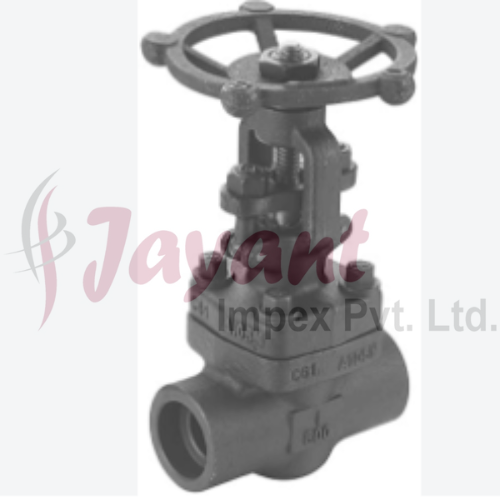
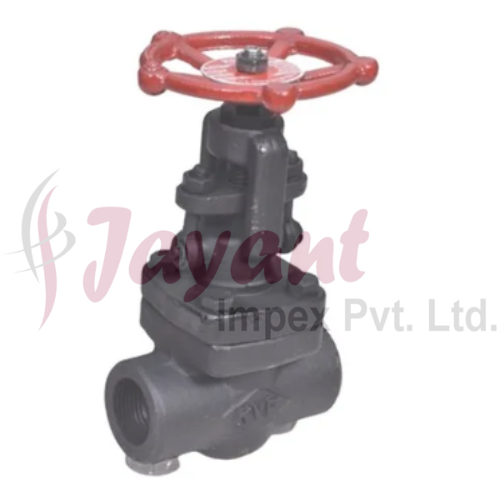

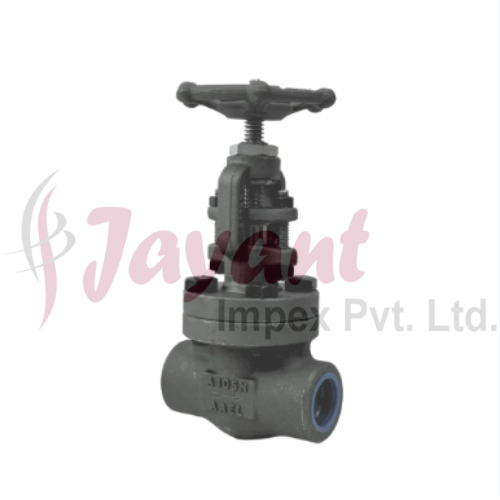
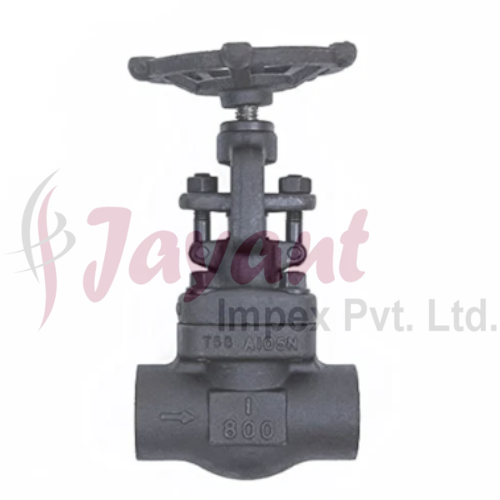
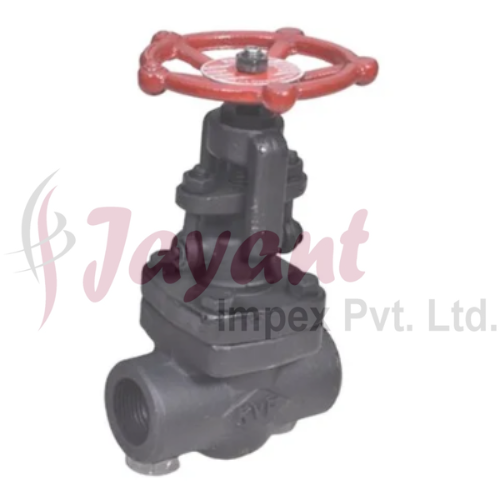
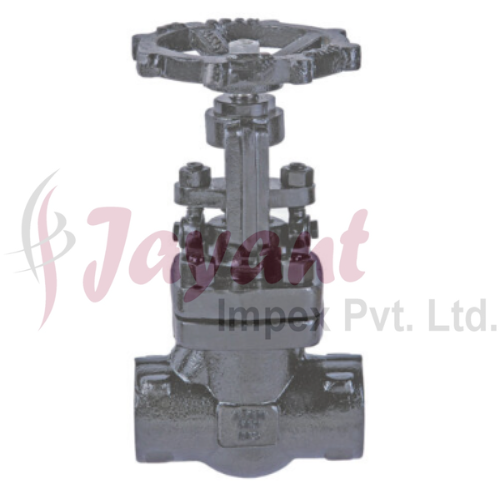
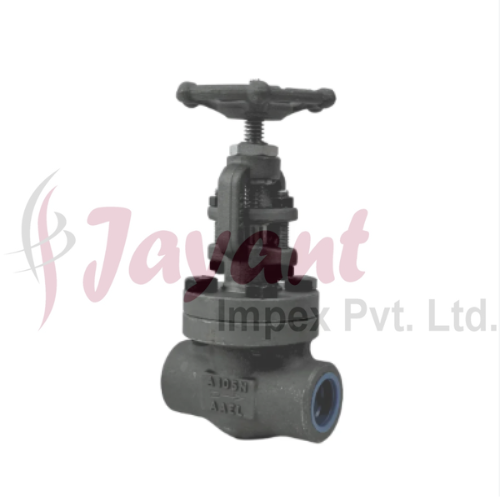
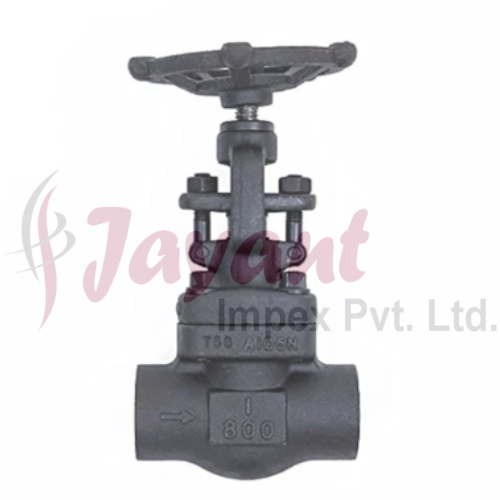
Carbon Steel Globe Valve / Forged & Cast Globe Valve
466.0 INR/Piece
Product Details:
- Valve Size DN15 to DN600 / 1/2 to 24
- Features Rugged Design, Corrosion Resistant, Low Maintenance, Precise Flow Control, Leak Proof
- Control System Manual Handwheel, Gear, Pneumatic or Electric Actuator
- Connection Type Flanged Ends / Butt Weld / Socket Weld / Screwed Ends
- Material Carbon Steel (ASTM A105 / ASTM A216 WCB)
- Valve Type Globe Valve
- Application Industrial, Power Plant, Oil & Gas, Petroleum, Water, Chemical, Steam, High-Temperature Services
- Click to view more
X
Carbon Steel Globe Valve / Forged & Cast Globe Valve Price And Quantity
- 466.0 INR/Piece
- 1 Piece
Carbon Steel Globe Valve / Forged & Cast Globe Valve Product Specifications
- Customized for Actuated Types
- -29C to 425C (Carbon Steel Body)
- Carbon Steel (ASTM A105 / ASTM A216 WCB)
- Globe Valve
- Water, Oil, Gas, Steam
- Forged and Cast Globe Valve
- Metal-to-Metal / Soft Seated
- Plug / Ball / Needle / Parabolic
- Flanged Ends / Butt Weld / Socket Weld / Screwed Ends
- Globe Type
- Manual, Pneumatic, Electric
- 1/2 inch to 24 inch
- Industrial, Power Plant, Oil & Gas, Petroleum, Water, Chemical, Steam, High-Temperature Services
- DN15 to DN600 / 1/2 to 24
- Rugged Design, Corrosion Resistant, Low Maintenance, Precise Flow Control, Leak Proof
- Manual Handwheel, Gear, Pneumatic or Electric Actuator
- Class 150 - 2500 / PN10 - PN420
- ASME B16.10
- Graphite / PTFE
- Anti-Corrosive Epoxy Painted / Customized
- ASME B16.5 (Flanged), ASME B16.11 (Socket Weld), ASME B1.20.1 (Screwed)
- Bolted Bonnet, Welded Bonnet, Pressure Seal Bonnet
- Rising Stem, Non-Rising Handwheel
- Acids, Alkalis, Gases, Water, Oil
- API 598
- 13Cr, F6a, F304, F316 or Equivalent
Product Description
1. Manufacturing Process & Material Integrity
The fundamental difference lies in how the valve body is shaped, which alters the grain structure of the steel.
-
Forged Globe Valves: Created by heating a solid steel billet and shaping it under immense localized compressive forces (using hammers or dies). This process refines the grain structure of the carbon steel, aligning it with the geometry of the valve. It eliminates internal porosity, gas pockets, and cooling voids.
-
Cast Globe Valves: Produced by pouring molten steel into a mold cavity. As the liquid metal cools, it solidifies into the shape of the valve body. This allows for complex internal geometries, such as the classic "S-shaped" fluid path characteristic of globe valves, but leaves the material susceptible to microscopic casting defects (porosity, shrinkage, and sand inclusions).
2. Technical Comparison: Forged vs. Cast
The trade-offs between these two manufacturing styles generally dictate where they can be deployed safely and cost-effectively:
| Feature | Forged Carbon Steel Globe Valves | Cast Carbon Steel Globe Valves |
| Common Standards | API 602, BS 5352, ASME B16.34 | API 623, BS 1873, ASME B16.34 |
| Material Grades | ASTM A105 (Standard ambient/high-temp) ASTM A350 LF2 (Low-temp carbon steel) | ASTM A216 WCB (Standard) ASTM A352 LCC/LCB (Low-temp) |
| Size Range | Typically Small Bore: 1/4" to 2" (DN8 to DN50) Rarely exceeds 4" due to forging equipment limits. | Typically Large Bore: 2" to 24"+ (DN50 to DN600+) Economical and practical for large piping systems. |
| Pressure Ratings | ASME Class 150 up to Class 800, 1500, 2500 | ASME Class 150, 300, 600 Higher classes require extensive non-destructive testing (NDT). |
| End Connections | Socket Weld (SW), Threaded (NPT), Butt-Weld (BW) | Flanged (RF, RTJ), Butt-Weld (BW) |
| Wall Uniformity | Highly uniform, exceptional structural density. | Vulnerable to wall thickness variations and internal defects. |
3. Selecting the Right Valve for Your Application
Because globe valves introduce a high pressure drop ($Delta P$) to force fluid through a tortuous path, the body is subjected to significant turbulent erosion and cyclical mechanical stress.
Go with Forged (e.g., A105) if:
-
You are dealing with high-pressure, high-temperature utilities (like superheated steam header drains or bypass lines).
-
The line size is 2 inches or smaller.
-
The system experiences severe thermal cycling or vibration, where the superior fatigue resistance of a forged grain structure prevents premature body cracking.
Go with Cast (e.g., A216 WCB) if:
-
The line size is 2 inches or larger and requires standard flanged connections.
-
The application involves moderate pressures and temperatures (e.g., cooling water, general hydrocarbon processing, low-pressure steam).
-
You need a highly cost-effective option for large-volume fluid control where the strict tolerances of small-bore forging are unnecessary.
Versatile Application Across Industries
Perfect for deployment in power plants, oil and gas facilities, chemical processing, and water distribution networks, these carbon steel globe valves ensure efficient service in high-pressure and high-temperature environments. Their robust construction enables use in a wide spectrum of working media, such as acids, alkalis, oil, gas, water, and steam, withstanding temperatures from -29C to 425C.
Comprehensive Connection and Operation Options
Choose from flanged, butt weld, socket weld, or screwed ends to suit your system requirements, compliant with international standards including ASME B16.5, B16.11, and B1.20.1. Operation is flexible, supporting manual handwheel, gear, pneumatic, or electric actuators, with voltage customization for automation. Both rising stem and non-rising handwheel mechanisms are available, catering to diverse control preferences.
Engineered for Performance and Durability
Constructed from durable materials such as ASTM A105 and ASTM A216 WCB, these globe valves feature anti-corrosive epoxy coatings for extended service life. Sealing options include metal-to-metal or soft seated for leak-proof performance. The valve's precise flow control, low maintenance needs, and rugged design make it an optimal choice for critical applications where reliability is paramount.
FAQ's of Carbon Steel Globe Valve / Forged & Cast Globe Valve:
Q: How does the carbon steel globe valve ensure precise flow control?
A: The globe valve design, featuring plug, ball, needle, or parabolic discs, provides accurate throttling and regulation of media. The rising stem and carefully engineered trim allow operators fine control over the flow rate, making it suitable for applications requiring precise flow adjustment.Q: What are the typical applications for this carbon steel globe valve?
A: This valve is widely used in industrial sectors such as power plants, oil & gas, chemical processing, petroleum, water treatment, and steam services. Its ability to withstand aggressive chemicals, high pressure, and variable temperatures makes it ideal for demanding operational environments.Q: When should I choose between forged and cast globe valves?
A: Forged globe valves are preferred for smaller sizes and higher-pressure services due to their superior strength and resistance to stress, while cast globe valves are suitable for larger sizes and standard applications. Selection depends on your system size, required pressure class, and specific operational needs.Q: Where can these globe valves be installed?
A: These globe valves can be installed in various pipeline systems handling water, gas, oil, chemicals, and steam in both new and retrofit industrial setups. They are adaptable to different connection types, allowing easy integration within existing or newly designed plants.Q: What is the process for testing and quality assurance of these valves?
A: Each valve undergoes rigorous testing in accordance with API 598 standards. This includes pressure, leakage, and performance tests to ensure reliability and compliance with international quality norms before delivery.Q: How does the anti-corrosive coating benefit the valve's performance?
A: The anti-corrosive epoxy coating (or customized finishing) protects the carbon steel body from rust and chemical attack, extending the valve's operational life and reducing maintenance frequency, especially in harsh or corrosive environments.Tell us about your requirement

Price:
Quantity
Select Unit
- 50
- 100
- 200
- 250
- 500
- 1000+
Additional detail
Mobile number
Email

Other Products in 'Valves' category



JAYANT IMPEX
GST : 27AAQFJ5764L1ZJ
GST : 27AAQFJ5764L1ZJ

- 6th, 605, Majestic Shopping Center, Jagannath Shankarseth Road, Girgaon,Mumbai - 400004, Maharashtra, India
- Phone : 08045800544

- Mr Shrenik Prakash Mehta (Director)
- Mobile : 08045800544
-
jayantimpex12@gmail.com


-
Share to



 Send Inquiry
 Send SMS
 Call Me Free
JAYANT IMPEX PVT. LTD. All Rights Reserved.(Terms of Use)
Developed and Managed by Infocom Network Private Limited. Terms of use | Returns Policy Member
Developed and Managed by Infocom Network Private Limited. Terms of use | Returns Policy Member
