 English
 Spanish
 French
 German
 Italian
 Chinese (Simplified)
 Japanese
 Korean
 Arabic
 Portuguese
 Call Us : 08045800544
 Call Us : 08045800544
 Get a Quote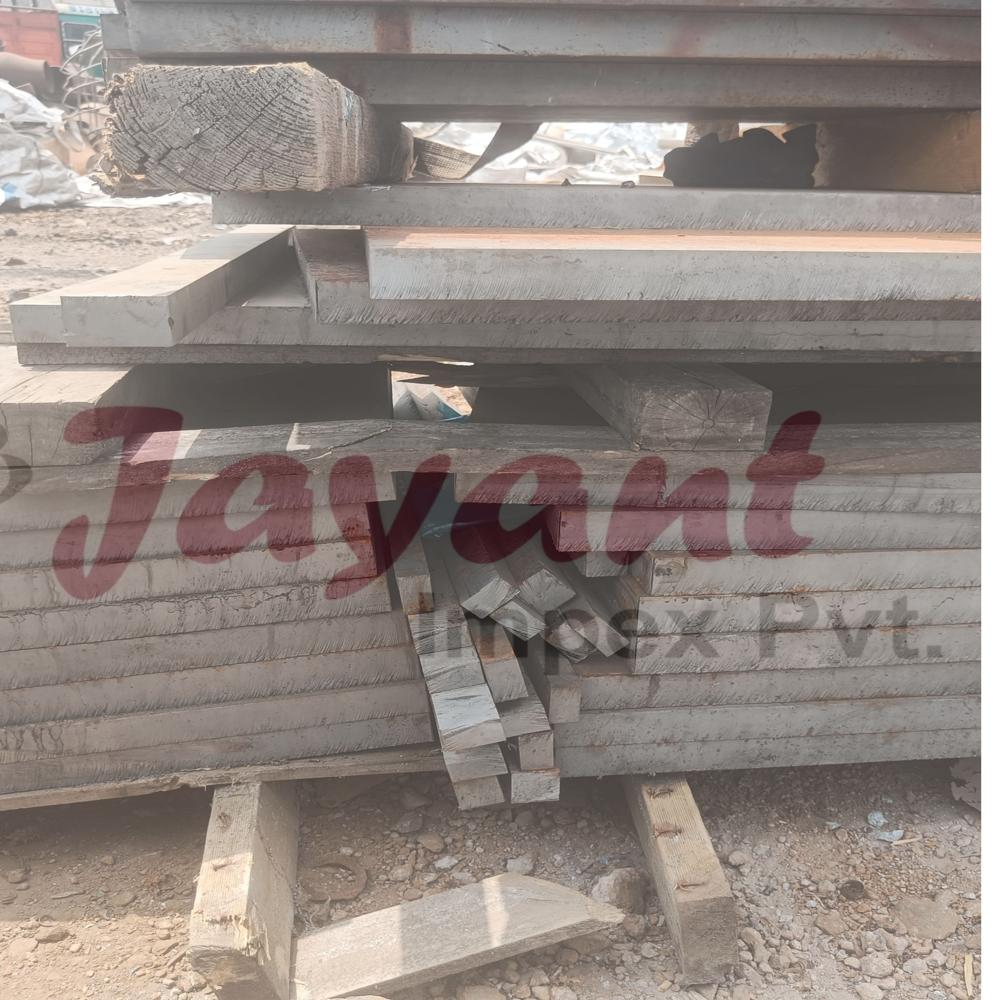
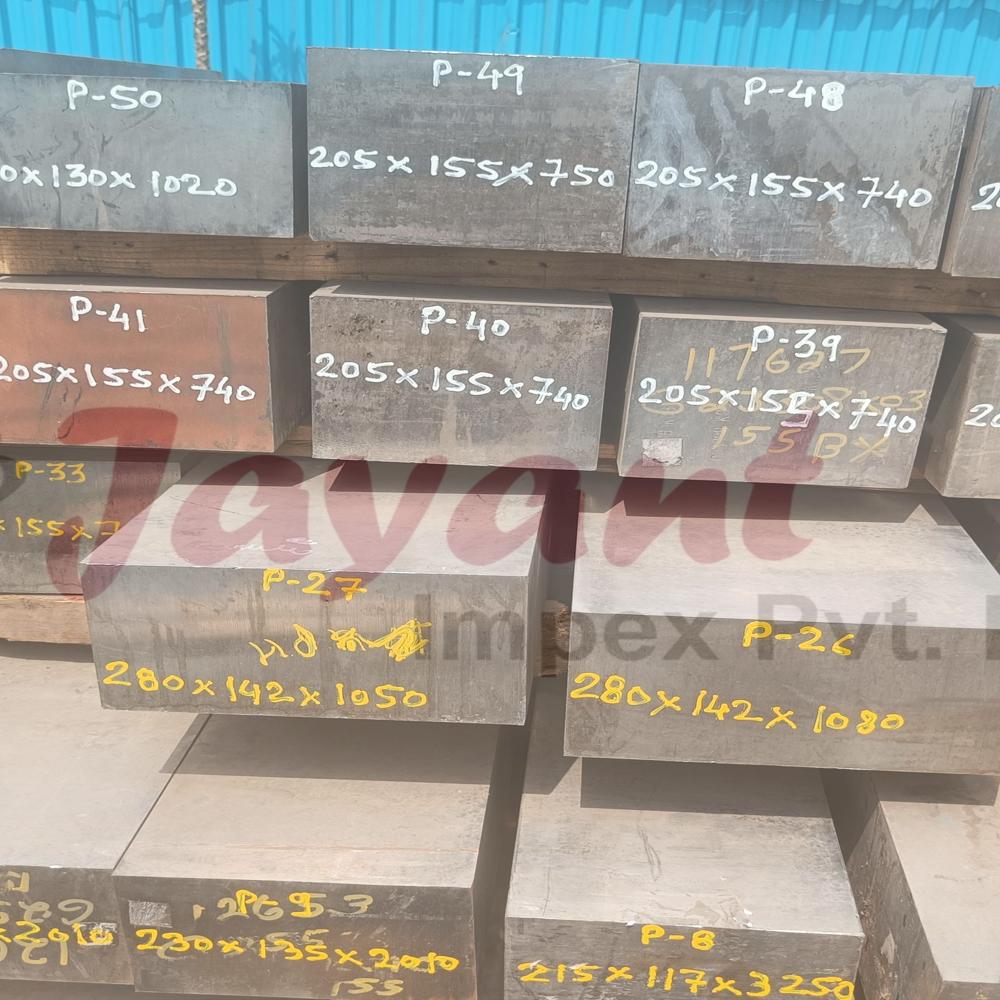
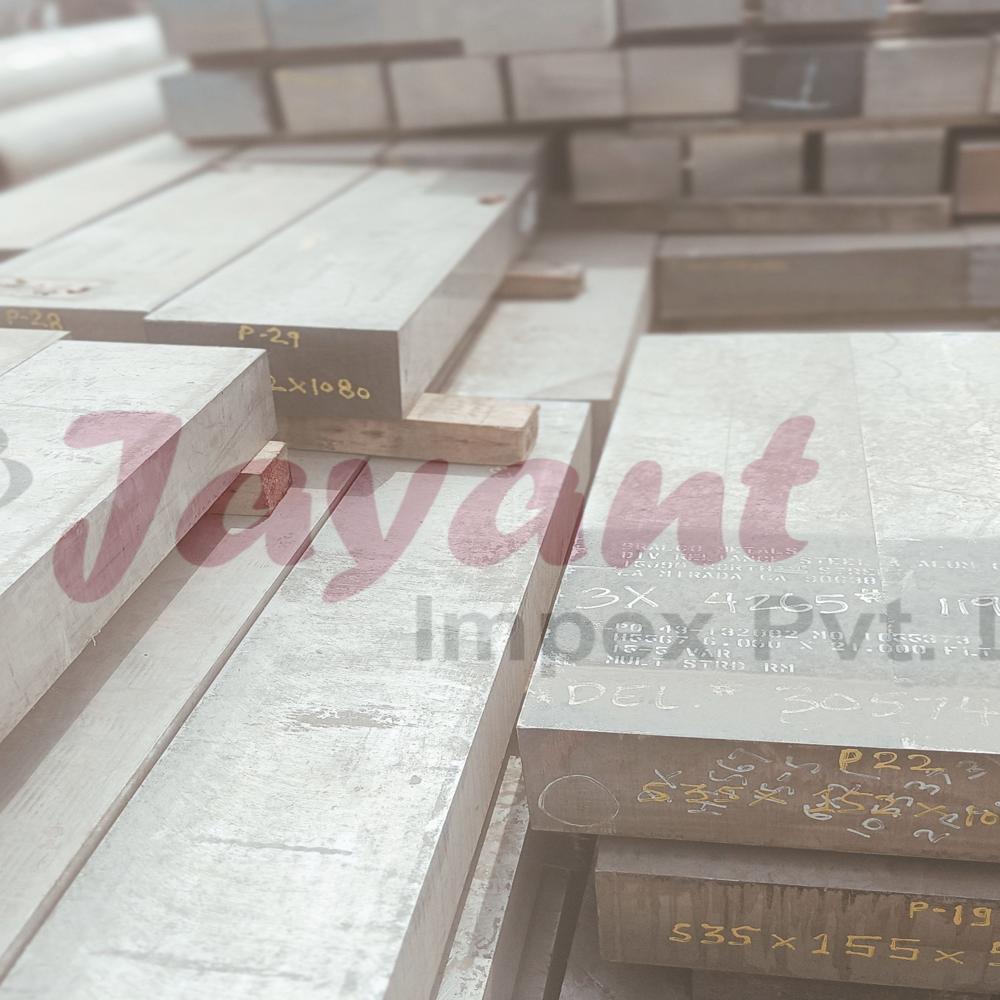
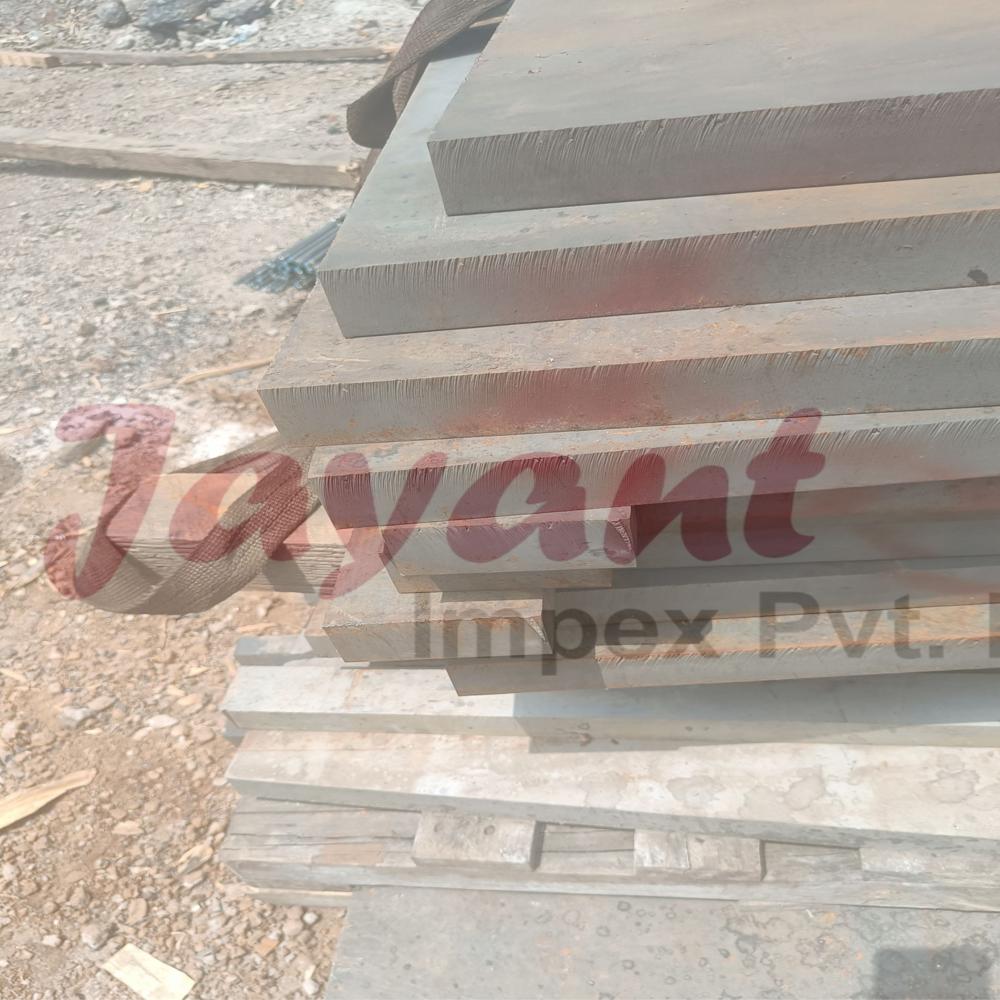
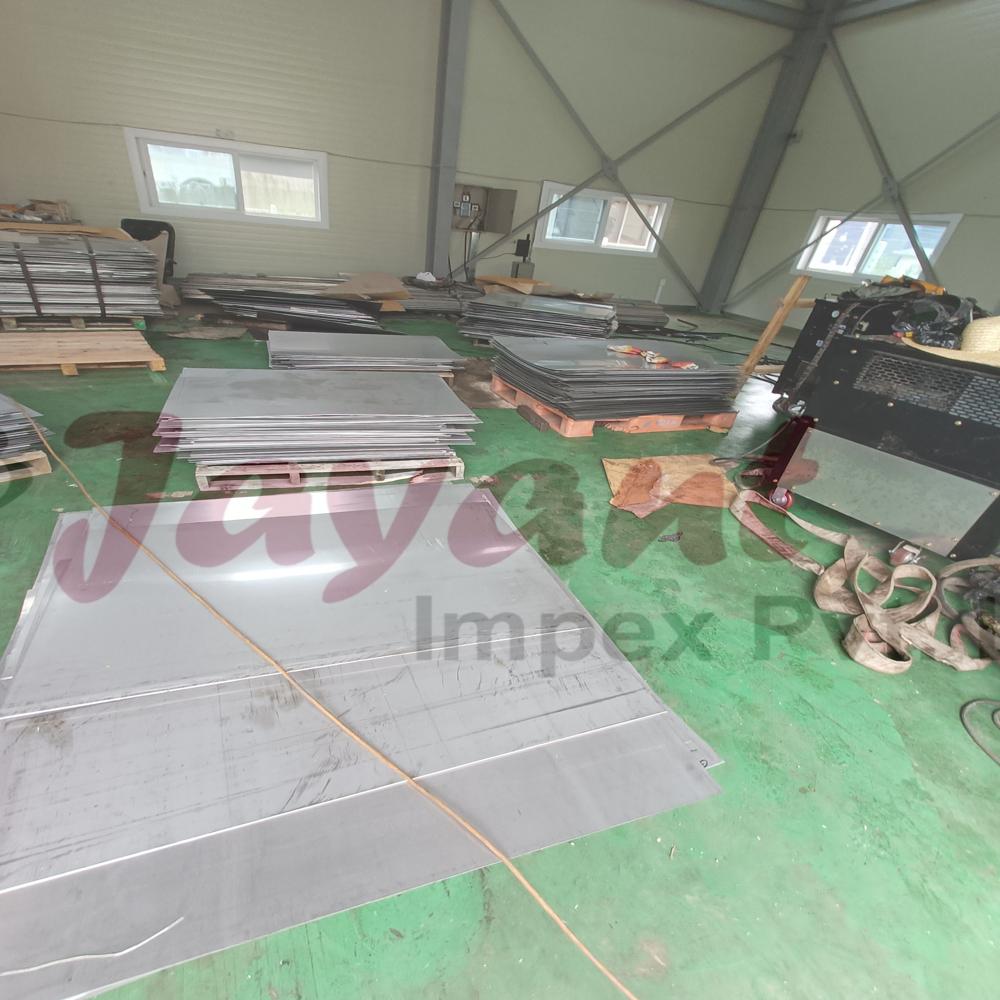
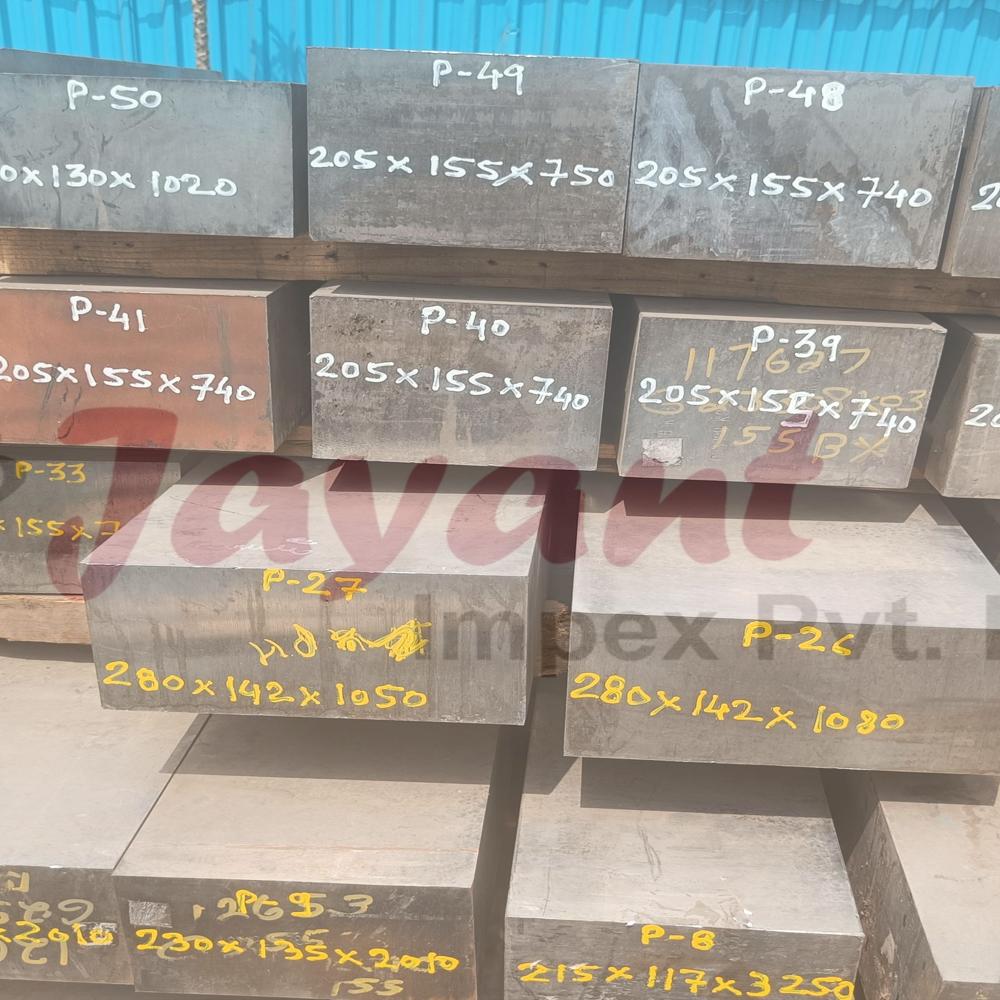
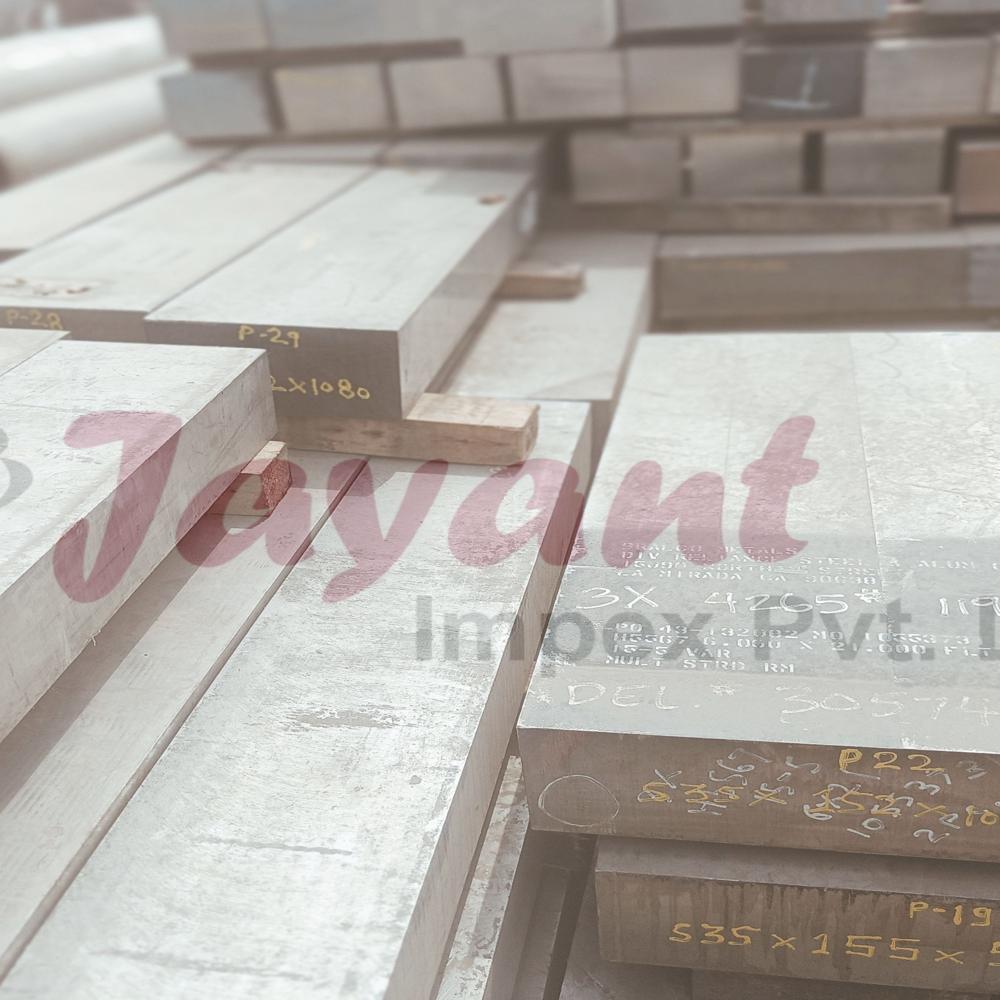
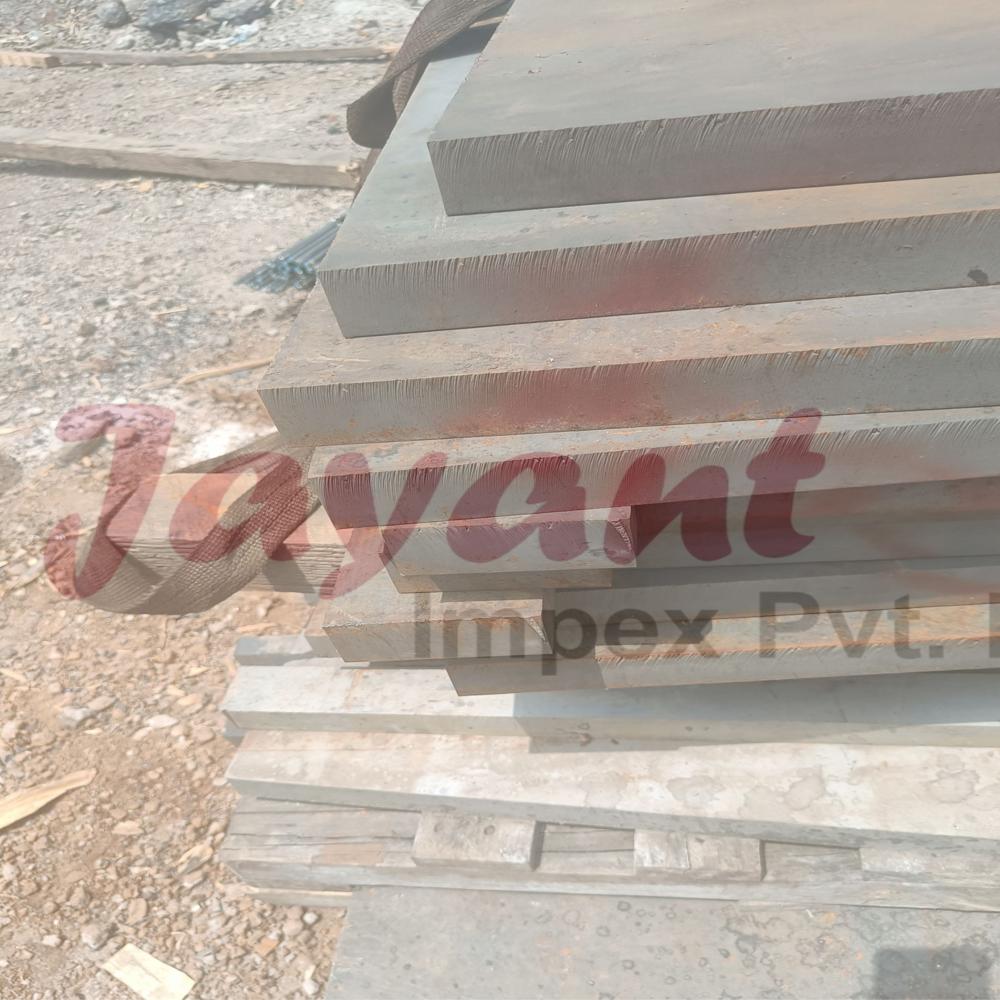
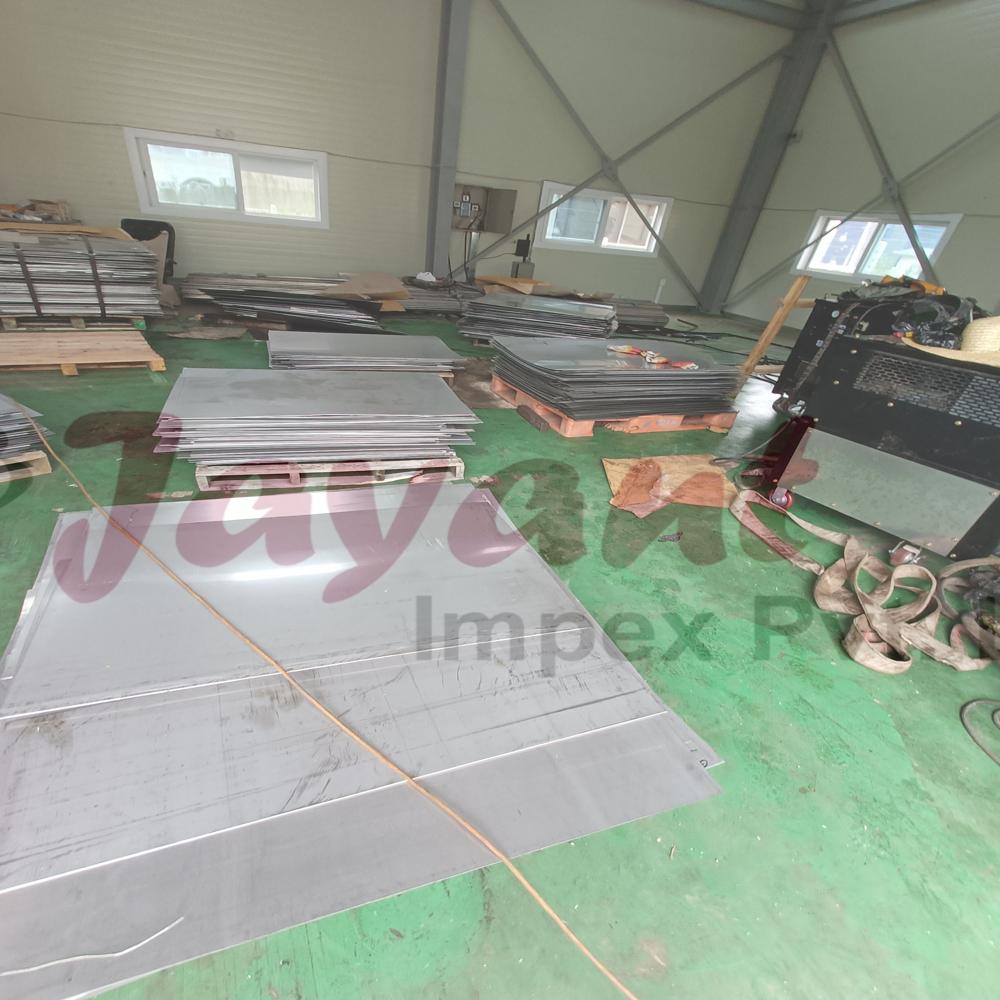
JIS 5082 Plates - AFNOR 5183 Plate, Sheets, Blocks
430.0 INR/Piece
Product Details:
- Diameter NA (Plates, Sheets, Blocks)
- Product Form Plates, Sheets, Blocks
- Corrosion Resistant Excellent
- Hardness 55-65 HRB
- Coating Type Uncoated/Mill Finish
- Heat Resistance Yes
- Recyclable Yes
- Click to view more
X
JIS 5082 Plates - AFNOR 5183 Plate, Sheets, Blocks Price And Quantity
- 1000 Piece
- 430.0 INR/Piece
JIS 5082 Plates - AFNOR 5183 Plate, Sheets, Blocks Product Specifications
- Smooth, Mill Finish
- Mill Finish, Polished
- Uncoated/Mill Finish
- Reddish Brown
- NA (Plates, Sheets, Blocks)
- 55-65 HRB
- Customized as per dimensions
- Copper alloy
- Plates, Sheets, Blocks
- Excellent
- Width: 300 mm to 2000 mm, Length: up to 6000 mm
- Non-ferrous (Copper Alloy)
- JIS 5082 Plates - AFNOR 5183 Plate, Sheets, Blocks
- Yes
- 3 mm to 300 mm
- Yes
- Electrical, General Fabrication, Construction, Busbars, Marine Applications
- JIS H3100, AFNOR 5183
- Min 230 MPa
- As per customer requirement
- C1100, AFNOR 5183
- Copper (min 99.90%), trace elements
- Plate, Sheet, Block
- Flat, Rectangular, Block
- Electrical, switchgear, busbars, transformer, electronics, engineering, construction, general fabrication, and marine industries
- JIS H 3100 C1100, AFNOR 5183
- Min 35%
- Min 98% IACS
- Standard as per order
- As per JIS / AFNOR standards
- Hot Rolled / Cold Rolled
- 8.9 g/cm3
- Good
- Available
- Sharp, Mill, Slit Edges
- Annealed, Half Hard, Hard
- ISO 9001:2015 certified
- Excellent
Product Description
The materials you are referencing belong to the Al-Mg (5000 series) group of aluminum alloys, though they occupy different niches. JIS 5082 is a moderate-to-high strength structural alloy, while AFNOR 5183 is primarily recognized as a high-performance filler material that is also available as plate for specialized structural components.
JIS 5082 - Moderate Strength Structural Alloy
The JIS 5082 (Japanese Industrial Standard) is an Al-Mg alloy that offers a balance of strength and weldability. It is often compared to 5083, though it typically has a slightly different magnesium and manganese ratio.
-
Key Characteristics:
-
Corrosion Resistance: Excellent in marine environments and atmospheric conditions.
-
Formability: Good, especially in the annealed (O) or partially hardened (H32) states.
-
Weldability: Highly weldable with standard MIG/TIG processes.
-
-
Common Equivalents:
-
USA: AA 5082
-
ISO: AlMg4.5 (Close equivalent)
-
WNr: 3.3345
-
Mechanical Properties (Typical for Plates):
| Property | Value |
| Tensile Strength | 270 350 MPa |
| Yield Strength | 120 220 MPa |
| Density | 2.68 g/cm3 |
AFNOR 5183 - High-Magnesium Structural & Filler Alloy
The AFNOR 5183 (French National Standard) is a high-magnesium aluminum alloy ($4.3% - 5.2% text{ Mg}$). While famous as a welding filler rod, it is produced in plates and blocks for applications where the highest possible welded joint strength is required.
-
Key Characteristics:
-
Strength: One of the strongest 5000-series alloys, maintaining high integrity after welding.
-
Low Temperature: Excellent for cryogenic service (retains ductility at $-196{circ}C$).
-
Restriction: Not recommended for continuous service above $65{circ}C$ ($150{circ}F$) due to susceptibility to stress corrosion cracking.
-
-
Common Applications:
-
Cryogenic storage tanks (LNG).
-
High-speed marine craft hulls.
-
Armored vehicle panels.
-
Chemical Composition (AFNOR 5183):
-
Magnesium (Mg): 4.3% 5.2%
-
Manganese (Mn): 0.5% 1.0%
-
Chromium (Cr): 0.05% 0.25%
Comparison: 5082 vs. 5183
| Feature | JIS 5082 | AFNOR 5183 |
| Magnesium Content | 1.0% - 1.5% (Low-Mid) | 4.3% - 5.0% (High) |
| Primary Use | General structural sheets/panels | High-strength welded structures |
| Cryogenic Use | Moderate | Excellent |
| Welding Filler | Not standard |
Superior Conductivity and Performance
With a minimum electrical conductivity of 98% IACS and a copper content of at least 99.90%, JIS 5082 Plates - AFNOR 5183 products are engineered for outstanding electrical efficiency. Their exceptional performance, high mechanical strength, and corrosion resistance make them ideal for busbars, transformers, switchgear, and electronics applications.
Customizable Solutions for Diverse Needs
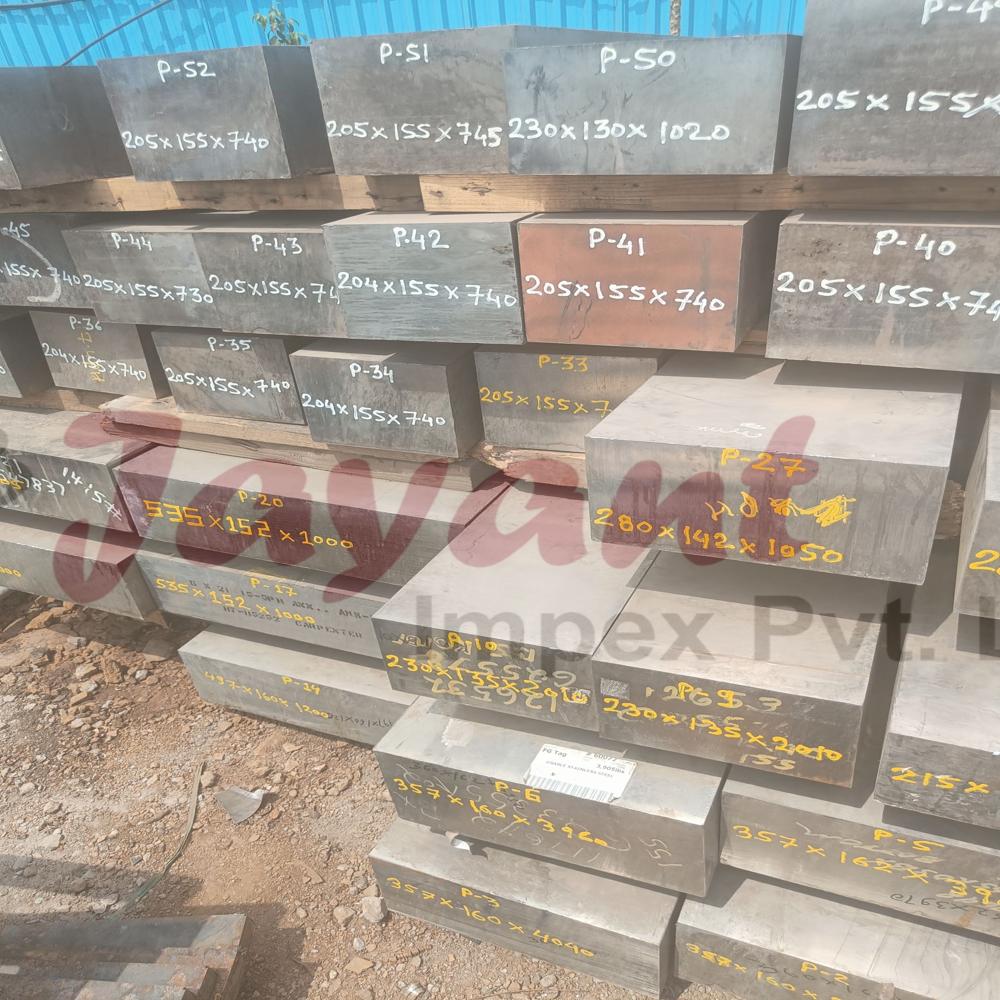
These copper alloy plates, sheets, and blocks are available in a broad range of thicknesses (3 mm to 300 mm), widths, and lengths according to customer specifications. Customers can select from annealed, half-hard, or hard delivery conditions, with sharp, mill, or slit edges and various surface finishes. Precision flatness and dimensional tolerances are in line with stringent JIS/AFNOR standards.
Certified Quality and Sustainable Manufacturing
Manufactured in India to ISO 9001:2015 certified processes, these products adhere strictly to international standards. Their fully recyclable composition aligns with contemporary sustainability goals, while robust quality assurance ensures reliable performance in demanding industrial environments.
FAQ's of JIS 5082 Plates - AFNOR 5183 Plate, Sheets, Blocks:
Q: How are JIS 5082 Plates - AFNOR 5183 Plate, Sheets, and Blocks typically used in industry?
A: These products are widely used in electrical engineering (such as busbars, switchgear, and transformer components), electronics, marine applications, construction, and general fabrication, thanks to their high conductivity, formability, and corrosion resistance.Q: What manufacturing processes are used for these copper alloy products?
A: JIS 5082 Plates and AFNOR 5183 Plates, Sheets, and Blocks are produced through both hot rolled and cold rolled processes, ensuring optimal mechanical properties and surface quality per application requirements.Q: When should I specify the delivery condition (annealed, half hard, hard)?
A: The delivery condition should be chosen based on the intended application and desired mechanical properties. Annealed material is more formable, whereas half hard and hard provide higher strength and wear resistance.Q: Where can custom sizes and edge conditions be requested?
A: Custom dimensions (length, width, thickness) and edge types (sharp, mill, or slit) can be specified when placing an order, ensuring precise fit and optimal performance for your unique project needs.Q: What are the benefits of selecting JIS 5082 Plates - AFNOR 5183 products?
A: Benefits include exceptional conductivity, high mechanical strength, excellent corrosion and heat resistance, good machinability, and compliance with ISO 9001:2015 certified processes. Their recyclable nature supports environmental sustainability.Q: How is flatness and dimensional accuracy ensured?
A: Flatness tolerance and dimensional precision conform strictly to JIS and AFNOR standards, further supported by ISO-certified quality control processes during and after manufacturing.Tell us about your requirement

Price:
Quantity
Select Unit
- 50
- 100
- 200
- 250
- 500
- 1000+
Additional detail
Mobile number
Email

Other Products in 'Steel Sheets And Plate' category
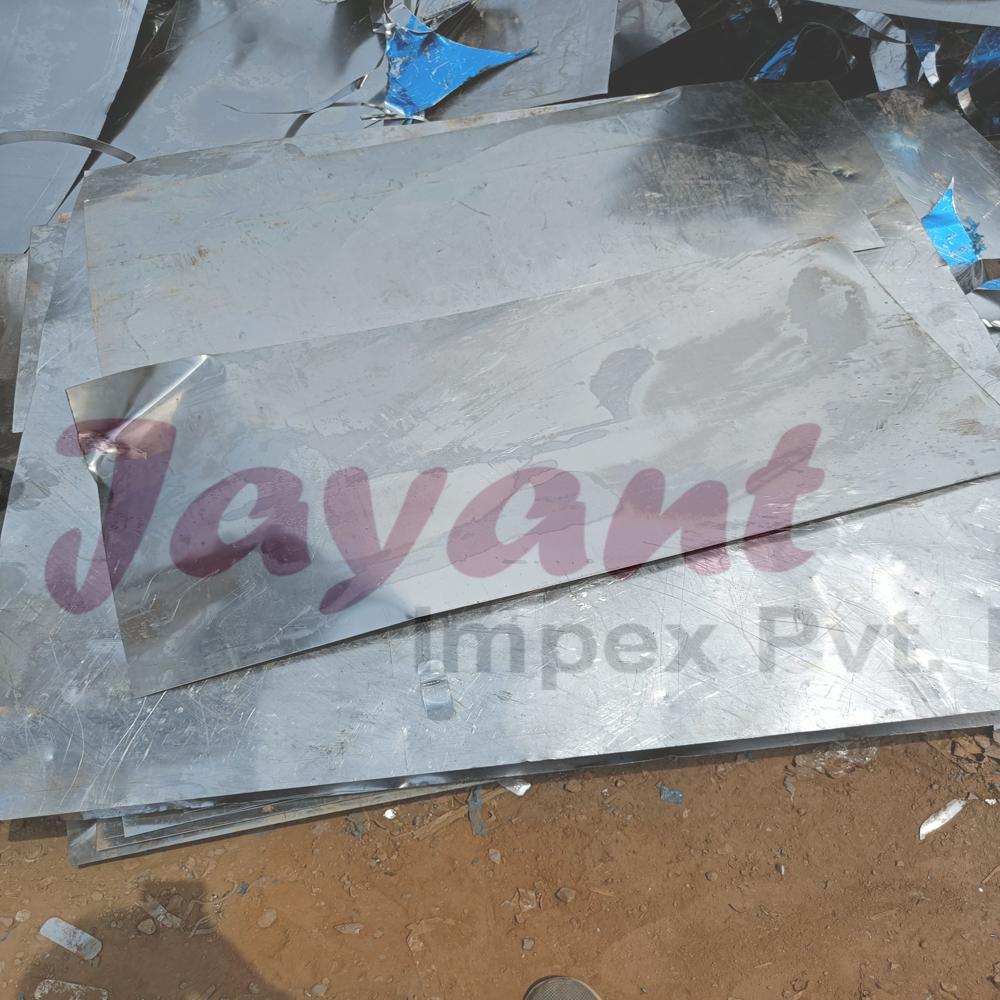
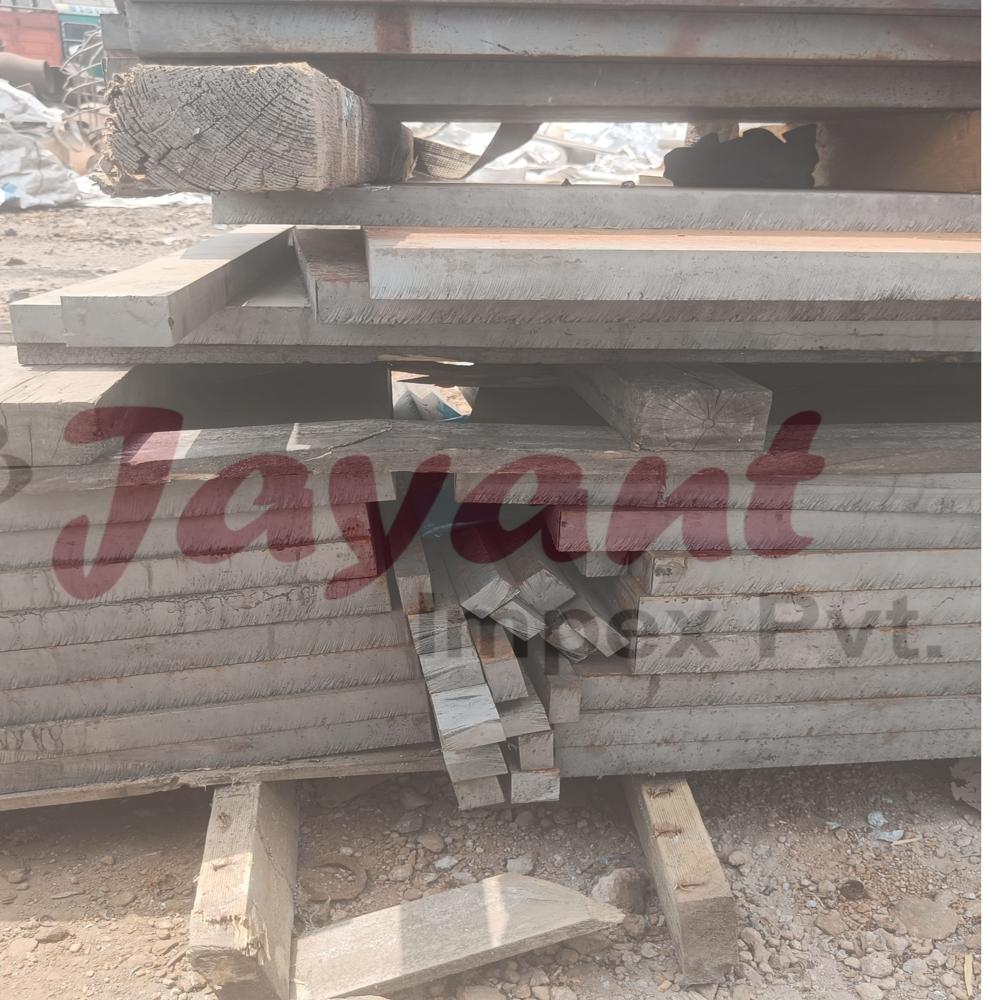
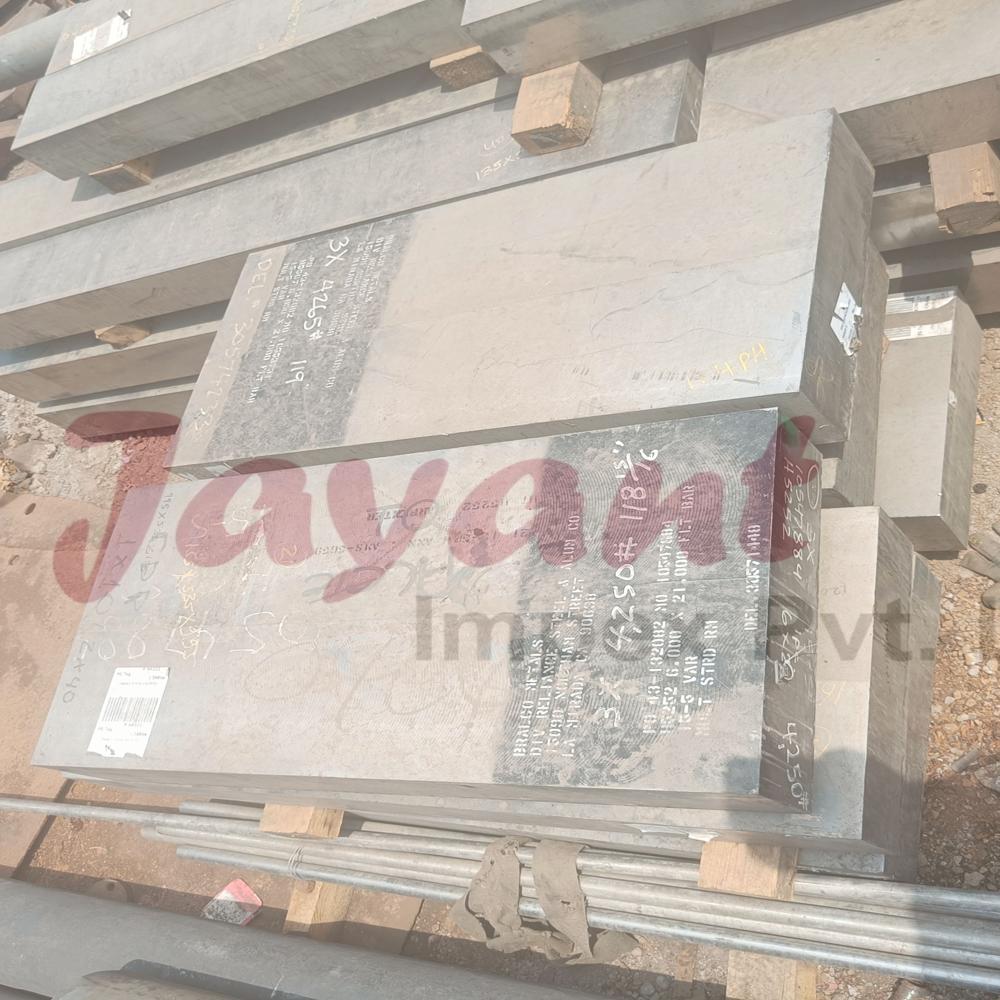

JAYANT IMPEX
GST : 27AAQFJ5764L1ZJ
GST : 27AAQFJ5764L1ZJ

- 6th, 605, Majestic Shopping Center, Jagannath Shankarseth Road, Girgaon,Mumbai - 400004, Maharashtra, India
- Phone : 08045800544

- Mr Shrenik Prakash Mehta (Director)
- Mobile : 08045800544
-
jayantimpex12@gmail.com


-
Share to



 Send Inquiry
 Send SMS
 Call Me Free
JAYANT IMPEX PVT. LTD. All Rights Reserved.(Terms of Use)
Developed and Managed by Infocom Network Private Limited. Terms of use | Returns Policy Member
Developed and Managed by Infocom Network Private Limited. Terms of use | Returns Policy Member
