 English
 Spanish
 French
 German
 Italian
 Chinese (Simplified)
 Japanese
 Korean
 Arabic
 Portuguese
 Call Us : 08045800544
 Call Us : 08045800544
 Get a Quote
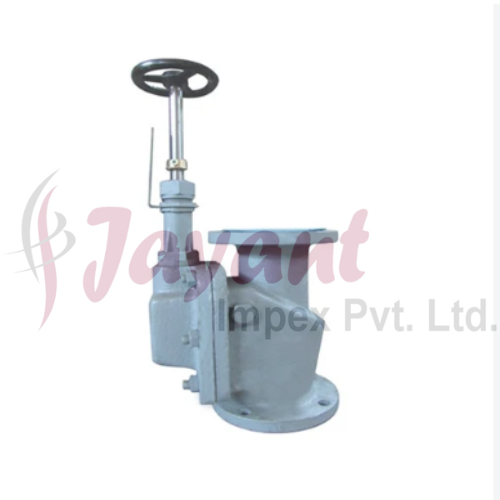

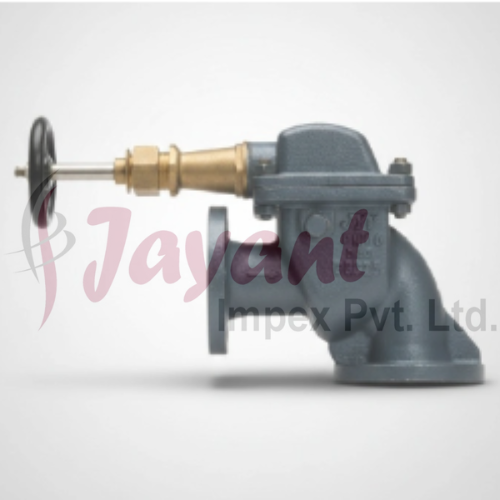
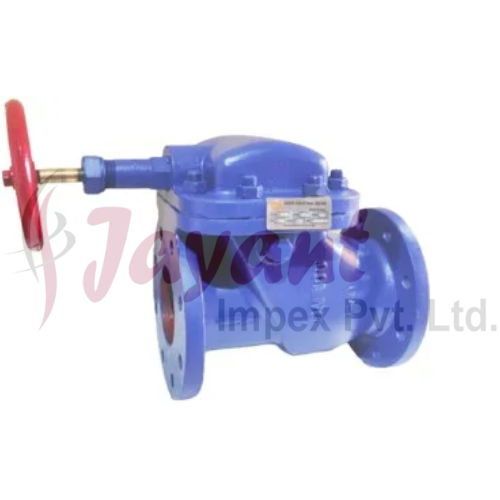
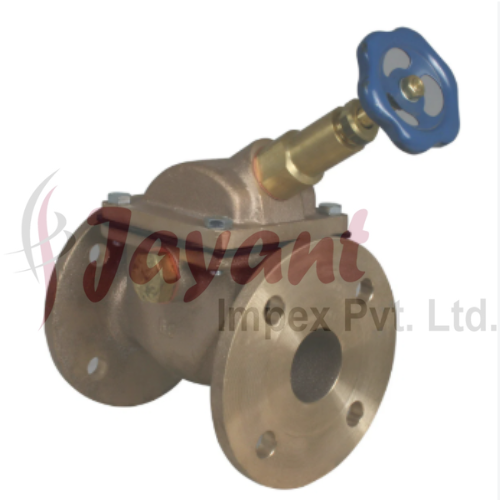
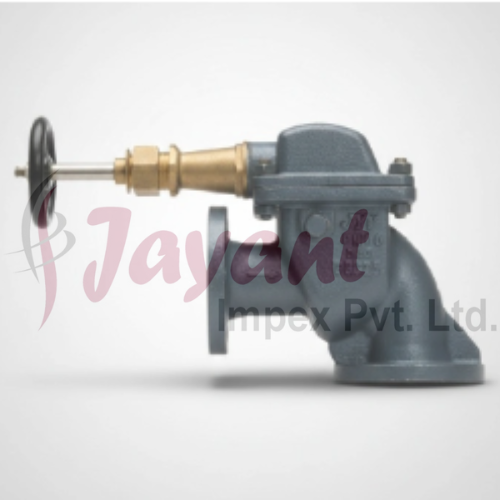
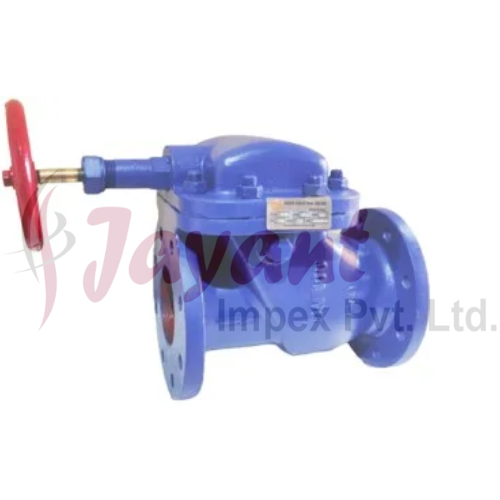
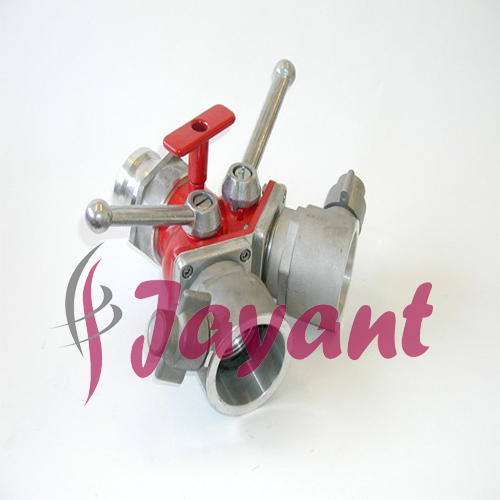
Industrial Storm Valve
2500.0 INR/Pair
Product Details:
- Connection Type Flanged
- Valve Type Flanged End, Industrial Storm Valve
- Control System Manual Lever or Gear Operated
- Material Cast Iron, Ductile Iron
- Valve Size DN50 to DN300
- Features Corrosion resistant coating, High durability, Leak-proof design
- Application Industrial flow control, storm water management, pipeline systems
- Click to view more
X
Industrial Storm Valve Price And Quantity
- 1 Pair
- 2500.0 INR/Pair
Industrial Storm Valve Product Specifications
- Industrial flow control, storm water management, pipeline systems
- Flanged
- Manual Lever or Gear Operated
- Storm Valve
- SS316 Pin
- Flanged End, Industrial Storm Valve
- Manual
- Cast Iron, Ductile Iron
- Water, Sewage, Industrial Liquids
- PN10 / PN16
- -10C to +120C
- DN50 to DN300
- Ductile Iron, Epoxy Coated
- 50mm to 300mm
- Corrosion resistant coating, High durability, Leak-proof design
- Flanged, bolted body with robust sealing
- EPDM/NBR Gasket
- Hydrostatic tested at 1.5 times the working pressure
- Bolted for secure maintenance access
- Adjustable, self-lubricating
- Minimum 250 micron epoxy
- Ergonomic design, corrosion-resistant
- Optimized for easy manual operation
- High grade Cast Iron with epoxy coating
- Wet wells, storm drain channels, outflows
- EN1092-2 Flange Drilling
Product Description
An Industrial Storm Valve (frequently referred to as a marine storm valve or ship side scupper valve) is a heavy-duty, non-return check valve installed on piping systems that discharge overboard or into external drainage environments.
Its primary job is a critical safety function: allow fluids to drain out freely while automatically preventing any backflow (such as seawater, storm surges, or floodwater) from rushing back into the vessel or facility.
Here is an analysis of how they function, their technical specifications, and where they are used.
How it Works
A storm valve operates primarily as a swing check valve, but with a rugged, balanced flap mechanism.
-
Normal Flow (Draining): When wastewater, bilge water, or sewage flows from inside the system, the hydraulic pressure pushes the internal counter-balanced flap (disc) open, allowing fluid to discharge.
-
Reverse Flow (Sealing): If external pressure risessuch as a wave crashing against a ship's hull or a rising tidal storm surgethe external water pushes the flap back against the valve seat. The greater the external pressure, the tighter the valve seals.
-
Manual Override (Closing): Most industrial storm valves feature a handwheel and spindle. This allows operators to manually screw the valve shut, locking the flap tightly against the seat. This provides a positive, watertight seal during severe storms, dry-docking, or maintenance.
Core Types
Storm valves are generally categorized by their structural layout to fit tight piping configurations:
-
Straight Type: The inlet and outlet are perfectly aligned on the same horizontal or vertical axis.
-
Angle Type (90): The fluid enters from the bottom and exits at a right angle through the side. This is highly popular in marine hull applications where piping runs vertically before discharging horizontally through the ship's side.
Technical Specifications & Materials
Because these valves are constantly exposed to highly corrosive environments (saltwater, brackish water, and untreated waste), material selection is tightly controlled by international standards such as JIS F7311/F7312, DIN 86122, or ANSI.
1. Common Materials
| Component | Standard Marine/Industrial | High-Corrosion/Premium |
| Body / Bonnet | Cast Iron (GG25) / Ductile Iron (GGG40.3) | Bronze (RG5 / LG2) or Stainless Steel (316) |
| Flap (Disc) | Bronze or Duplex Stainless Steel | Bronze or Monel |
| Seat Ring | Bronze or NBR/Viton (Resilient Seat) | Stainless Steel or PTFE |
| Stem / Spindle | Brass or Stainless Steel (SUS403) | Marine Grade Stainless Steel (SUS316) |
Material Note: While cast iron is common for dry cargo vessels or mild industrial drainage, Bronze (such as Gunmetal) is heavily favored in seawater applications because it resists biofouling and galvanic corrosion.
2. Pressure and Connection Ratings
-
Pressure Class: Typically rated for low to medium pressure systems, commonly JIS 5K / 10K, PN5 / PN10 / PN16, or ANSI Class 150.
-
Sizes: Generally ranges from nominal diameters of DN50 (2") up to DN300 (12") or larger for main drainage trunks.
-
End Connections: Almost exclusively Flanged to ensure a highly rigid, leak-proof seal against a ship's hull or a storage tank wall.
Critical Applications
-
Marine & Shipbuilding: Installed at the ship's side on sanitary discharges, soil pipes, scuppers (deck drainage), and bilge discharge lines above or near the waterline.
-
Coastal and Estuary Infrastructure: Used in wastewater treatment plants, flood barriers, and pumping stations located in tidal zones to prevent seawater from contaminating fresh treatment systems.
-
Offshore Oil & Gas Platforms: Placed on open deck drainage lines to handle massive rainfall run-offs while blocking ocean spray.
Key Maintenance & Safety Considerations
Because storm valves are a line of defense against flooding, they require routine checks:
-
Flap Freedom: Sediment, barnacles, or marine growth can wedge the flap open. Regular flushing and mechanical checking of the hinge pins are required.
-
Resilient Seat Integrity: If the valve relies on a rubber or soft seat for a tight seal, oil, grease, or chemical waste can degrade the elastomer over time, causing minor weeping or leaking under backpressure.
-
Spindle Packing: The stuffing box around the manual handwheel spindle must be kept greased to ensure that when an operator needs to manually close it in an emergency, it isn't seized.
Engineered for Reliability
Designed with robust materials such as high-grade cast iron and ductile iron, this storm valve withstands harsh industrial environments. The minimum 250-micron epoxy coating prevents corrosion and extends product longevity. Its leak-proof structure and hydrostatic testing ensure reliable operation even under elevated pressure.
Optimized Manual Operation
Operation is user-friendly thanks to the ergonomic handwheel or lever, designed to minimize torque and facilitate easy manual use. The self-lubricating adjustable gland packing further enhances smooth handling, while the bolted top cover allows secure, straightforward maintenance access.
Versatile Application Range
Applicable in wet wells, storm drain channels, outflows, and a wide range of pipeline systems, this valve is ideal for managing water, sewage, and various industrial liquids. Flanged ends (EN1092-2) offer compatibility with standard pipework. Operating in temperatures from -10C to +120C, it's suited for diverse environments.
FAQ's of Industrial Storm Valve:
Q: How is the Industrial Storm Valve installed in a pipeline system?
A: The Industrial Storm Valve features EN1092-2 flanged ends, allowing secure and standardized bolting directly onto pipeline flanges. Its robust body structure and corrosion-resistant coating simplify installation in wet wells, storm water channels, and industrial flow systems.Q: What are the benefits of the high-grade cast iron body with epoxy coating?
A: The cast iron body, combined with a minimum 250-micron epoxy coating, delivers strong mechanical integrity, high corrosion resistance, and durability-making it suitable for tough environmental conditions and extending product lifespan in storm water and industrial applications.Q: When should adjustable gland packing be utilized?
A: Adjustable, self-lubricating gland packing should be adjusted during routine maintenance or if any minor leakage occurs at the stem seal. This design ensures a consistent seal and smooth manual operation over time.Q: Where can the storm valve be effectively applied?
A: This valve is ideal for use in wet wells, storm drain channels, outflows, and various pipeline systems for water, sewage, and industrial liquid control. Its broad temperature range and corrosion resistance make it suitable for both indoor and outdoor environments.Q: What is the process for maintaining the storm valve?
A: Maintenance is simplified with a bolted top cover, which grants easy, secure access to internal components. Periodic inspections and gland packing adjustments keep the valve leak-proof and extend its operational life.Q: How does the valve ensure reliable sealing under pressure?
A: Hydrostatic testing at 1.5 times working pressure, along with EPDM/NBR gaskets and robust design, guarantees superior leak-proof performance during operation-even when exposed to high-pressure surge conditions.Tell us about your requirement

Price:
Quantity
Select Unit
- 50
- 100
- 200
- 250
- 500
- 1000+
Additional detail
Mobile number
Email

Other Products in 'Valves' category



JAYANT IMPEX
GST : 27AAQFJ5764L1ZJ
GST : 27AAQFJ5764L1ZJ

- 6th, 605, Majestic Shopping Center, Jagannath Shankarseth Road, Girgaon,Mumbai - 400004, Maharashtra, India
- Phone : 08045800544

- Mr Shrenik Prakash Mehta (Director)
- Mobile : 08045800544
-
jayantimpex12@gmail.com


-
Share to



 Send Inquiry
 Send SMS
 Call Me Free
JAYANT IMPEX PVT. LTD. All Rights Reserved.(Terms of Use)
Developed and Managed by Infocom Network Private Limited. Terms of use | Returns Policy Member
Developed and Managed by Infocom Network Private Limited. Terms of use | Returns Policy Member
