 English
 Spanish
 French
 German
 Italian
 Chinese (Simplified)
 Japanese
 Korean
 Arabic
 Portuguese
 Call Us : 08045800544
 Call Us : 08045800544
 Get a Quote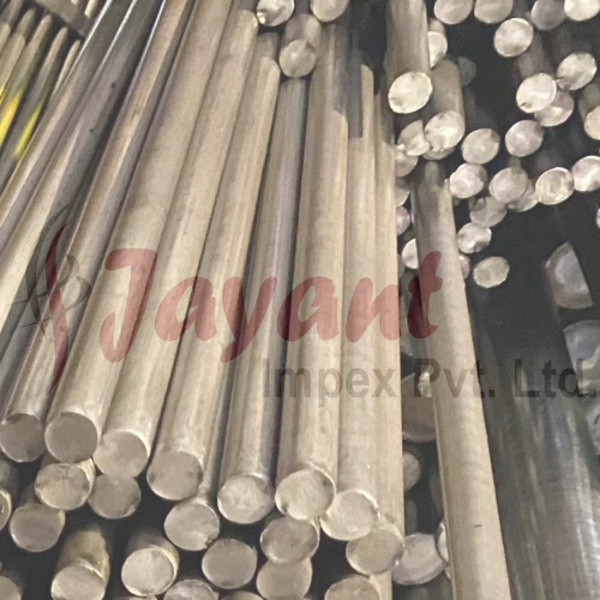
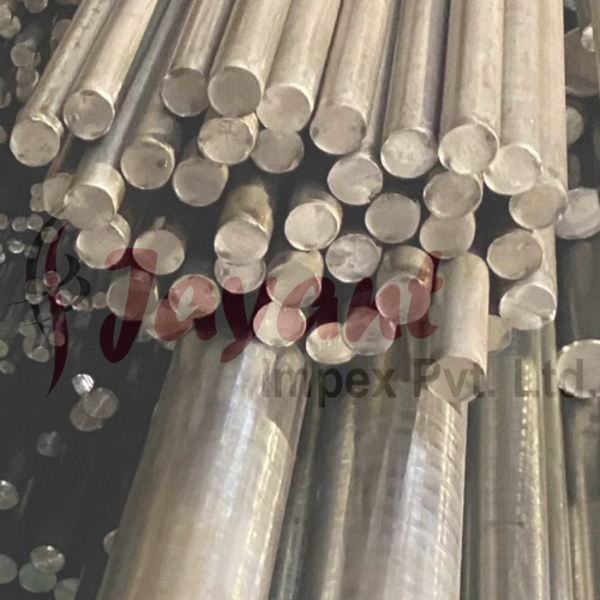
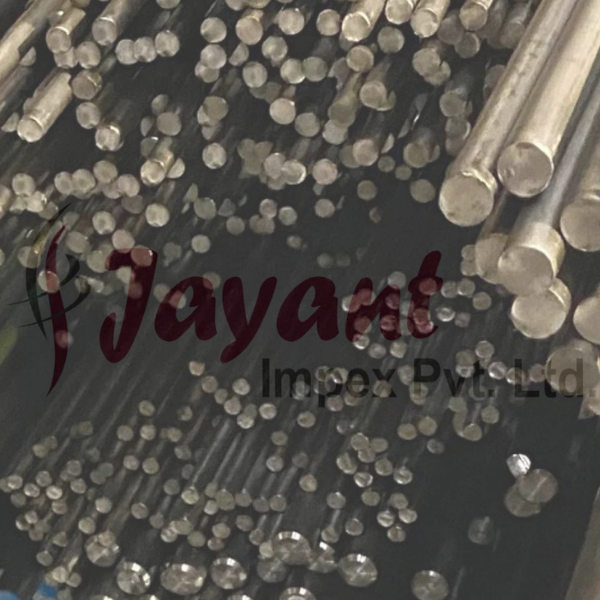
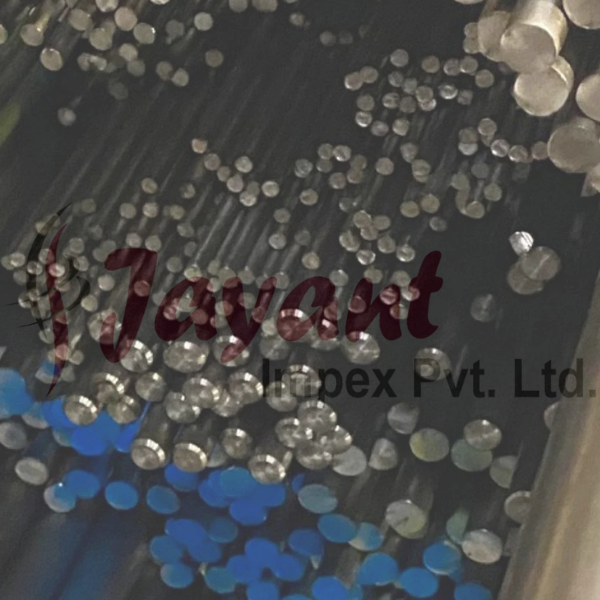
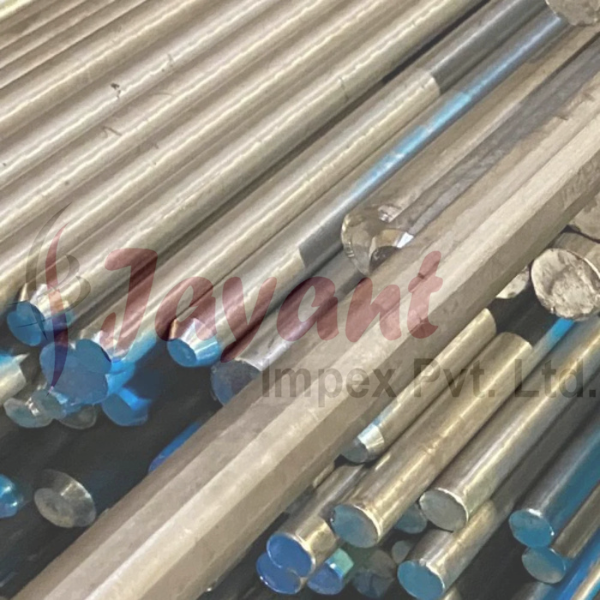
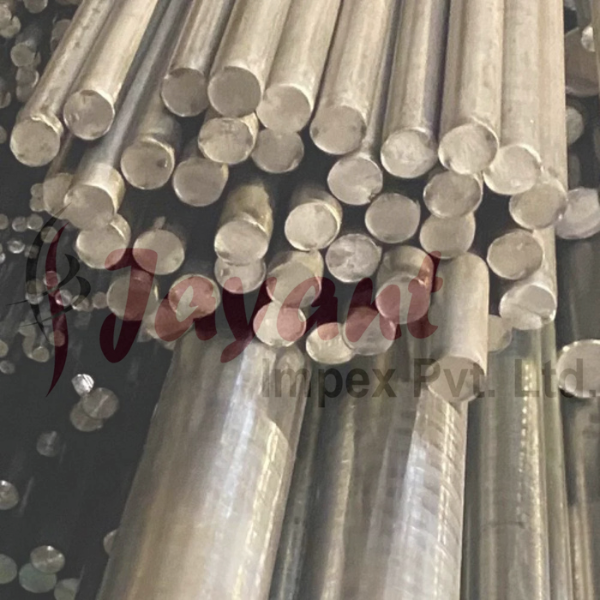
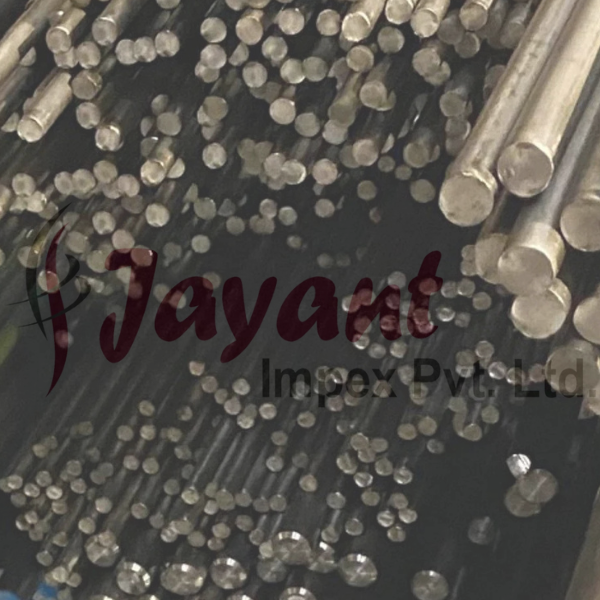
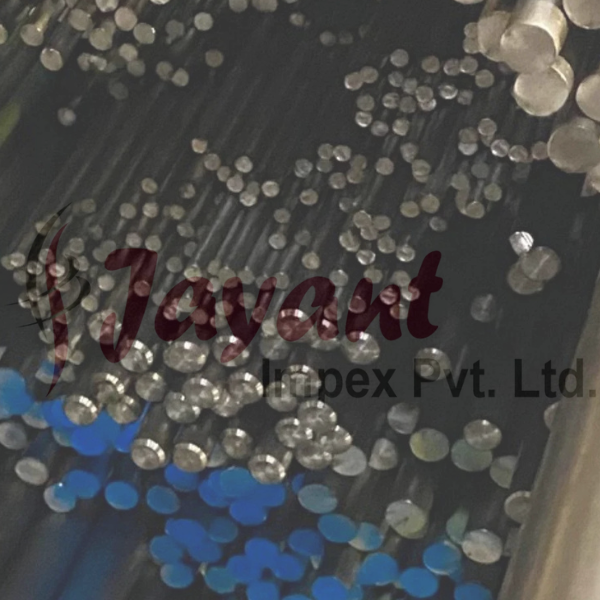
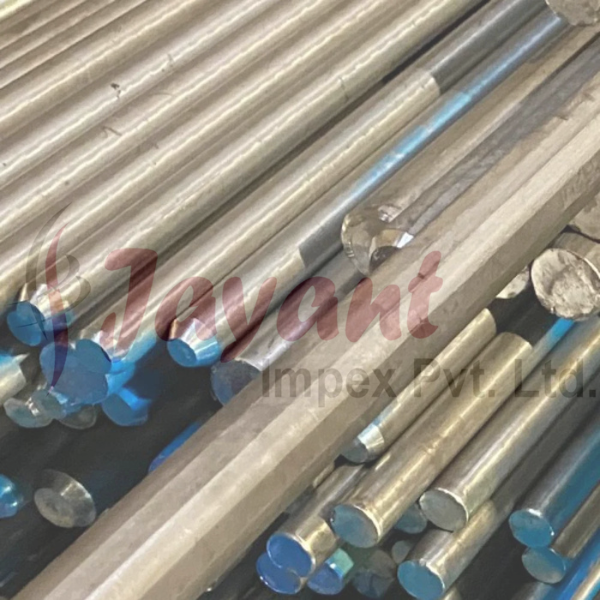
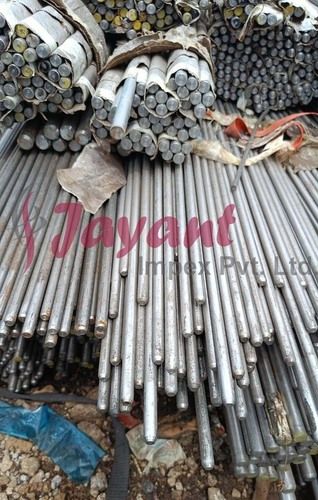
EU EN 17Cr3 Alloy Steel Bar DIN 17Cr3 Round Bars 17Cr3 Rods
95.0 INR/Kilograms
Product Details:
- Finish Bright, Black, Peeled
- Length 2 m to 6 m (customized on request)
- Specific Use Shafts, Gears, Fasteners, and other precision engineering components
- Grade 17Cr3
- Application Construction, Engineering, Automotive Parts, Machinery
- Diameter 5 mm to 350 mm
- Type Round Bar / Rod
- Click to view more
X
EU EN 17Cr3 Alloy Steel Bar DIN 17Cr3 Round Bars 17Cr3 Rods Price And Quantity
- 1 Kilograms
- 95.0 INR/Kilograms
EU EN 17Cr3 Alloy Steel Bar DIN 17Cr3 Round Bars 17Cr3 Rods Product Specifications
- Construction, Engineering, Automotive Parts, Machinery
- 5 mm to 350 mm
- Round Bar / Rod
- Bright, Black, Peeled
- 2 m to 6 m (customized on request)
- Shafts, Gears, Fasteners, and other precision engineering components
- 17Cr3
- Machined, Annealed
- H8, H9, or as specified
- Hot Rolled, Cold Drawn
- EU EN 10084 / DIN 17Cr3
- Alloy Steel 17Cr3
- Available on Request
- Round
- Polished, Smooth
- 27 Joule (at room temperature)
- 410 MPa min
- 600-750 MPa
- Straightened, Bundled
- 16% min
- Normalized, Quenched and Tempered
- 167-229 HB (as supplied)
- Annealed, Carburized, Nitrided
Product Description
17Cr3 (Werkstoffnummer 1.7016) is a European standard (EN ISO 683-3 / EN 10084) chromium-alloyed low-carbon steel designed specifically for case hardening (carburizing).
Compared to other popular case-hardening grades like 16MnCr5, 17Cr3 relies predominantly on Chromium rather than Manganese to achieve its depth of hardenability. It is widely specified across Europe for small-to-medium-sized machinery parts that require a tough core to absorb shock, paired with an intensely hard outer shell to resist severe friction and abrasive wear.
Technical Specifications & Chemical Composition
The primary alloying element is Chromium, which promotes a uniform response to gas, liquid, or vacuum carburization. This ensures excellent surface hardness while preserving the ductility of the inner core.
Chemical Composition (Weight % per EN 10084)
| Element | Carbon (C) | Silicon (Si) | Manganese (Mn) | Phosphorus (P) | Sulfur (S)* | Chromium (Cr) |
| Min | 0.14% | 0.60% | 0.70% | |||
| Max | 0.20% | 0.40% | 0.90% | 0.025% | 0.035% | 1.00% |
*Note: For improved machinability on automatic CNC turning centers, variants can be ordered with controlled sulfur content (e.g., 17CrS3, WNr 1.7014), specifying sulfur levels between 0.020% and 0.040%.
Mechanical Properties (Core Properties Post-Heat Treatment)
The mechanical goal of 17Cr3 is a highly differentiated microstructure: a hard, high-carbon martensitic case on the outside, and a ductile, lower-carbon ferrite-pearlite or bainitic core on the inside.
Typical Core Mechanical Properties (Tested on $le$ 16 mm Cross Sections)
| Property | Value |
| Tensile Strength (R) | 700 -950 MPa |
| Yield Strength (R) | 490 MPa |
| Elongation (A5) | 11% |
| Impact Energy (ISO-V) | 35 J |
| As-Delivered Hardness (Soft Annealed, +A) | 174 HBW |
| As-Delivered Hardness (Treated for Machinability, +TH) | 140 187 HBW |
| Final Surface Case Hardness | 57 - 62 HRC |
Global Cross-Reference Equivalents
When converting bills of materials (BOMs) from older national standards or sourcing raw bar stock internationally, 17Cr3 matches up with these equivalents:
-
Germany (DIN / WNr): 17Cr3 (1.7016) / 17CrS3 (1.7014)
-
USA (AISI/SAE): AISI 5015 / AISI 5115
-
Japan (JIS): SCr415 / SCr415H
-
United Kingdom (BS): 523M15
-
China (GB/T): 15Cr / 20Cr
Heat Treatment & Processing Roadmap
-
Forging / Hot Rolling: 1150C 850C (Air cool post-forming)
-
Normalizing: 870C - 900C
-
Soft Annealing (+A): 650- 700C (Slow furnace cooling to drop hardness below 174 HBW)
-
Carburizing Cycle: 880-980C (Typically targeted to a case depth between 0.5 mm and 1.5 mm depending on part geometry)
-
Core Refining Quench: 860C -890C (In oil or warm polymer baths)
-
Case Refining Quench: 780-C- 810C (Optimizes the surface layer hardness)
-
Low-Temperature Tempering: 150C -200C (Sustained for at least 1-2 hours to achieve dimensional stability and relieve internal stress without sacrificing wear resistance)
Primary Applications of 17Cr3 Round Bars & Rods
17Cr3 round bars are highly favored for light-to-medium-duty transmission parts and control mechanisms where extreme alloy choices (like high-nickel steels) are unnecessary and cost-prohibitive.
-
Transmission Components: Small gear wheels, pinion shafts, splined drives, and synchronous hubs.
-
Precision Steering Gear: Steering worms, steering knuckles, selector forks, and pivot pins.
-
General Machinery: Guide rollers, precision bushings, piston pins, cams, and structural link rods.
-
Fasteners: Moderate-strength case-hardened structural pins and wear bolts.
Weldability Constraints: Like all carburizing grades, 17Cr3 is not intended for structural welding. The carbon pickup in the case layer forms highly brittle zones under weld thermal cycles, creating high risks of immediate cold-cracking. Any essential welding must be carried out on the raw material prior to the carburization phase.
Exceptional Mechanical Performance
17Cr3 Alloy Steel Bars are engineered to provide robust mechanical properties, such as high tensile and yield strength, with excellent elongation and impact resistance. This makes them suitable for applications demanding reliable structural integrity, particularly in automotive, engineering, and heavy machinery sectors. Their precise tolerance and finished surfaces further ensure optimal fit and finish in assembly processes.
Versatile Surface and Heat Treatment Options
These bars are offered in various finishes-including polished, bright, and peeled-to match specific requirements. Customers can also choose from different heat treatment processes like annealed, carburized, and nitrided states, enhancing wear resistance, surface hardness, and core toughness. This adaptability broadens their use across a spectrum of critical engineering applications.
Certified Quality and Custom Solutions
Each batch can be accompanied by test certificates upon request, ensuring material traceability, quality assurance, and compliance with industry norms. Customization in terms of length, diameter, surface finish, and processing technique guarantees that the product meets the exact needs of diverse clients, from manufacturers to end-users in India and global markets.
FAQ's of EU EN 17Cr3 Alloy Steel Bar DIN 17Cr3 Round Bars 17Cr3 Rods:
Q: How is the 17Cr3 Alloy Steel Bar typically processed for specific engineering applications?
A: The 17Cr3 Alloy Steel Bar can undergo various processing methods such as hot rolling, cold drawing, machining, annealing, carburizing, and nitriding. These processes tailor the bar's mechanical properties and surface characteristics to fit specific engineering applications like shafts, gears, or fasteners.Q: What mechanical benefits does the 17Cr3 round bar offer for precision components?
A: 17Cr3 round bars provide high yield strength, significant tensile strength, and an adequate elongation rate, which together ensure excellent load-bearing capacity, durability, and resistance to impact or deformation-ideal for precision components in demanding applications.Q: When should I request test certificates for the 17Cr3 steel rods?
A: Test certificates should be requested at the time of order placement if you require documented proof of compliance with mechanical properties, chemical composition, and other quality standards relevant to your industry or application.Q: Where can 17Cr3 Alloy Steel Bars be used most effectively?
A: These bars are most effectively used in the manufacturing of automotive parts, engineering machinery, construction structures, and high-precision components, thanks to their versatility in both mechanical performance and customizable dimensions.Q: What is the typical supply condition of 17Cr3 alloy steel rods?
A: 17Cr3 alloy steel rods are typically supplied in straightened and bundled form, in conditions such as normalized, quenched, and tempered, depending on customer requirements and application needs.Q: Why is the surface condition important when choosing 17Cr3 round bars?
A: The surface condition-such as polished, smooth, or peeled-enhances the bar's appearance, corrosion resistance, compatibility with finishing processes, and overall performance, especially in environments requiring tight dimensional tolerance and smooth interfacing.Q: How can the length and diameter of 17Cr3 rods be customized?
A: Orders can be tailored for length from 2 m to 6 m and diameters between 5 mm and 350 mm, with tolerances as specified (e.g., H8, H9), ensuring precise suitability for unique engineering requirements or replacement parts.Tell us about your requirement

Price:
Quantity
Select Unit
- 50
- 100
- 200
- 250
- 500
- 1000+
Additional detail
Mobile number
Email

Other Products in 'Steel Bar' category

JAYANT IMPEX
GST : 27AAQFJ5764L1ZJ
GST : 27AAQFJ5764L1ZJ

- 6th, 605, Majestic Shopping Center, Jagannath Shankarseth Road, Girgaon,Mumbai - 400004, Maharashtra, India
- Phone : 08045800544

- Mr Shrenik Prakash Mehta (Director)
- Mobile : 08045800544
-
jayantimpex12@gmail.com


-
Share to



 Send Inquiry
 Send SMS
 Call Me Free
JAYANT IMPEX PVT. LTD. All Rights Reserved.(Terms of Use)
Developed and Managed by Infocom Network Private Limited. Terms of use | Returns Policy Member
Developed and Managed by Infocom Network Private Limited. Terms of use | Returns Policy Member
