 English
 Spanish
 French
 German
 Italian
 Chinese (Simplified)
 Japanese
 Korean
 Arabic
 Portuguese
 Call Us : 08045800544
 Call Us : 08045800544
 Get a Quote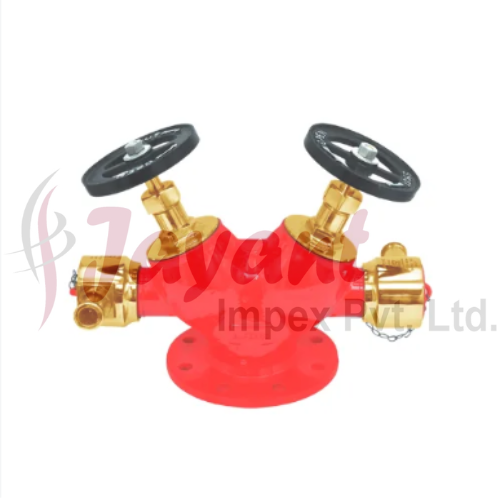
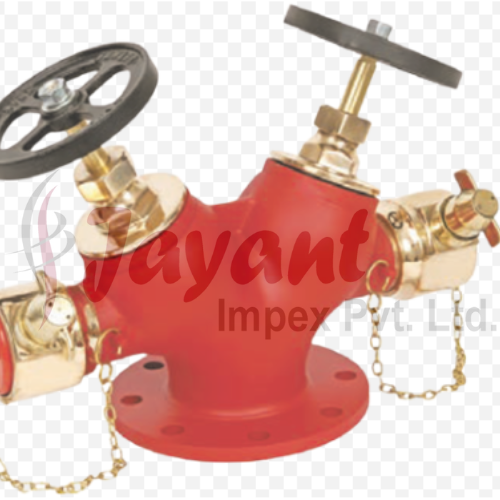
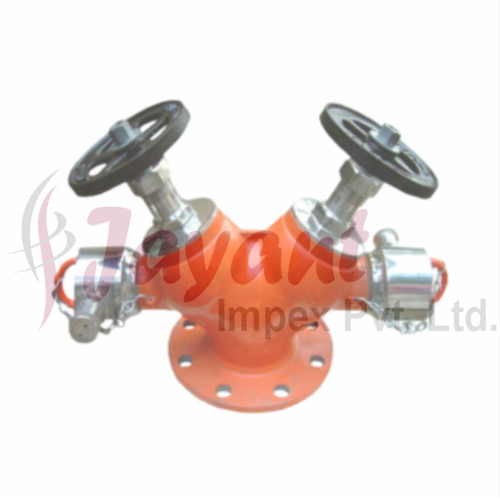
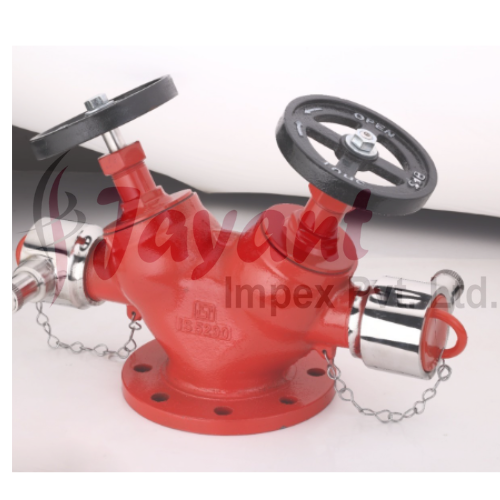
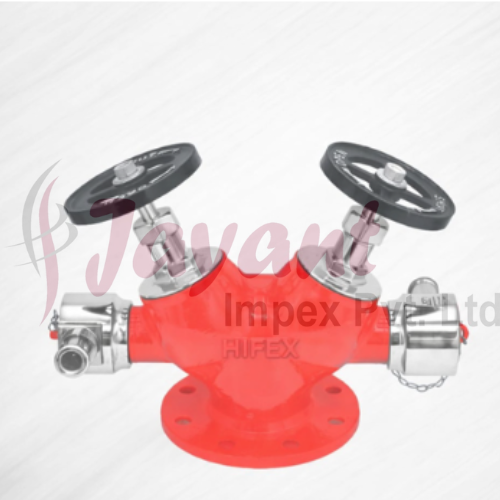
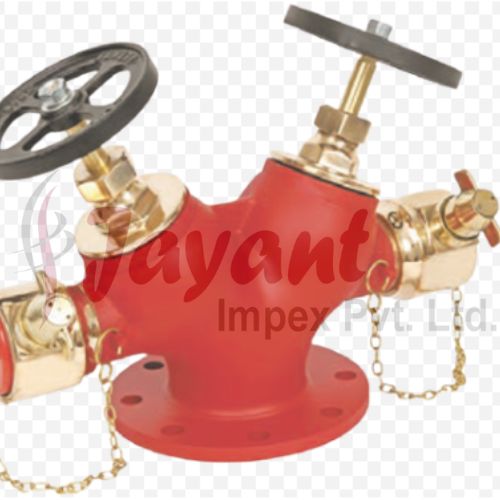
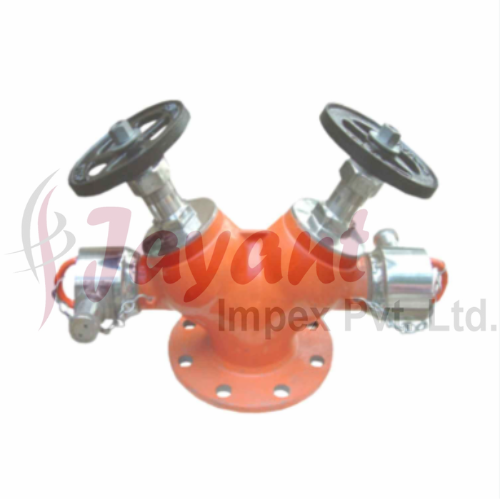
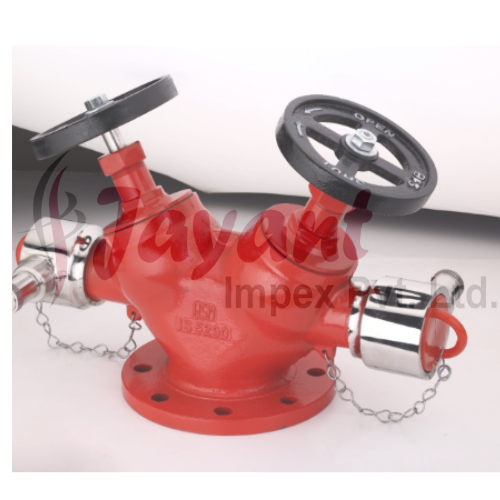
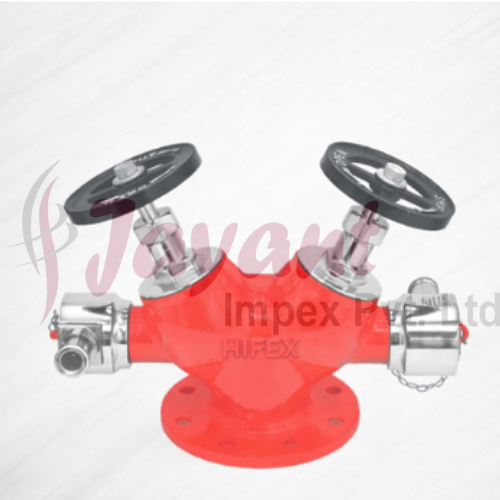
Double Hydrant Valve
3000.0 INR/Unit
Product Details:
- Valve Type Double Outlet
- Connection Type Flanged as per IS: 318/IS: 780
- Valve Size 63 mm
- Material Body - Gun Metal / Stainless Steel / Cast Iron
- Features Corrosion Resistant, Easy Operation, Sturdy Construction
- Control System Hand Wheel Operated
- Application Firefighting, Fire brigade use, Industrial and Commercial Buildings
- Click to view more
X
Double Hydrant Valve Price And Quantity
- 1 Unit
- 3000.0 INR/Unit
Double Hydrant Valve Product Specifications
- Globe Pattern
- Hand Wheel Operated
- 63 mm
- Corrosion Resistant, Easy Operation, Sturdy Construction
- Water
- Double Outlet (Two Way)
- Rubber Washer (Replaceable)
- Rubber Lined
- Body - Gun Metal / Stainless Steel / Cast Iron
- Double Hydrant Valve
- 63 mm
- Up to 80C
- Flanged as per IS: 318/IS: 780
- Double Outlet
- Tested at 21 kgf/cm2, Working pressure 12 kgf/cm2
- Manual
- Firefighting, Fire brigade use, Industrial and Commercial Buildings
- 100 mm
- 900 LPM (approx. at 7 kg/cm2)
- Approx. 20-25 kg
- Female Instantaneous Coupling as per IS: 903
- Red (Standard)
- Red Paint Coated / Natural Finish
- As per IS: 1538
- Low maintenance required
- Vertical
- IS:5290 Type B
- Cast Iron/Aluminum
Product Description
A Double Hydrant Valve (also known as a twin or two-way hydrant valve) is a critical piece of fire-fighting hardware installed on rising mains or fire hydrant networks. Unlike a single hydrant valve, it features a single water inlet that splits into two independently controlled outlets, allowing firefighters to connect and operate two separate hose lines simultaneously from a single point.
Here is a breakdown of its design, specifications, and applications:
Technical Specifications & Design
Double hydrant valves are built to withstand high pressures and harsh environmental conditions, usually conforming to international standards like BS 5041-1 or regional standards like IS 5290.
1. Material Construction
To prevent corrosion and ensure longevity, high-quality alloys are used:
-
Body: Typically cast from Gunmetal (LG2/Leaded Bronze), Stainless Steel (Grade 304 or 316), or Aluminum Alloy.
-
Spindle & Internal Parts: High-tensile brass or stainless steel.
-
Handwheel: Cast iron or aluminum alloy.
2. Connection Types
-
Inlet (Flanged): Usually a 3" (75mm) or 4" (100mm) nominal bore flange (e.g., ANSI, BS10 Table D/E, or PN16) that bolts directly to the water supply pipeline.
-
Outlets: Two female instantaneous couplings (typically 2.5" / 65mm standard British Instantaneous, though Threaded, Storz, or Machino couplings are used depending on regional fire department standards).
3. Pressure Ratings
-
Hydrostatic Test Pressure (Body): Typically tested up to 21 to 25 bar ($approx$ 300360 psi).
-
Seat Leakage Test: Tested up to 14 to 16 bar ($approx$ 200230 psi).
-
Flow Rate: Designed to deliver high volumes, often exceeding 1800 Liters per minute (LPM) at a working pressure of 7 bar when both outlets are open.
Key Features & Components
-
Independent Control: Each outlet has its own dedicated handwheel and internal valve mechanism (usually a globe-type design). This means one hose can be shut down, changed, or repaired without interrupting the flow of the second hose.
-
Blank Caps & Chains: The outlets are equipped with blank caps (often plastic or brass) secured by chains to prevent debris, insects, or dirt from entering and clogging the valve when not in use.
-
Oblique or Right-Angle Design: The body is angled (often at 45 or 90) to allow hoses to be connected easily without kinking against the wall or ground.
Common Applications
Double hydrant valves are strategically placed in high-risk or large-scale environments where multiple fire lines might be needed instantly:
-
Industrial Plants & Refineries: For handling high-hazard chemical or thermal fires.
-
High-Rise Buildings: Installed on wet or dry risers on various floors to allow multiple firefighting teams to work simultaneously.
-
Commercial Complexes & Airports: Where sprawling infrastructure requires maximum water delivery points.
-
Docks and Marine Vessels: Positioned along piers or on ship decks for rapid deployment.
Maintenance Requirements
Because these valves sit idle for long periods but must work flawlessly in an emergency, they require regular maintenance:
-
Visual Inspection: Checking for physical damage, corrosion, or missing blank caps.
-
Freedom of Movement: Regularly turning the handwheels to ensure the spindles haven't seized.
-
Washer Replacement: Inspecting the rubber/polyurethane washers inside the instantaneous couplings to prevent pressure leaks during operation.
-
Flushing: Periodic testing by opening the valves to clear out any sediment or rust built up in the riser pipe.
Reliable Firefighting Performance
Engineered for firefighting, this Double Hydrant Valve ensures swift water delivery at approximately 900 LPM under optimal pressure, meeting rigorous safety requirements. Its dual outlet design enhances accessibility and effectiveness during emergency operations, providing consistent flow and adaptability for hoses and equipment during fire incidents.
Durability and Maintenance Efficiency
Made using corrosion-resistant materials like gun metal, stainless steel, or cast iron, and finished either in red paint or natural finish, this hydrant valve is built to endure tough conditions. The replaceable rubber washer and sturdy construction contribute to low maintenance needs, reducing overall lifecycle costs for users in commercial and industrial environments.
FAQ's of Double Hydrant Valve:
Q: How is the Double Hydrant Valve installed and where is it typically mounted?
A: The Double Hydrant Valve is mounted vertically and typically installed in prominent locations within industrial, commercial, or fire brigade premises. It comes with a 100 mm inlet flange, drilled according to IS:1538, allowing secure connection to water supply pipelines to ensure readiness in emergencies.Q: What are the advantages of the dual outlet design in this hydrant valve?
A: The dual (double) outlet design provides two separate water discharge points, allowing multiple hoses to be connected simultaneously. This increases the efficiency of firefighting operations, enables broader coverage, and supports rapid response in high-demand scenarios.Q: When should the rubber washer or other components be replaced?
A: The valve features a replaceable rubber washer for sealing. Replacement is recommended during scheduled inspections or if leaks/flow issues occur. Regular maintenance checks help ensure optimal performance and prevent water loss during fire emergencies.Q: Where can the Double Hydrant Valve be utilized?
A: This hydrant valve is suitable for fire safety systems in industrial and commercial buildings, used by fire brigades, and can be installed at any site requiring rapid and reliable firewater access, especially in environments demanding high performance and durable equipment.Q: What materials are used for construction and why are they selected?
A: The valve body is made from gun metal, stainless steel, or cast iron, all known for their strength and corrosion resistance. These materials ensure durability, resilience against harsh environments, and long service life, making the valve suitable for critical firefighting applications.Q: How does the hand wheel operation benefit the user?
A: The hand wheel mechanism enables straightforward manual control of the water flow, ensuring ease of use even in urgent situations. Its design prioritizes user safety by allowing rapid opening and closing with minimal effort.Tell us about your requirement

Price:
Quantity
Select Unit
- 50
- 100
- 200
- 250
- 500
- 1000+
Additional detail
Mobile number
Email

Other Products in 'Valves' category


JAYANT IMPEX
GST : 27AAQFJ5764L1ZJ
GST : 27AAQFJ5764L1ZJ

- 6th, 605, Majestic Shopping Center, Jagannath Shankarseth Road, Girgaon,Mumbai - 400004, Maharashtra, India
- Phone : 08045800544

- Mr Shrenik Prakash Mehta (Director)
- Mobile : 08045800544
-
jayantimpex12@gmail.com


-
Share to



 Send Inquiry
 Send SMS
 Call Me Free
JAYANT IMPEX PVT. LTD. All Rights Reserved.(Terms of Use)
Developed and Managed by Infocom Network Private Limited. Terms of use | Returns Policy Member
Developed and Managed by Infocom Network Private Limited. Terms of use | Returns Policy Member
