 English
 Spanish
 French
 German
 Italian
 Chinese (Simplified)
 Japanese
 Korean
 Arabic
 Portuguese
 Call Us : 08045800544
 Call Us : 08045800544
 Get a Quote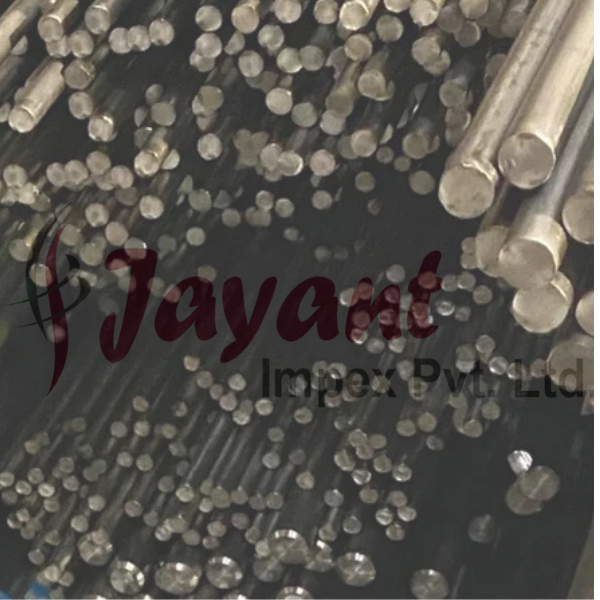
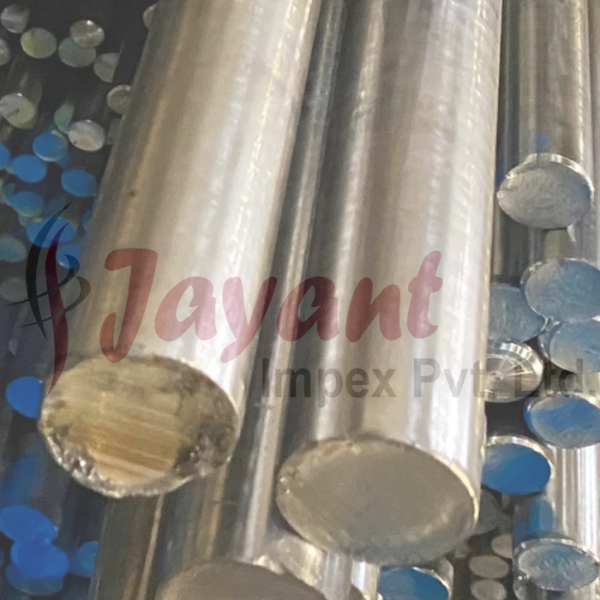
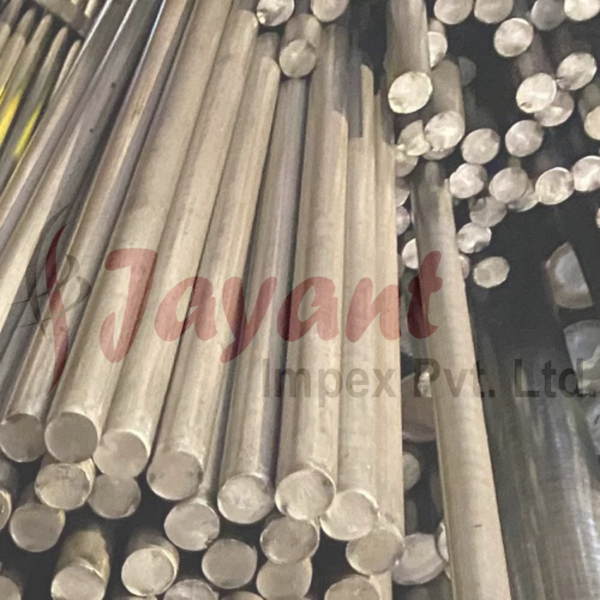
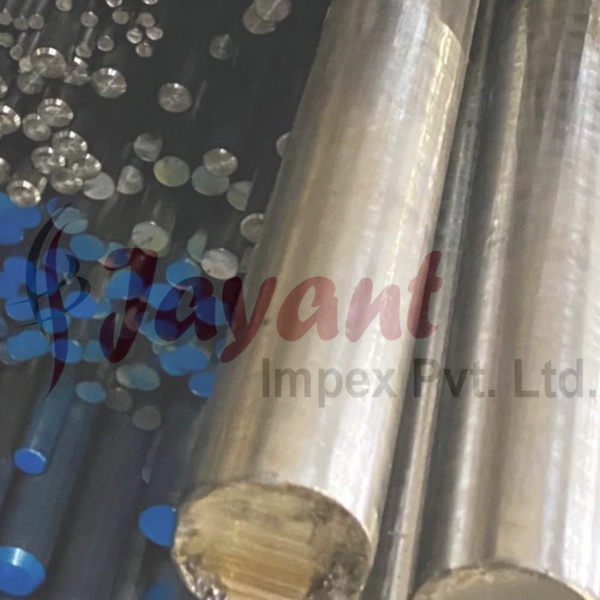
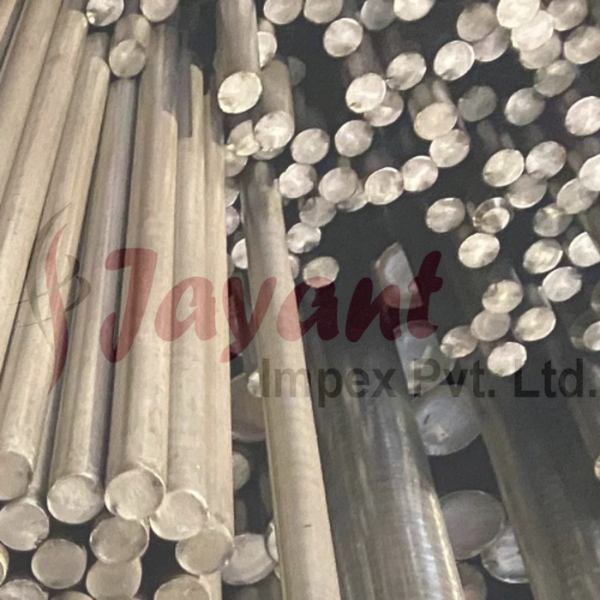
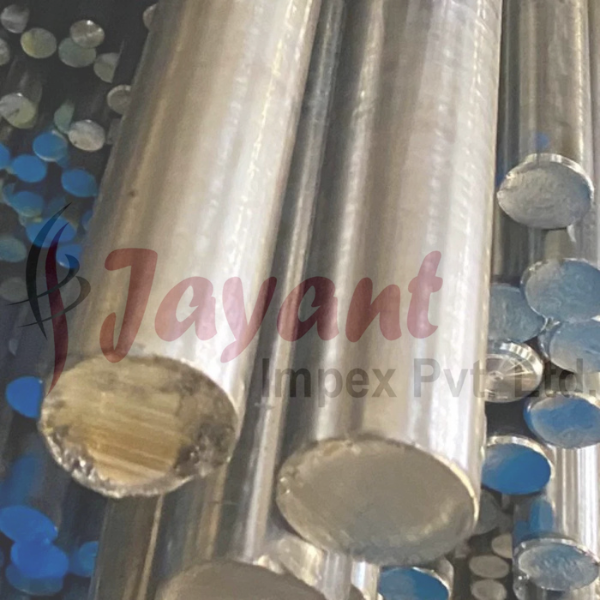
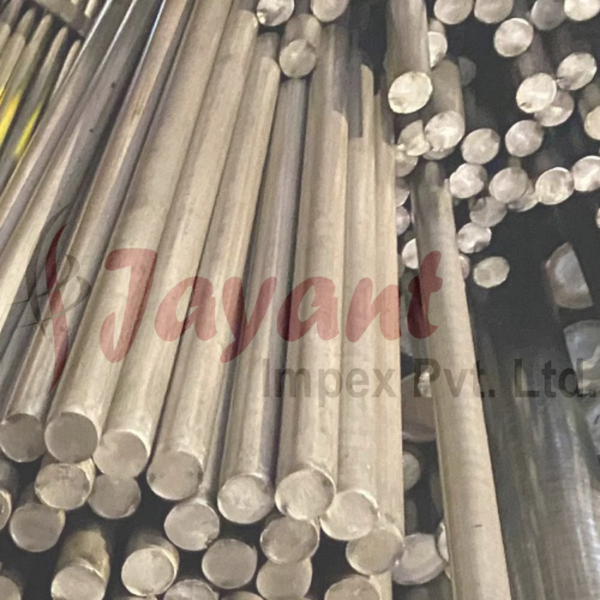
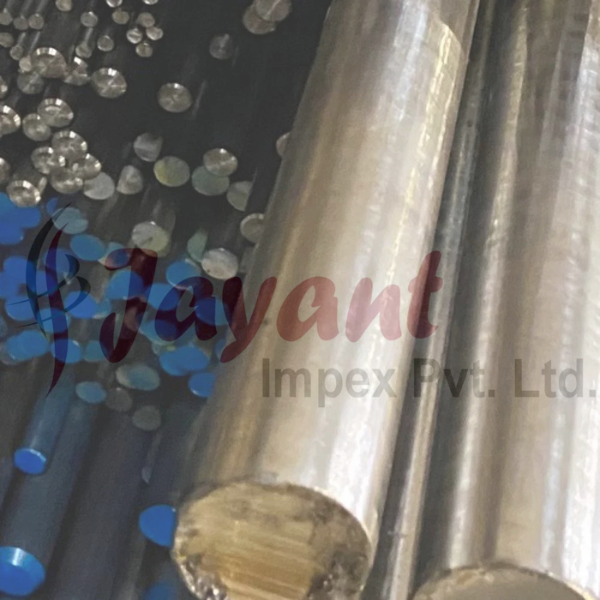
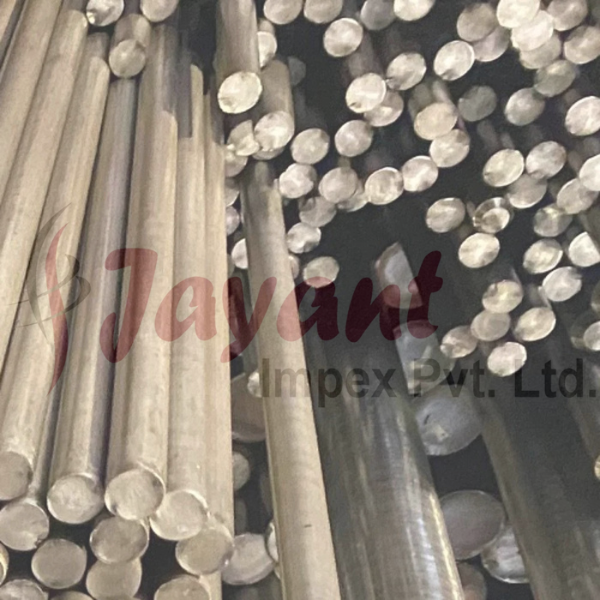
DIN 1.7362 Alloy Steel 1.7362 Flat 1.7362 Bars
150.0 INR/Kilograms
Product Details:
- Technique Hot Rolled / Cold Drawn
- Standard DIN 1.7362 / EN 10095 / ASTM Equivalent
- Material DIN 1.7362 Alloy Steel
- Type Flat Bars, Round Bars
- Grade 1.7362 (13CrMo4-5)
- Tolerance h11, h13, or as required
- Diameter 6 mm to 300 mm
- Click to view more
X
DIN 1.7362 Alloy Steel 1.7362 Flat 1.7362 Bars Price And Quantity
- 1 Kilograms
- 150.0 INR/Kilograms
DIN 1.7362 Alloy Steel 1.7362 Flat 1.7362 Bars Product Specifications
- DIN 1.7362 / EN 10095 / ASTM Equivalent
- Hot Rolled / Cold Drawn
- 1.7362 (13CrMo4-5)
- DIN 1.7362 Alloy Steel
- Flat Bars, Round Bars
- High temperature and Pressure Applications
- Bright, Black, Peeled, Polished
- Up to 6000 mm (custom lengths available)
- h11, h13, or as required
- 6 mm to 300 mm
- Construction, Power Generation, Petrochemical, Oil & Gas, Automobile, Engineering Applications
- Annealed, Hardened, Tempered
- Normalized, Quenched & Tempered
- Bar, Cut Length, Forged
- Pickled, Sand Blasted, Turned
- Bundled, Wooden Boxed, Export Packing
- Round, Flat, Square
- Moderate, Excellent with Surface Coating
- Max 250 HB
- Good (Preheating recommended for heavy sections)
- Good
- ~7.85 g/cm3
- Annealed, Quenched, Tempered
- Ultrasonic Tested, Third Party Inspection
Product Description
DIN 1.7362 (chemically designated as 12CrMo19-5 or X11CrMo5 in unified Euronorms) is a heavily alloyed, heat-resistant chrome-moly structural steel.
Unlike typical mechanical or structural chrome-moly bars (like 4140), 1.7362 jumps significantly higher in chromium content (nominal 5% Cr). It is classified fundamentally as a boiler, pressure vessel, and hydrogen-resistant steel, explicitly engineered to maintain its mechanical integrity under high stresses at continuous working temperatures ranging from 450C up to 650C.
When sourced as flat bars, square bars, or round profiles, this grade provides a robust defense against creep deformation and high-pressure chemical attack.
Global Equivalents
Because this alloy is integral to international petrochemical and energy infrastructure, it crosses cleanly over to major global engineering standards:
-
USA (ASTM / ASME): ASTM A182 Grade F5 (Forged Bars/Flanges) / A335 Grade P5 (Pipes)
-
Germany (DIN / WNr): 1.7362 / 12CrMo19-5 / Old designation: X12CrMo5
-
Europe (EN): X11CrMo5
-
Poland (PN): H5M
-
Japan (JIS): SCM420 / SCM430 variants (Note: For true high-temp pressure equivalents, ASTM standards are typically back-referenced in Japan).
Chemical Composition (Typical %)
The defining characteristic of 1.7362 is its 5% chromium threshold. This substantial addition forms a dense, defensive oxide skin that prevents high-temperature oxidation, scaling, and hot-hydrogen corrosion.
| Carbon (C) | Chromium (Cr) | Molybdenum (Mo) | Manganese (Mn) | Silicon (Si) | Phosphorus (P) | Sulfur (S) |
| 0.08% 0.15% | 4.00% 6.00% | 0.45% 0.65% | 0.30% 0.60% | 0.50% | 0.025% | 0.020% |
Mechanical Properties (Quenched & Tempered State, +QT)
At room temperature, the material offers high yield performance, but its true benefit lies in how slowly these properties degrade when exposed to extreme heat.
-
Tensile Strength ($R_m$): 590 740 MPa (N/mm)
-
Yield Strength ($R_{e}$): 390 MPa
-
Elongation ($A_5$): 17% 20%
-
Impact Energy (Charpy-V, 20C): 40 J 62 J
-
Delivery Condition Hardness (Annealed): 175 220 HBW (Optimized for flat milling and sawing)
Key Technical Attributes
-
High-Pressure Hydrogen Resistance: At elevated temperatures, molecular hydrogen can penetrate basic steels, reacting with carbon to cause internal methane pockets and cracking (HTHA). The elevated chromium in 1.7362 tightly binds the carbon into stable chromium carbides, eliminating this vulnerability.
-
Excellent Creep-Rupture Strength: Molybdenum acts as a solid-solution strengthener, reinforcing the ferrite matrix to stop atoms from sliding past one another under sustained thermal stress.
-
Thermal Expansion Compatibility: Its thermal expansion coefficient aligns cleanly with low-alloy turbine casings and structural frameworks, reducing thermal cycle stresses across mixed assemblies.
-
Demanding Weld Protocols: Due to the 5% Cr level, the steel is highly air-hardenable. Welding flat or round bars requires mandatory preheating ($200text{C} - 300text{C}$) and immediate post-weld heat treatment (PWHT) to eliminate highly brittle martensitic zones in the weld pool.
Common Industrial Applications for Flat & Square Bars
Flat bars and blocks of 1.7362 are typically machined into structural components, sealing elements, and connection hardware for aggressive thermal environments:
-
Refinery Cracking Units: Flat structural brackets, sealing slides, scraper bars, and high-temperature furnace structural components.
-
Chemical Processing: Structural parts for ammonia synthesis plants, hydrogenation systems, and coal gasification hardware.
-
Power & Boiler Hardgoods: Turbine support rods, high-temperature bolting configurations, steam boiler partition blocks, and superheater structural hangers.
Precision and Performance for Demanding Industries
Din 1.7362 Alloy Steel stands out for its adaptability in challenging industrial applications, especially where resistance to elevated temperature and pressure is paramount. Varying processing methods, such as annealing, hardening, and tempering, bolster its mechanical properties, making it suitable for sectors like oil & gas, power generation, and petrochemicals. The material is delivered in multiple conditions, including forged and cut-to-length bars, ensuring fit-for-purpose solutions tailored to specific operational requirements.
Quality Assurance and Customization
Each bar is meticulously tested through ultrasonic and third-party inspections, guaranteeing high-quality standards for structural integrity and reliability. Customers can select from a range of tolerances (h11, h13, or custom), surface treatments (pickled, sand blasted, turned), and finishes (bright, black, peeled, polished). With custom lengths up to 6000 mm, suppliers and fabricators in India accommodate diverse project needs, while export packing options ensure safe global delivery.
FAQ's of DIN 1.7362 Alloy Steel 1.7362 Flat 1.7362 Bars:
Q: How is DIN 1.7362 Alloy Steel 1.7362 supplied and processed?
A: DIN 1.7362 Alloy Steel bars are supplied in a range of forms including round, flat, and square shapes. They are processed via techniques such as hot rolling or cold drawing, and are available in normalized, quenched, and tempered conditions, as well as annealed, hardened, or tempered. Finishing options like bright, black, peeled, and polished are offered to meet project specifications.Q: What applications are best suited for DIN 1.7362 Alloy Steel flat and round bars?
A: This alloy steel is ideal for use in construction, power generation, petrochemical, oil & gas, automobile, and general engineering sectors, thanks to its excellent performance in high-temperature and high-pressure environments. Its robust mechanical properties ensure reliable operation in demanding applications.Q: When is preheating necessary for welding DIN 1.7362 Alloy Steel?
A: Preheating is recommended especially when welding heavy sections of DIN 1.7362 Alloy Steel. This practice helps reduce the risk of cracking and ensures better weld integrity, contributing to the material's good weldability.Q: Where can DIN 1.7362 Alloy Steel be sourced in India?
A: DIN 1.7362 Alloy Steel can be obtained from a broad network of dealers, exporters, fabricators, manufacturers, producers, retailers, suppliers, and traders across India. These entities often provide value-added services like custom cutting, forging, inspection, and export packing.Q: What benefits does surface treatment provide to DIN 1.7362 Alloy Steel bars?
A: Surface treatments such as pickling, sand blasting, and turning enhance corrosion resistance and prepare the bars for finishing processes. When combined with appropriate coatings, the steel demonstrates excellent resistance to corrosion, extending the lifespan of the components.Q: How are DIN 1.7362 Alloy Steel bars delivered and packed?
A: Bars are typically bundled or packed in wooden boxes, with export-quality packing available to prevent damage during transit. Customers can request custom-cut lengths (up to 6000 mm) and specify delivery states such as forged bars to suit their project requirements.Q: What makes DIN 1.7362 Alloy Steel advantageous for machining and fabrication?
A: The alloy offers good machinability and can be reliably cut, shaped, and processed. Its consistent hardness (up to 250 HB) and standardized tolerances, as well as testing and inspection protocols, make it a preferred choice for precision-engineered components.Tell us about your requirement

Price:
Quantity
Select Unit
- 50
- 100
- 200
- 250
- 500
- 1000+
Additional detail
Mobile number
Email

Other Products in 'Steel Bar' category

JAYANT IMPEX
GST : 27AAQFJ5764L1ZJ
GST : 27AAQFJ5764L1ZJ

- 6th, 605, Majestic Shopping Center, Jagannath Shankarseth Road, Girgaon,Mumbai - 400004, Maharashtra, India
- Phone : 08045800544

- Mr Shrenik Prakash Mehta (Director)
- Mobile : 08045800544
-
jayantimpex12@gmail.com


-
Share to



 Send Inquiry
 Send SMS
 Call Me Free
JAYANT IMPEX PVT. LTD. All Rights Reserved.(Terms of Use)
Developed and Managed by Infocom Network Private Limited. Terms of use | Returns Policy Member
Developed and Managed by Infocom Network Private Limited. Terms of use | Returns Policy Member
