 English
 Spanish
 French
 German
 Italian
 Chinese (Simplified)
 Japanese
 Korean
 Arabic
 Portuguese
 Call Us : 08045800544
 Call Us : 08045800544
 Get a Quote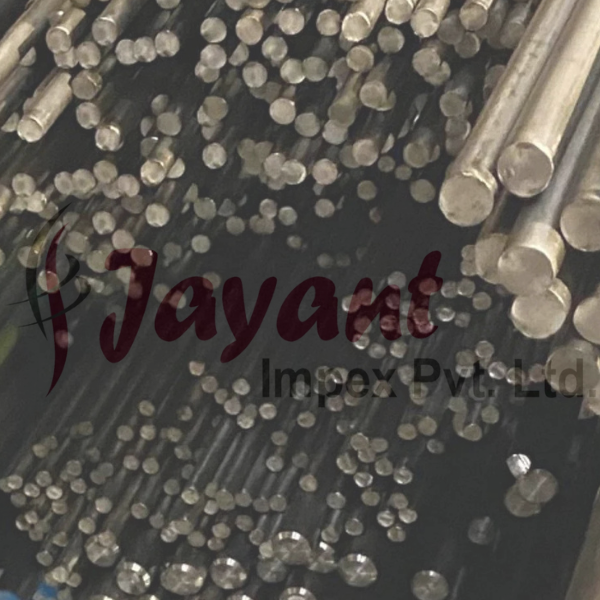
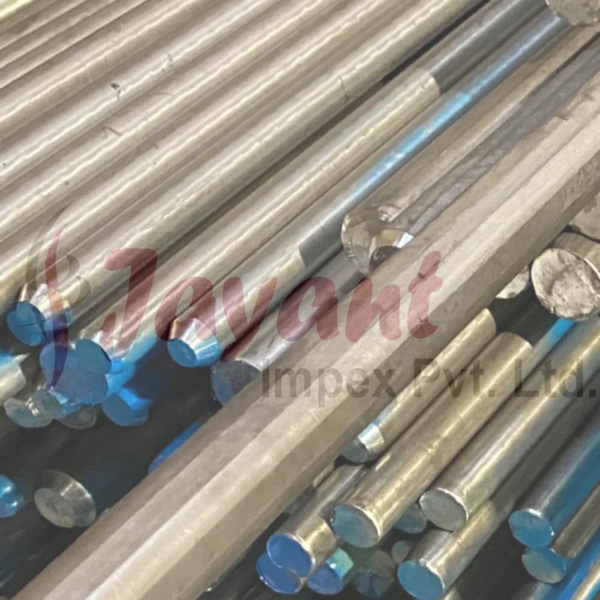
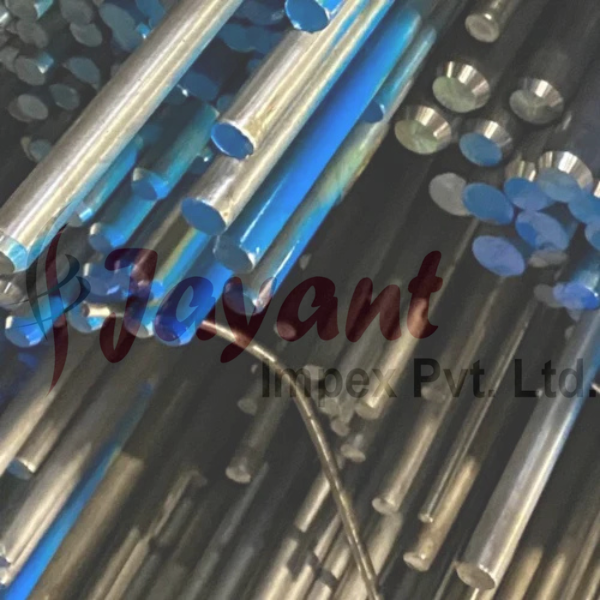
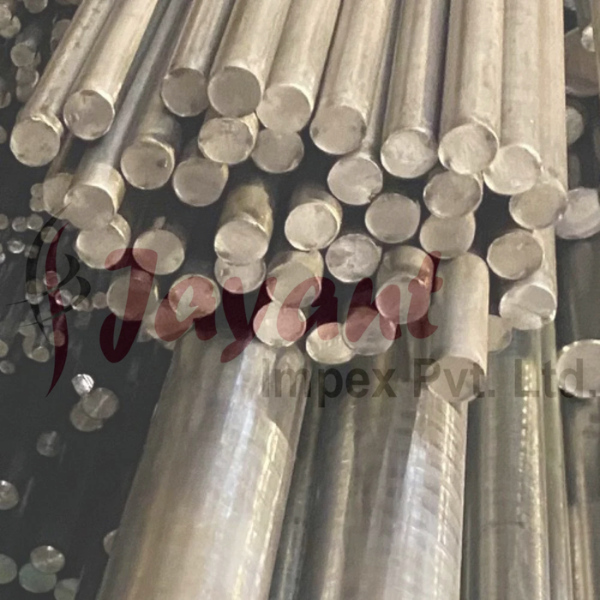
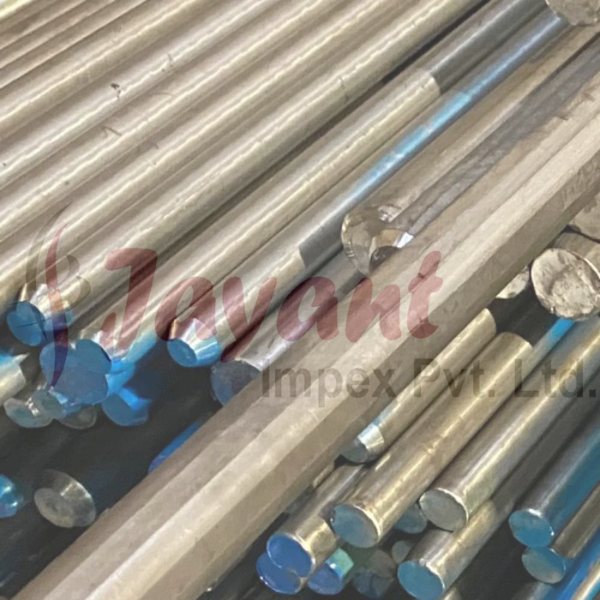
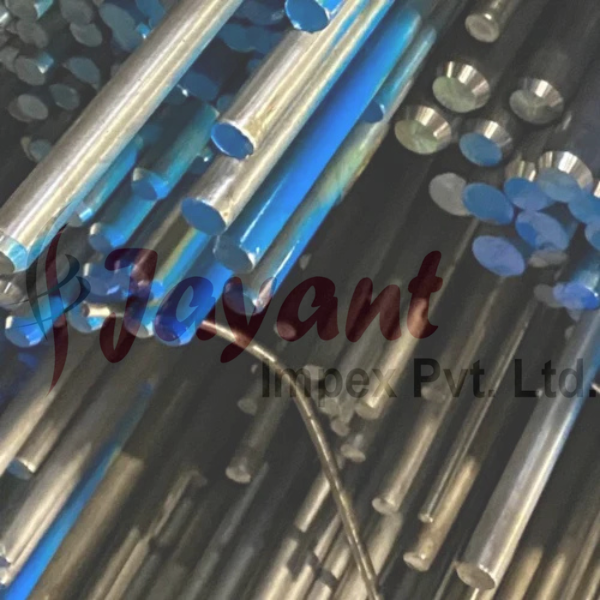
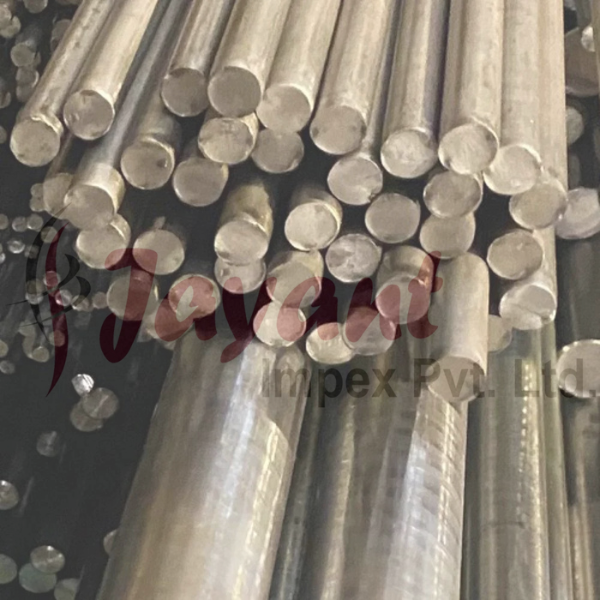
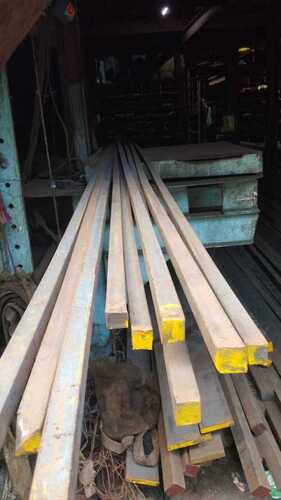
DIN 1.2767 Tool Steel 2767 Flat W.Nr. 1.2767 Bar
870.0 INR/Piece
Product Details:
- Type Flat Bar, Round Bar
- Processing Forged / Rolled / Annealed
- Material DIN 1.2767 Tool Steel
- Application Die-forging dies, punching tools, shear blades, industrial cutting tools, heavy-duty molds
- Length Customizable, typically 2000mm to 6000mm
- Finish Bright / Black / Peeled
- Tolerance h9, h11 or on request
- Click to view more
X
DIN 1.2767 Tool Steel 2767 Flat W.Nr. 1.2767 Bar Price And Quantity
- 870.0 INR/Piece
- 1 Piece
DIN 1.2767 Tool Steel 2767 Flat W.Nr. 1.2767 Bar Product Specifications
- Customizable, typically 2000mm to 6000mm
- Hot Rolled / Annealed
- W.Nr. 1.2767 / DIN 1.2767 / AISI 6F7 / EN X45NiCrMo4
- Plastic molds, heavy-duty stamping dies, punching dies, extrusion dies
- Die-forging dies, punching tools, shear blades, industrial cutting tools, heavy-duty molds
- 10mm to 350mm
- DIN 1.2767 Tool Steel
- h9, h11 or on request
- 2767
- Bright / Black / Peeled
- Forged / Rolled / Annealed
- Flat Bar, Round Bar
- As per customer requirement
- ~7.85 g/cm3
- Quenching and Tempering Possible
- max 248 HB
- Nickel, Chromium, Molybdenum
- Annealed, ready for hardening
- Polished / Ground / Peeled
- 54-56 HRC
- Round, Flat, Square
- Bar
- Good
Product Description
Werkstoffnummer (W.Nr.) 1.2767, designated in the DIN system as X45NiCrMo4, is a premium nickel-alloyed cold-work tool steel. Renowned for its extreme core toughness, high through-hardenability, and excellent resistance to structural shock, it is the European benchmark for high-impact industrial tooling.
When sourced as a flat bar, 1.2767 is typically machined, ground, or EDM-cut into robust die blocks, heavy-duty inserts, and high-load mechanical structural plates.
Chemical Composition (Typical Weight %)
The defining characteristic of 1.2767 is its high nickel content. Nickel radically increases the steel's impact energy absorption, preventing catastrophic cracking or splitting when exposed to heavy cyclic shocks, even in thick flat-block cross-sections.
| Carbon (C) | Nickel (Ni) | Chromium (Cr) | Molybdenum (Mo) | Silicon (Si) | Manganese (Mn) |
| 0.40 0.50% | 3.80 4.30% | 1.20 1.50% | 0.15 0.35% | 0.10 0.40% | 0.15 0.45% |
Core Engineering Advantages for Flat Bars
-
Deep Through-Hardenability: Unlike shallow-hardening carbon steels, the nickel-chromium-molybdenum balance ensures that large, thick flat bars achieve uniform, consistent hardness from the surface all the way to the core.
-
Superior Polishability & Etching: 1.2767 can be polished to a mirror-like finish and is highly receptive to photo-etching and texturing.
-
Low Heat-Treat Distortion: Because it easily air-hardens, the internal stress generated during quenching is remarkably low, preserving precise flat block geometry.
Industrial Applications for 1.2767 Flat Bars
Flat bar stock is predominantly utilized for heavy-gauge forming or molding tools where lesser steels (like O1, A2, or D2) would chip or shatter:
-
Plastic Injection Moulds: Especially for deep-cavity molds or mold inserts processing abrasive polymers where high core strength and high gloss finish are prerequisites.
-
Heavy-Duty Forging & Press Dies: Forging die inserts, hot-shear blades, and structural backers that take continuous pounding.
-
Bending & Punching Tools: Manufacturing thick-gauge sheet metal plates, cold-forming dies, and high-impact structural clamping fixtures.
-
Coining & Embossing Dies: Excellent for deep-impression stamping blocks.
Heat Treatment Parameters
1.2767 flat stock is normally delivered in the spheroidized annealed condition (maximum hardness of 285 HBW) for optimized machinability.
-
Soft Annealing: Heat uniformly to $610^circtext{C} - 650^circtext{C}$, hold for 2 to 4 hours, and then cool very slowly inside the furnace.
-
Stress Relieving: After heavy milling or rough machining, heat to $approx 650^circtext{C}$, soak for 2 hours, and cool in air to eliminate residual mechanical stresses before final hardening.
-
Hardening (Austenitizing): Preheat slowly to $600^circtext{C} - 650^circtext{C}$, then ramp up to the final hardening temperature of $840^circtext{C} - 870^circtext{C}$.
-
Quenching: Quench in oil, warm salt bath ($180^circtext{C} - 220^circtext{C}$), or use an intensive vacuum gas nitrogen pressure blast. Air/vacuum quenching is highly recommended for flat bars to eliminate distortion.
-
Tempering: Temper immediately after the material drops below $60^circtext{C}$. Standard tempering occurs between $150^circtext{C} - 300^circtext{C}$ to lock in a rugged working hardness of 52 to 58 HRC.
Global Cross-Reference Equivalents
If you are replacing a grade or managing international procurement, DIN 1.2767 corresponds closely to:
-
United States (AISI / ASTM): ~AISI 6F7 / L6 upgraded variant (L6 has lower nickel and lacks the precise Cr-Mo balance of 1.2767)
-
France (AFNOR): 45NCD16
-
United Kingdom (BS): En30B (Close performance match)
-
Italy (UNI): 45NiCrMo16
Outstanding Mechanical Properties
DIN 1.2767 Tool Steel stands out for its high hardness and toughness after heat treatment, making it suitable for demanding tooling and die applications. Its alloy composition ensures excellent wear resistance and prolonged tool lifespan, which is particularly beneficial for heavy-duty operations.
Versatile Forms and Custom Sizing
This material is available as round, flat, or square bars with diameters from 10mm to 350mm and customizable lengths up to 6000mm. Customers can specify tolerances and choose from surface finishes like bright, black, or peeled to match their unique project requirements.
Ideal for Tooling and Mold Industries
DIN 1.2767 excels in applications such as plastic molds, stamping dies, punching dies, and extrusion dies. Its robust properties after heat treatment make it favorable for industrial cutting tools and heavy-duty molds, supporting both precision and durability in manufacturing processes.
FAQ's of DIN 1.2767 Tool Steel 2767 Flat W.Nr. 1.2767 Bar:
Q: How is DIN 1.2767 Tool Steel processed for optimal hardness and toughness?
A: DIN 1.2767 Tool Steel is delivered in an annealed state, making it ready for hardening. After machining, it undergoes quenching and tempering to achieve a working hardness of 54-56 HRC, enhancing its strength and durability for tooling applications.Q: What benefits does DIN 1.2767 Tool Steel offer for industrial cutting tools and molds?
A: This steel provides high toughness, wear resistance, and shock resistance, which are crucial for the long-term performance of industrial cutting tools and heavy-duty molds. Its balanced alloy composition ensures minimized distortion and consistent hardness throughout the material.Q: Where is DIN 1.2767 Tool Steel typically used?
A: DIN 1.2767 is widely utilized in die-forging dies, punching tools, shear blades, extrusion dies, and plastic molds. It is a preferred material in toolrooms and industrial manufacturing sectors across India for applications demanding reliability and strength.Q: What shapes, sizes, and surface finishes are available for DIN 1.2767 bars?
A: Bars are supplied in round, flat, and square shapes with diameters ranging from 10mm to 350mm. Lengths are typically customizable from 2000mm to 6000mm. Surface finishes available include polished, ground, bright, black, or peeled, according to customer need.Q: Can DIN 1.2767 Tool Steel be machined easily before hardening?
A: Yes, this steel grade exhibits good machinability in its annealed state, allowing for efficient forming, cutting, and shaping before undergoing heat treatment. This makes it suitable for fabricators and manufacturers preparing complex tool geometries.Q: What standards and grades can DIN 1.2767 Tool Steel comply with?
A: DIN 1.2767 conforms to standard designations such as W.Nr. 1.2767, DIN 1.2767, AISI 6F7, and EN X45NiCrMo4, ensuring consistency, traceability, and suitability for international projects.Q: Who supplies and processes DIN 1.2767 Tool Steel in India?
A: DIN 1.2767 Tool Steel is supplied by dealers, exporters, fabricators, manufacturers, producers, retailers, suppliers, and traders across India, offering options for customized processing, sizing, and finishing to suit varied industrial requirements.Tell us about your requirement

Price:
Quantity
Select Unit
- 50
- 100
- 200
- 250
- 500
- 1000+
Additional detail
Mobile number
Email

Other Products in 'Steel Bar' category

JAYANT IMPEX
GST : 27AAQFJ5764L1ZJ
GST : 27AAQFJ5764L1ZJ

- 6th, 605, Majestic Shopping Center, Jagannath Shankarseth Road, Girgaon,Mumbai - 400004, Maharashtra, India
- Phone : 08045800544

- Mr Shrenik Prakash Mehta (Director)
- Mobile : 08045800544
-
jayantimpex12@gmail.com


-
Share to



 Send Inquiry
 Send SMS
 Call Me Free
JAYANT IMPEX PVT. LTD. All Rights Reserved.(Terms of Use)
Developed and Managed by Infocom Network Private Limited. Terms of use | Returns Policy Member
Developed and Managed by Infocom Network Private Limited. Terms of use | Returns Policy Member
