 English
 Spanish
 French
 German
 Italian
 Chinese (Simplified)
 Japanese
 Korean
 Arabic
 Portuguese
 Call Us : 08045800544
 Call Us : 08045800544
 Get a Quote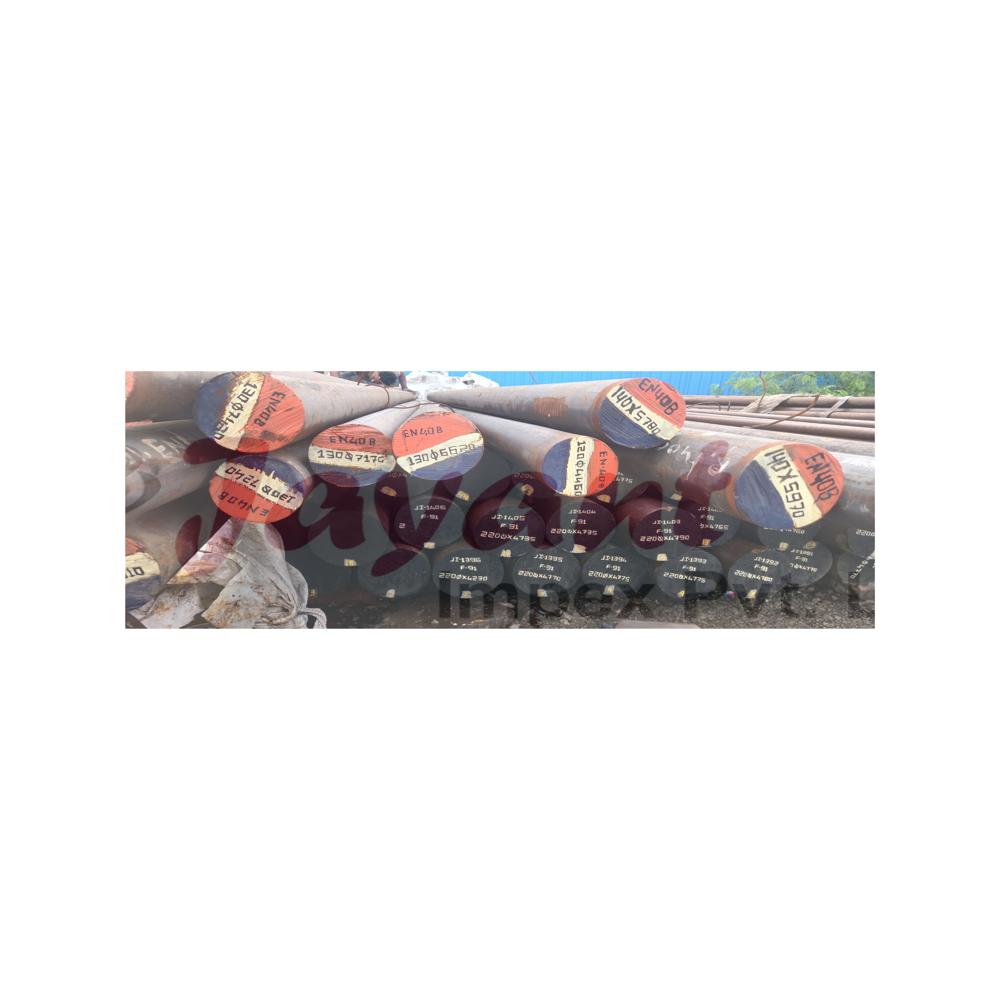
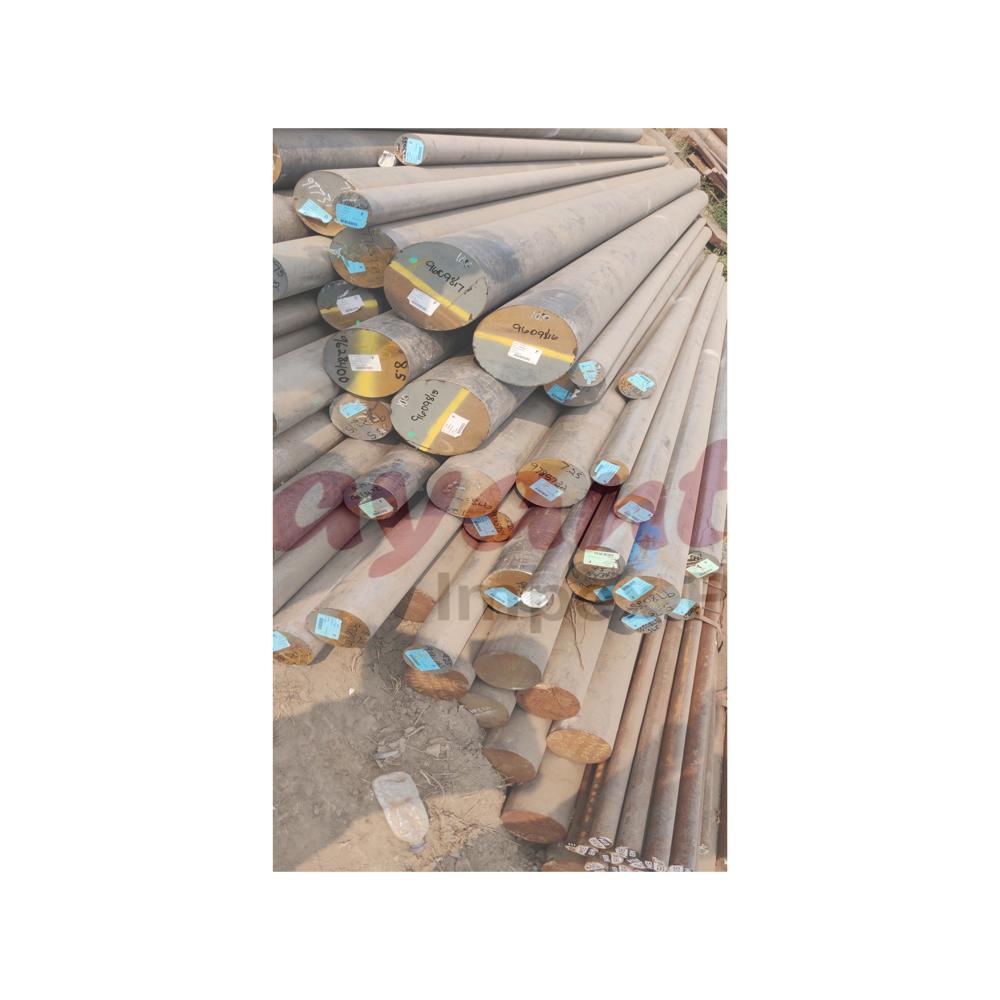
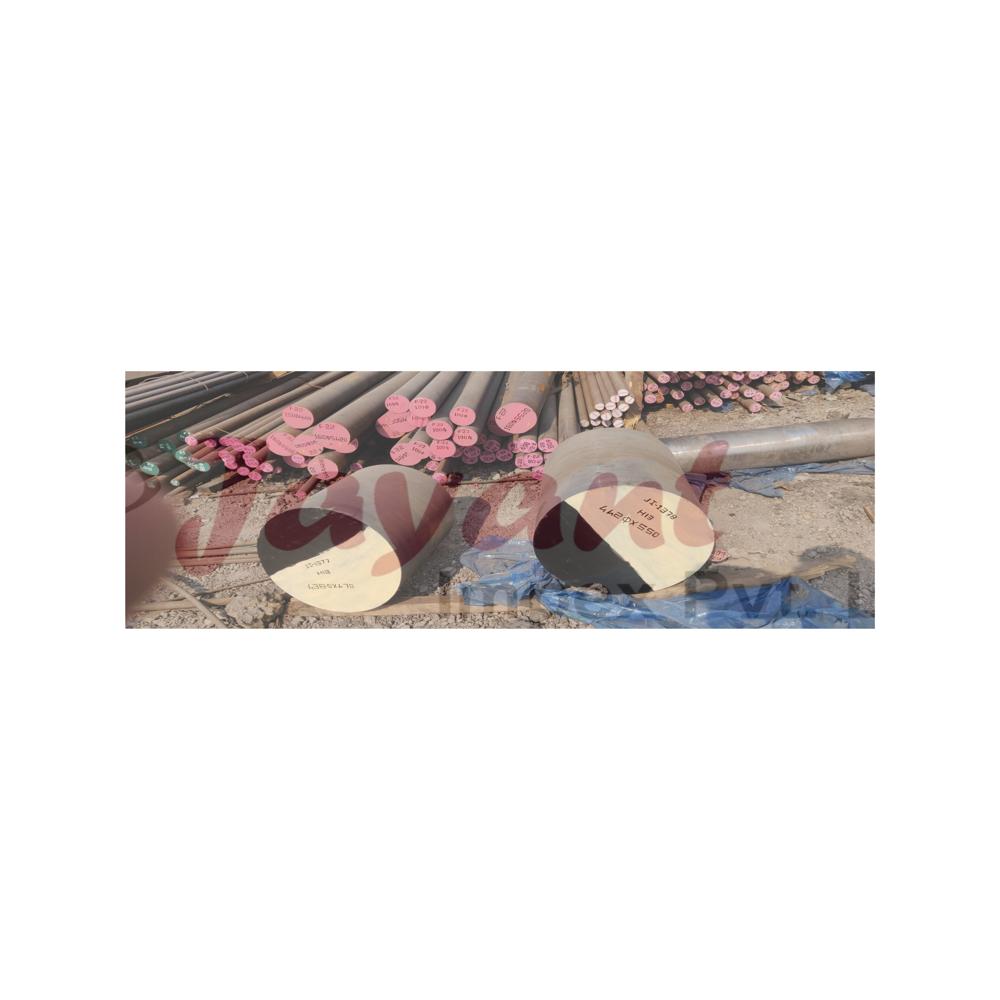
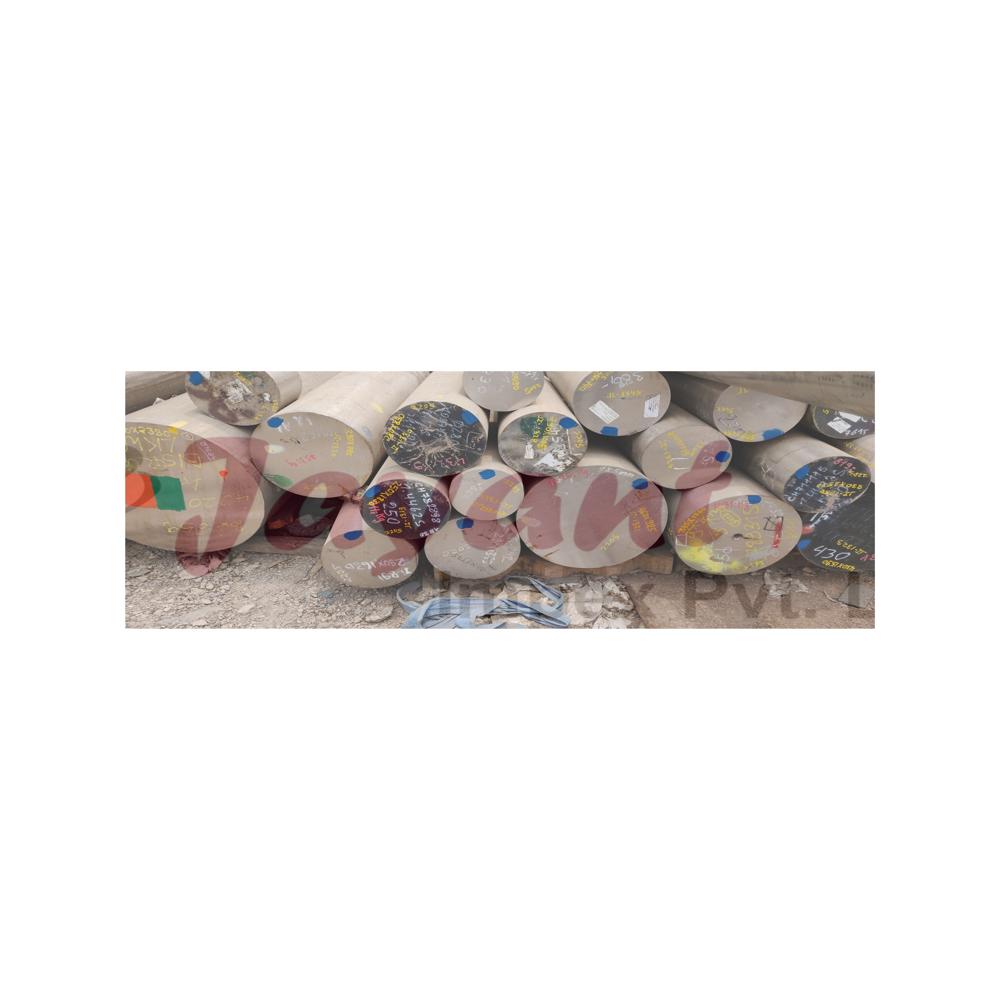
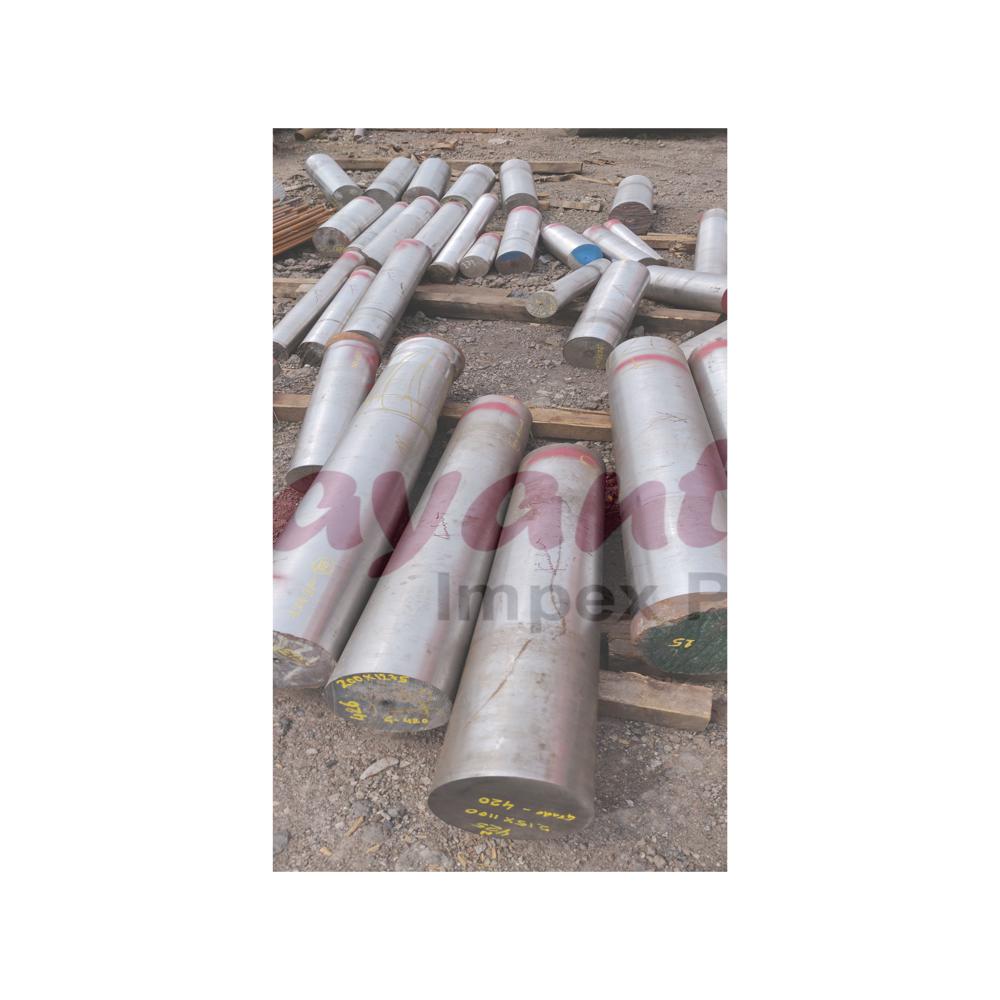
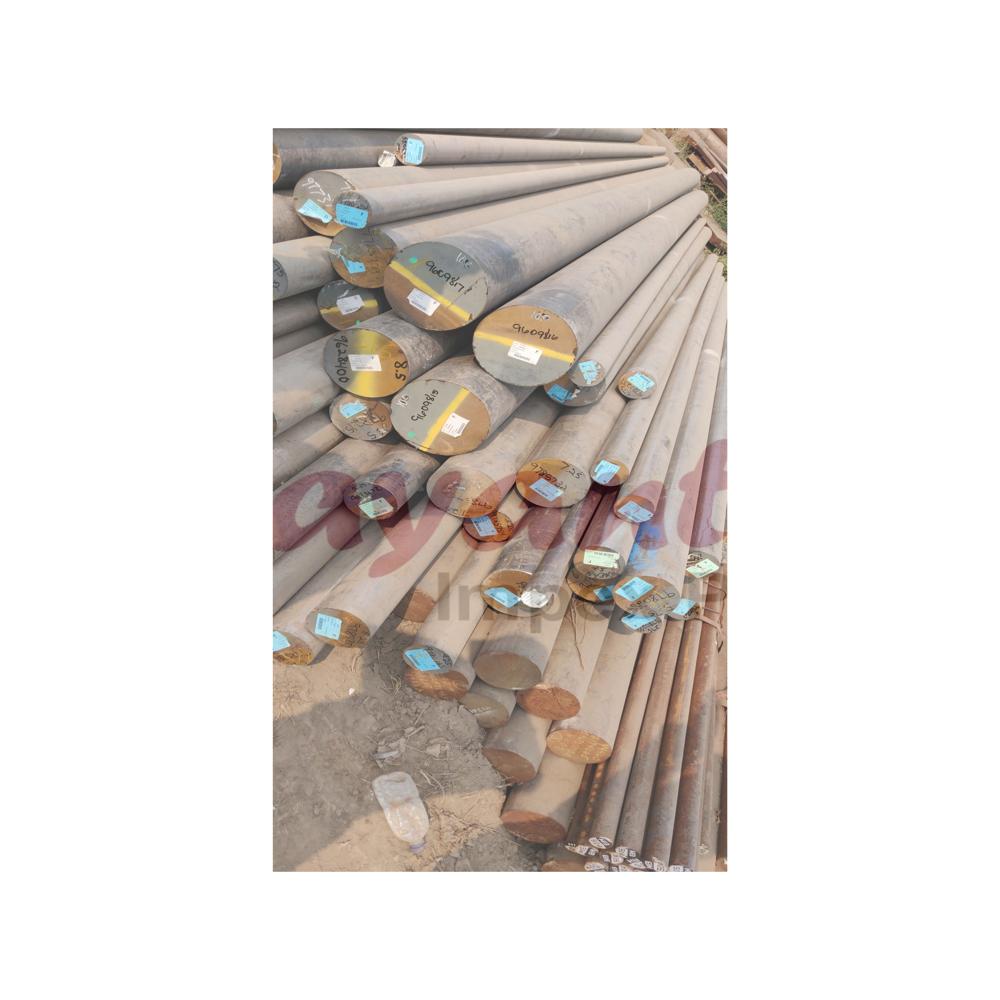
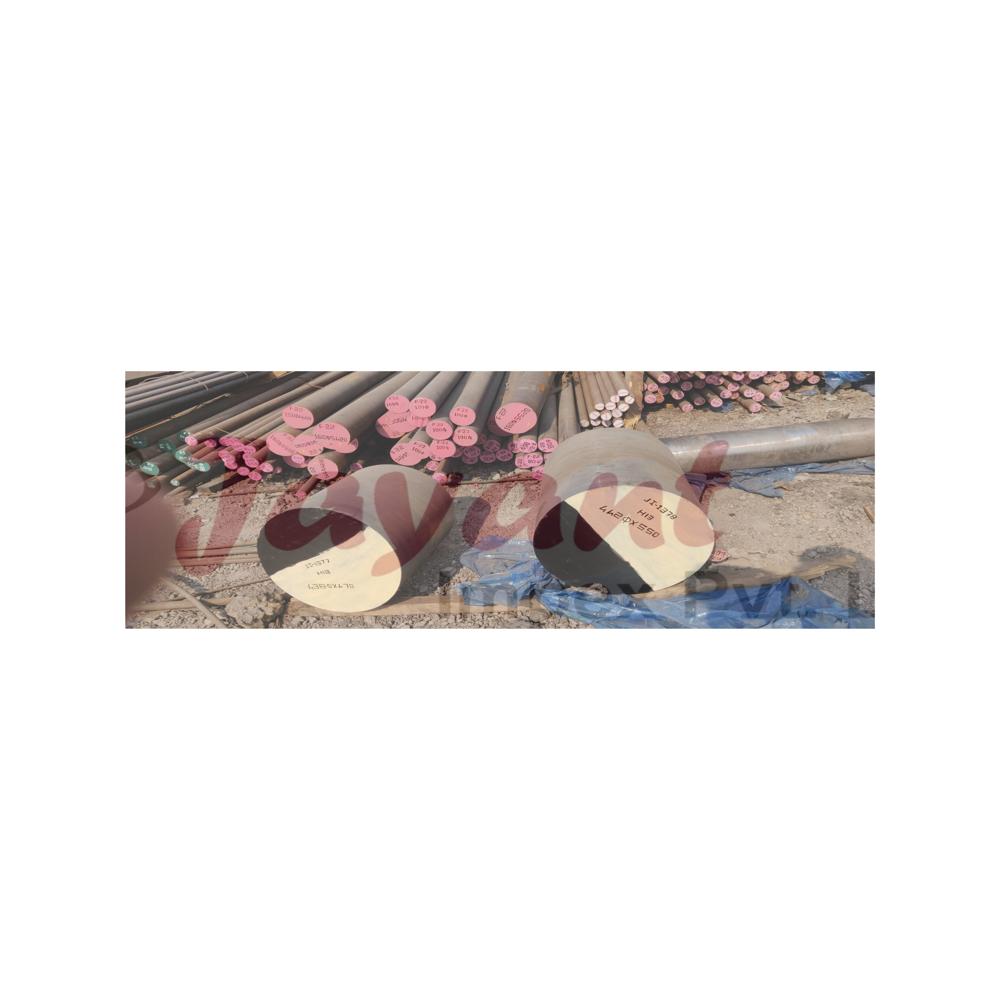
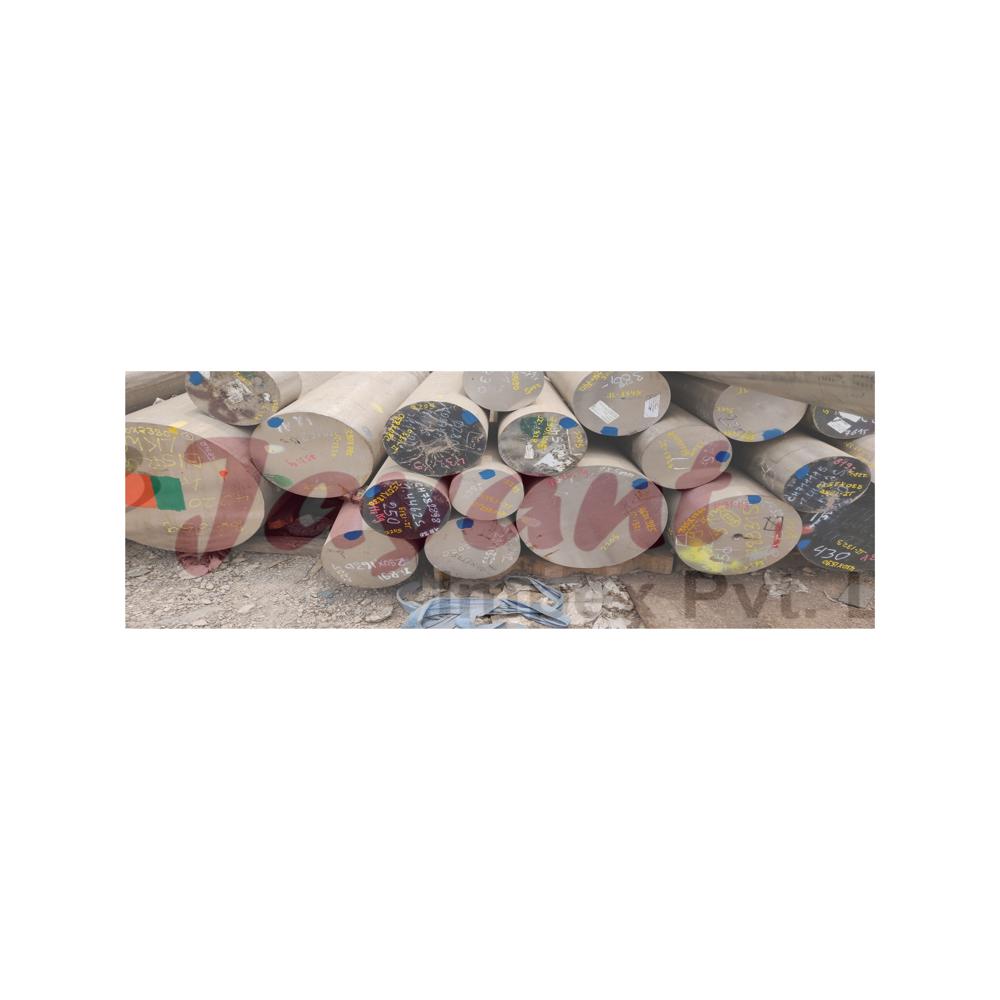
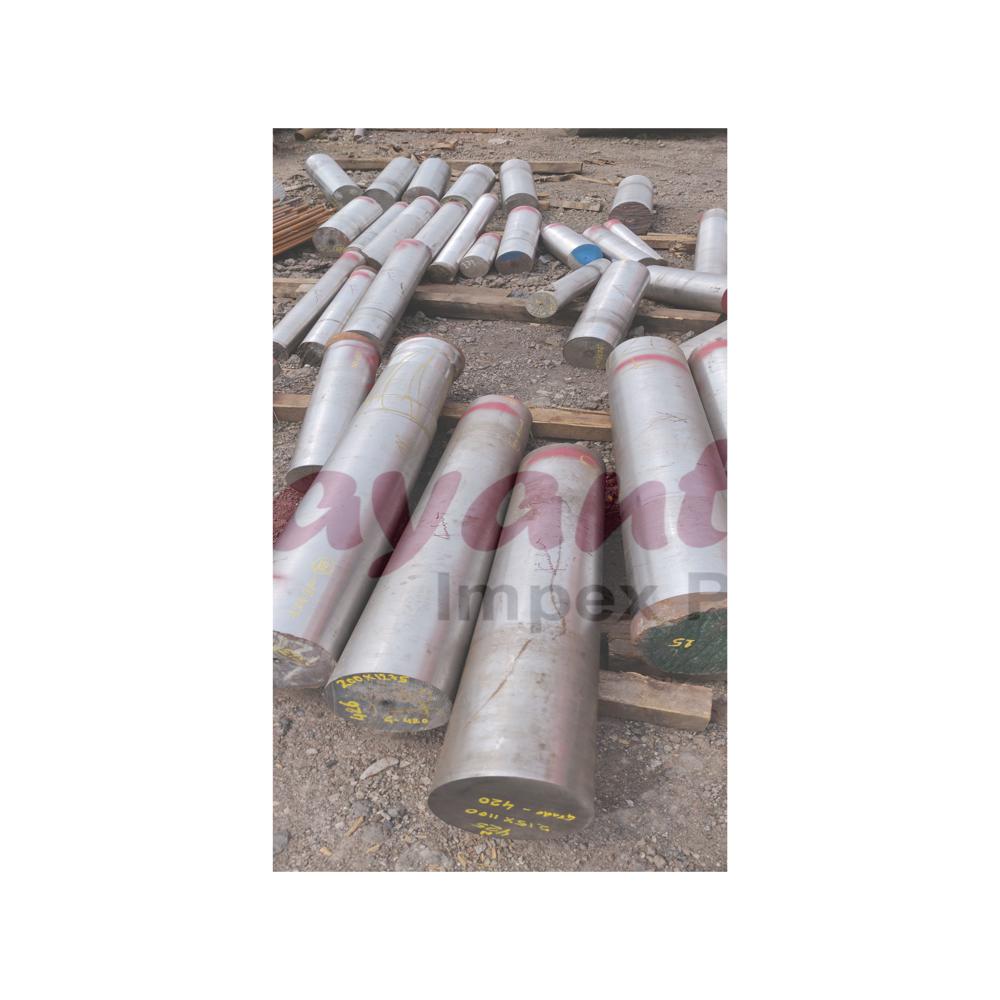
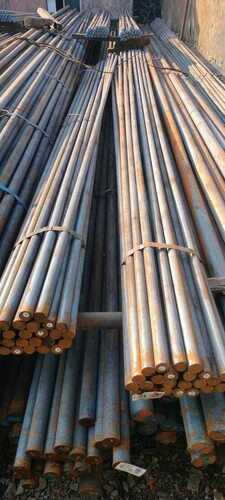
33NiCrMoV14-5 Alloy Steel Bars / 33NiCrMoV14-5 Rods / 33NiCrMoV14-5 Rings
498.0 INR/Kilograms
Product Details:
- Standard EN 10083, DIN 17225, AFNOR 35 NiCrMo 16, BS 5903 823M30
- Processing Normalized, Quenched & Tempered, Annealed, Hardened
- Finish Peeled, Polished, Bright, Black, Rough Turned
- Tolerance h8, h9, h10 or as required
- Technique Hot Rolled, Forged
- Length 2000 mm to 6000 mm (custom lengths available)
- Application Aerospace, Automotive, Power Transmission, Machine Building, Oil & Gas, Engineering Applications
- Click to view more
X
33NiCrMoV14-5 Alloy Steel Bars / 33NiCrMoV14-5 Rods / 33NiCrMoV14-5 Rings Price And Quantity
- 498.0 INR/Kilograms
- 1000 Kilograms
33NiCrMoV14-5 Alloy Steel Bars / 33NiCrMoV14-5 Rods / 33NiCrMoV14-5 Rings Product Specifications
- Peeled, Polished, Bright, Black, Rough Turned
- 2000 mm to 6000 mm (custom lengths available)
- Aerospace, Automotive, Power Transmission, Machine Building, Oil & Gas, Engineering Applications
- Normalized, Quenched & Tempered, Annealed, Hardened
- EN 10083, DIN 17225, AFNOR 35 NiCrMo 16, BS 5903 823M30
- Bars, Rods, Rings
- Hot Rolled, Forged
- High tensile and impact resistant parts, gears, shafts, and high-performance engineering components
- 33NiCrMoV14-5
- 16 mm to 250 mm
- h8, h9, h10 or as required
- 33NiCrMoV14-5 Alloy Steel
- Good (in normalized/tempered conditions)
- 700 MPa
- 35 J (at -20C)
- Annealed, Hardened & Tempered, Quenched & Tempered
- Tempered Martensite / Bainite (on request)
- Smooth, Ultra-Sonic Inspected
- 900 - 1200 MPa (depending on condition)
- Moderate, can be improved with coating
- EN 10204 3.1/3.2, NABL approved laboratory reports
- As rolled, Pre-machined, Hardened & Tempered
- 12% in 50 mm
- 250 - 320 HBW (depending on heat treatment)
Product Description
33NiCrMoV14-5 (Material Number 1.6952) is a high-performance, nickel-chromium-molybdenum-vanadium vacuum-melted alloy steel. It is engineered for applications requiring the absolute maximum in tensile strength, toughness, and hardenability, particularly in large cross-sections.
This steel is often categorized under the "Super High Strength" bracket and is frequently used in the power generation and aerospace industries.
Key Technical Specifications
1. Chemical Composition
The "V" in the designation indicates Vanadium, which refines the grain structure, while the high Nickel content ensures excellent impact toughness even at low temperatures.
-
Carbon (C): $0.30% - 0.37%$
-
Nickel (Ni): $3.30% - 3.80%$ (High toughness and hardenability)
-
Chromium (Cr): $1.20% - 1.50%$ (Corrosion resistance and hardness)
-
Molybdenum (Mo): $0.30% - 0.50%$ (Prevents temper brittleness)
-
Vanadium (V): $0.05% - 0.15%$ (Grain refinement)
2. Mechanical Performance (Typical Quenched & Tempered)
-
Tensile Strength ($sigma_u$): $1100 - 1300 text{ MPa}$
-
Yield Strength ($sigma_y$): $ge 900 text{ MPa}$
-
Elongation: $ge 13%$
-
Impact Energy (Charpy-V): High values even at $-40text{AC}$
Product Forms
Alloy Steel Bars & Rods
-
Processing: Usually supplied in black hot-rolled, peeled, or rough-machined condition.
-
Application: Used for high-stress shafts, turbine bolts, connecting rods, and heavy-duty axles.
-
Size Range: Commonly available from $phi 20 text{ mm}$ to $phi 500 text{ mm}$, though larger forged rounds can be custom-made.
Forged Rings
-
Processing: Produced via Seamless Rolled Ring Forging. This process aligns the grain flow circumferentially, which significantly increases the fatigue life and burst strength of the ring.
-
Application: Critical components for gas turbines, aerospace engine mounts, and high-pressure flanges.
Core Characteristics
-
Deep Hardenability: Unlike standard alloys, 33NiCrMoV14-5 can achieve uniform hardness through very thick sections (up to several hundred millimeters).
-
Fatigue Resistance: The vacuum-degassed melting process reduces impurities, leading to high fatigue strength under cyclic loading.
-
Thermal Stability: It maintains its mechanical integrity better than standard 4340 or 300M steels when exposed to moderately elevated temperatures.
Comparative Context
If you are moving between the materials weave discussed:
-
5082 Aluminium: For lightweight, corrosion-resistant marine structures.
-
2014 Aluminium: For high-strength aerospace skins/structures.
-
33NiCrMoV14-5 Steel: For the most extreme mechanical loads, where aluminium would simply fail due to stress or volume constraints.
Are you specifying this for a turbine component or a heavy-duty drivetrain application? This will help determine if you need it in the "Annealed" state for machining or "Pre-hardened" (T condition) for immediate use.
High Strength for Demanding Applications
33NiCrMoV14-5 Alloy Steel Bars, Rods, and Rings offer high tensile and yield strength, making them particularly suitable for parts subjected to heavy mechanical loads or impact. Their versatility means they are widely used in aerospace, power transmission, automotive industries, and in the fabrication of gears, shafts, and performance-critical engineering components.
Strict Quality Assurance and Certifications
Each batch undergoes rigorous ultrasonic inspection for internal soundness and is accompanied by test certificates as per EN 10204 3.1/3.2 and NABL-approved laboratory reports. This ensures every product delivered meets stringent international quality and material standards, adding reliability and assurance to end-users and manufacturers.
Custom Processing and Finishing Options
To meet diverse requirements, these alloy steel products can be supplied in various heat-treated states like annealed, hardened & tempered, or quenched & tempered. Surface finishes range from peeled and polished to bright or rough turned, with tight tolerances (h8, h9, h10) and customizable lengths/diameters possible, ensuring adaptability to different projects.
FAQ's of 33NiCrMoV14-5 Alloy Steel Bars / 33NiCrMoV14-5 Rods / 33NiCrMoV14-5 Rings:
Q: How is the hardness of 33NiCrMoV14-5 Alloy Steel Bars, Rods, and Rings achieved?
A: The hardness range of 250 - 320 HBW is obtained through precise heat treatment processes such as annealing, hardening & tempering, or quenching & tempering. The exact value depends on the final condition specified and the manufacturing process.Q: What surface conditions and inspection methods are available for these alloy steel products?
A: Products are supplied with a smooth surface, benefiting from options like peeled, polished, bright, or black finishes. Ultra-sonic inspection is performed to ensure internal quality and detect any flaws, guaranteeing reliable use in critical applications.Q: When should one choose 33NiCrMoV14-5 Alloy Steel for a project?
A: Select this alloy when your application requires a combination of high tensile strength, good impact resistance, and reliable performance in demanding environments, such as aerospace, automotive, or power transmission machinery.Q: Where can 33NiCrMoV14-5 Bars, Rods, or Rings be used most effectively?
A: They are especially effective in engineering applications like gears, shafts, and structural components where high mechanical strength and moderate corrosion resistance are essential. Industries such as oil & gas, aerospace, and automotive frequently utilize these materials.Q: What are the benefits of ordering from manufacturers in India?
A: Manufacturers, exporters, and suppliers in India often provide competitive pricing, strict adherence to international quality standards, and flexibility for custom orders (length, diameter, finish), making them an excellent choice for global buyers.Q: How does the processing technique influence the machinability and microstructure?
A: Machinability is optimized when the material is supplied in normalized or tempered conditions. The final microstructure, such as tempered martensite or bainite, can be tailored as per customer request to ensure optimal performance for the intended use.Tell us about your requirement

Price:
Quantity
Select Unit
- 50
- 100
- 200
- 250
- 500
- 1000+
Additional detail
Mobile number
Email

Other Products in 'Steel Bar' category

JAYANT IMPEX
GST : 27AAQFJ5764L1ZJ
GST : 27AAQFJ5764L1ZJ

- 6th, 605, Majestic Shopping Center, Jagannath Shankarseth Road, Girgaon,Mumbai - 400004, Maharashtra, India
- Phone : 08045800544

- Mr Shrenik Prakash Mehta (Director)
- Mobile : 08045800544
-
jayantimpex12@gmail.com


-
Share to



 Send Inquiry
 Send SMS
 Call Me Free
JAYANT IMPEX PVT. LTD. All Rights Reserved.(Terms of Use)
Developed and Managed by Infocom Network Private Limited. Terms of use | Returns Policy Member
Developed and Managed by Infocom Network Private Limited. Terms of use | Returns Policy Member
