 English
 Spanish
 French
 German
 Italian
 Chinese (Simplified)
 Japanese
 Korean
 Arabic
 Portuguese
 Call Us : 08045800544
 Call Us : 08045800544
 Get a Quote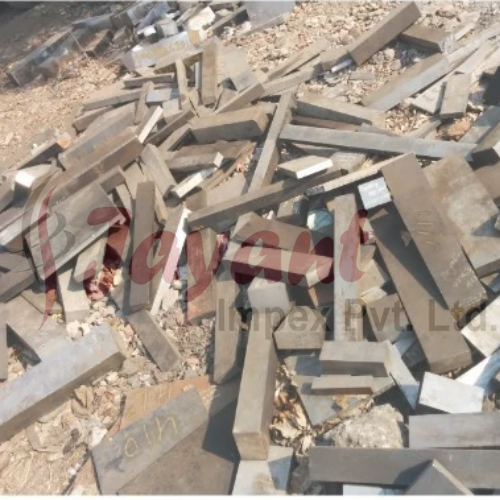
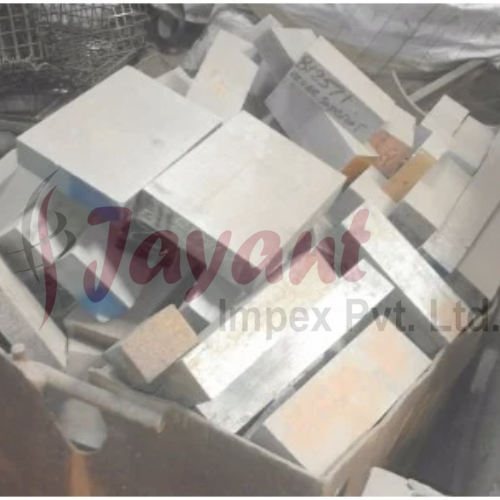
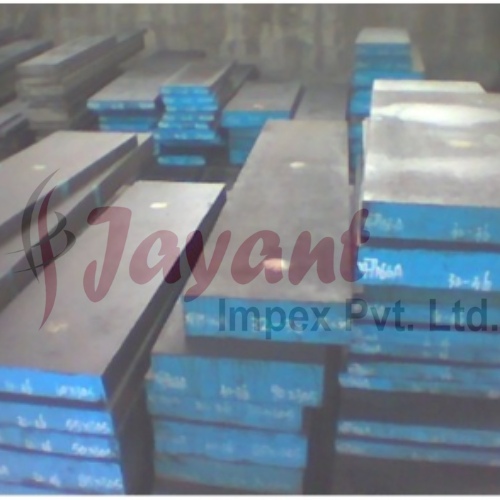
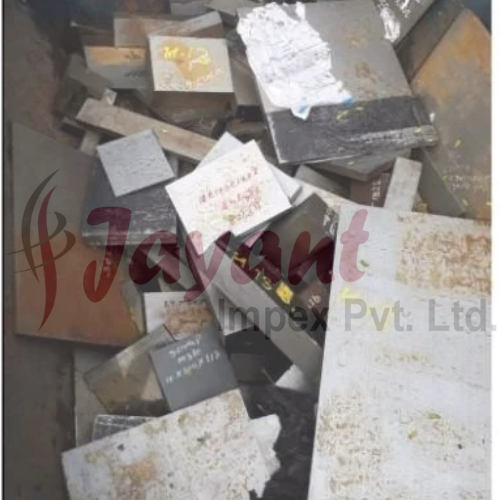
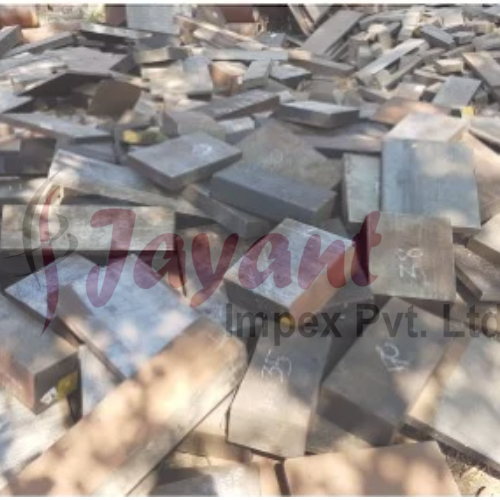
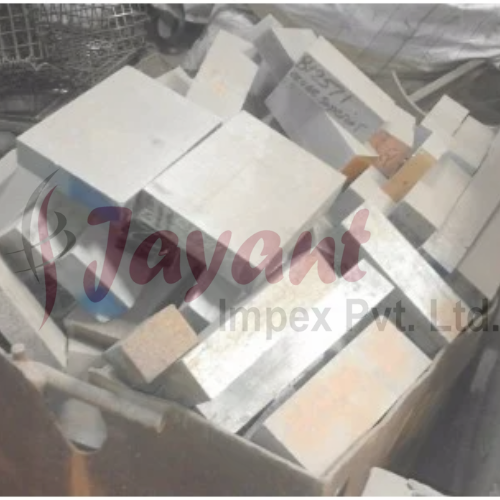
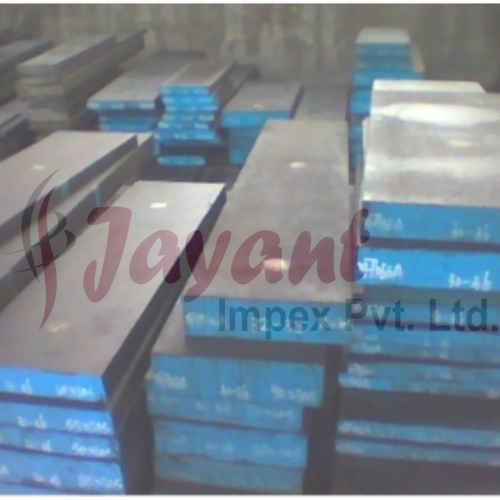
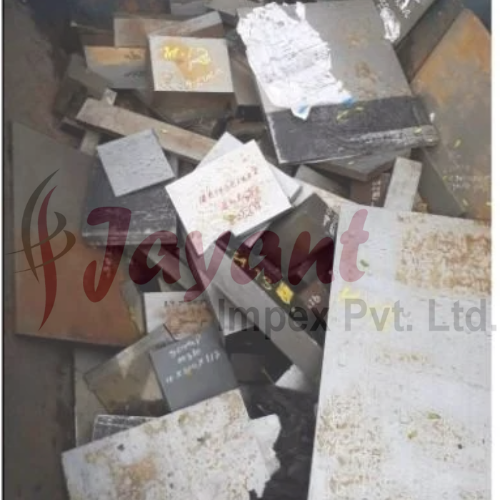
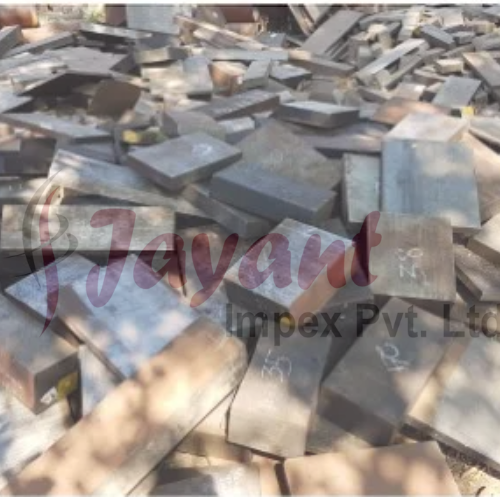
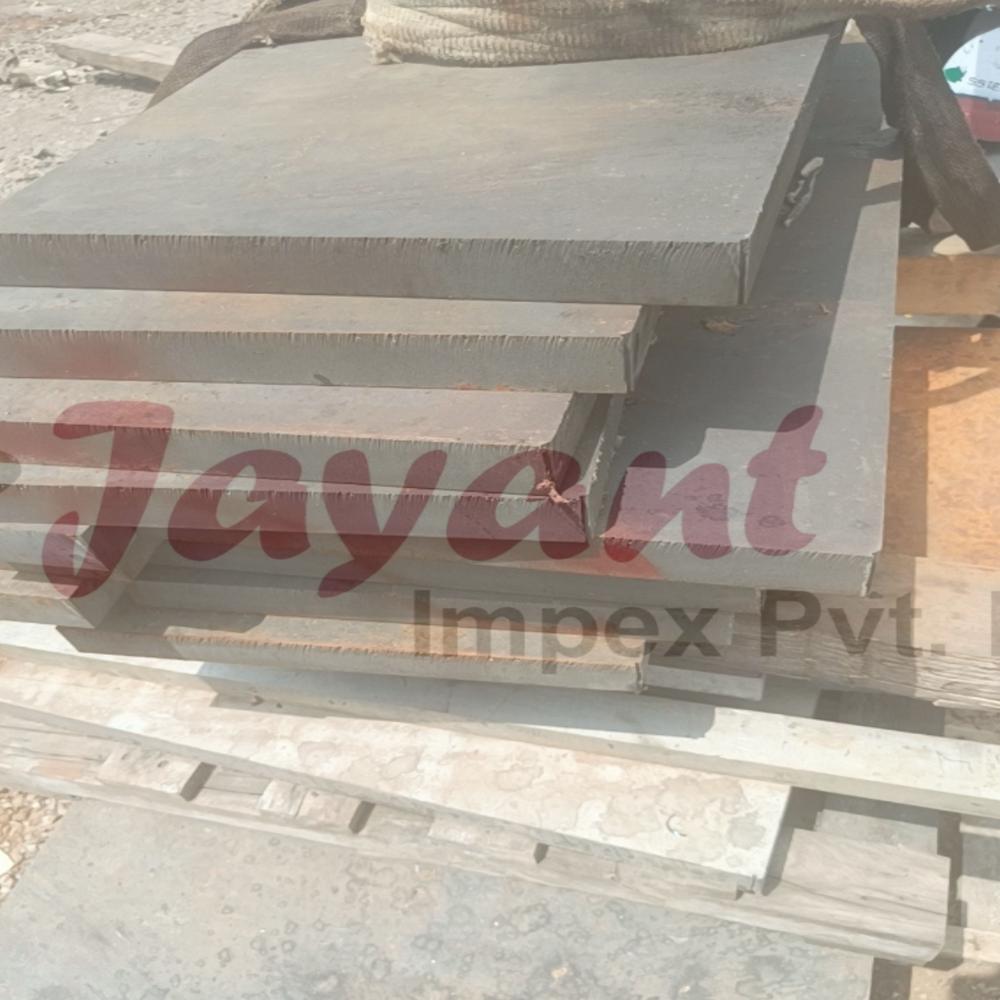
DIN 1.2316 Plastic Mould Steel Bars
331.0 INR/Kilograms
Product Details:
- Tensile Strength 850-1050 MPa
- Corrosion Resistant High
- Diameter Flat/rectangular sections; round on request
- Chemical Composition C: 0.33%, Si: 0.30%, Mn: 1.20%, Cr: 16.00%, Mo: 1.20%, V: 0.30%
- Heat Resistance Yes
- Recyclable Yes
- Size Available in various standard and customized sizes
- Click to view more
X
DIN 1.2316 Plastic Mould Steel Bars Price And Quantity
- 331.0 INR/Kilograms
- 1 Kilograms
DIN 1.2316 Plastic Mould Steel Bars Product Specifications
- Rectangular Bar/Flat/Block
- Yes
- Available in various standard and customized sizes
- Raw, ground, machined, or custom finish
- Chromium 16-18%, Carbon 0.33-0.45%, Molybdenum 1.0-1.5%, Manganese 0.8-1.2%, Silicon 0.3-0.5%, Vanadium 0.1-0.2%
- Annealed or hardened & tempered
- Bar/Block
- Grey metallic
- 850-1050 MPa
- Plastic moulds, dies, tool making, food processing, medical instruments
- DIN 1.2316 / X36CrMo17
- High
- Flat/rectangular sections; round on request
- C: 0.33%, Si: 0.30%, Mn: 1.20%, Cr: 16.00%, Mo: 1.20%, V: 0.30%
- Alloy Tool Steel
- Yes
- Variable as per size
- 240-260 HB (annealed); can be hardened up to 52 HRC
- Customizable as per requirement
- Uncoated; can be coated as per requirement
- Steel Bar
- Plastic injection moulding, medical tools, food industry
- As required, available up to 400mm and above
- 1.2316
- DIN 1.2316 Plastic Mould Steel Bar
- As per customer specification
- Chromium-Molybdenum Stainless Steel
- Black, peeled, ground, or rough turned
- DIN, EN, ASTM
- Annealed (soft), pre-machined or as requested
- Good (especially in annealed condition)
- Standard export packing, rust preventive applied
- As per standard or customer request
- Available
- To be confirmed based on quantity and size
- Limited, preheating required
- Cutting, machining, heat treatment
- Square/straight edge
- 7.8 g/cm3
- As per supplier terms
- Negotiable
Product Description
Material Classification and Cross Reference
| Material Designation | Alloy Family | Primary Form | Application Method | Equivalent Standard |
| DIN 1.2316 | Martensitic Stainless Tool Steel | Hot Rolled Forged Round Bar | Machining Precision EDM Polishing | EN ISO 4957 X38CrMo16 |
| DIN X36CrMo17 | Martensitic Stainless Tool Steel | Flat Bar Forged Block | Deep Cavity Injection Moulding | DIN 17350 Standard Grade |
| AISI 420F Modified | High Chromium Stainless Tool Steel | Turned Peeled Round Bar | CNC Milling Slotting Turning | ASTM A681 USA Grade |
| JIS SUS420J2 Modified | High Chromium Stainless Tool Steel | Precision Ground Flat Plate | Mirror Finish Mould Tooling | JIS G4303 Japanese Standard |
Nominal Chemical Composition
| Element | Element Name | Minimum Mass Fraction | Maximum Mass Fraction | Nominal Value |
| Fe | Iron | Balance | Balance | 79.40 |
| Cr | Chromium | 15.50 | 17.50 | 16.50 |
| Mo | Molybdenum | 0.80 | 1.30 | 1.05 |
| C | Carbon | 0.33 | 0.45 | 0.38 |
| Mn | Manganese | 0.00 | 1.00 | 0.60 |
| Si | Silicon | 0.00 | 1.00 | 0.50 |
| Ni | Nickel | 0.00 | 1.00 | 0.50 |
| P | Phosphorus | 0.00 | 0.03 | 0.015 |
| S | Sulfur | 0.00 | 0.03 | 0.015 |
Physical and Mechanical Properties
| Property | Value Range | Metric Units | Imperial Units |
| Density | 7.70 | Grams per Cubic Centimeter | 0.278 Pounds per Cubic Inch |
| Hardness Pre Hardened | 28 to 32 | Rockwell C | Rockwell C |
| Hardness Quenched and Tempered | 48 to 52 | Rockwell C | Rockwell C |
| Tensile Strength Ultimate | 950 to 1100 | Megapascals | 138000 to 160000 Pounds per Square Inch |
| Yield Strength | 800 to 920 | Megapascals | 116000 to 133000 Pounds per Square Inch |
| Modulus of Elasticity | 215 | Gigapascals | 31200000 Pounds per Square Inch |
| Thermal Conductivity at 20 Celsius | 18 to 20 | Watts per Meter Kelvin | 125 to 138 BTU Inch per Hour Square Foot Fahrenheit |
| Thermal Expansion Coefficient | 10.5 to 12.0 | Micrometers per Meter Kelvin | 5.83 to 6.67 Microinches per Inch Fahrenheit |
| Maximum Service Temperature | 400 | Celsius | 752 Fahrenheit |
Superior Corrosion and Heat Resistance
DIN 1.2316 bars exhibit high resistance to corrosion and perform reliably in environments up to 300C. This makes them ideal for moulds used in food and medical industries, as well as applications where prolonged exposure to moisture or chemicals is expected.
Versatile Processing and Finishing Options
These steel bars come in various shapes (rectangular, flat, block, and round) and can be supplied annealed, pre-machined, or in other finishes such as ground and peeled. Services include cutting, heat treatment, and machining, providing flexibility for diverse project demands.
Engineered for Precision and Performance
With tight tolerances and customizable dimensions, DIN 1.2316 bars ensure a precise fit for demanding mould and tool-making projects. Their superior hardness and machinability enable efficient, high-quality fabrication.
FAQ's of DIN 1.2316 Plastic Mould Steel Bars:
Q: How is DIN 1.2316 Plastic Mould Steel Bar commonly processed for use?
A: DIN 1.2316 bars are delivered in an annealed, soft state, making them easy to machine. Standard processing includes cutting, machining, heat treatment, and shaping. Customers may request additional manufacturing steps or specific finishes according to their application needs.Q: What benefits does DIN 1.2316 offer for plastic moulding applications?
A: This steel grade provides high corrosion and wear resistance, a smooth surface finish, and stability in high-humidity or chemically aggressive environments. Its ability to be hardened up to 52 HRC ensures long mould service life and high-quality moulded products.Q: When should preheating be considered in welding this steel?
A: Preheating is essential when welding DIN 1.2316 due to its limited weldability. Preheating reduces the risk of cracking and distortion, especially in heavier sections or when welding multiple layers, ensuring joint strength and integrity.Q: Where can DIN 1.2316 bars be used outside of mould making?
A: Beyond plastic injection moulds, these bars are suitable for food processing equipment, medical surgical tools, die-making, and any application benefitting from high strength and corrosion resistance.Q: What is the minimum order requirement and is OEM service available?
A: The minimum order quantity (MOQ) is negotiable and set as per the supplier's terms. OEM services are available, allowing production of customized bars tailored to brand and technical specifications.Q: How is the steel bar packaged and delivered to ensure quality?
A: Bars are protected with a rust preventive coating and packed using standard export packaging to prevent damage during transit. Lead time varies depending on order size and specifications and will be confirmed upon order placement.Q: What edge and surface types are available for these steel bars?
A: DIN 1.2316 bars can feature square or straight edges with surface options including black, peeled, ground, rough turned, or custom finishes as requested.Tell us about your requirement

Price:
Quantity
Select Unit
- 50
- 100
- 200
- 250
- 500
- 1000+
Additional detail
Mobile number
Email

Other Products in 'Steel Sheets And Plate' category

JAYANT IMPEX
GST : 27AAQFJ5764L1ZJ
GST : 27AAQFJ5764L1ZJ

- 6th, 605, Majestic Shopping Center, Jagannath Shankarseth Road, Girgaon,Mumbai - 400004, Maharashtra, India
- Phone : 08045800544

- Mr Shrenik Prakash Mehta (Director)
- Mobile : 08045800544
-
jayantimpex12@gmail.com


-
Share to



 Send Inquiry
 Send SMS
 Call Me Free
JAYANT IMPEX PVT. LTD. All Rights Reserved.(Terms of Use)
Developed and Managed by Infocom Network Private Limited. Terms of use | Returns Policy Member
Developed and Managed by Infocom Network Private Limited. Terms of use | Returns Policy Member
