 English
 Spanish
 French
 German
 Italian
 Chinese (Simplified)
 Japanese
 Korean
 Arabic
 Portuguese
 Call Us : 08045800544
 Call Us : 08045800544
 Get a Quote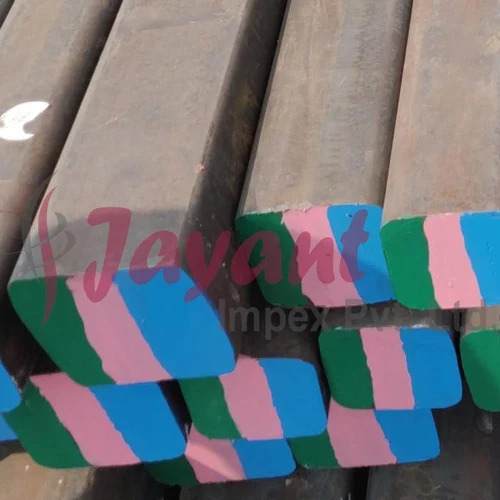
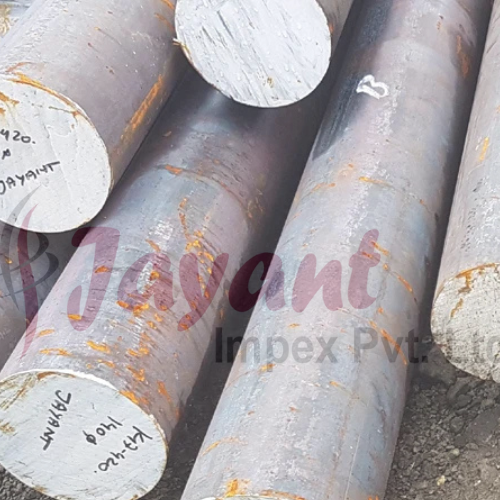
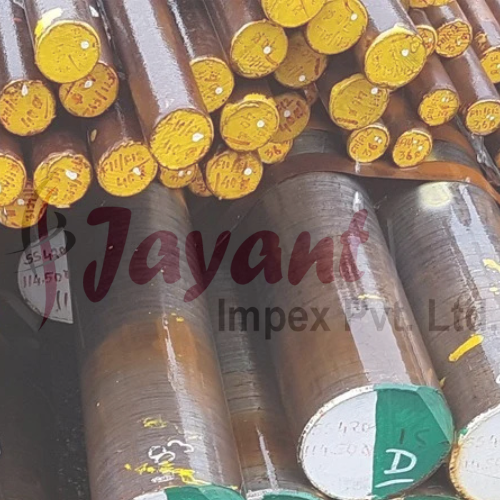
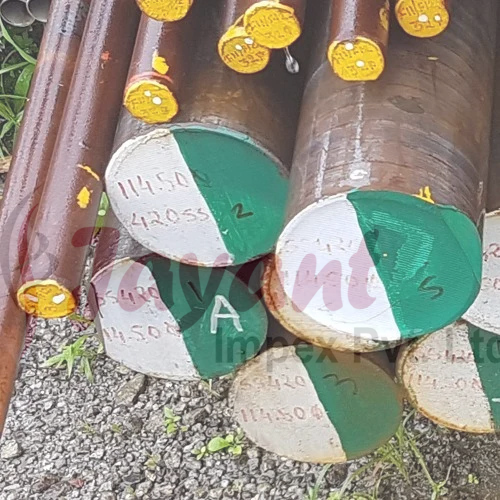
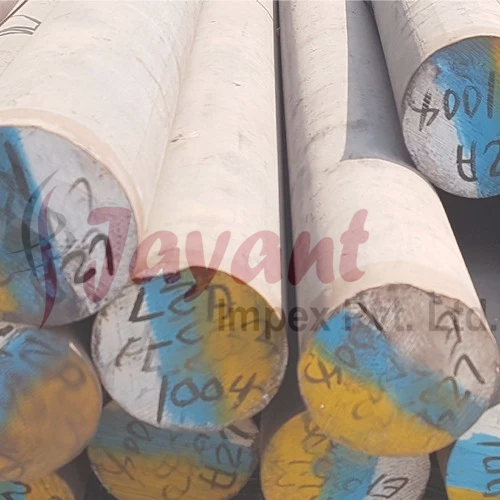
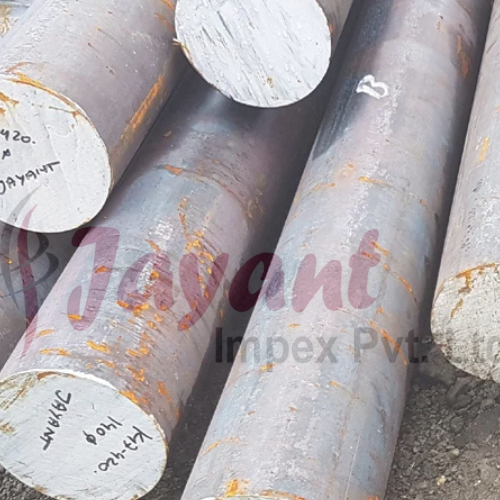
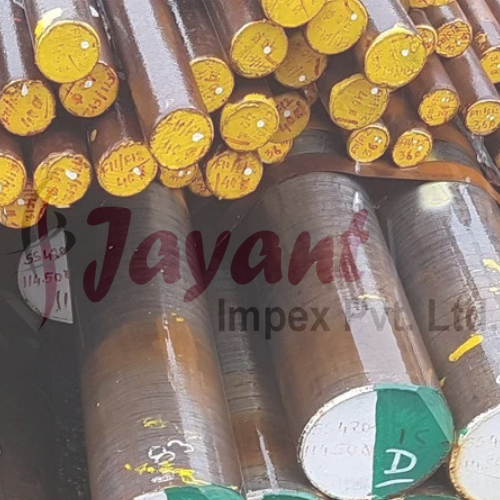
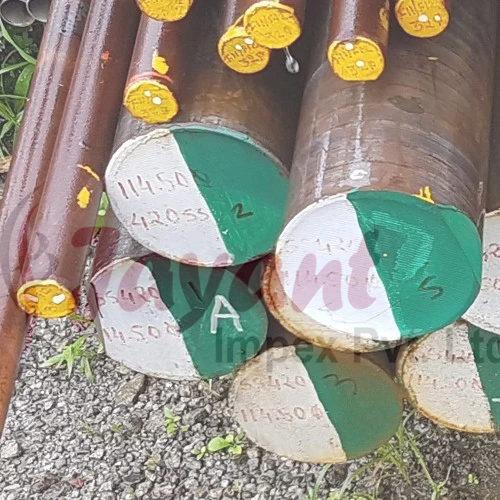
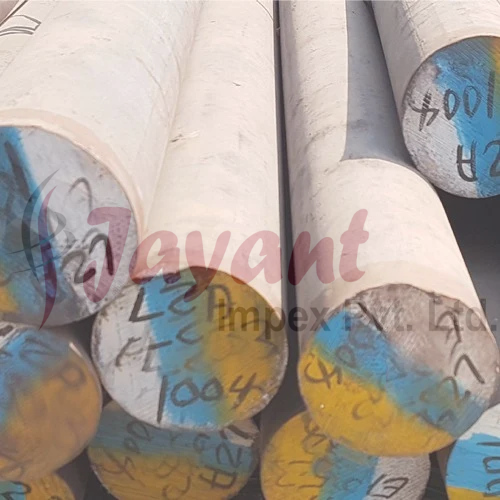
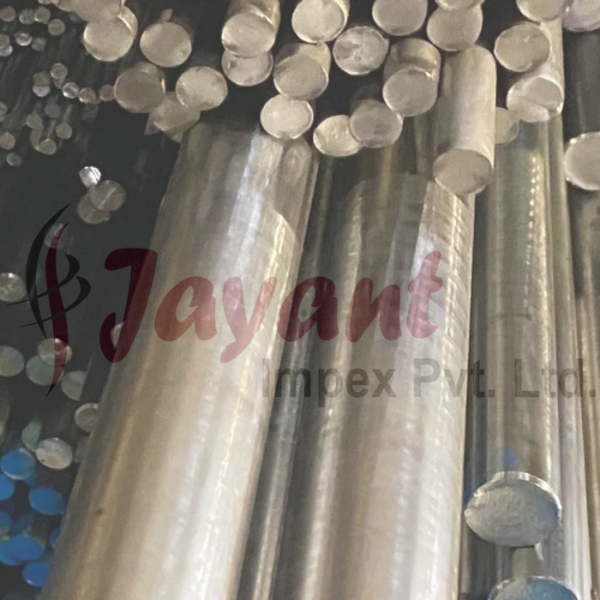
Die Steel Square - 1.2714, H13, H11, H12, D2, D3 Die Steel
110.0 INR/Kilograms
Product Details:
- Technique Hot Rolled / Forged
- Length Customizable / As required (typically 2 to 6 meters)
- Standard AISI / DIN / EN / JIS standards
- Specific Use Industrial tool making and die steel applications
- Material Die Steel (1.2714, H13, H11, H12, D2, D3)
- Grade 1.2714, H13, H11, H12, D2, D3
- Application Die making, forging dies, plastic moulds, extrusion dies, cutting tools, press tools
- Click to view more
X
Die Steel Square - 1.2714, H13, H11, H12, D2, D3 Die Steel Price And Quantity
- 1 Kilograms
- 110.0 INR/Kilograms
Die Steel Square - 1.2714, H13, H11, H12, D2, D3 Die Steel Product Specifications
- Die Steel (1.2714, H13, H11, H12, D2, D3)
- Industrial tool making and die steel applications
- AISI / DIN / EN / JIS standards
- Customizable / As required (typically 2 to 6 meters)
- Hot Rolled / Forged
- As per standards (custom upon request)
- Annealed / Hardened / Tempered
- N/A (Square Bar - specify side width instead)
- Square Bar
- Black / Rough / Peeled / Bright
- Die making, forging dies, plastic moulds, extrusion dies, cutting tools, press tools
- 1.2714, H13, H11, H12, D2, D3
- 7.8-7.9 g/cm3 (varies by grade)
- Hot Rolled, Black, Peeled, or as specified
- Cut lengths, full length bars, or customized sizes
- Available from 20mm up to 250mm or as required
- Automotive, Aerospace, Tool & Die, Metal Processing, Engineering
- Suitable for hardening, tempering, and forging
- Varies by grade; e.g., H13 ~ 0.40% C, 1.00% Si, 5.20% Cr, 1.30% Mo, 1.00% V
- Supplied in Annealed or Hardened condition, typical range 250-280 HB (annealed)
- Clean, scale free
Product Description
Technical Comparison Matrix
| Grade | Type | Primary Alloys | Key Strengths | Typical Hardness (HRC) | Best Application |
| DIN 1.2714 (55NiCrMoV7) | Hot Work | Ni, Cr, Mo, V | Massive shock resistance, deep through-hardening | 38 50 HRC | Drop hammer forging dies, bolster plates |
| AISI H13 (W.Nr. 1.2344) | Hot Work | 5% Cr, Mo, V | High red-hardness, excellent resistance to thermal cracking | 44 52 HRC | Aluminum die casting molds, extrusion dies |
| AISI H11 (W.Nr. 1.2343) | Hot Work | 5% Cr, Mo | Exceptional structural toughness, highly resistant to thermal shock | 44 50 HRC | Structural aircraft parts, hot punching punches |
| AISI H12 (W.Nr. 1.2606) | Hot Work | Cr, W, Mo, V | Superior hot wear resistance due to addition of Tungsten (W) | 46 54 HRC | Hot gripper dies, hot shear blades |
| AISI D2 (W.Nr. 1.2379) | Cold Work | 12% Cr, Mo, V | High carbon/chromium wear resistance, minimal heat-treat distortion | 58 62 HRC | Stamping dies, blanking punches, thread rolling |
| AISI D3 (W.Nr. 1.2080) | Cold Work | 12% Cr, High C | Maximum surface abrasion resistance; highly oil-hardening | 60 64 HRC | High-volume shear blades, cold drawing dies |
Hot Work vs. Cold Work Square Bars
Understanding how these grades divide by temperature boundaries simplifies the selection process for tooling blocks:
1. Hot Work Group (1.2714, H13, H11, H12)
These steels maintain their mechanical strength and yield properties at temperatures exceeding 400C.
-
Choose 1.2714 if your square die blocks will face intense, heavy kinetic hammer impacts where snapping or cracking is the primary failure risk.
-
Choose H13 or H11 if your tool faces intense heat cycling. Their 5% chromium content creates excellent protection against heat-checking (surface micro-cracking caused by rapid water-cooling/heating loops).
-
Choose H12 if your hot-work process requires better resistance to rubbing wear than H11 can offer, leveraging its tungsten alloying.
2. Cold Work Group (D2, D3)
These high-carbon, high-chromium steels are meant for room-temperature processes. They develop an incredibly high density of hard chromium carbides.
-
Choose D2 as the reliable, modern choice for high-precision stamping and cutting dies. It offers excellent deep through-hardening and stable dimensions during heat treatment.
-
Choose D3 for applications facing severe, sliding abrasive wear where minimal impact shock is present, as D3 has lower structural impact toughness compared to D2.
Supply & Sizing Status for Squares
Square bars are typically supplied in a soft-annealed state ($le$ 250 HBW) to ensure precision tooling workshops can readily mill, drill, and shape the pockets before final heat treatment.
-
Finishes: Black forged (rough scale skin) or pre-squared (bright milled on all four sides).
-
Ultrasonic Inspection: Large cross-sections (e.g., squares larger than 150x150 mm) should always be ordered under UT standards (SEP 1921 Class C/c or D/d) to ensure no internal core porosity exists.
Grades and Versatility
Our Die Steel Square Bars are available in popular grades such as 1.2714, H13, H11, H12, D2, and D3, making them suitable for a variety of demanding applications. Each grade brings unique properties, including superior hardness, toughness, and resistance to thermal fatigue. Whether your project involves forging dies, plastic moulds, or precision cutting tools, these steels provide reliable performance and flexibility.
Tailored to Your Specifications
We provide customized solutions with side widths from 20mm to 250mm and lengths typically between 2 to 6 meters. Clients can choose supplied conditions-annealed, hardened, or tempered-and various finishes like hot rolled, peeled, or bright. We accommodate precise tolerances to ensure the material fits your application, delivering in cut lengths or full bars as required.
Industrial Advantages and Key Applications
Die Steel Square Bars are prized for their strength, workability, and adaptability. Their chemical composition and processing make them excellent for die fabrication, forging, extrusion dies, and press tools. Used widely in automotive, aerospace, and engineering industries, these bars guarantee long-lasting performance and resistance to heavy industrial use, streamlining production processes and reducing tool replacement frequency.
FAQ's of Die Steel Square - 1.2714, H13, H11, H12, D2, D3 Die Steel:
Q: What are the main uses of Die Steel Square Bars in industries?
A: Die Steel Square Bars are primarily used for making dies, forging dies, plastic moulds, extrusion dies, cutting tools, and press tools. They find widespread applications in automotive, aerospace, tool & die, metal processing, and engineering industries due to their excellent toughness and durability.Q: How are Die Steel Square Bars processed and supplied?
A: These bars can be supplied in hot rolled, black, peeled, or bright finishes. They are delivered in either annealed or hardened condition, as per customer requirements. The supply can include cut lengths, full length bars (2 to 6 meters), or customized sizes to fit specific needs.Q: What benefits do different Die Steel grades like H13, D2, or 1.2714 offer?
A: Each grade offers unique advantages. For example, H13 is known for its high heat resistance and toughness, making it ideal for hot working applications; D2 provides exceptional wear resistance, suited for cutting tools; and 1.2714 excels in die making and forging due to its hardenability and strength.Q: Where can Die Steel Square Bars be sourced in India, and who supplies them?
A: These steel bars are widely available across India through dealers, exporters, fabricators, manufacturers, producers, suppliers, retailers, and traders. They cater to both domestic and international markets and are available with certification to AISI, DIN, EN, and JIS standards.Q: Can Die Steel Square Bars be heat treated? What processes are applicable?
A: Yes, these steels are suitable for a range of heat treatments such as hardening, tempering, and even forging, depending on the grade. This allows buyers to achieve specific mechanical properties for their intended tooling or die making application.Q: How is the chemical composition determined for each grade?
A: The chemical composition varies by grade. For instance, H13 typically contains around 0.40% carbon, 1.00% silicon, 5.20% chromium, 1.30% molybdenum, and 1.00% vanadium. Custom specifications can be provided upon request, ensuring the material suits the desired application.Q: What are the typical supply conditions and tolerances for Die Steel Square Bars?
A: Bars are supplied to standard tolerances as per industry norms, with custom tolerances available on request. The delivery state can be hot rolled, peeled, annealed, hardened, or tempered, and the surface is always provided clean and scale-free, ready for industrial use.Tell us about your requirement

Price:
Quantity
Select Unit
- 50
- 100
- 200
- 250
- 500
- 1000+
Additional detail
Mobile number
Email

Other Products in 'Steel Bar' category

JAYANT IMPEX
GST : 27AAQFJ5764L1ZJ
GST : 27AAQFJ5764L1ZJ

- 6th, 605, Majestic Shopping Center, Jagannath Shankarseth Road, Girgaon,Mumbai - 400004, Maharashtra, India
- Phone : 08045800544

- Mr Shrenik Prakash Mehta (Director)
- Mobile : 08045800544
-
jayantimpex12@gmail.com


-
Share to



 Send Inquiry
 Send SMS
 Call Me Free
JAYANT IMPEX PVT. LTD. All Rights Reserved.(Terms of Use)
Developed and Managed by Infocom Network Private Limited. Terms of use | Returns Policy Member
Developed and Managed by Infocom Network Private Limited. Terms of use | Returns Policy Member
