 English
 Spanish
 French
 German
 Italian
 Chinese (Simplified)
 Japanese
 Korean
 Arabic
 Portuguese
 Call Us : 08045800544
 Call Us : 08045800544
 Get a Quote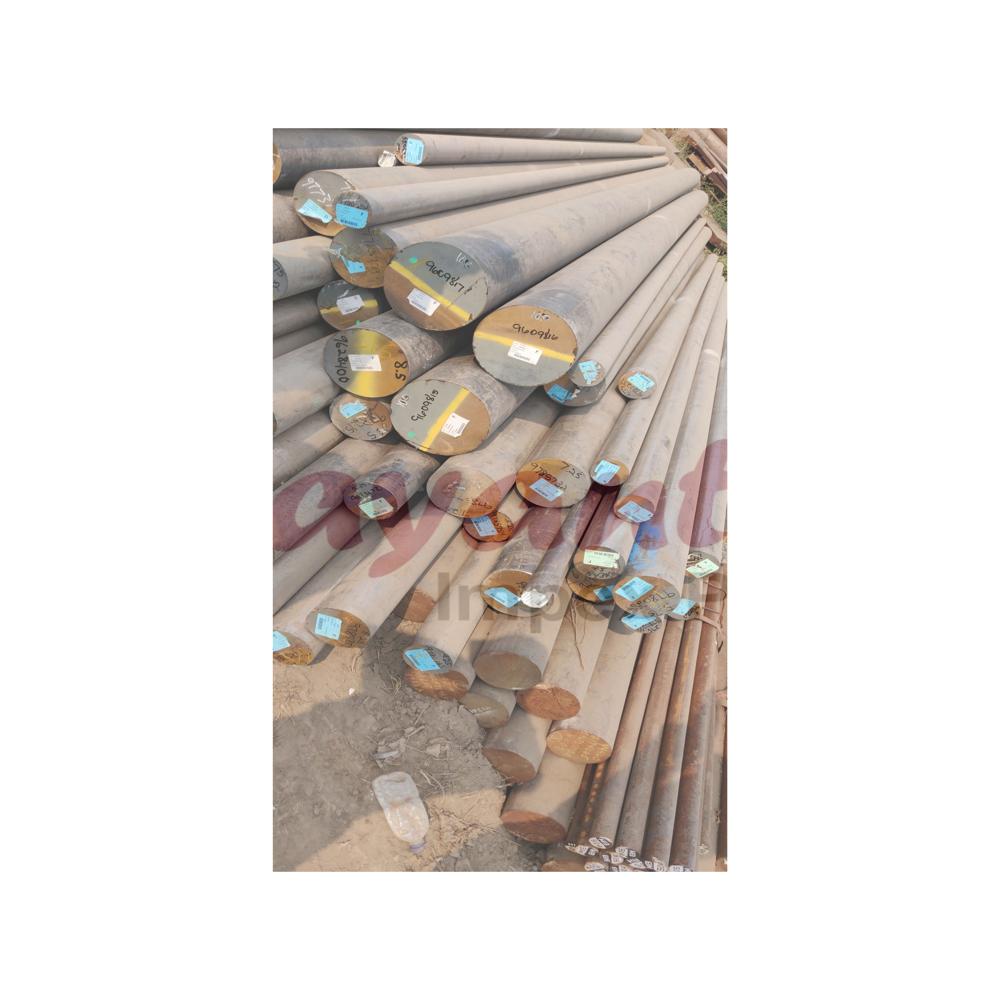
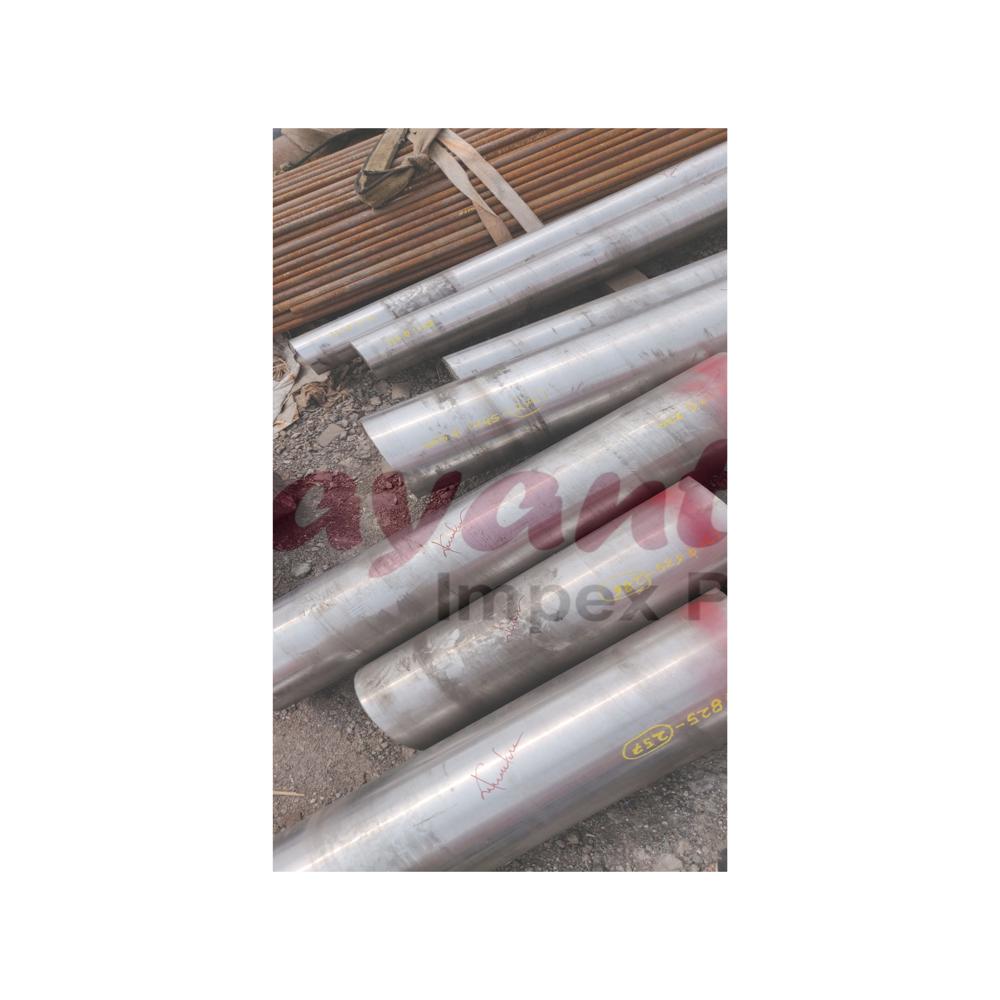
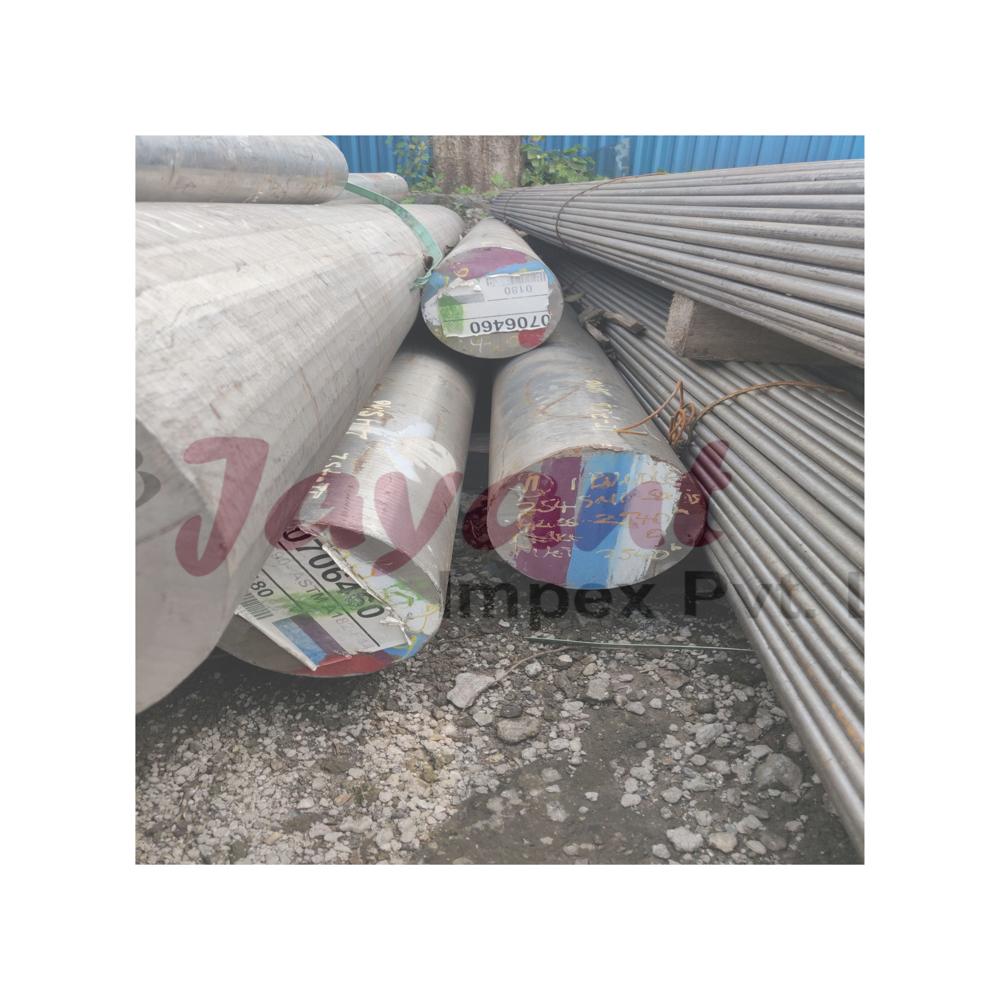
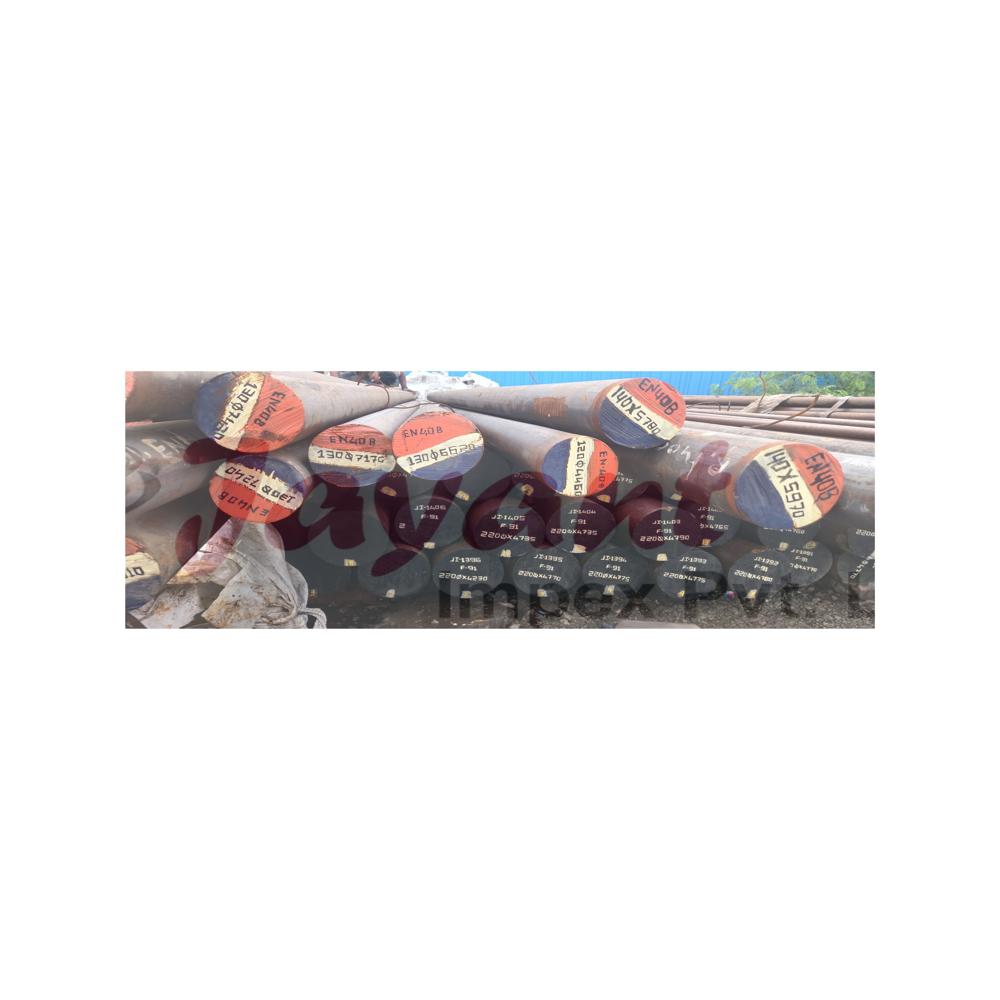
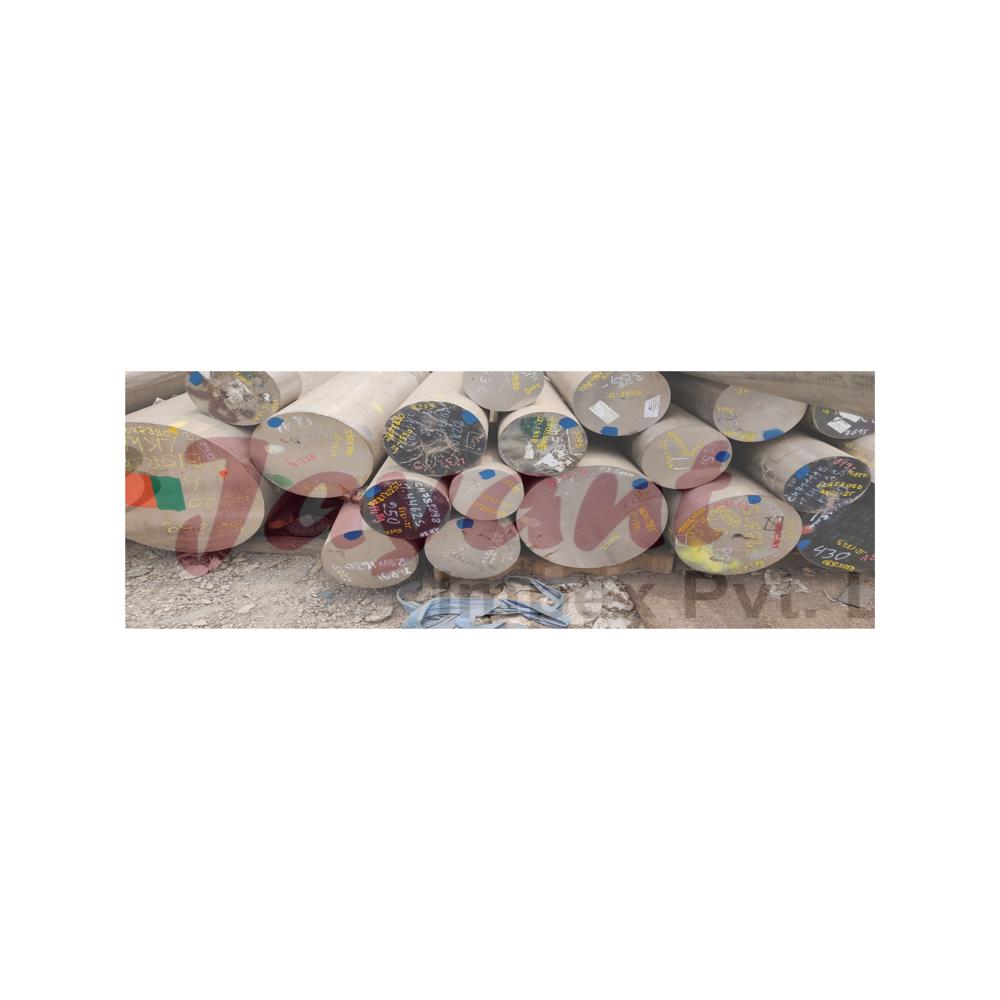
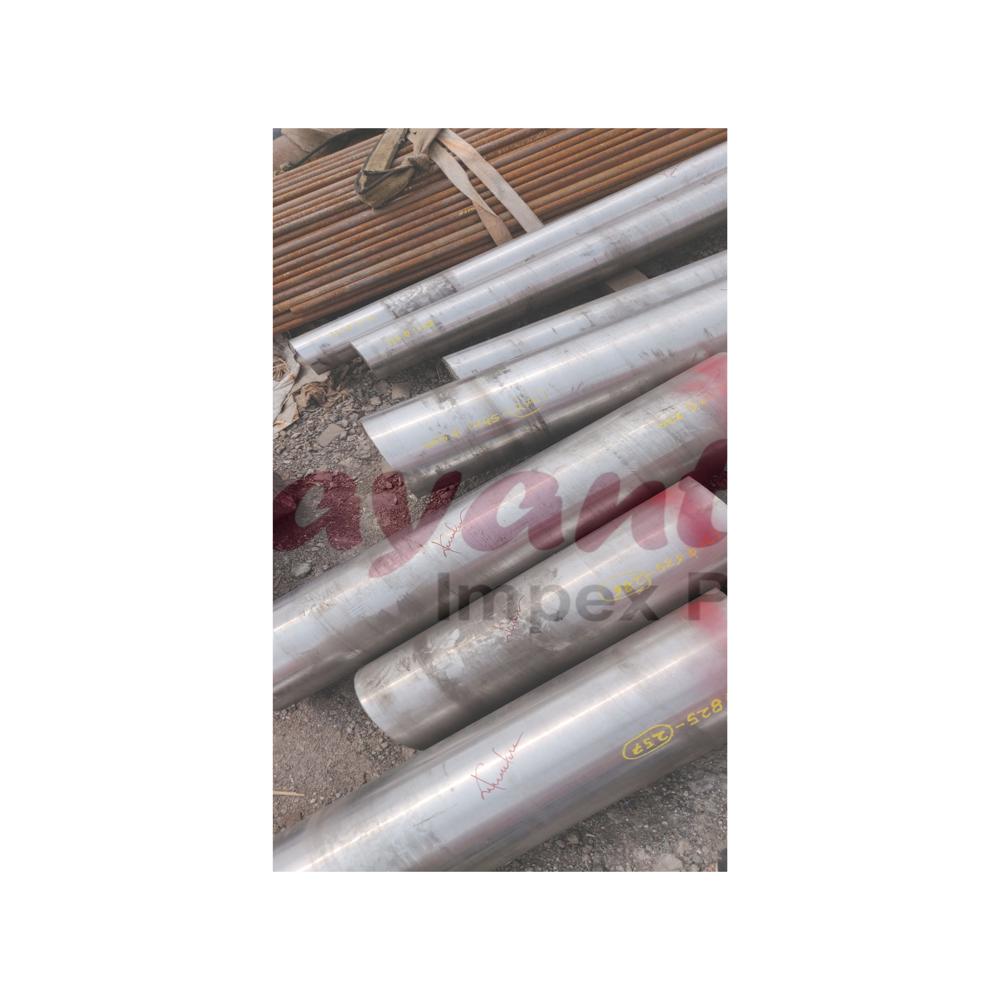
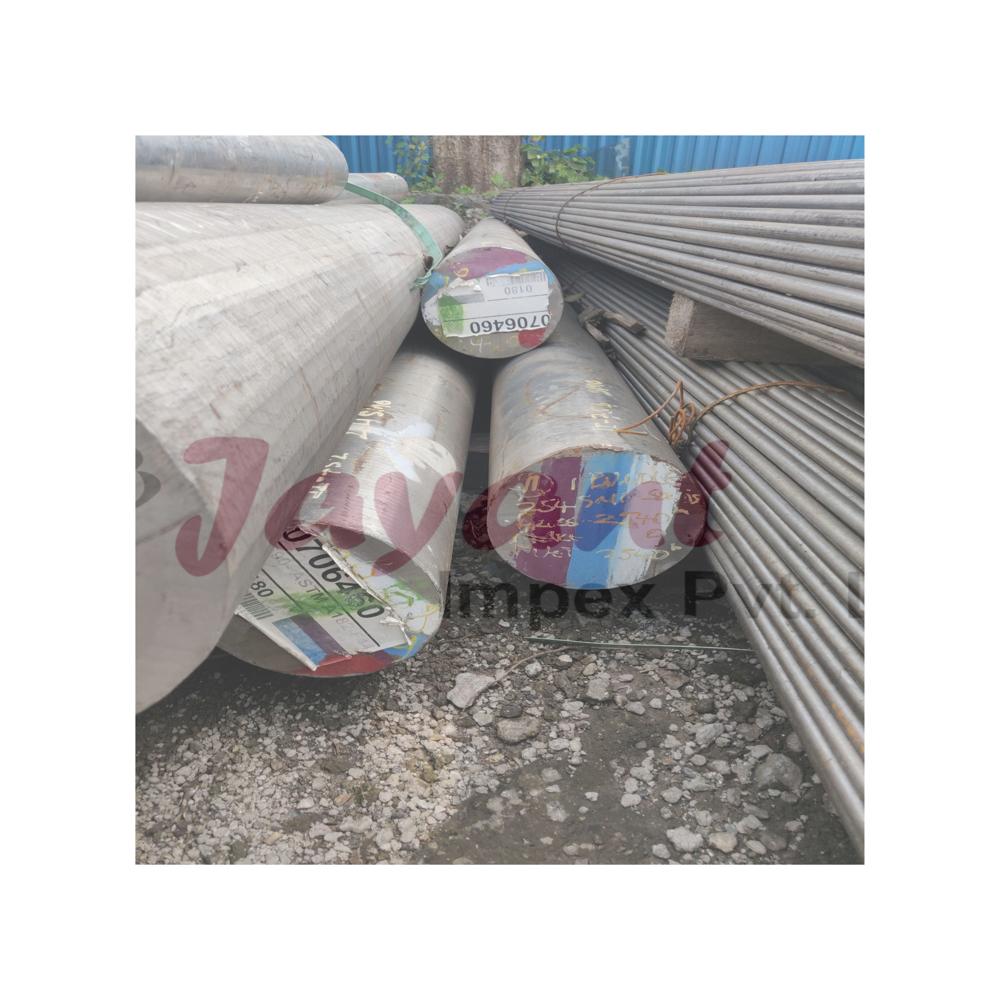
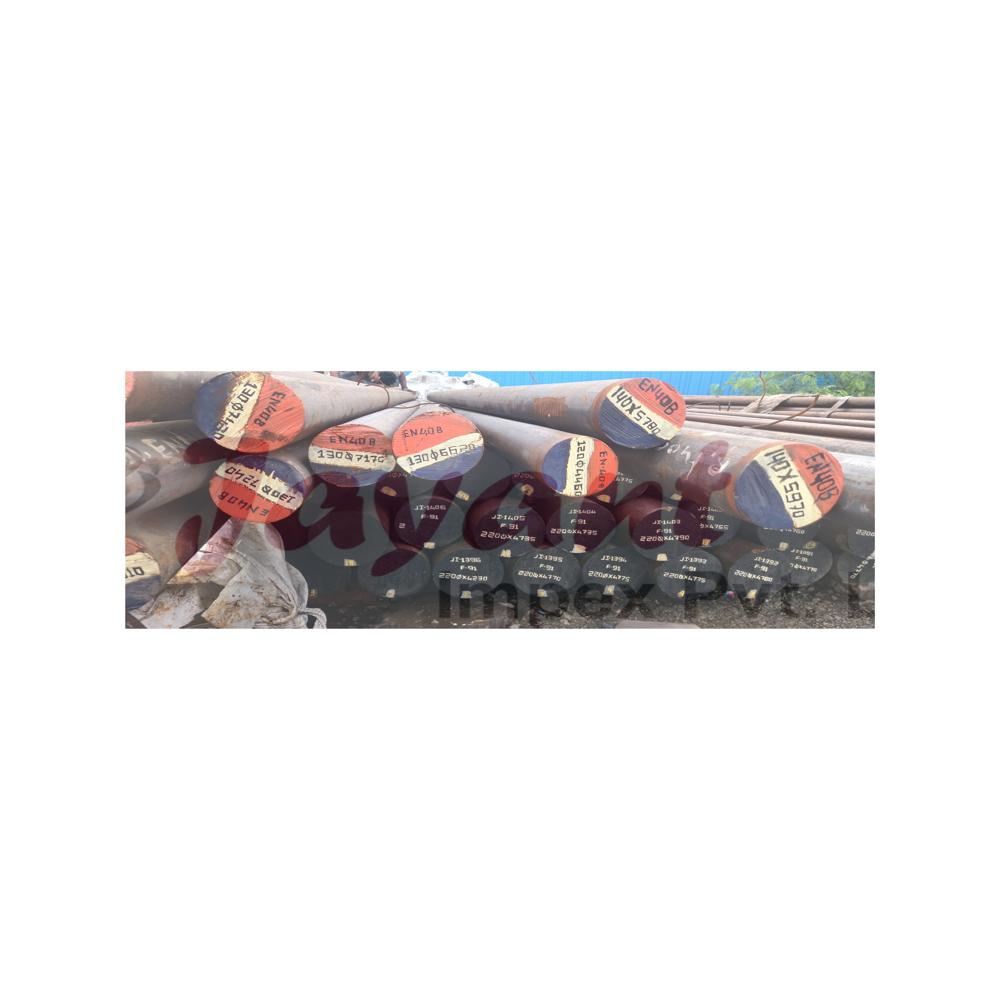
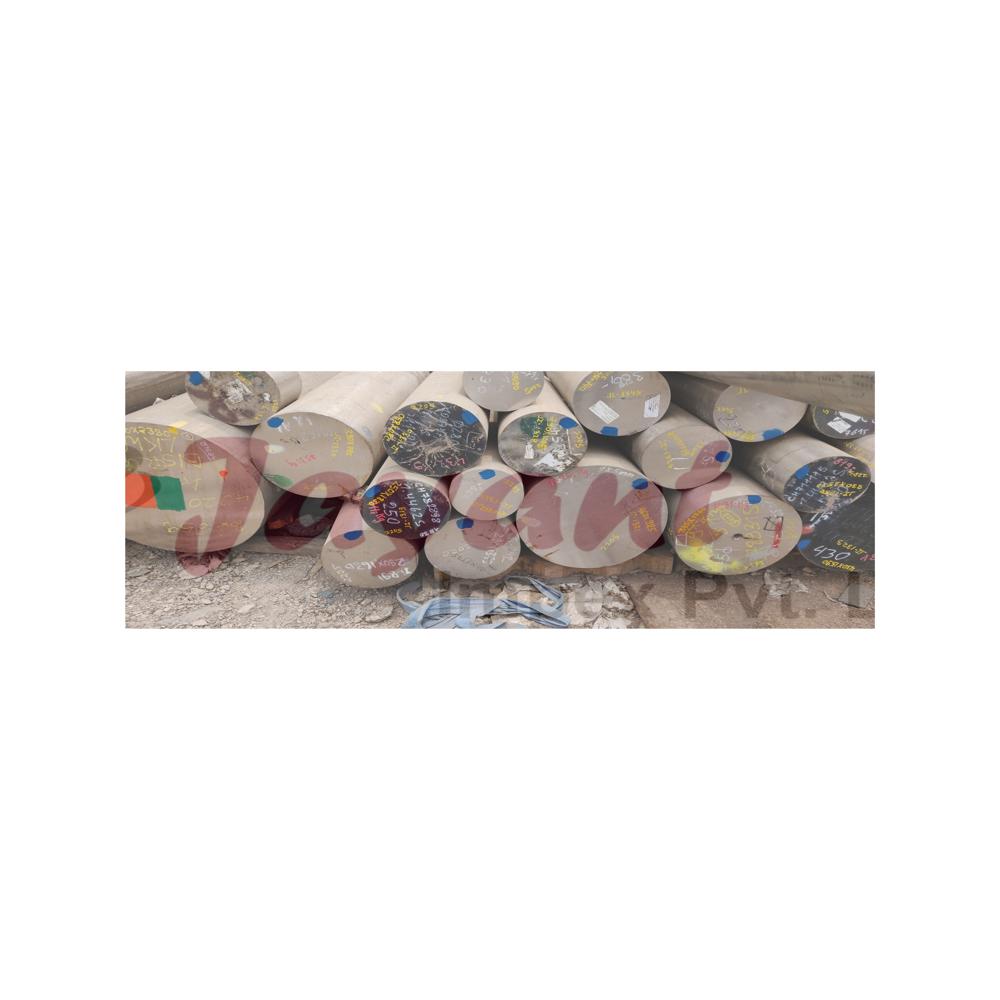
Chrome Moly SAE AISI 4130 Alloy Steel Bars
95.0 INR/Kilograms
Product Details:
- Type Round Bar
- Processing Quenched and Tempered, Normalized, Annealed
- Tolerance H9, H10, H11 or as specified
- Material Chrome Moly SAE AISI 4130 Alloy Steel
- Grade 4130
- Length 2 to 6 meters or as required
- Technique Hot Rolled / Forged
- Click to view more
X
Chrome Moly SAE AISI 4130 Alloy Steel Bars Price And Quantity
- 1000 Kilograms
- 95.0 INR/Kilograms
Chrome Moly SAE AISI 4130 Alloy Steel Bars Product Specifications
- H9, H10, H11 or as specified
- Quenched and Tempered, Normalized, Annealed
- Round Bar
- 4130
- Chrome Moly SAE AISI 4130 Alloy Steel
- Hot Rolled / Forged
- 2 to 6 meters or as required
- Aerospace, Oil and Gas, Automotive, Structural, Mechanical Parts
- High strength components, welded structures, shafts, machine parts
- ASTM A29/A29M, AISI 4130, SAE J404
- 10 mm to 300 mm
- Bright, Polished, Black, Peeled
- Suitable for quenching and tempering
- Good
- High, suitable for critical applications
- Free from cracks, scales, and other surface defects
- 20% minimum in 50mm
- Hardness typically 200-250 HB (annealed)
- 7.85 g/cm3
- Round
- 560-670 MPa (as rolled/normalized)
- 460 MPa minimum (as rolled/normalized)
- Excellent, pre and post weld heat treatment recommended
Product Description
SAE AISI 4130 is perhaps the most famous and widely used "Chrome-Moly" alloy steel in the world. Unlike the high-heat pressure vessel grades weve discussed (like 1.7380 or F9), 4130 is a structural grade prized for its exceptional strength-to-weight ratio and versatility.
1. Key Characteristics
-
High Strength-to-Weight Ratio: Allows for thinner, lighter components without sacrificing structural integrity.
-
Toughness: Excellent fatigue strength and impact resistance.
-
Weldability: Unlike many high-alloy steels, 4130 is easily weldable (via TIG or MIG) because of its lower carbon content, making it a favorite for frame builders.
-
Hardenability: It responds excellently to heat treatment (Quench and Temper) to reach very high strength levels.
2. Chemical Composition (%)
The "41" indicates it is a Chromium-Molybdenum steel, and "30" indicates a nominal carbon content of 0.30%.
| Element | Carbon (C) | Manganese (Mn) | Chromium (Cr) | Molybdenum (Mo) | Silicon (Si) |
| Value | 0.28 0.33 | 0.40 0.60 | 0.80 1.10 | 0.15 0.25 | 0.15 0.35 |
3. Mechanical Properties
Properties vary significantly depending on the heat treatment. Below are typical values for Normalized 4130:
-
Tensile Strength: 97,000 psi (670 MPa)
-
Yield Strength: 63,000 psi (435 MPa)
-
Elongation: 25% (in 50mm)
-
Hardness: 200 HBW (approx. 90-95 Rockwell B)
Note: When Quenched and Tempered, the Tensile Strength can exceed 150,000 psi.
4. Common Forms of 4130 Bars
-
Round Bars: Used for shafts, pins, and heavy-duty bolts.
-
Hex Bars: Common for specialized fasteners.
-
Conditions: * Normalized: Most common; offers a good balance of strength and ductility.
-
Annealed: Softest state; best for heavy machining.
-
Quenched & Tempered (Q&T): Maximum strength; ready for high-load applications.
-
5. Primary Applications
If 1.7380 is for power plants, 4130 is for motion and impact:
-
Aerospace: Engine mounts, welded tubing frames, and structural supports.
-
Motorsports: Roll cages, suspension components, and chassis for race cars/mountain bikes.
-
Oil & Gas: "Mud motors," tool joints, and drill collars (often specified under API 6A).
-
Machine Tools: Arbors, spindles, and chucks.
6. Welding and Fabrication Tips
-
Preheating: For thin-walled tubing (under 3mm), preheating is often not required. For thick round bars, preheating to 150C200C is recommended to prevent hydrogen cracking.
-
Filler Metal: ER80S-D2 is the standard filler wire used to match the strength and properties of 4130.
-
Machinability: In the annealed state, it has a machinability rating of about 70% (relative to 1212 carbon steel). It machines cleanly but requires more power than standard low-carbon steels.
4130 vs. 4140: Which do you need?
-
4130: Better for welding and structural frames (Lower carbon).
-
4140: Better for high-strength machinery parts and wear resistance (Higher carbon, but harder to weld).
Exceptional Mechanical Performance
SAE AISI 4130 alloy steel bars deliver a reliable combination of high impact strength, toughness, and ductility. The 4130 grade exhibits outstanding yield and tensile strength, with elongation suitable for engineering applications that demand superior mechanical properties under stress. This makes them ideal for critical engineering components and welded structures requiring both durability and resilience.
Versatility in Processing and Applications
These alloy steel round bars can be processed through quenching, tempering, normalization, or annealing to achieve specific mechanical attributes. With excellent machinability and weldability-when correct heat treatments are applied-they find extensive use in aerospace, automotive, oil and gas, and structural mechanical parts. The bright, polished, black, and peeled finishes suit diverse application requirements and enhance their performance in various environments.
FAQ's of Chrome Moly SAE AISI 4130 Alloy Steel Bars:
Q: How is Chrome Moly SAE AISI 4130 Alloy Steel Bar processed to achieve its mechanical properties?
A: The 4130 steel bar achieves its mechanical properties through heat treatments such as quenching, tempering, normalization, or annealing. These processes enhance hardness, strength, and toughness, making the material suitable for critical engineering and structural applications.Q: What industries commonly use SAE AISI 4130 Alloy Steel Bars, and why?
A: Industries such as aerospace, oil and gas, automotive, and mechanical engineering use 4130 alloy steel bars due to their high strength, good machinability, and excellent weldability. These features are especially valued in high-strength components and welded structures.Q: When is pre and post weld heat treatment recommended for 4130 steel bars?
A: Pre and post weld heat treatment is recommended for 4130 steel bars during fabrication to alleviate residual stresses and maintain toughness at the weld joint. This practice enhances weld integrity, particularly in critical applications or where high structural reliability is required.Q: Where can the Chrome Moly SAE AISI 4130 Alloy Steel Bars be sourced from in India?
A: These steel bars are available across India through authorized dealers, exporters, fabricators, manufacturers, producers, retailers, suppliers, and traders specializing in alloy steel products, offering various sizes, finishes, and lengths as needed for industrial use.Q: How does the surface condition of 4130 alloy steel bars contribute to their usage?
A: The bars are manufactured to be free from cracks, scales, and surface defects, ensuring high durability and reducing the risk of failure in service. Their polished, bright, black, or peeled finishes enhance corrosion resistance, making them suitable for demanding environments.Q: What are the benefits of using AISI 4130 alloy steel bars for high-strength components?
A: Using 4130 alloy steel provides benefits such as high strength-to-weight ratio, excellent impact resistance, and adaptability to various heat treatments and machining processes, ensuring reliable performance in safety-critical and high-stress environments.Tell us about your requirement

Price:
Quantity
Select Unit
- 50
- 100
- 200
- 250
- 500
- 1000+
Additional detail
Mobile number
Email

Other Products in 'Steel Bar' category

JAYANT IMPEX
GST : 27AAQFJ5764L1ZJ
GST : 27AAQFJ5764L1ZJ

- 6th, 605, Majestic Shopping Center, Jagannath Shankarseth Road, Girgaon,Mumbai - 400004, Maharashtra, India
- Phone : 08045800544

- Mr Shrenik Prakash Mehta (Director)
- Mobile : 08045800544
-
jayantimpex12@gmail.com


-
Share to



 Send Inquiry
 Send SMS
 Call Me Free
JAYANT IMPEX PVT. LTD. All Rights Reserved.(Terms of Use)
Developed and Managed by Infocom Network Private Limited. Terms of use | Returns Policy Member
Developed and Managed by Infocom Network Private Limited. Terms of use | Returns Policy Member
