 English
 Spanish
 French
 German
 Italian
 Chinese (Simplified)
 Japanese
 Korean
 Arabic
 Portuguese
 Call Us : 08045800544
 Call Us : 08045800544
 Get a Quote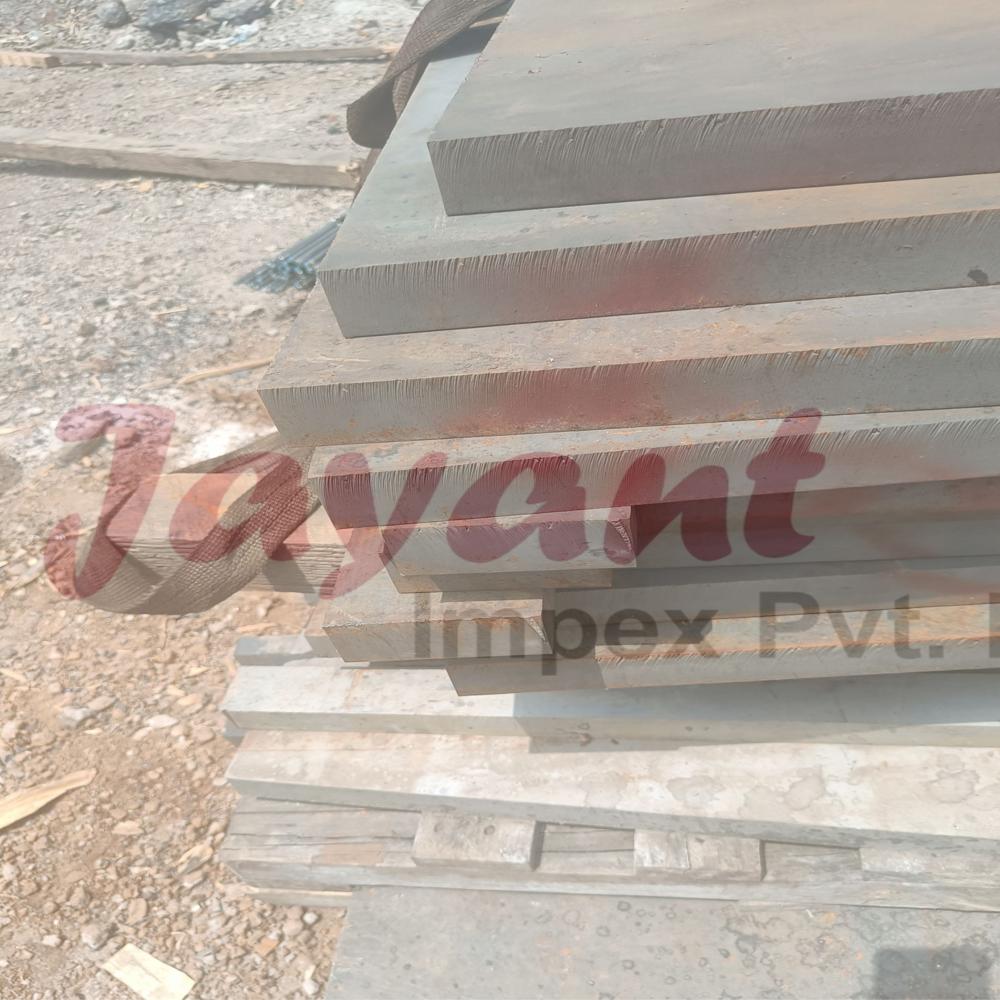
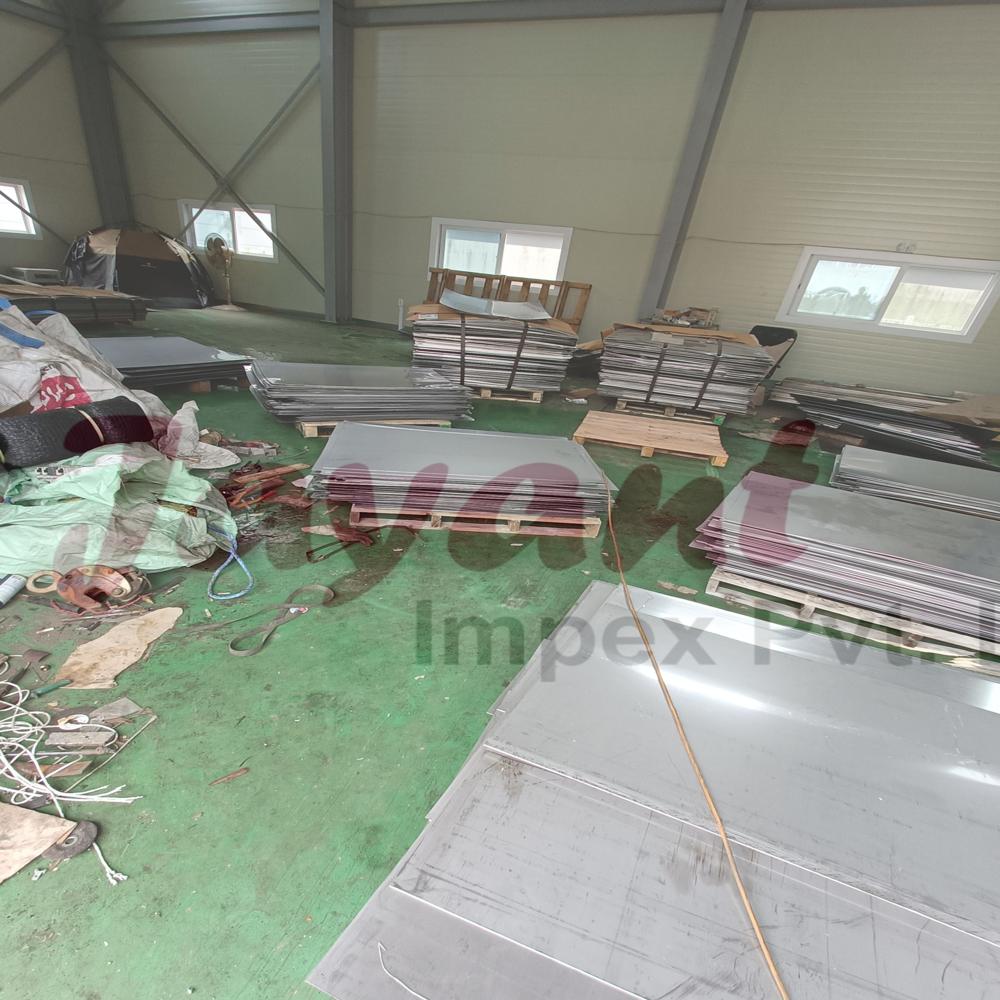
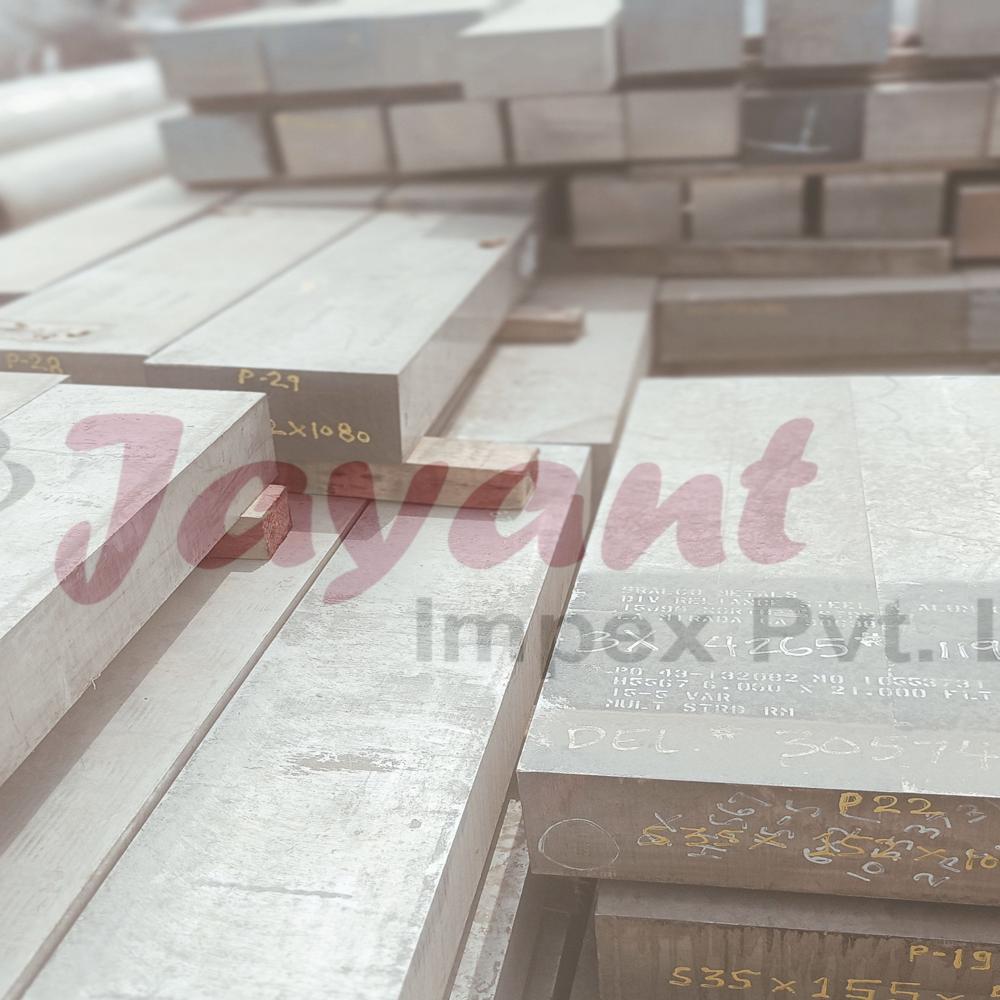
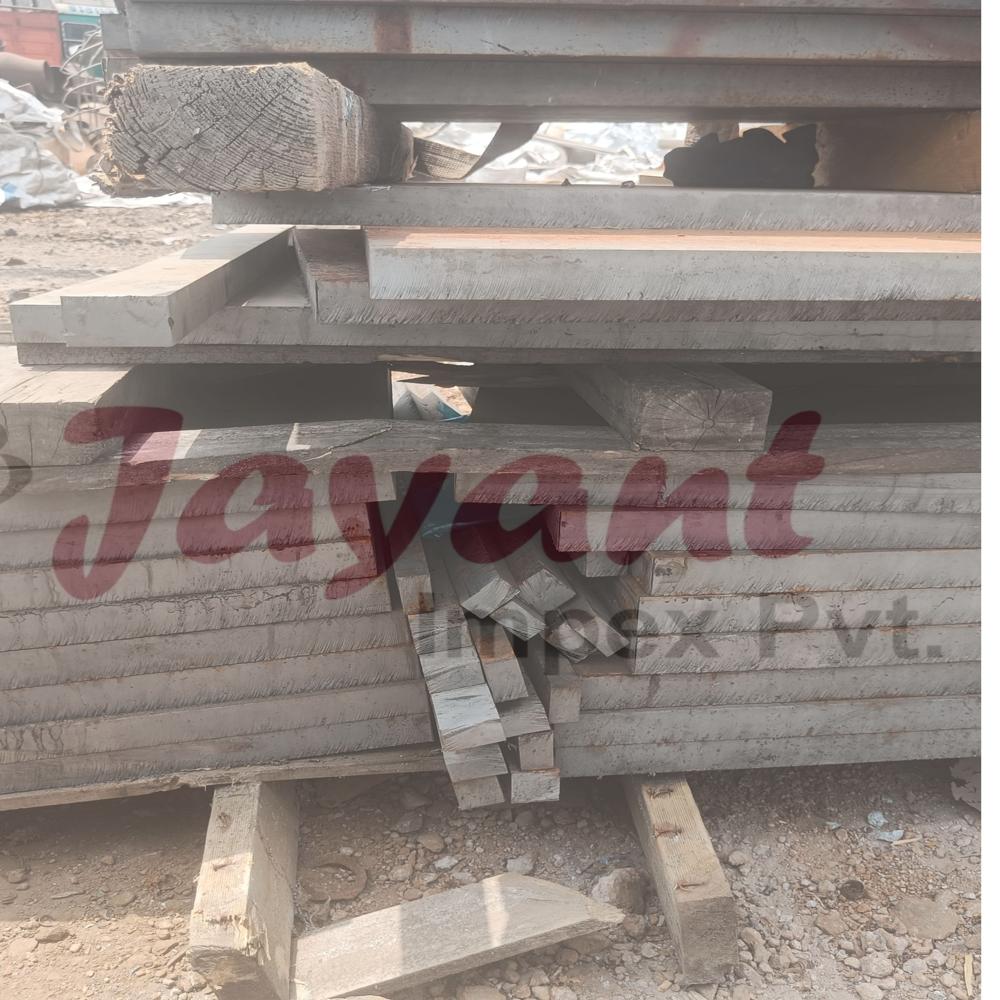
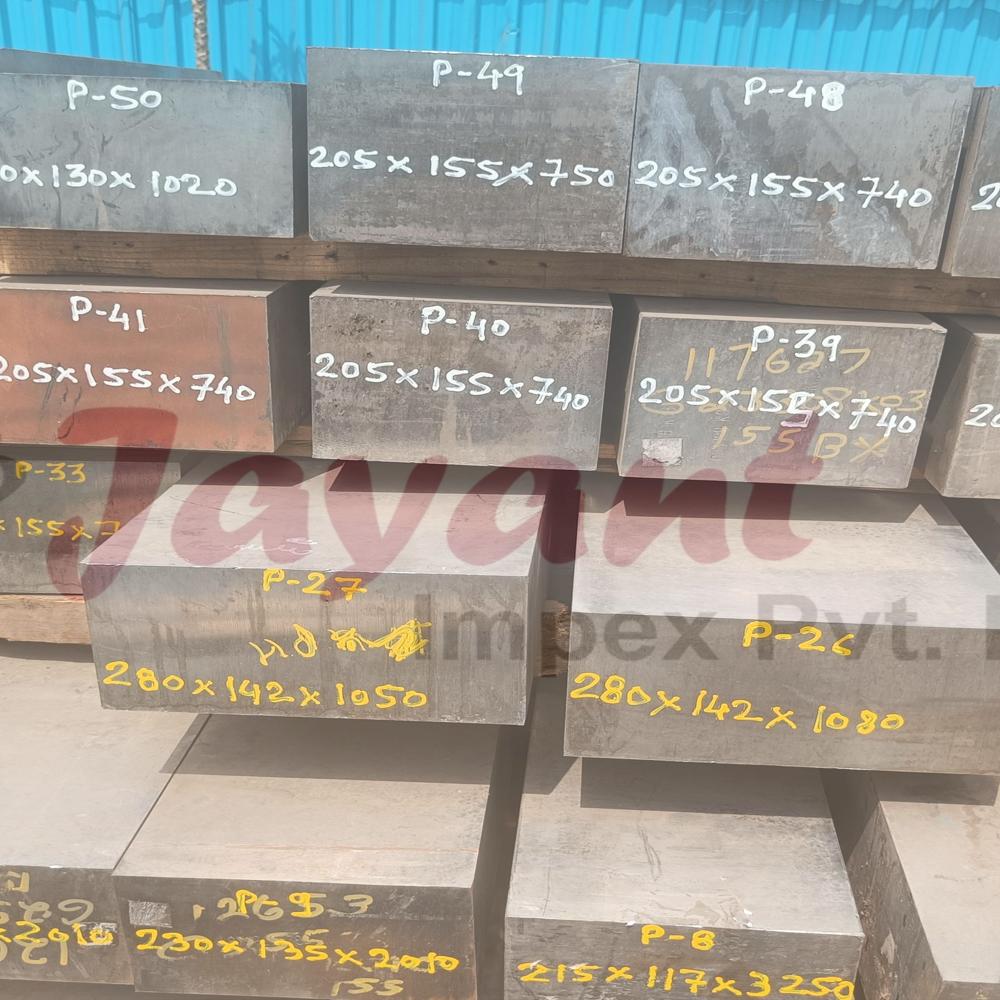
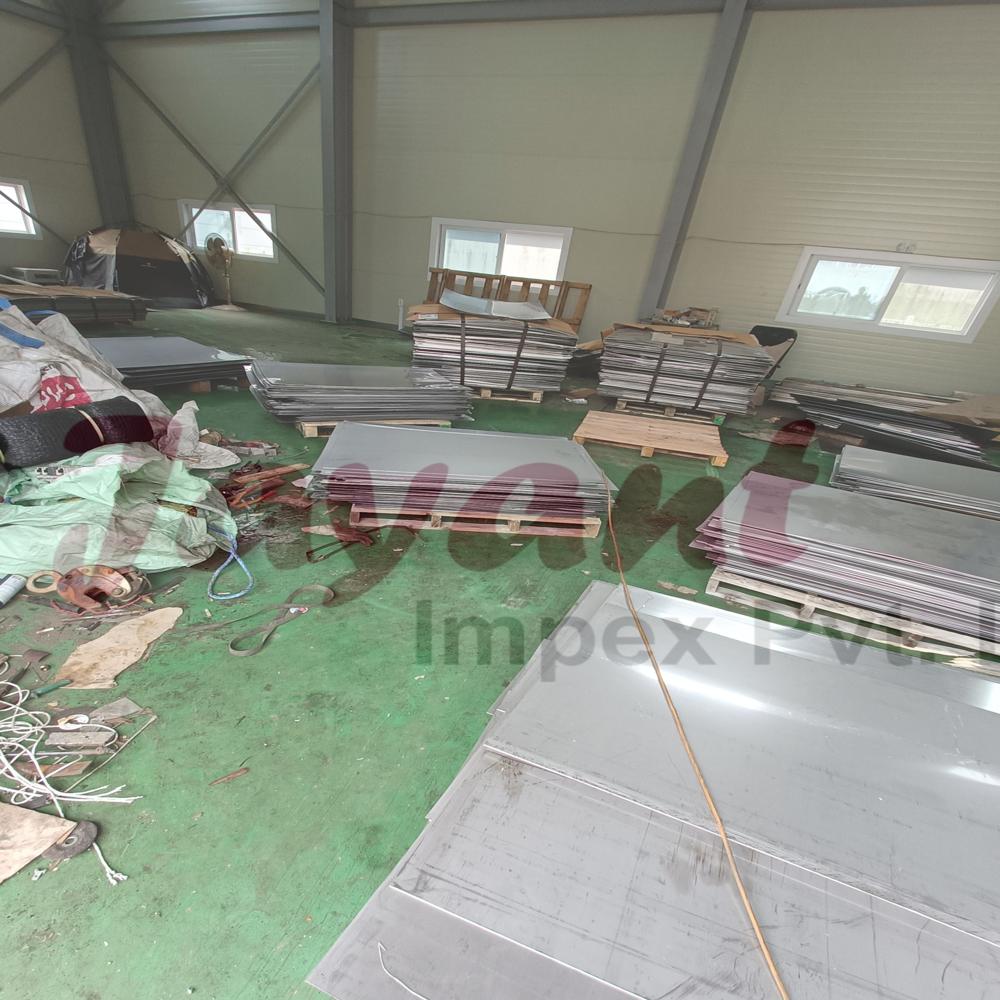
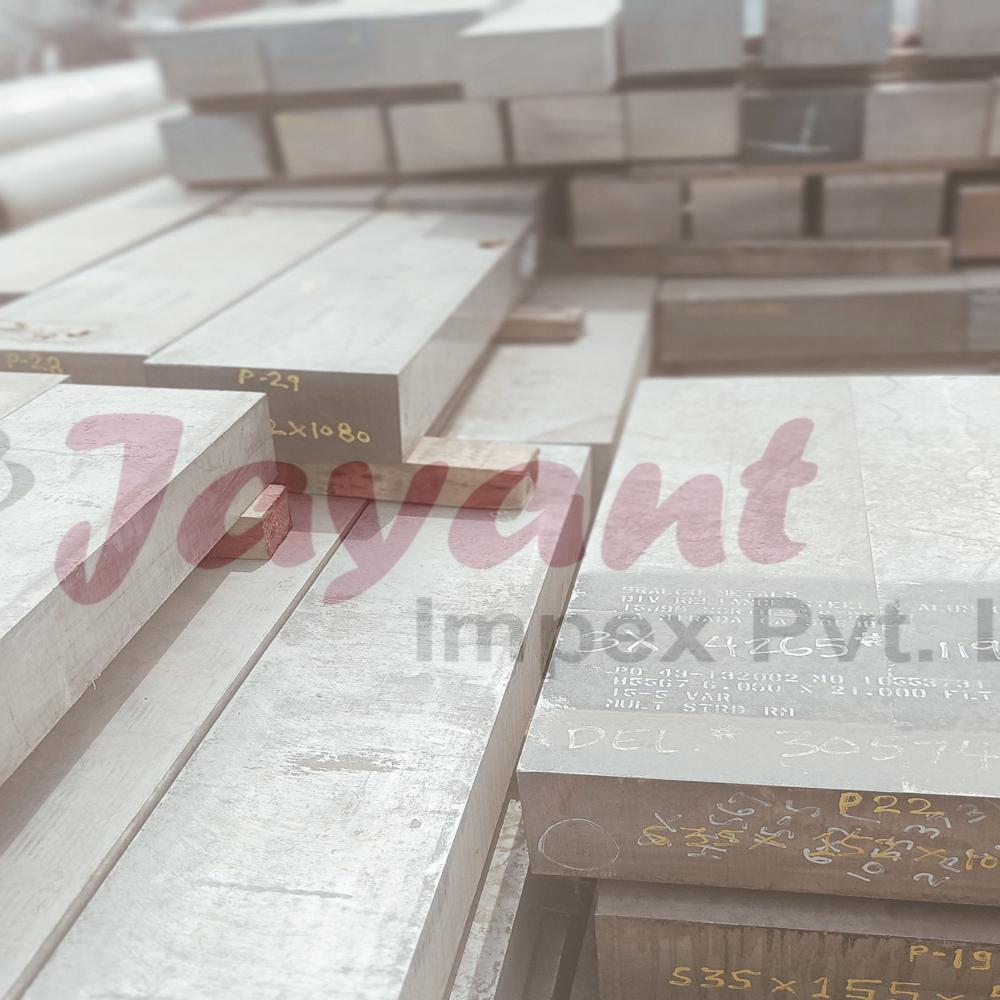
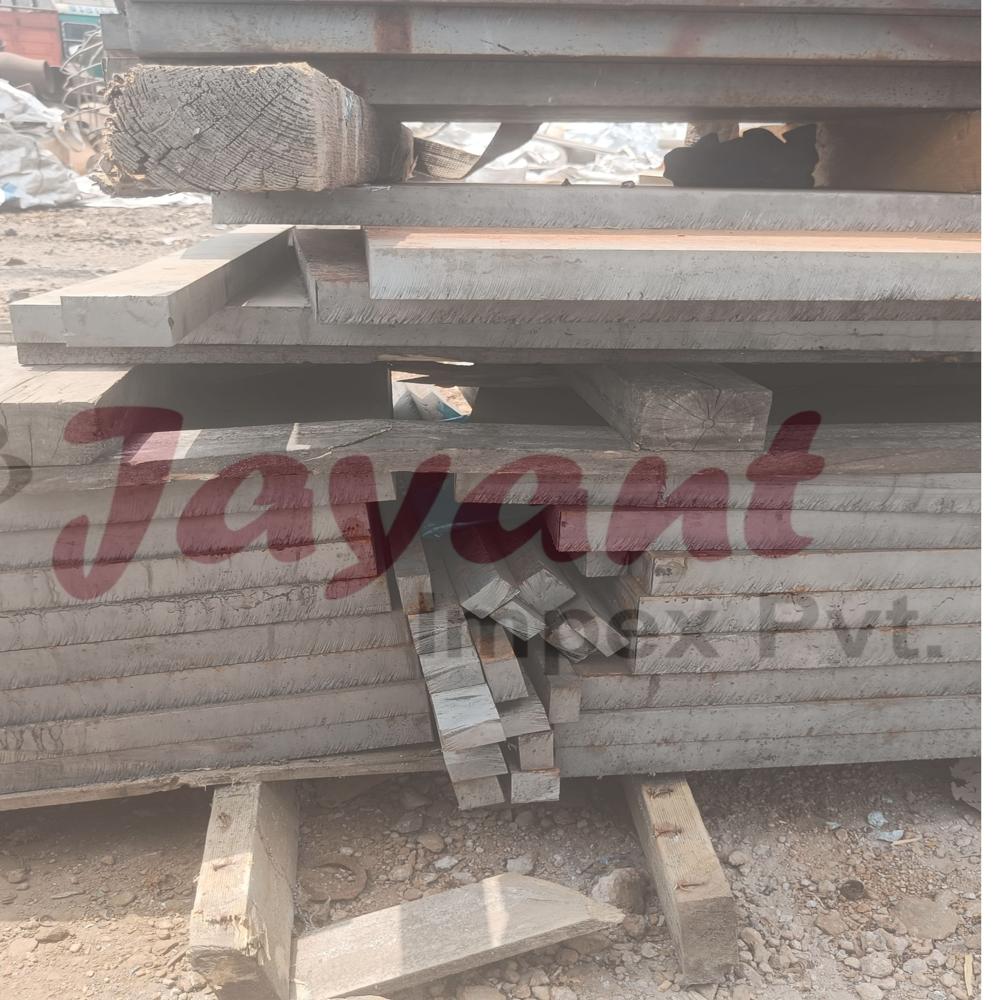
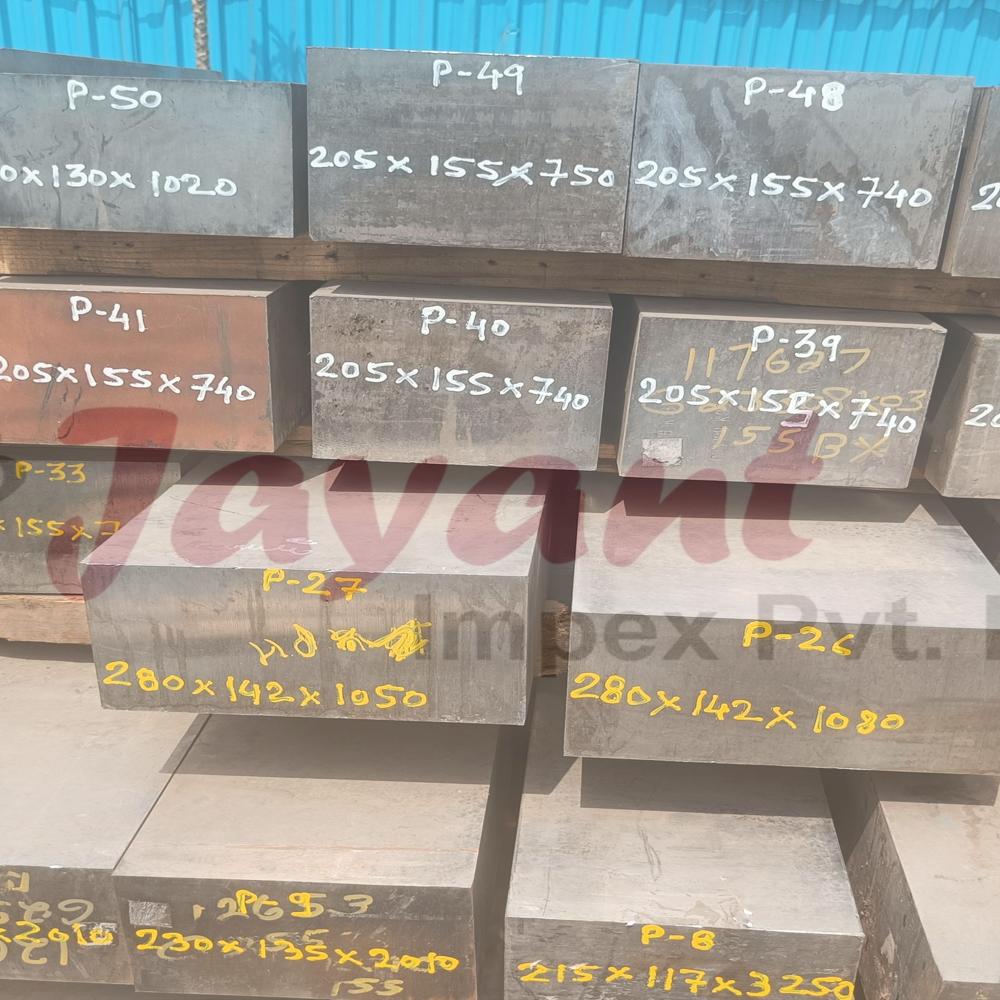
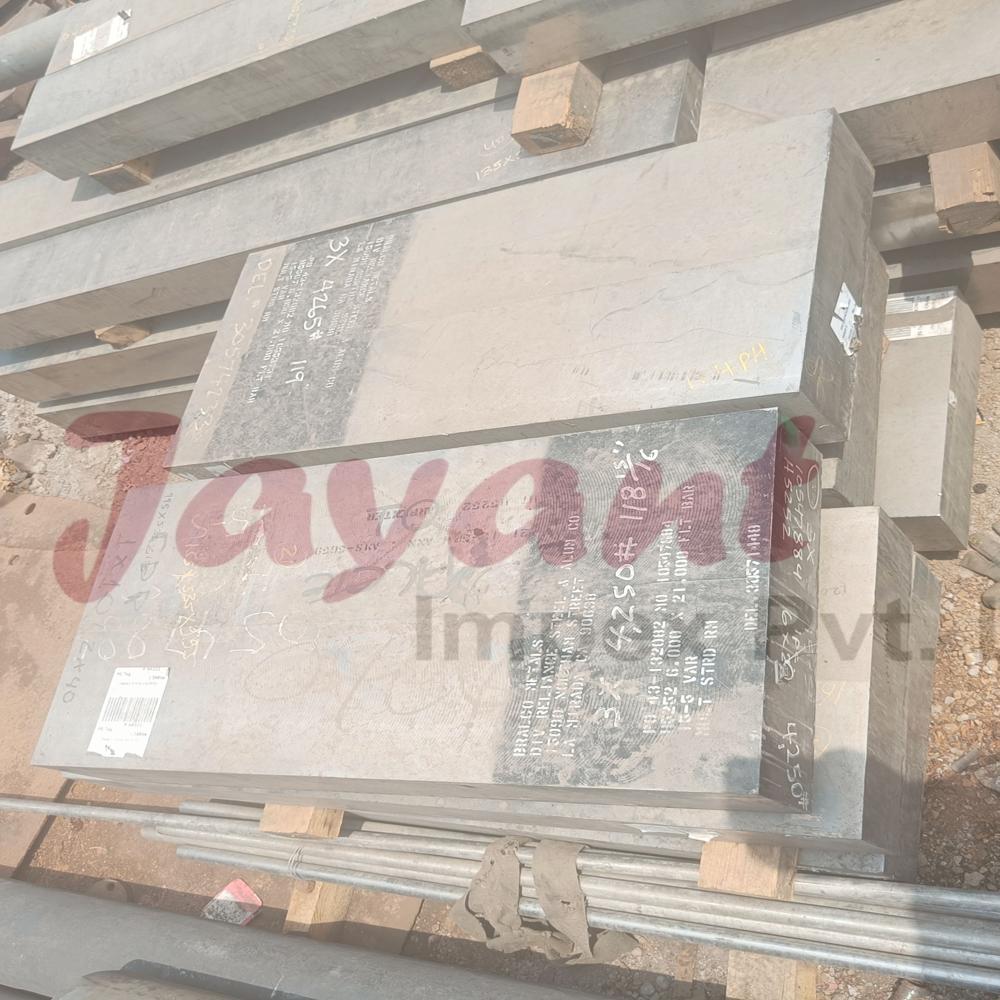
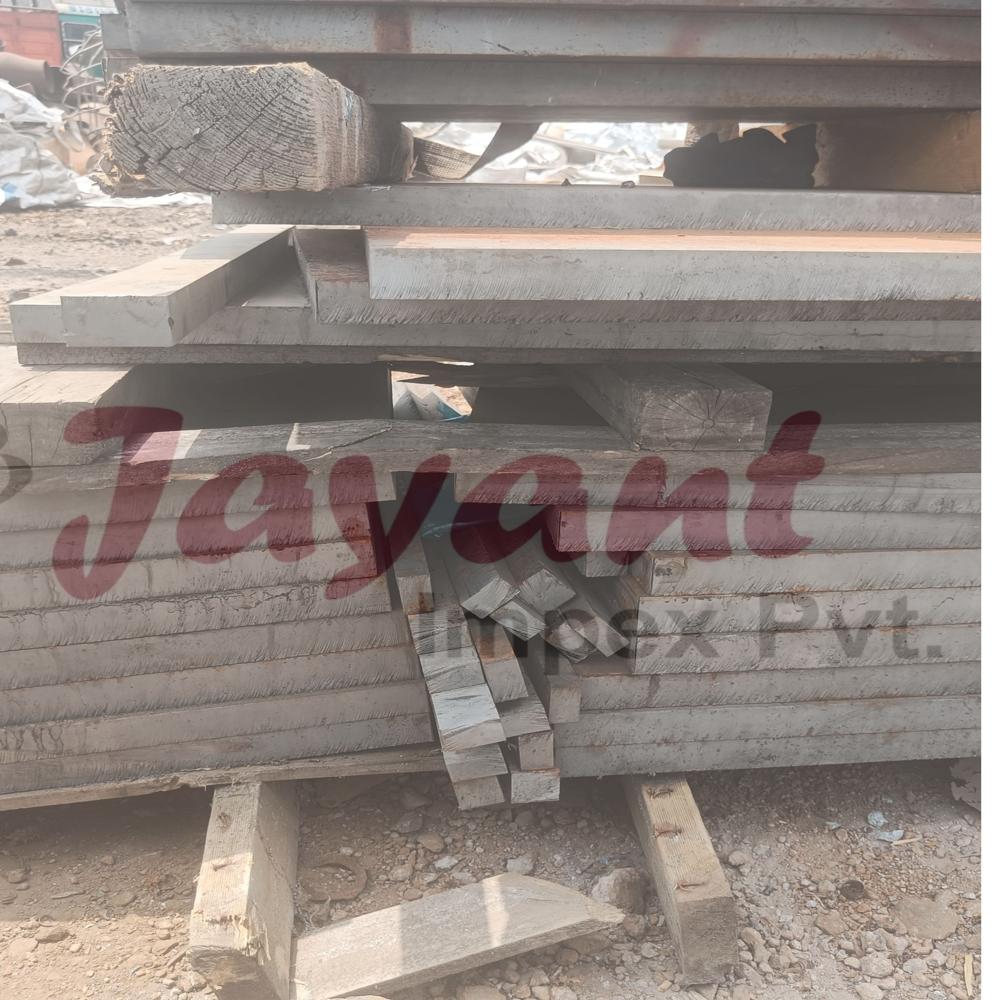
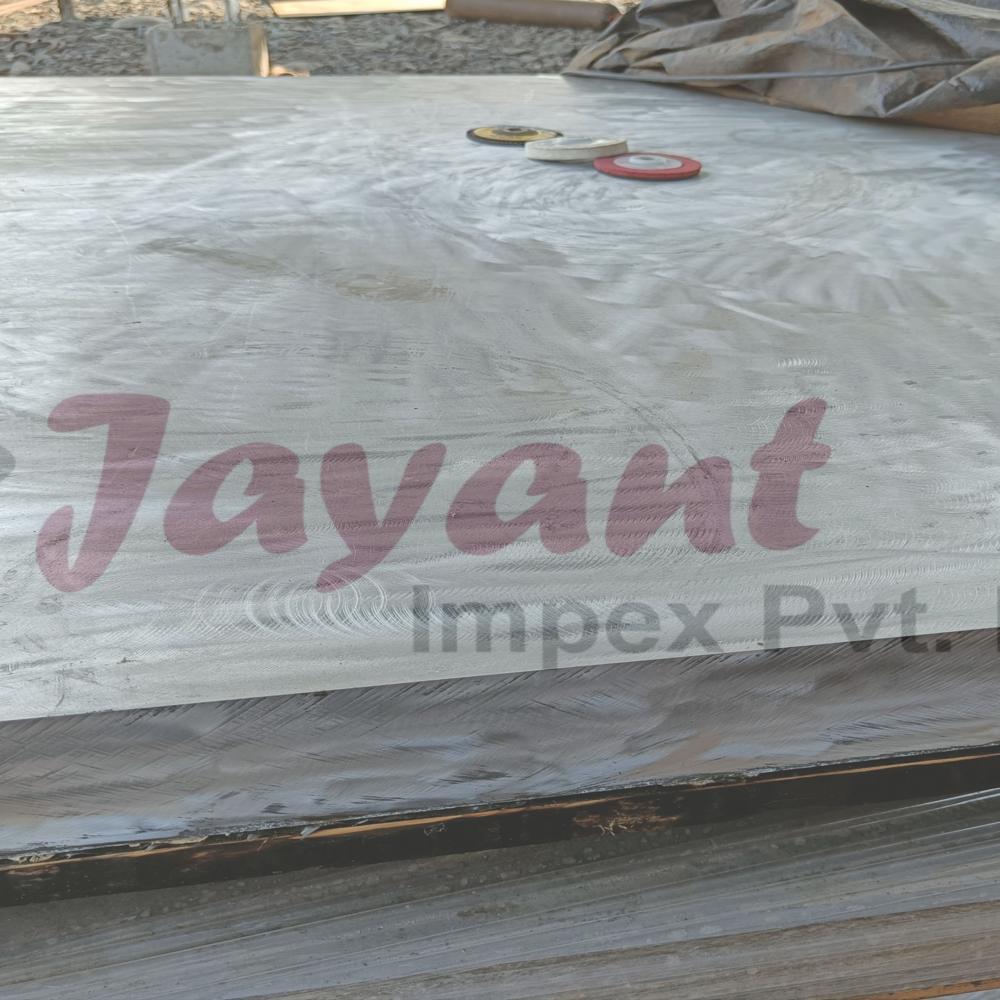
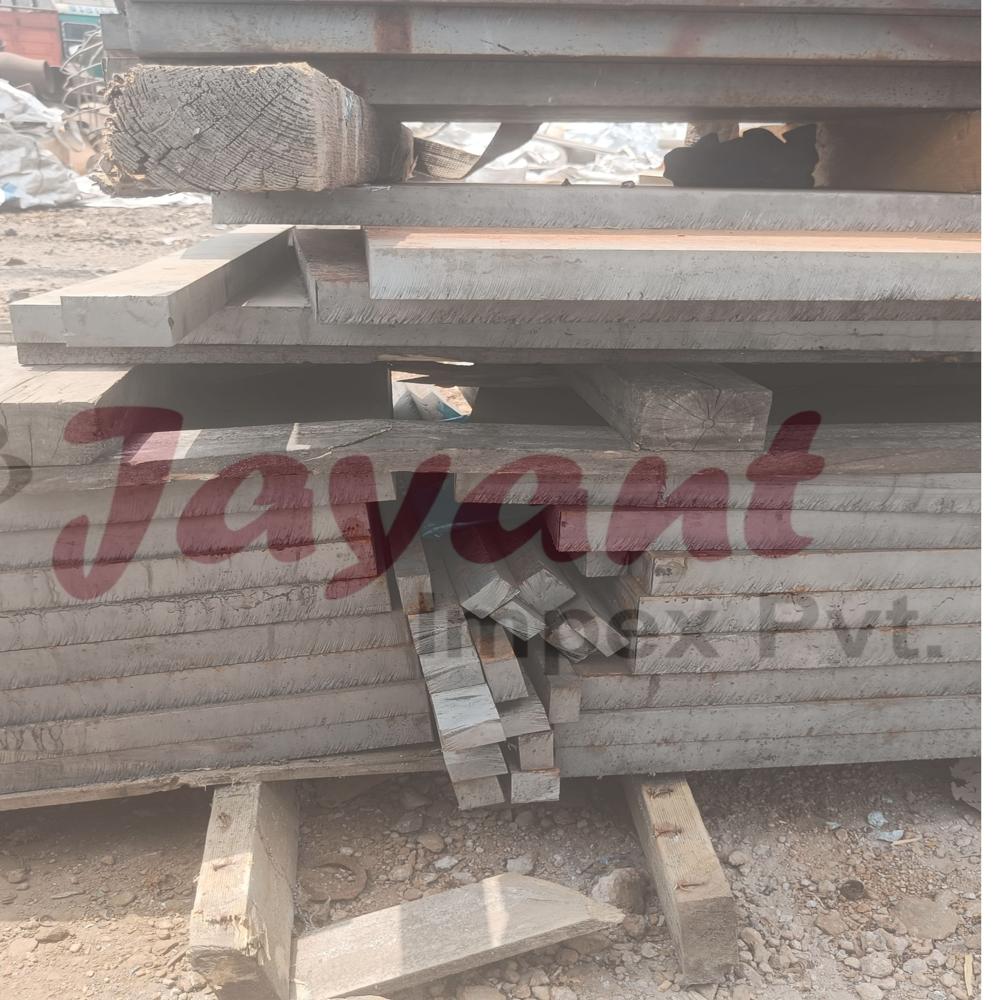
Aluminium ENAW-5754 Plates & Sheets (5754 - O, 5754 - H111)
375.0 INR/Piece
Product Details:
- Material Composition % Al: Balance, Mg: 2.6-3.6%, Mn: 0.3%, Others: max 0.4%
- Hardness O: 44 HB, H111: 61 HB approx
- Recyclable Yes, 100%
- Diameter N/A for plates & sheets
- Heat Resistance Yes
- Coating Type Uncoated / Mill Finish
- Tensile Strength O: 190 MPa min, H111: 220 MPa min
- Click to view more
X
Aluminium ENAW-5754 Plates & Sheets (5754 - O, 5754 - H111) Price And Quantity
- 1000 Piece
- 375.0 INR/Piece
Aluminium ENAW-5754 Plates & Sheets (5754 - O, 5754 - H111) Product Specifications
- Fabrication, Chemical Industry, Transportation, Marine Engineering, Architecture
- Automobile, Shipbuilding, Pressure Vessels, Marine, Welded Structures, General Fabrication
- Excellent
- Plates & Sheets
- Standard sizes: 1000x2000 mm, 1250x2500 mm, 1500x3000 mm, or custom sizes
- O: 190 MPa min, H111: 220 MPa min
- Natural, Mill Finish
- Sheet and Plate
- Aluminium-Magnesium Alloy
- As per size and thickness
- Rectangular, Square, Custom Shapes
- Customized as per requirement
- 0.5 mm to 150 mm
- EN 485, EN 573, EN 1386, ASTM B209
- ENAW-5754 (AlMg3)
- Uncoated / Mill Finish
- Non-ferrous, Aluminium Alloy
- Aluminium ENAW-5754 Plates & Sheets
- Silver
- Yes
- N/A for plates & sheets
- Mill Finish, Plain, Smooth
- 5754 - O / 5754 - H111
- Yes, 100%
- O: 44 HB, H111: 61 HB approx
- Al: Balance, Mg: 2.6-3.6%, Mn: 0.3%, Others: max 0.4%
- 200C
- Good
- 130 W/mK
- Excellent
- O: min 22%, H111: min 12%
- EN AW-5754 / UNS A95754 / DIN 3.3535
- As per order quantity and availability
- 40% IACS
- 2.67 g/cm3
- Excellent (especially in O condition)
- O: 80 MPa min, H111: 110 MPa min
Product Description
EN AW-5754 (AlMg3) is a premier non-heat-treatable aluminum-magnesium alloy. It is the "workhorse" of the marine and chemical industries because of its exceptional resistance to seawater and industrial chemicals.
When choosing between the O and H111 tempers, you are essentially looking at the material's degree of softness and its suitability for forming versus structural stability.
1. Comparing Tempers: 5754-O vs. 5754-H111
Because 5754 is not heat-treatable, its mechanical properties are achieved through cold working (strain hardening) or annealing.
| Temper | State | Best Used For... | Characteristics |
| 5754-O | Annealed | Extreme deep drawing and complex bending. | The "dead soft" condition. It has the lowest strength but the highest ductility. Perfect for intricate shapes. |
| 5754-H111 | Annealed & Slightly Work Hardened | General fabrication, floor plates, and structural panels. | The most common temper for plates. It is technically annealed but receives a very slight amount of work hardening during the leveling process. |
2. Technical Specifications (EN 485-2)
| Property | Value (5754-H111) |
| Tensile Strength ($R_m$) | 190 240 MPa |
| Yield Strength ($R_{p0.2}$) | 80 MPa (min) |
| Elongation ($A_{50mm}$) | 12% 18% |
| Hardness | 52 HBW |
| Modulus of Elasticity | 70 GPa |
3. Key Performance Advantages
Corrosion Resistance
5754 is highly resistant to pitting and stress corrosion cracking. It is the standard choice for marine engineering, offshore platforms, and coastal architecture where salt spray would degrade 2000 or 7000-series alloys.
Weldability
It offers excellent weldability with almost all standard methods (MIG, TIG). It does not suffer from the "weld decay" seen in heat-treatable alloys, meaning the joint remains nearly as strong as the base metal.
i Formability & Surface
-
Bending: Excellent for cold forming.
-
Anodizing: It produces a high-quality decorative finish.
-
Machining: Fair to Good. It is "tougher" than pure aluminum but softer than 6082; it requires sharp tools and high speeds to prevent "gumming."
4. Typical Applications
-
Marine: Ship hulls, decks, and fishing equipment.
-
Automotive: Internal body panels, floor structures, and heat shields.
-
Industrial: Pressure vessels, welded chemical tanks, and silos.
-
Architecture: Treadplates (Chequer plate), signage, and decorative facades.
5. Design Checklist: 5754 vs. 5083
If you are deciding between 5754 and its "big brother" 5083:
-
Choose 5754 for better formability and general corrosion resistance in moderately stressed environments.
-
Choose 5083 if you need significantly higher strength for heavy structural marine hulls or cryogenic tanks.
Exceptional Corrosion Resistance and Weldability
ENAW-5754 aluminium plates and sheets have outstanding corrosion resistance, particularly in maritime and industrial environments. The presence of magnesium in the alloy boosts its ability to resist attack from saltwater and industrial chemicals. Additionally, excellent weldability permits reliable joining, making these plates a top choice for shipbuilding, marine engineering, and other welded structures.
Superior Formability and Versatile Machinability
The product's remarkable formability, especially in the O (annealed) condition, enables fabrication into complex shapes without cracking. Good machinability means it can be cut, drilled, and shaped efficiently. Whether bending, welding, or machining, ENAW-5754 plates and sheets deliver reliable results for a wide range of industries including automotive, architecture, and chemical processing.
FAQ's of Aluminium ENAW-5754 Plates & Sheets (5754 - O, 5754 - H111):
Q: How are Aluminium ENAW-5754 Plates & Sheets commonly used across industries?
A: These plates and sheets are widely used in automotive manufacturing, shipbuilding, welded structures, pressure vessels, marine engineering, and general fabrication. Their excellent formability and corrosion resistance make them ideal for structural as well as exterior applications.Q: What benefits does ENAW-5754 alloy offer in terms of formability and machinability?
A: Aluminium ENAW-5754, especially in the O condition, provides excellent formability, allowing for intricate shapes without fracturing. It also offers good machinability, facilitating smooth cutting, drilling, and finishing processes required in fabrication and engineering projects.Q: When should I select the O (annealed) temper versus H111 for my application?
A: Choose the O (annealed) condition when maximum ductility, bendability, and forming are required, as it offers higher elongation at break (22%). Opt for H111 when slightly increased strength and moderate formability are needed, with a minimum yield strength of 110 MPa.Q: Where can I source ENAW-5754 Plates & Sheets in customized sizes or thicknesses?
A: These products are available from various manufacturers, dealers, and suppliers across India. Custom sizes and thicknesses (from 0.5 mm to 150 mm) can be ordered as per project requirements, with lead times dependent on order volume and availability.Q: What process is followed to ensure compliance with international standards?
A: ENAW-5754 Plates & Sheets are manufactured to meet global standards, including EN 485, EN 573, EN 1386, and ASTM B209. Detailed material composition, physical and mechanical properties are precisely controlled and verified through rigorous quality assurance protocols before dispatch.Q: How does the thermal and electrical conductivity of ENAW-5754 benefit different applications?
A: With a thermal conductivity of 130 W/mK and electrical conductivity of 40% IACS, these plates and sheets efficiently manage heat flow and electrical transmission. This makes them suitable for heat exchangers, electronic housings, and other applications where superior conductivity is essential.Tell us about your requirement

Price:
Quantity
Select Unit
- 50
- 100
- 200
- 250
- 500
- 1000+
Additional detail
Mobile number
Email

Other Products in 'Steel Sheets And Plate' category

JAYANT IMPEX
GST : 27AAQFJ5764L1ZJ
GST : 27AAQFJ5764L1ZJ

- 6th, 605, Majestic Shopping Center, Jagannath Shankarseth Road, Girgaon,Mumbai - 400004, Maharashtra, India
- Phone : 08045800544

- Mr Shrenik Prakash Mehta (Director)
- Mobile : 08045800544
-
jayantimpex12@gmail.com


-
Share to



 Send Inquiry
 Send SMS
 Call Me Free
JAYANT IMPEX PVT. LTD. All Rights Reserved.(Terms of Use)
Developed and Managed by Infocom Network Private Limited. Terms of use | Returns Policy Member
Developed and Managed by Infocom Network Private Limited. Terms of use | Returns Policy Member
