 English
 Spanish
 French
 German
 Italian
 Chinese (Simplified)
 Japanese
 Korean
 Arabic
 Portuguese
 Call Us : 08045800544
 Call Us : 08045800544
 Get a Quote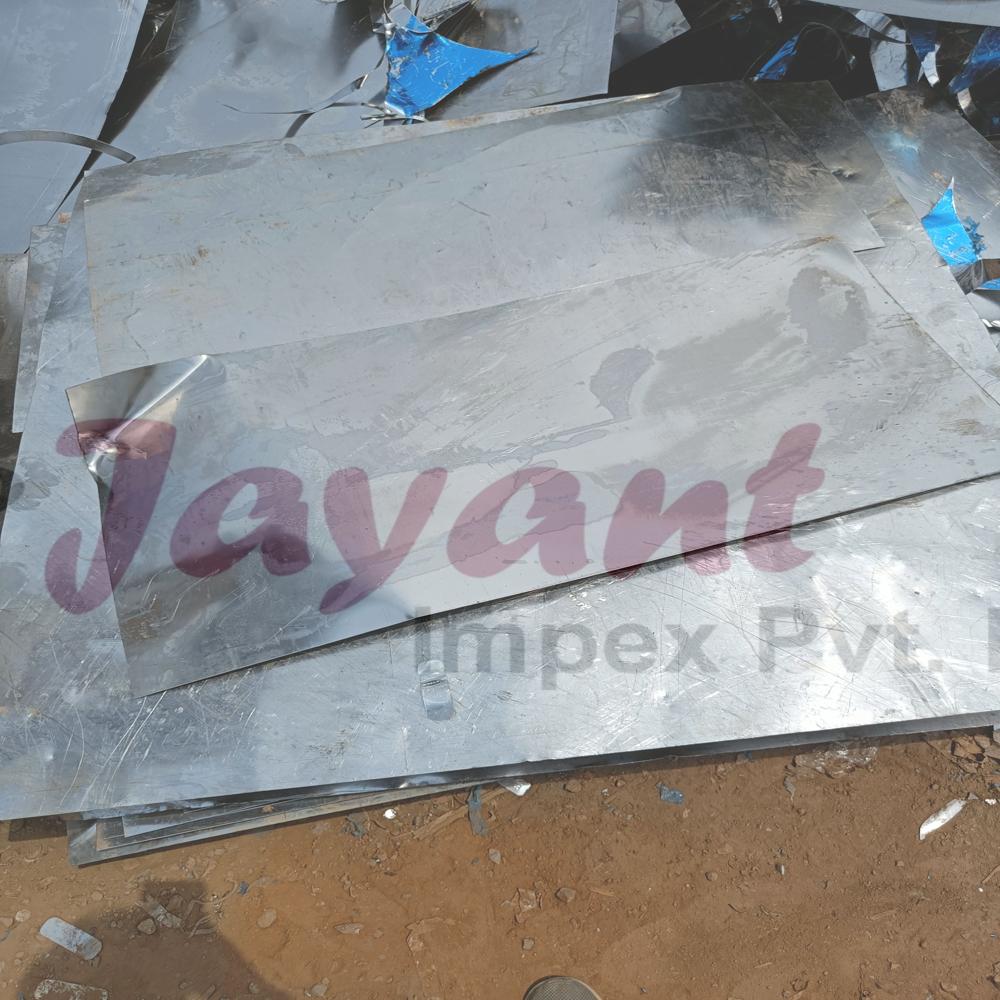
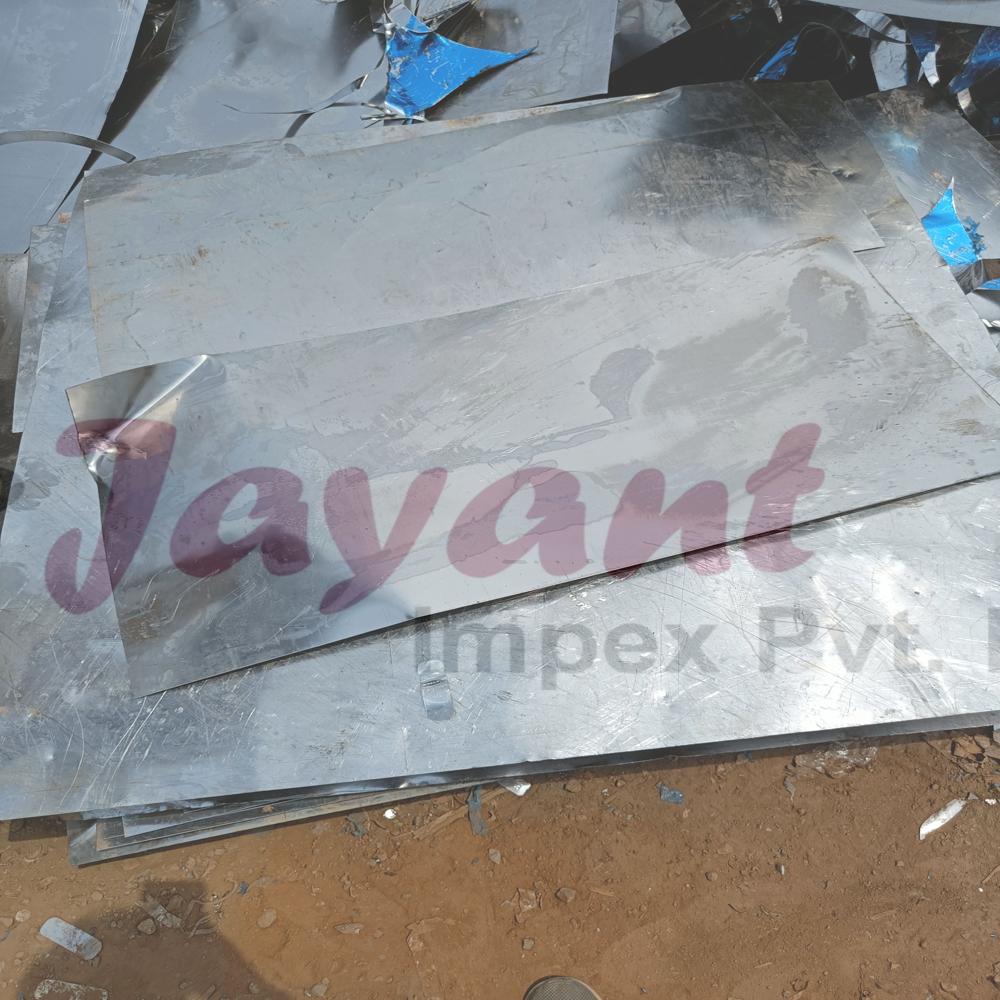
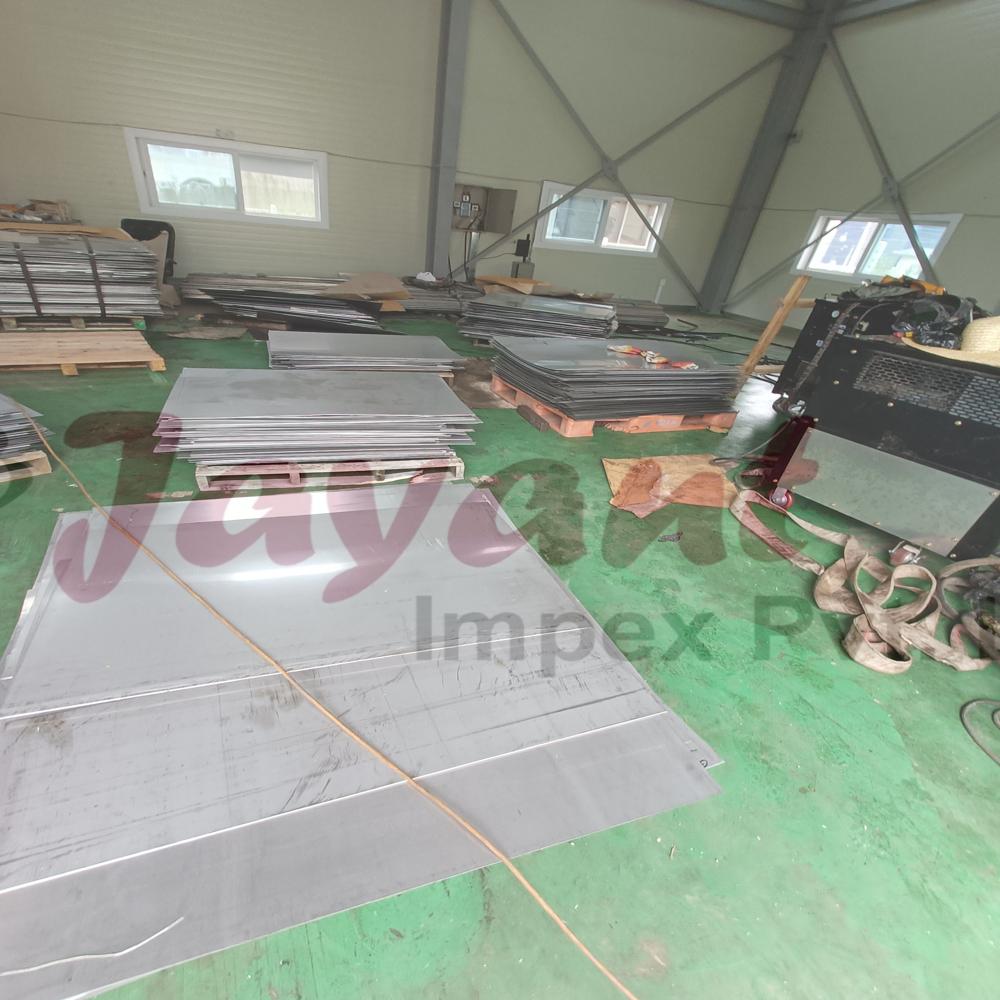
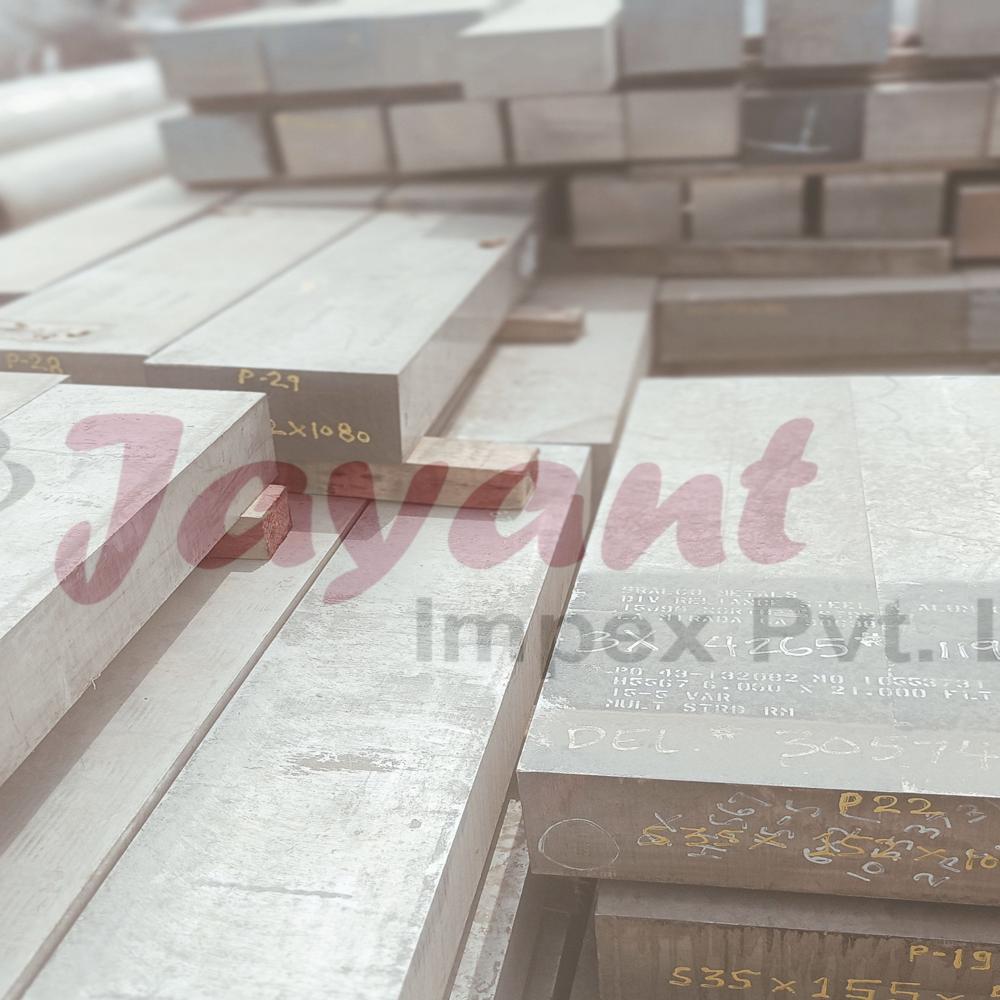
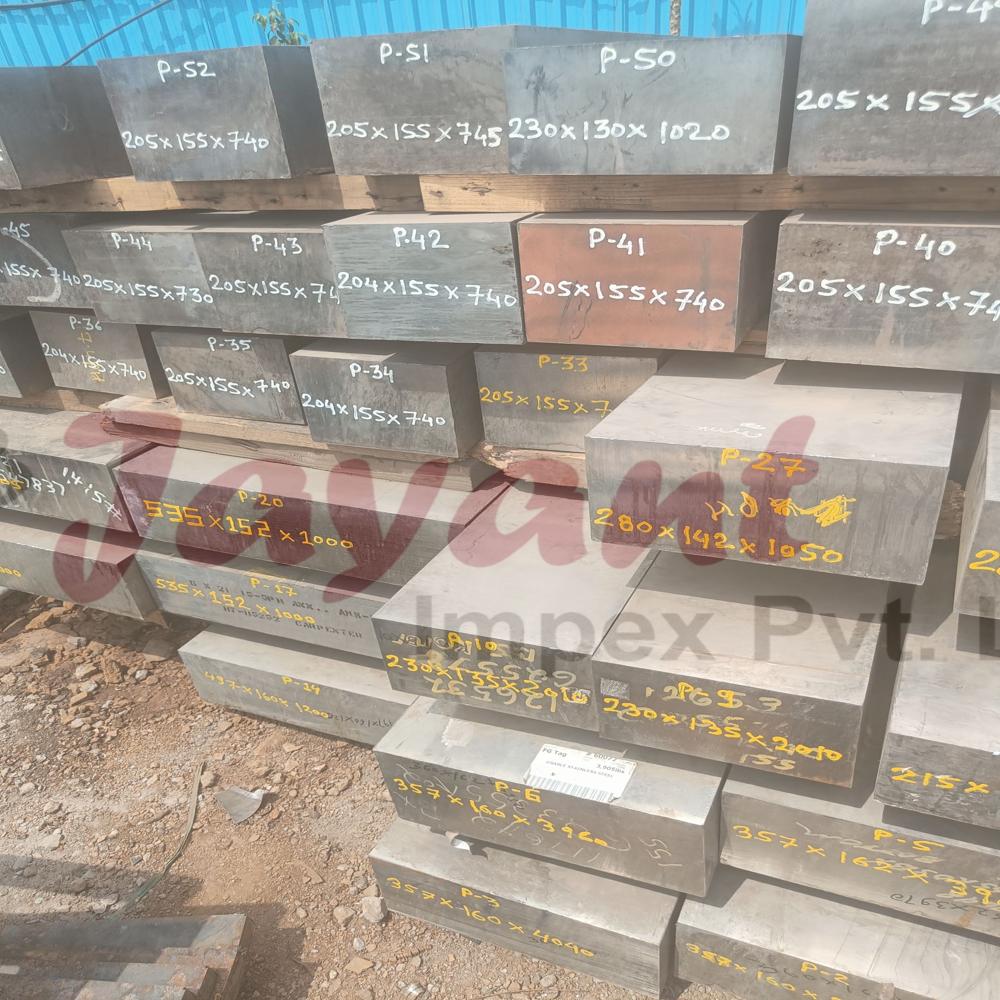
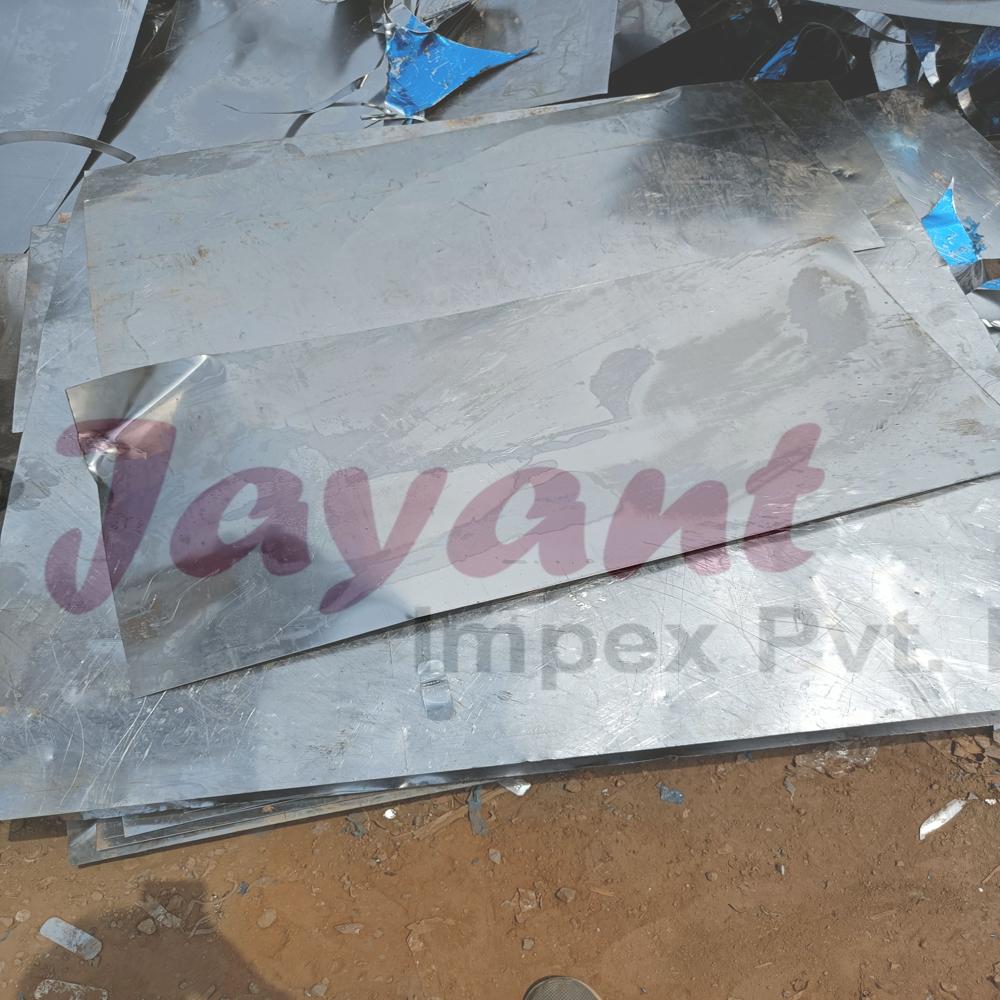
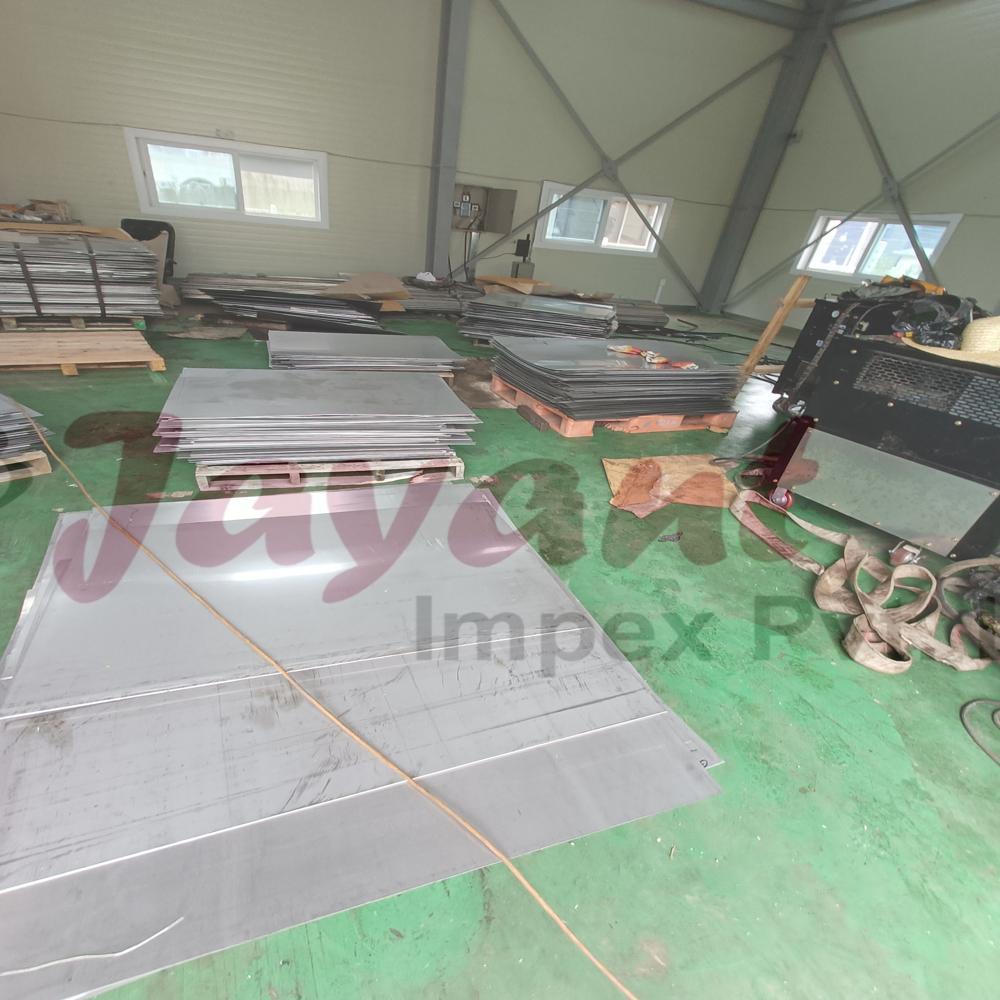
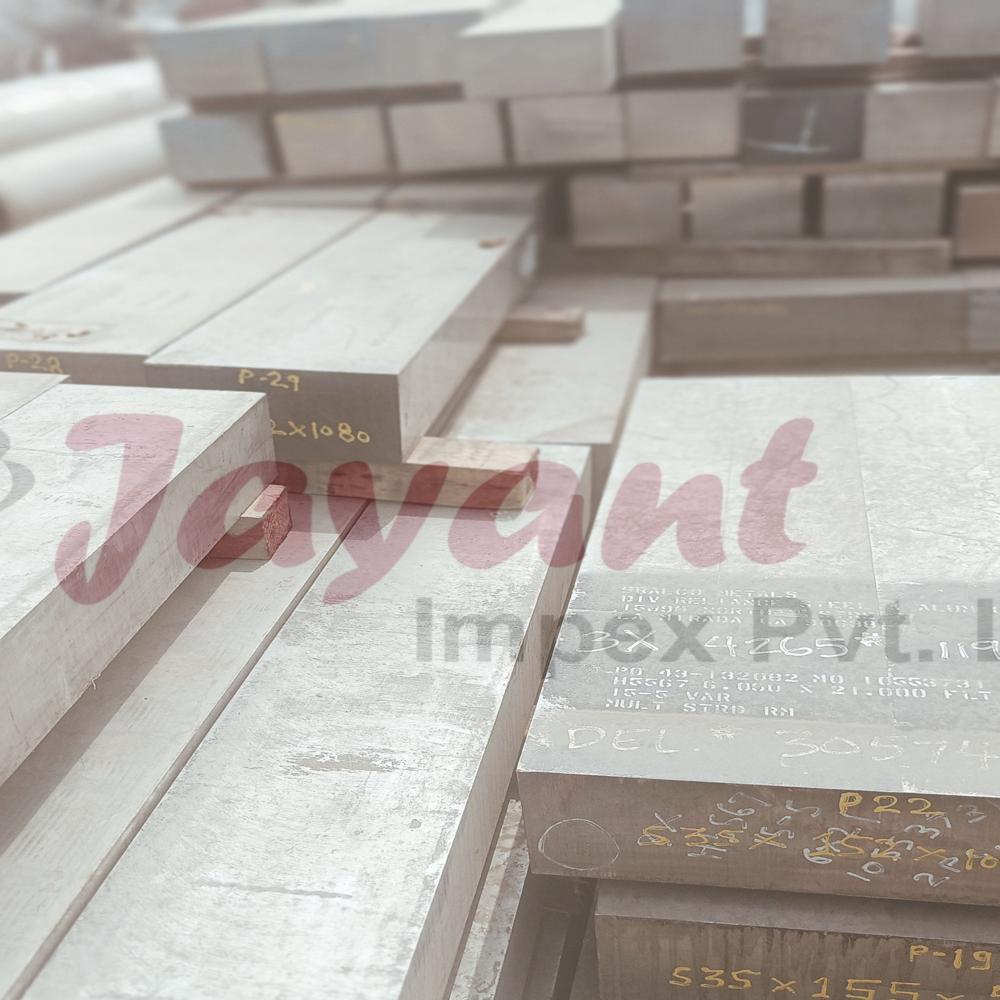
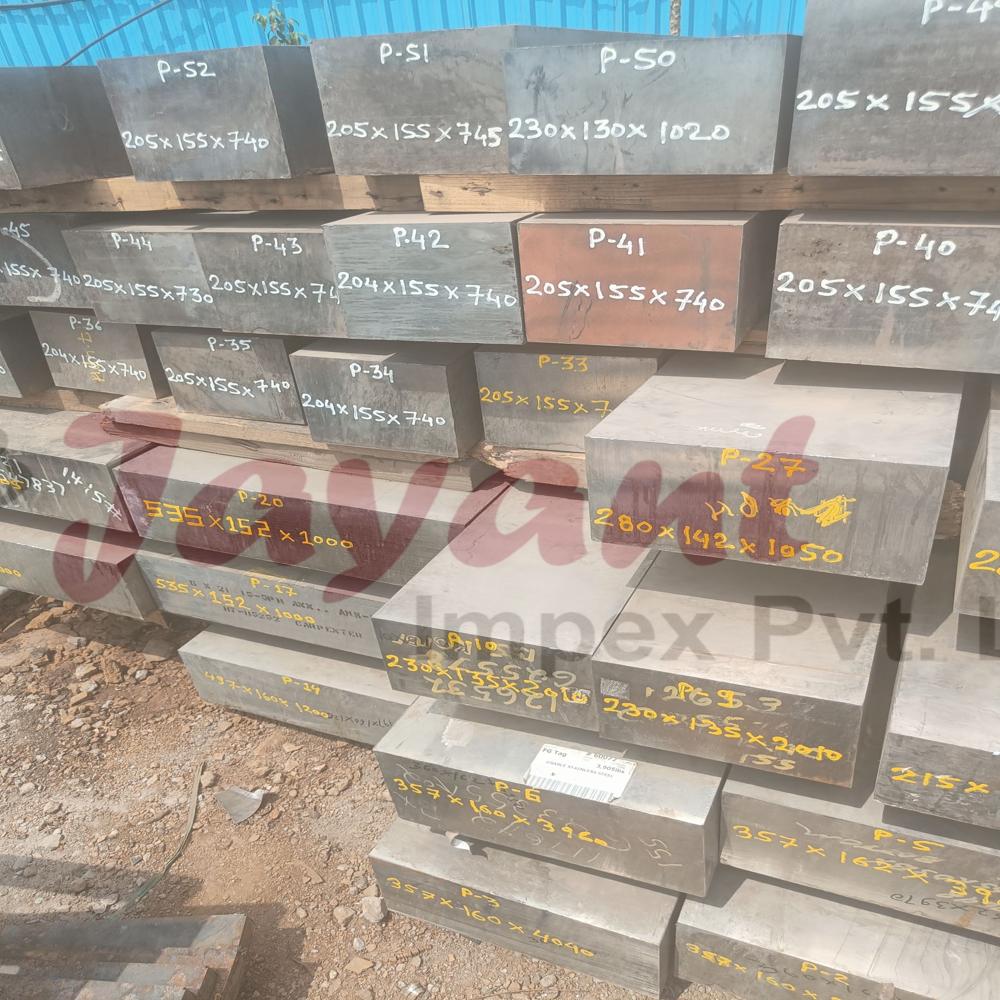
5454 - AlMg3Mn Aluminium Plates, Sheets, Blocks(DIN, WNr)
365.0 INR/Unit
Product Details:
- Product Form Rolled plate, sheet, block
- Coating Type Uncoated / Mill finish
- Size Custom sizes available
- Diameter Not applicable (Plate/Sheet/Block)
- Heat Resistance Yes
- Corrosion Resistant Excellent resistance to seawater and industrial atmospheres
- Material Composition % Al (rem.), Mg 2.4-3.0%, Mn 0.5-1.0%, Cr 0.05-0.20%, Fe 0.4%, Si 0.25%
- Click to view more
X
5454 - AlMg3Mn Aluminium Plates, Sheets, Blocks(DIN, WNr) Price And Quantity
- 365.0 INR/Unit
- 1000 Unit
5454 - AlMg3Mn Aluminium Plates, Sheets, Blocks(DIN, WNr) Product Specifications
- Al (rem.), Mg 2.4-3.0%, Mn 0.5-1.0%, Cr 0.05-0.20%, Fe 0.4%, Si 0.25%
- Excellent resistance to seawater and industrial atmospheres
- 5454
- 230-330 MPa
- Yes
- Not applicable (Plate/Sheet/Block)
- 5454 - AlMg3Mn Aluminium Plates, Sheets, Blocks
- Marine structures, pressure vessels, storage tanks, truck/trailer bodies, chemical, and food industries
- 60-85 HB (Brinell)
- Depends on size and thickness
- Yes
- Not steel (Aluminium alloy)
- Rolled plate, sheet, block
- 5454
- Plates, Sheets, Blocks
- Plate, Sheet, Block
- Uncoated / Mill finish
- Mill finish, smooth
- Structural and pressure vessel use, automotive, marine, welding fabrication, storage tanks
- DIN, WNr
- Silver / Metallic
- As per customer requirement, standard sizes available
- Al-Mg-Mn alloy
- 6 mm to 250 mm
- Mill finish
- Custom sizes available
- 33% IACS
- Easily formed and fabricated
- 24 x 106 /K
- 2.66 g/cm3
- Standard export seaworthy packaging or as required
- Good
- EN AW-5454, ASTM B209 / B210
- 12-20% (depending on temper)
- 130 W/mK at 20C
- O, H32, H34, H111, H116
- Excellent
Product Description
While similar to the 5754 alloy discussed previously, 5454 (AlMg3Mn) is specifically engineered for high-temperature service. It is often referred to as the "high-temperature version" of the 5000-series alloys because it is resistant to stress corrosion cracking when exposed to temperatures in the Density
| 2.69 g/cm3 | |
| Thermal Conductivity | 120 - 135 W/mK |
| Electrical Resistivity | 0.048 - 0.052 nIm |
| Melting Point | Approx. $600{circ}C - 645{circ}C$ |
Comparison: 5754 vs. 5454
While both are "AlMg3" types, the addition of Manganese (Mn) in 5454 provides distinct advantages:
-
Temperature Stability: 5454 is the standard for applications that get hot. 5754 is excellent for room-temperature marine use but can become susceptible to corrosion if kept at high temperatures for long periods.
-
Strength: 5454 typically offers slightly higher fatigue strength than 5754.
-
Weldability: Both are excellent, but 5454 is specifically designed to maintain its structural integrity and corrosion resistance after welding in heavy-duty environments.
Chemical Composition (Weight %)
The Manganese content is the "secret sauce" that stabilizes the alloy against heat.
-
Magnesium (Mg): 2.4% 3.0%
-
Manganese (Mn): 0.5% 1.0%
-
Chromium (Cr): 0.05% 0.20%
-
Copper (Cu): Max 0.10%
-
Aluminum (Al): Remainder
Applications for Plates & Blocks
Because 5454 can handle heat and chemicals simultaneously, you will find it in:
-
Road Tankers: Used for transporting hot substances (like liquid bitumen or chemicals).
-
Pressure Vessels: Specifically those operating at elevated temperatures.
-
Automotive: Wheels and structural components that may be near engine heat.
-
Marine: Large structural plates for high-speed craft where friction heat or engine room temperatures are factors.
Available Forms
-
Sheets: Usually available in thicknesses from 0.5mm to 6mm.
-
Plates: Heavy plates for structural builds (6mm up to 200mm+).
-
Blocks: Often custom-cut from thick rolled plate for tool making or heat-resistant mold bases.
Technical Tip: If you are choosing between these two for a marine environment that stays cool, 5754 is your cost-effective standard. If your application involves "hot" cycles (above $65{circ}C$), you should specify 5454 to avoid long-term material degradation.
Outstanding Corrosion and Heat Resistance
5454 aluminium alloy is distinguished by its exceptional resistance to seawater, industrial atmospheres, and even low temperatures, making it a dependable choice for marine and chemical applications. Additionally, it maintains good mechanical properties up to 65C and is suitable for cryogenic conditions, ensuring flexibility across a range of demanding environments.
Versatile Formability and Fabrication
This alloy offers excellent weldability and good machinability, allowing for easy fabrication in various plate, sheet, and block forms. Its superb elongation (12-20%) and moderate tensile strength make it perfect for structural and pressure vessel projects where forming, joining, and adapting material is critical to success.
Custom Sizes and Reliable Performance
Available in thicknesses from 6 mm to 250 mm and customizable dimensions, 5454 aluminium plates, sheets, and blocks meet diverse industry needs. Consistent quality standards, mill finish surfaces, and standard export packaging ensure that products arrive in optimal condition for immediate use or further processing.
FAQ's of 5454 - AlMg3Mn Aluminium Plates, Sheets, Blocks(DIN, WNr):
Q: How is 5454 - AlMg3Mn aluminium commonly used in industry?
A: 5454 aluminium plates, sheets, and blocks are widely used in marine structures, pressure vessels, storage tanks, truck and trailer bodies, as well as in the chemical and food industries due to their excellent corrosion resistance and formability.Q: What fabrication processes can be performed with 5454 aluminium alloy?
A: This alloy can be easily formed, welded, and machined. Common fabrication processes include rolling, bending, welding, and cutting, making it ideal for applications requiring complex shapes and strong welded joints.Q: When should I choose 5454 aluminium over other alloys?
A: 5454 aluminium is the preferred choice when enhanced corrosion resistance, especially to seawater or industrial environments, is needed. It's especially suitable for applications operating at moderate temperatures or requiring excellent weldability.Q: Where can I use 5454 aluminium in marine applications?
A: You can use 5454 aluminium in shipbuilding, hull cladding, deck structures, bulkheads, and any marine component exposed to harsh saltwater environments, thanks to its excellent resistance to corrosion and high strength-to-weight ratio.Q: What are the benefits of choosing mill finish 5454 aluminium products?
A: Mill finish 5454 aluminium provides a smooth, clean surface, reducing preparation time for further treatments or coatings. It retains its corrosion-resistance and offers a professional metallic appearance for visible installations.Q: How does the temper selection affect the properties of 5454 aluminium?
A: Different tempers such as O, H32, H34, H111, and H116 influence the alloy's mechanical properties, like tensile strength and elongation. For example, harder tempers (H32, H34) offer higher strength, while softer tempers (O, H111) provide better formability for shaping and fabrication tasks.Tell us about your requirement

Price:
Quantity
Select Unit
- 50
- 100
- 200
- 250
- 500
- 1000+
Additional detail
Mobile number
Email

Other Products in 'Steel Sheets And Plate' category


JAYANT IMPEX
GST : 27AAQFJ5764L1ZJ
GST : 27AAQFJ5764L1ZJ

- 6th, 605, Majestic Shopping Center, Jagannath Shankarseth Road, Girgaon,Mumbai - 400004, Maharashtra, India
- Phone : 08045800544

- Mr Shrenik Prakash Mehta (Director)
- Mobile : 08045800544
-
jayantimpex12@gmail.com


-
Share to



 Send Inquiry
 Send SMS
 Call Me Free
JAYANT IMPEX PVT. LTD. All Rights Reserved.(Terms of Use)
Developed and Managed by Infocom Network Private Limited. Terms of use | Returns Policy Member
Developed and Managed by Infocom Network Private Limited. Terms of use | Returns Policy Member
