 English
 Spanish
 French
 German
 Italian
 Chinese (Simplified)
 Japanese
 Korean
 Arabic
 Portuguese
 Call Us : 08045800544
 Call Us : 08045800544
 Get a Quote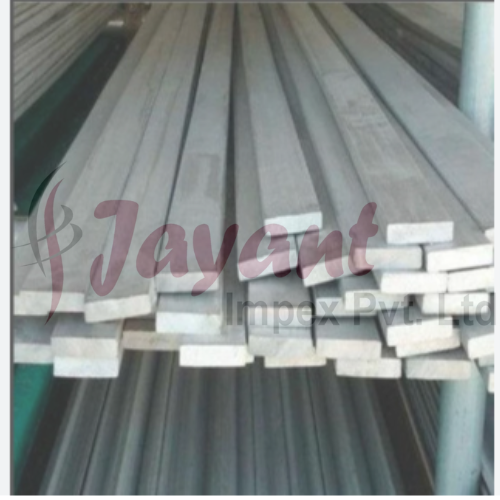
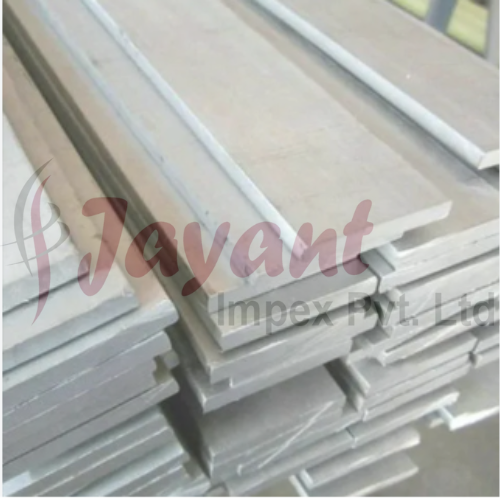
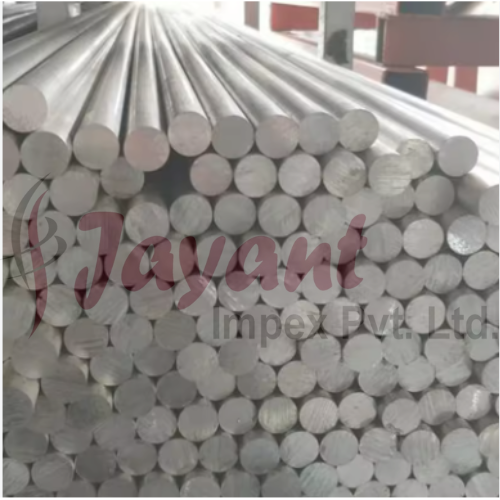
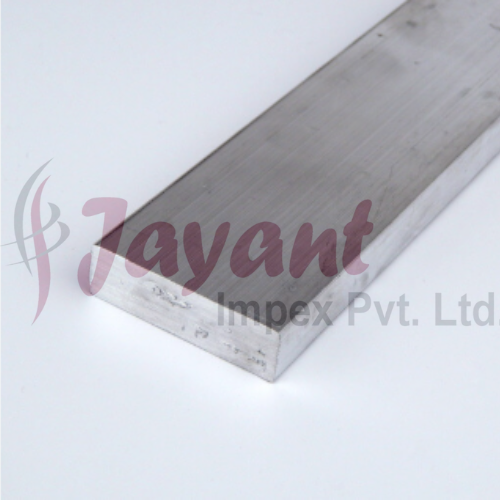
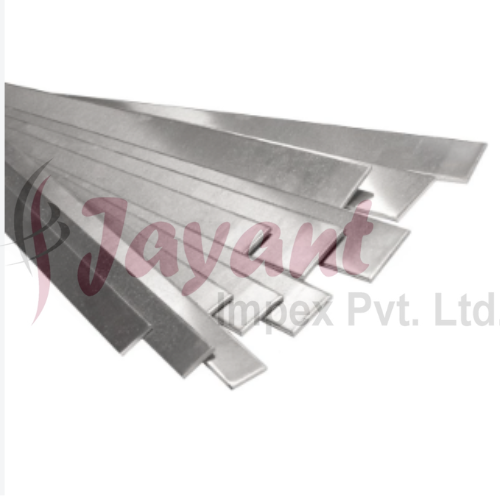
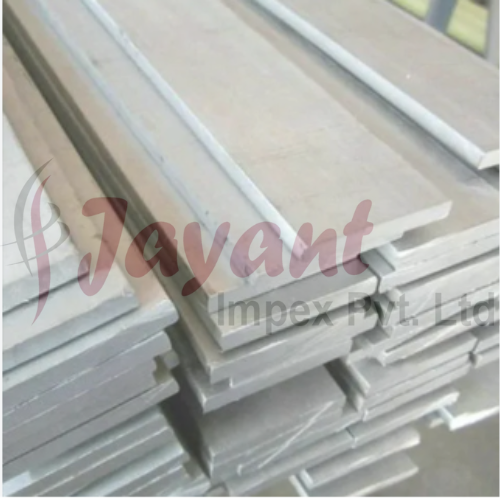
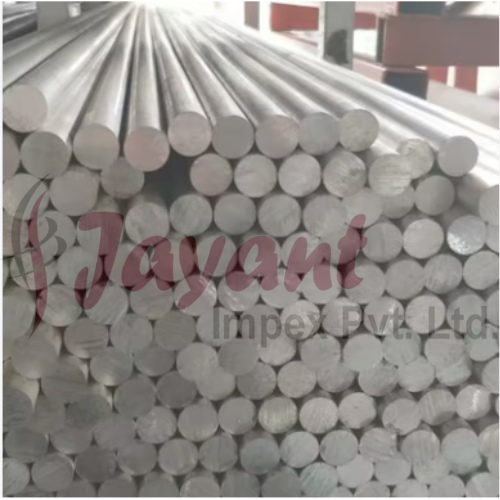
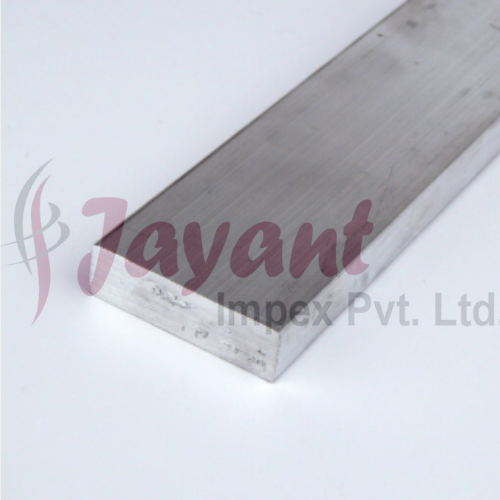
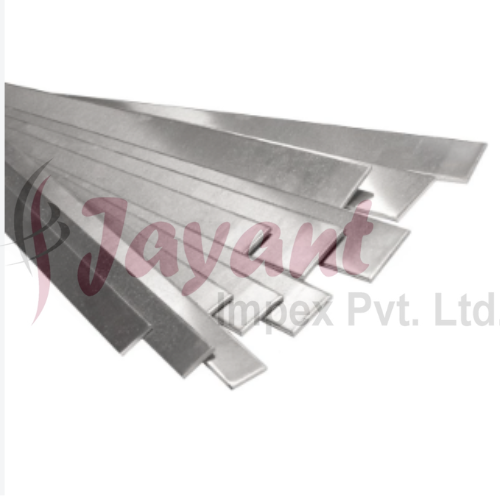
2011A - AlCu6BiPb(A) Aluminium Bar & Rod (DIN, WNR)
415.0 INR/Piece
Product Details:
- Specific Use Automotive Components, Electrical Components, Screws and Rivets
- Length Up to 6 meters (customizable)
- Finish Mill Finish
- Processing Cold Drawn, Hot Rolled
- Standard DIN, WNR
- Tolerance h11, h12 or as specified
- Diameter 6 mm to 100 mm (customized as per requirement)
- Click to view more
X
2011A - AlCu6BiPb(A) Aluminium Bar & Rod (DIN, WNR) Price And Quantity
- 415.0 INR/Piece
- 10 Piece
2011A - AlCu6BiPb(A) Aluminium Bar & Rod (DIN, WNR) Product Specifications
- Machining, General Engineering, Fasteners
- Extruded
- 2011A - AlCu6BiPb(A) Aluminium
- 6 mm to 100 mm (customized as per requirement)
- h11, h12 or as specified
- 2011A
- Bar & Rod
- Mill Finish
- DIN, WNR
- Cold Drawn, Hot Rolled
- Automotive Components, Electrical Components, Screws and Rivets
- Up to 6 meters (customizable)
- 8% (min)
- 640 - 650C
- 290 - 390 MPa
- 170 MPa
- Round, Square, Hexagonal (as required)
- T3, T6 or as specified
- 2.82 g/cm3
- 38% IACS
- Brinell 95 - 110 HB
- Moderate
- Excellent
2011A - AlCu6BiPb(A) Aluminium Bar & Rod (DIN, WNR) Trade Information
- 5-7 Days
Product Description
EN AW-2011 (historically designated as AlCu6BiPb or AlCuBiPb under older DIN standards) is known as a premier "free-machining alloy." It is specifically engineered for high-speed automatic lathe and CNC machining production environments.
Nomenclature & System Mapping
The inclusion of the "A" suffix (EN AW-2011A) denotes the European standard variant, which aligns tightly with traditional German industrial standards (DIN) and material numbers:
-
Chemical Designation (DIN / EN): AlCu6BiPb or AlCu6BiPb(A)
-
Numerical Designation (EN): EN AW-2011
-
WNr. (Werkstoffnummer): 3.1655
-
US Standard (AA): 2011
Chemical Composition (Weight %)
The defining characteristic of this 2000-series alloy is the deliberate addition of Bismuth (Bi) and Lead (Pb). These low-melting-point elements act as internal chip-breakers during cutting operations, allowing machines to run at much higher feed rates without generating continuous, tangled ribbons.
| Element | Minimum (%) | Maximum (%) |
| Copper (Cu) | 5.00 | 6.00 |
| Bismuth (Bi) | 0.20 | 0.60 |
| Lead (Pb) | 0.20 | 0.60 |
| Iron (Fe) | 0.70 | |
| Silicon (Si) | 0.40 | |
| Zinc (Zn) | 0.30 | |
| Aluminum (Al) | Balance | Balance |
Regulatory Note: Due to tightening global environmental and health restrictions (such as EU REACH and RoHS regulations regarding lead content), many applications requiring a free-machining aluminum are migrating from 2011 to lead-free alternatives like EN AW-2030 or EN AW-6026.
Typical Mechanical Properties (T3 vs. T8 Tempers)
For long products like round bars and hex rods, the material is typically supplied in T3 (solution heat-treated, cold-worked, and naturally aged) or T8 (solution heat-treated, cold-worked, and artificially aged) conditions to optimize strength and stiffness before machining:
| Property | T3 Temper ( 50mm dia.) | T8 Temper ( 50mm dia.) |
| Tensile Strength ($R_m$) | $ge$ 320 MPa | $ge$ 370 MPa |
| Yield Strength ($R_{p0.2}$) | $ge$ 270 MPa | $ge$ 270 MPa |
| Elongation ($A_{50mm}$) | $ge$ 10% | $ge$ 6% |
| Brinell Hardness (HBW) | ~95 HB | ~115 HB |
Performance Characteristics
-
Machinability: Outstanding. It ranks at the top of all aluminum alloys for ease of cutting, offering minimal tool wear, low cutting resistance, and exceptional surface finishes.
-
Anodizing / Coating: Fair to good for protective hard-coating, though the high copper content can limit the brightness and clarity of decorative clear anodizing.
-
Corrosion Resistance: Relatively poor. Like most high-copper aluminum alloys, AlCu6BiPb is vulnerable to galvanic and atmospheric corrosion. Machined components used in outdoor or harsh environments typically require post-process surface protection.
-
Welding: Unsuitable. The presence of lead and bismuth creates a high susceptibility to hot cracking, making it a strictly mechanical-fastening alloy.
Versatile Engineering Applications
2011A - AlCu6BiPb(A) Aluminium Bars & Rods are widely chosen in industries requiring high-precision machining, reliability, and ease of fabrication. Suitable for automotive and electrical sectors, these bars are commonly used in screws, rivets, and general fasteners. Their dimensional flexibility-both in section shape and length-enables tailored solutions for complex engineering projects.
Superior Machinability & Consistency
This alloy excels in machinability, enabling efficient production rates and consistent part quality. The material's hardness range (Brinell 95-110 HB) and yield strength of 170 MPa guarantee durability. Available in cold drawn and hot rolled options, the 2011A bars and rods are finished to tight tolerances (h11, h12, or as requested), supporting precision engineering requirements.
FAQ's of 2011A - AlCu6BiPb(A) Aluminium Bar & Rod (DIN, WNR):
Q: How is the 2011A - AlCu6BiPb(A) Aluminium Bar & Rod typically used in industry?
A: This alloy is specifically designed for high-speed machining applications and is widely used for producing automotive components, electrical connectors, fasteners like screws and rivets, and in general engineering where dimensional stability and machinability are essential.Q: What benefits does the T3 or T6 temper provide for 2011A aluminium bars and rods?
A: T3 and T6 tempers offer increased strength and improved machinability. T3 provides a good balance of ductility and hardness for machining, while T6 delivers higher strength, making the material suited to applications demanding robust mechanical performance.Q: Where are these aluminium bars and rods manufactured or supplied in India?
A: 2011A - AlCu6BiPb(A) aluminium bars and rods are available from various Indian dealers, exporters, fabricators, manufacturers, producers, retailers, suppliers, and traders. Customizations can be made as per individual project requirements across India.Q: What is the standard process for producing 2011A aluminium bars and rods?
A: The bars and rods are commonly produced via extrusion, followed by cold drawing or hot rolling. This manufacturing process imparts excellent surface quality and dimensional accuracy, ensuring consistent mechanical properties throughout the length and cross-section.Q: When should 2011A - AlCu6BiPb(A) Aluminium be selected over other aluminium alloys?
A: Choose this alloy when high machinability and moderate corrosion resistance are critical. Its superior performance in making intricate or threaded components makes it preferable for fastener, automotive, and electrical applications, especially when rapid production and tight tolerances are needed.Q: What are the available section shapes and sizes for these bars and rods?
A: 2011A aluminium bars and rods can be provided in round, square, and hexagonal profiles, catering to application-specific requirements. Diameter ranges from 6 mm up to 100 mm and lengths can reach up to 6 meters, all customizable to client specifications.Q: How does the moderate corrosion resistance of 2011A aluminium affect its usage?
A: While the alloy's corrosion resistance is moderate compared to other aluminium grades, it can be reliably used in indoor or protected environments or with supplemental surface treatments when used in harsher conditions.Tell us about your requirement

Price:
Quantity
Select Unit
- 50
- 100
- 200
- 250
- 500
- 1000+
Additional detail
Mobile number
Email

Other Products in 'Steel Bar' category

JAYANT IMPEX
GST : 27AAQFJ5764L1ZJ
GST : 27AAQFJ5764L1ZJ

- 6th, 605, Majestic Shopping Center, Jagannath Shankarseth Road, Girgaon,Mumbai - 400004, Maharashtra, India
- Phone : 08045800544

- Mr Shrenik Prakash Mehta (Director)
- Mobile : 08045800544
-
jayantimpex12@gmail.com


-
Share to



 Send Inquiry
 Send SMS
 Call Me Free
JAYANT IMPEX PVT. LTD. All Rights Reserved.(Terms of Use)
Developed and Managed by Infocom Network Private Limited. Terms of use | Returns Policy Member
Developed and Managed by Infocom Network Private Limited. Terms of use | Returns Policy Member
