 English
 Spanish
 French
 German
 Italian
 Chinese (Simplified)
 Japanese
 Korean
 Arabic
 Portuguese
 Call Us : 08045800544
 Call Us : 08045800544
 Get a Quote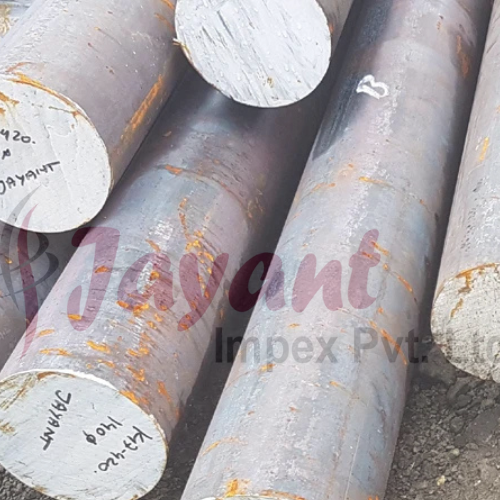
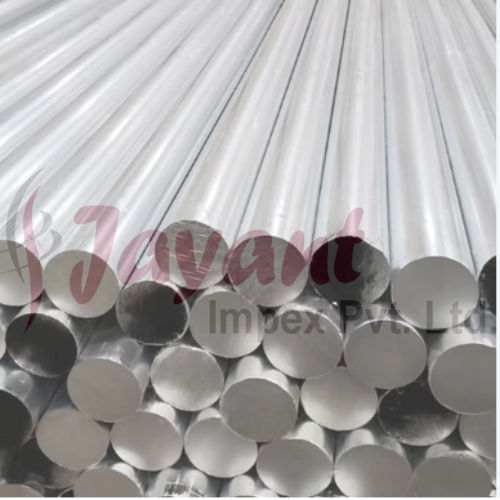
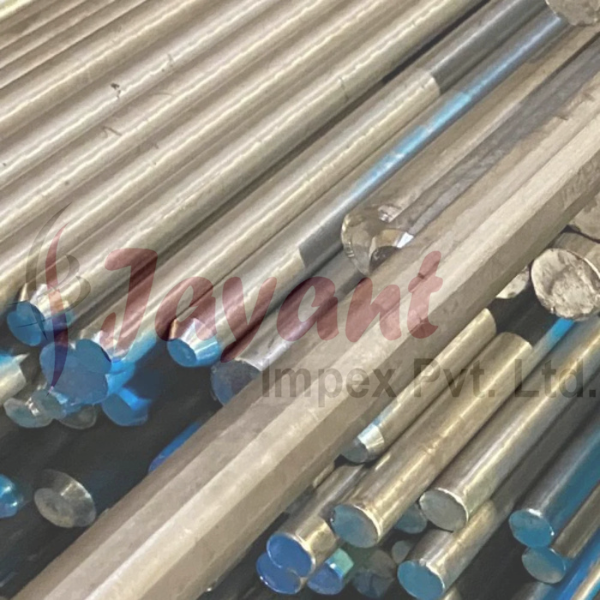
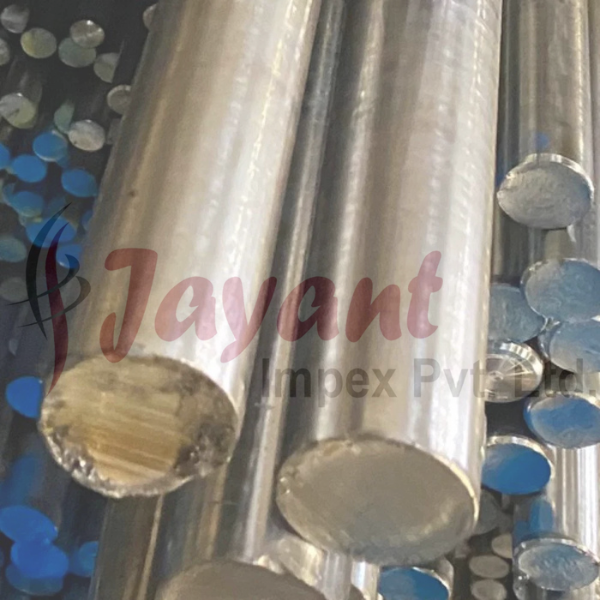
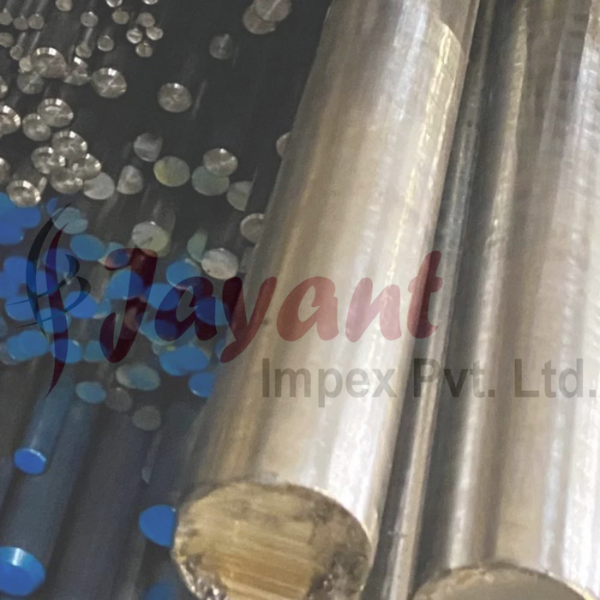
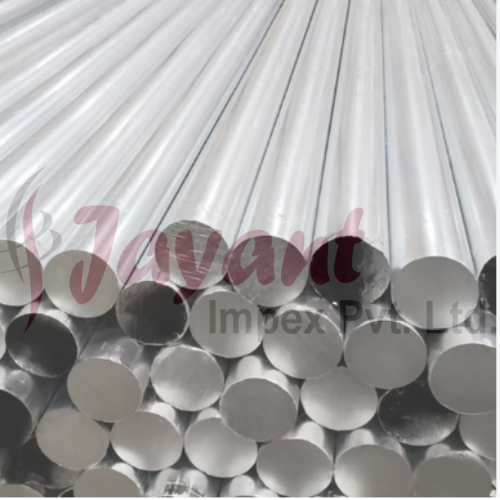
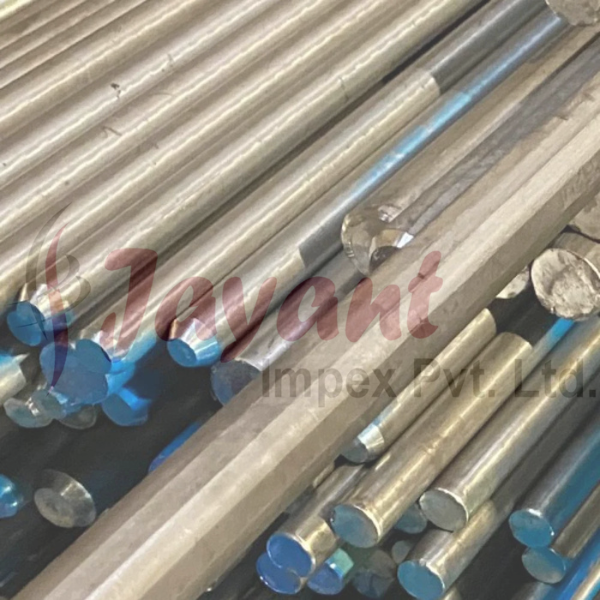
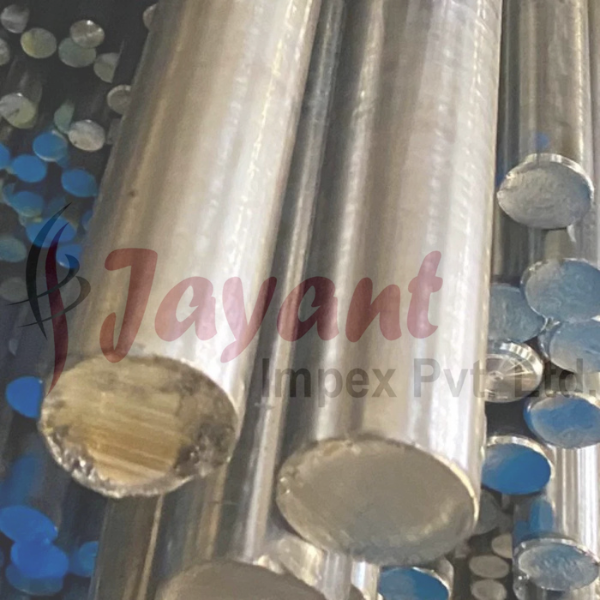
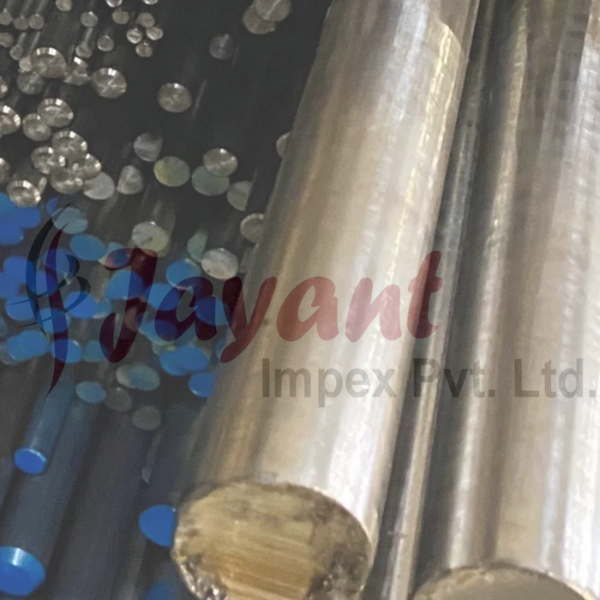
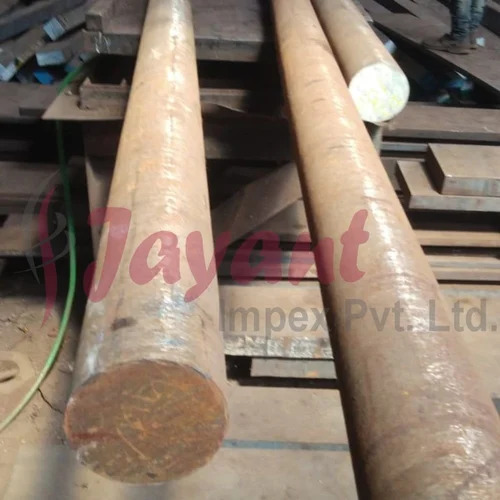
WNr DIN 1.4410 Super Duplex Steel Round Bars 1.4410 Rods
485.0 INR/Kilograms
Product Details:
- Specific Use High corrosion resistance applications
- Length Custom, up to 6 meters or as required
- Technique Hot Rolled / Forged
- Standard WNr DIN 1.4410
- Diameter 10 mm to 600 mm
- Type Round Bar / Rod
- Processing Annealed / Quenched & Tempered
- Click to view more
X
WNr DIN 1.4410 Super Duplex Steel Round Bars 1.4410 Rods Price And Quantity
- 485.0 INR/Kilograms
- 1 Kilograms
WNr DIN 1.4410 Super Duplex Steel Round Bars 1.4410 Rods Product Specifications
- Construction, Engineering, Marine, Oil & Gas, Chemical Industries
- h9, h11, as per customer requirement
- 1.4410, also known as UNS S32750 / S32760
- Round Bar / Rod
- Annealed / Quenched & Tempered
- Super Duplex Steel
- Black / Peeled / Bright / Polished
- High corrosion resistance applications
- Custom, up to 6 meters or as required
- WNr DIN 1.4410
- Hot Rolled / Forged
- 10 mm to 600 mm
- 550 MPa
- Solution Annealed
- 7.8 g/cm3
- Solution Annealed (1040-1120C)
- 15%
- 800 MPa
- 270 HB Max
- Excellent
- Magnetic
- Bundled, Wooden Box, or as required
Product Description
Werkstoff Nr. 1.4410 (commonly known as Super Duplex 2507 or UNS S32750) is a high-alloy super duplex stainless steel designed for highly corrosive conditions requiring exceptional strength. Like other super duplex grades, it maintains a balanced 50/50 microstructure of ferrite and austenite, providing the best attributes of both phases: high yield strength and superb resistance to stress corrosion cracking.
Compared to standard Duplex 2205, 1.4410 features higher chromium, molybdenum, and nitrogen contents, elevating its corrosion resistance to a level comparable to top-tier austenitic super-stainless steels.
Technical Profile
1. Chemical Composition (Wt% per EN 10088-3)
The high concentration of Chromium and Molybdenum ensures high resistance to localized pitting.
| Element | Min % | Max % |
| Chromium (Cr) | 24.0 | 26.0 |
| Nickel (Ni) | 6.0 | 8.0 |
| Molybdenum (Mo) | 3.0 | 5.0 |
| Nitrogen (N) | 0.24 | 0.35 |
| Carbon (C) | 0.030 (Max) | |
| Copper (Cu) | 0.50 (Max) | |
| Iron (Fe) | Balance | Balance |
2. Key Mechanical Properties (Typical Room Temp - Solution Annealed)
-
Tensile Strength ($R_m$): $750 - 1000 text{ MPa}$
-
Yield Strength ($R_{p0.2}$): $ge 530 text{ MPa}$
-
Elongation ($A_5$): $ge 25%$
-
Impact Energy (Charpy-V): Excellent toughness down to $-40^circtext{C}$
3. Pitting Resistance Equivalent Number (PREN)
The guaranteed PREN value for 1.4410 ensures outstanding protection against localized chloride attack:
$$text{PREN} = % text{Cr} + 3.3(% text{Mo}) + 16(% text{N}) ge 41$$
Key Characteristics & Processing
-
Chloride Pitting & Crevice Corrosion: Highly reliable in marine environments and chlorinated water systems where standard 316L or Duplex 2205 would fail via localized pitting.
-
Stress Corrosion Cracking (SCC): The ferritic phase grants the alloy exceptional immunity to chloride-induced SCC at elevated temperatures.
-
Machining & Fabrication: Due to its high yield strength and work-hardening rate, machining 1.4410 round bars requires rigid setups, sharp carbide tooling, low cutting speeds, and heavy feeds.
-
Temperature Limit: Continuous service is generally limited to $-50^circtext{C}$ to $250^circtext{C}$. Extended exposure to temperatures between $300^circtext{C}$ and $900^circtext{C}$ causes the precipitation of brittle phases (such as sigma phase), which drastically reduces toughness and corrosion resistance.
Typical Engineering Applications
-
Offshore Marine Platforms: Seawater cooling systems, firewater systems, ballast water piping, and structural components.
-
Desalination Plants: High-pressure reverse osmosis (RO) piping, high-velocity pumps, and evaporation vessels.
-
Chemical & Petrochemical Processing: Heat exchangers, vessels, and piping components handling organic and inorganic acids, chlorides, and caustic solutions.
-
Pulp & Paper: Bleach plant washers, vessels, and industrial processing shafts.
Common International Equivalents
When sourcing 1.4410 rods and round bars, they frequently carry cross-certifications across these standards:
-
UNS: S32750
-
Brand Name: SAF 2507 (Sandvik/Alleima)
-
EN / DIN: X2CrNiMoN25-7-4
-
ASTM Specifications: ASTM A276, ASTM A479 (for bars/shapes)
-
NORSOK Compliance: MDS D57
Exceptional Corrosion Resistance
Crafted from Super Duplex Steel Grade 1.4410 (UNS S32750/S32760), these round bars and rods offer superior resistance to pitting, crevice, and general corrosion-making them ideal for use in marine, chemical, and offshore environments. Their enhanced alloy composition outperforms conventional stainless steels in aggressive conditions.
Robust Mechanical Properties
With a hardness of up to 270 HB, yield strength of 550 MPa, and tensile strength of 800 MPa, these rods are engineered for high-stress applications. Their combination of strength, toughness, and elongation ensures structural reliability across a multitude of engineering and construction projects where durability and safety are paramount.
Customized Supply Solutions
Available in diameters from 10 mm to 600 mm and lengths up to 6 meters- or as specified-these bars are supplied in a variety of finishes including black, peeled, bright, and polished. Tailored to your requirements, products can be packed in bundles, wooden boxes, or bespoke packaging, meeting project and logistic needs worldwide.
FAQ's of WNr DIN 1.4410 Super Duplex Steel Round Bars 1.4410 Rods:
Q: How are WNr DIN 1.4410 Super Duplex Steel Round Bars processed?
A: These bars are manufactured using hot rolling or forging, followed by solution annealing between 1040-1120C. Additional processes like quenching, tempering, and various finishing options (such as polished or peeled) can be applied depending on the application and customer requirements.Q: What benefits do 1.4410 Super Duplex Steel Round Bars offer for industrial applications?
A: Their exceptional strength, superior corrosion resistance, and tailored dimensional tolerances ensure reliable performance in harsh environments, such as the oil & gas, marine, and chemical industries. The magnetic properties and ductility further expand their suitability for demanding engineering tasks.Q: When should I choose 1.4410 Super Duplex Steel over standard stainless steel?
A: Select 1.4410 Super Duplex Steel when your project demands enhanced mechanical strength and resistance to corrosion, especially in environments exposed to high chloride or acidic conditions-such as offshore, petrochemical, or marine structures.Q: Where can these round bars and rods be used?
A: They are widely utilized in construction, marine components, engineering, oil & gas pipelines, and chemical processing equipment due to their excellent durability and resistance to corrosive elements.Q: What are the available sizes and finishes for these bars and rods?
A: They are offered in diameters ranging from 10 mm to 600 mm and lengths up to 6 meters or custom sizes. Finishing options include black, peeled, bright, and polished surfaces, accommodating various functional and aesthetic applications.Q: How are the products packed for delivery?
A: Depending on client requirements, the bars can be bundled, placed in wooden boxes, or packed as specified to ensure safe and secure transportation, both domestically and internationally.Q: What standards and grades are followed in the production of these round bars?
A: The bars comply with WNr DIN 1.4410 standards and are produced using Grade 1.4410 (also known as UNS S32750/S32760) to meet stringent quality and performance criteria for industrial use.Tell us about your requirement

Price:
Quantity
Select Unit
- 50
- 100
- 200
- 250
- 500
- 1000+
Additional detail
Mobile number
Email

Other Products in 'Steel Bar' category

JAYANT IMPEX
GST : 27AAQFJ5764L1ZJ
GST : 27AAQFJ5764L1ZJ

- 6th, 605, Majestic Shopping Center, Jagannath Shankarseth Road, Girgaon,Mumbai - 400004, Maharashtra, India
- Phone : 08045800544

- Mr Shrenik Prakash Mehta (Director)
- Mobile : 08045800544
-
jayantimpex12@gmail.com


-
Share to



 Send Inquiry
 Send SMS
 Call Me Free
JAYANT IMPEX PVT. LTD. All Rights Reserved.(Terms of Use)
Developed and Managed by Infocom Network Private Limited. Terms of use | Returns Policy Member
Developed and Managed by Infocom Network Private Limited. Terms of use | Returns Policy Member
