 English
 Spanish
 French
 German
 Italian
 Chinese (Simplified)
 Japanese
 Korean
 Arabic
 Portuguese
 Call Us : 08045800544
 Call Us : 08045800544
 Get a Quote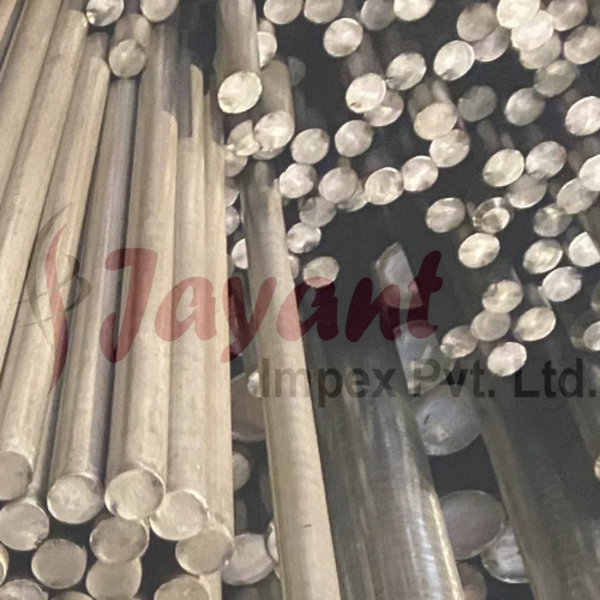
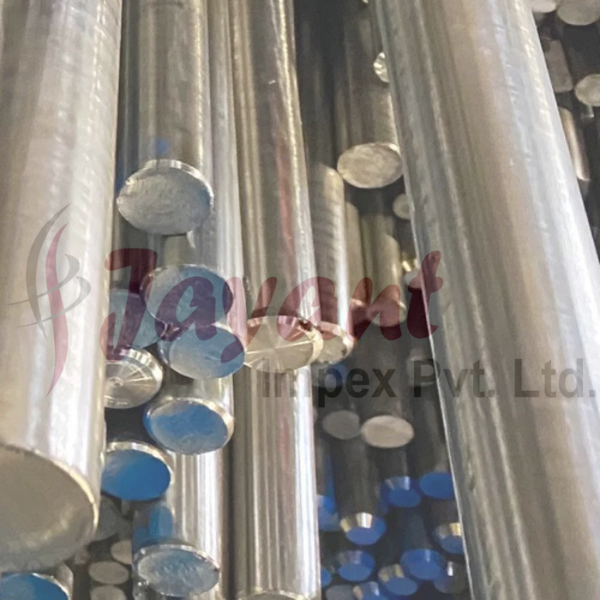
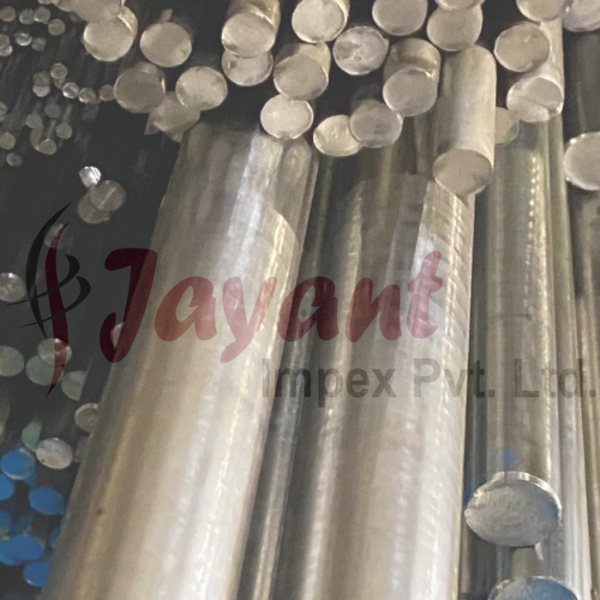
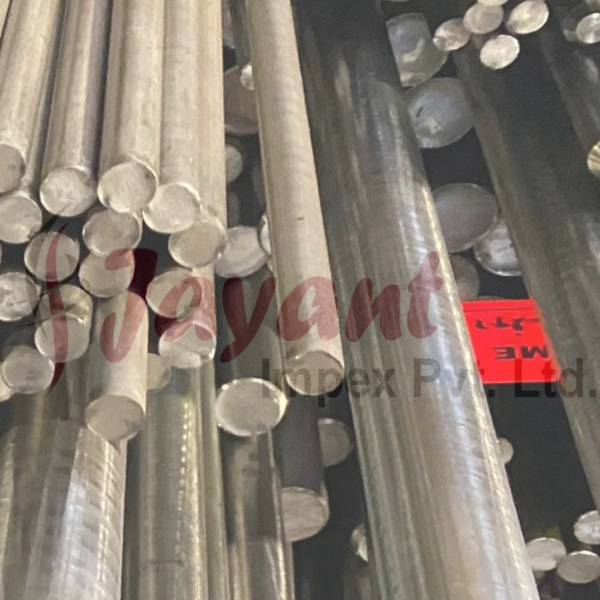
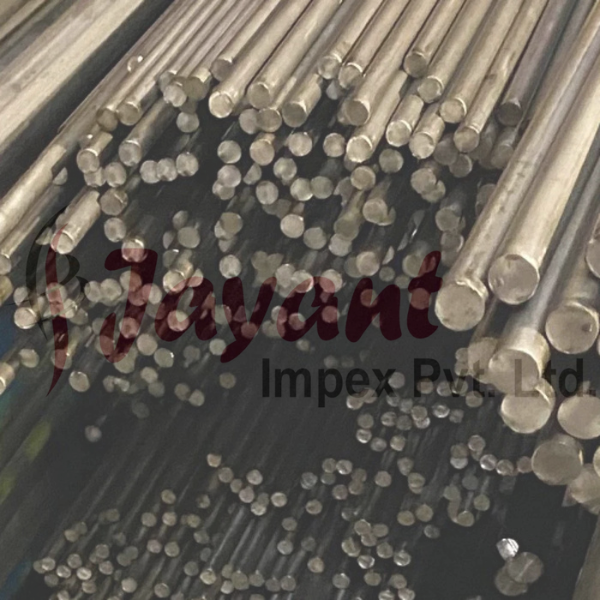
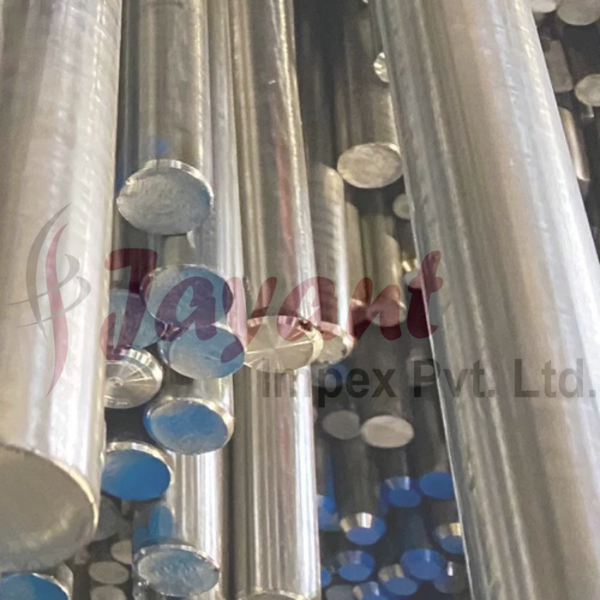
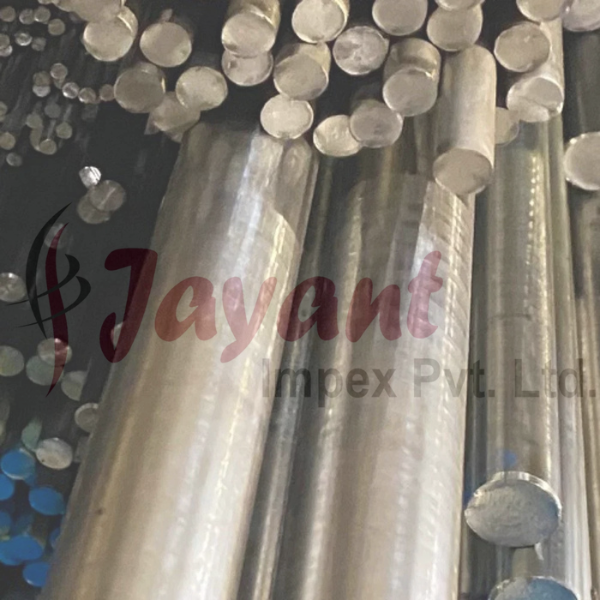
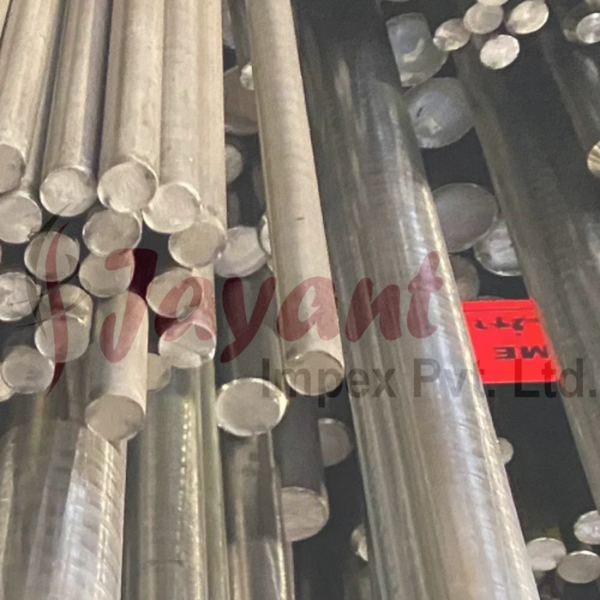
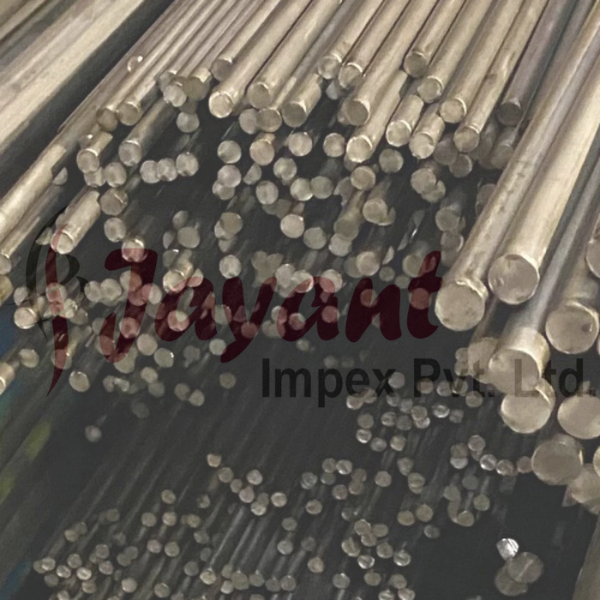
UNS N08825 DIN 2.4858 Incoloy Round Bars
1250.0 INR/Piece
Product Details:
- Technique Hot Rolled / Cold Drawn
- Standard ASTM B425, ASME SB425
- Specific Use Used for applications requiring high resistance to corrosion and oxidation
- Diameter 4mm to 350mm
- Length Random, cut length, fixed length up to 6 meters or customized
- Material UNS N08825 / DIN 2.4858 Incoloy
- Finish Bright, Black, Polished, Peeled or Customized
- Click to view more
X
UNS N08825 DIN 2.4858 Incoloy Round Bars Price And Quantity
- 1 Piece
- 1250.0 INR/Piece
UNS N08825 DIN 2.4858 Incoloy Round Bars Product Specifications
- Hot Rolled / Cold Drawn
- ASTM B425, ASME SB425
- Used for applications requiring high resistance to corrosion and oxidation
- 4mm to 350mm
- UNS N08825 / DIN 2.4858 Incoloy
- Random, cut length, fixed length up to 6 meters or customized
- Bright, Black, Polished, Peeled or Customized
- Chemical processing, pollution control, oil and gas recovery, marine, acid production, nuclear fuel reprocessing
- Incoloy 825
- H9, H10, H11 or as per customer specification
- Cold Drawn, Hot Rolled, Centreless Ground
- Round Bar
- 1385 - 1446C
- Smooth, free from scale and cracks
- Solution Annealed
- 690 MPa (min)
- Forged, Rolled, Drawn, Peeled, Ground
- Rockwell B85 max
- Excellent in both oxidizing and reducing acids, including sulfuric and phosphoric acid
- 30% (min)
- 8.14 g/cm3
- 310 MPa (min)
Product Description
Moving from hot-work tool steels into the territory of high-performance superalloys, UNS N08825 (universally known as Incoloy 825 or W.Nr. 2.4858) is a premium nickel-iron-chromium austenitic alloy. Engineered with critical additions of molybdenum, copper, and titanium, this grade is designed specifically to conquer exceptionally aggressive, highly corrosive industrial environments rather than mechanical wear or high thermal shock.
Here is a comprehensive technical breakdown of N08825 / 2.4858 round bars.
Chemical Composition (Weight %)
The key to Incoloy 825's versatility is its carefully balanced "hybrid" base of Nickel and Iron, paired with unique localized corrosion fighters.
| Element | Nickel (Ni) | Iron (Fe) | Chromium (Cr) | Molybdenum (Mo) | Copper (Cu) | Titanium (Ti) |
| Percentage | 38.0 46.0% | 22.0% min (Balance) | 19.5 23.5% | 2.50 3.50% | 1.50 3.00% | 0.60 1.20% |
Why this specific blend matters:
-
The High Nickel (38-46%): Provides foundational immunity to chloride-ion stress corrosion cracking (SCC), a notorious failure point for standard stainless steels in marine and chemical environments.
-
The Copper addition (1.5-3.0%): Grants outstanding resistance to highly reducing acids, most notably sulfuric and phosphoric acids.
-
The Molybdenum content (2.5-3.5%): Drastically reduces susceptibility to localized chloride attacks like pitting and crevice corrosion.
-
The Titanium stabilization (0.6-1.2%): Reacts preferentially with carbon to form titanium carbides. This completely blocks chromium carbide precipitation at grain boundaries during welding, keeping the heat-affected zone (HAZ) completely immune to intergranular corrosion.
International Material Specifications
When purchasing, tracking, or manufacturing with N08825 round bars, they are typically certified to the following global standards:
-
UNS: N08825
-
Werkstoff Nummer (W.Nr.): 2.4858
-
EN ISO Alphanumeric: NiCr21Mo
-
ASTM / ASME: B425 / SB425 (Standard Specification for Ni-Fe-Cr-Mo-Cu Alloy Rod and Bar)
-
NACE Compliance: Approved under NACE MR0175 / ISO 15156 for sour gas service in petroleum applications.
Typical Mechanical & Physical Properties (Annealed Condition)
Unlike tool steels, Incoloy 825 cannot be hardened via heat treatment; it derives its strength from solid-solution strengthening and can be further strengthened via cold working.
-
Density: $8.14 text{ g/cm}^3$ ($0.294 text{ lb/in}^3$)
-
Melting Range: 1370C 1400C (2500F 2550F)
-
Tensile Strength: $ge 550 text{ MPa}$ ($80 text{ ksi}$)
-
Yield Strength (0.2% Offset): $ge 220 text{ MPa}$ ($32 text{ ksi}$)
-
Elongation: $ge 30%$
-
Typical Annealed Hardness: ~135165 HBW
Machining & Fabrication Insights
-
Work Hardening: N08825 work-hardens rapidly during machining, much like standard austenitic stainless steels but to a higher degree. Heavy, continuous feeds, sharp tooling, and low cutting speeds are mandatory to prevent the tool from glazing over a hardened surface layer.
-
Hot Forming: Hot-working should be executed between 870C and 1180C (1600F to 2150F). For maximum corrosion performance, the final hot-work pass should stay within the 870C to 980C window, followed immediately by rapid air or water cooling.
-
Annealing (Solution Treatment): Done at 940C 980C (1725F 1800F) followed by a rapid air cool or water quench to restore optimal corrosion resistance.
Primary Applications for N08825 Bars
Because of its broad chemical resistance profile, Incoloy 825 round bars are primarily machined into components for:
-
Oil & Gas Extraction: Sub-surface safety valves, pump shafts, downhole equipment, and wellheads operating in sour gas ($text{H}_2text{S}$) and high-chloride environments.
-
Chemical Processing Plants: Agitators, pump impellers, valves, and fasteners handling hot sulfuric, nitric, or phosphoric acid mixtures.
-
Pollution Control Systems: Flue-gas desulfurization (FGD) scrubbers and damper components dealing with highly corrosive condensed exhaust acids.
-
Nuclear Processing: Fuel element dissolvers and components designed to handle radioactive wastes safely.
-
Marine Engineering: High-durability propeller shafts, marine fasteners, and heat exchanger internals.
Exceptional Corrosion Resistance
UNS N08825 Incoloy round bars exhibit outstanding resistance to both oxidizing and reducing acids, making them ideal for industries such as chemical processing, acid production, and pollution control. Their performance in harsh environments reduces maintenance and replacement costs.
Versatile Manufacturing Options
These round bars are available in forged, rolled, drawn, peeled, or ground forms, catering to diverse application requirements. They can be supplied in different finishes, such as bright, black, polished, or customized options, accommodating a wide range of industrial needs.
Reliable Mechanical Properties
With high tensile and yield strength as well as good elongation, Incoloy 825 bars retain their performance even under severe stress. Their Rockwell B85 maximum hardness ensures a balance of toughness and formability, suitable for a broad spectrum of processing and fabrication techniques.
FAQ's of UNS N08825 DIN 2.4858 Incoloy Round Bars:
Q: How are UNS N08825 DIN 2.4858 Incoloy round bars manufactured?
A: These round bars are produced through hot rolling or cold drawing processes, and can be further finished by centreless grinding, peeling, or polishing. Each bar is solution annealed to ensure optimal mechanical properties and surface quality, free from scale and cracks.Q: What applications are best suited for Incoloy 825 round bars?
A: Incoloy 825 round bars are particularly suited for chemical processing, pollution control, oil and gas recovery, marine engineering, acid production, and nuclear fuel reprocessing due to their corrosion resistance and robust mechanical properties.Q: When should I choose Incoloy 825 round bars over other alloys?
A: Choose UNS N08825 round bars when your project requires exceptional resistance to corrosive acids (like sulfuric or phosphoric) and oxidizing environments, especially where both high strength and extended durability are critical.Q: Where are these round bars typically supplied and by whom?
A: These round bars are manufactured, exported, and supplied by dealers, fabricators, producers, and retailers across India and worldwide. They can be procured in standard or customized lengths and finishes as per requirements.Q: What is the surface condition and how does it benefit applications?
A: The bars offer a smooth surface free from scale and cracks, which enhances resistance to corrosive environments and minimizes the risk of localized corrosion and weak points during fabrication or in-service use.Q: How does the solution annealing process affect bar performance?
A: Solution annealing enhances the corrosion resistance and improves the ductility and toughness of the round bars, ensuring reliable performance in harsh and aggressive chemical environments.Q: What are the length and diameter options available for these round bars?
A: UNS N08825 round bars are provided in random, cut, or fixed lengths up to 6 meters or more, with diameters ranging from 4 mm to 350 mm, or as specified by the customer.Tell us about your requirement

Price:
Quantity
Select Unit
- 50
- 100
- 200
- 250
- 500
- 1000+
Additional detail
Mobile number
Email

Other Products in 'Steel Bar' category


JAYANT IMPEX
GST : 27AAQFJ5764L1ZJ
GST : 27AAQFJ5764L1ZJ

- 6th, 605, Majestic Shopping Center, Jagannath Shankarseth Road, Girgaon,Mumbai - 400004, Maharashtra, India
- Phone : 08045800544

- Mr Shrenik Prakash Mehta (Director)
- Mobile : 08045800544
-
jayantimpex12@gmail.com


-
Share to



 Send Inquiry
 Send SMS
 Call Me Free
JAYANT IMPEX PVT. LTD. All Rights Reserved.(Terms of Use)
Developed and Managed by Infocom Network Private Limited. Terms of use | Returns Policy Member
Developed and Managed by Infocom Network Private Limited. Terms of use | Returns Policy Member
