 English
 Spanish
 French
 German
 Italian
 Chinese (Simplified)
 Japanese
 Korean
 Arabic
 Portuguese
 Call Us : 08045800544
 Call Us : 08045800544
 Get a Quote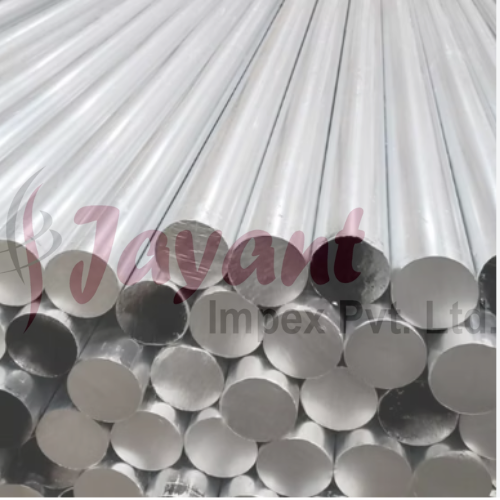
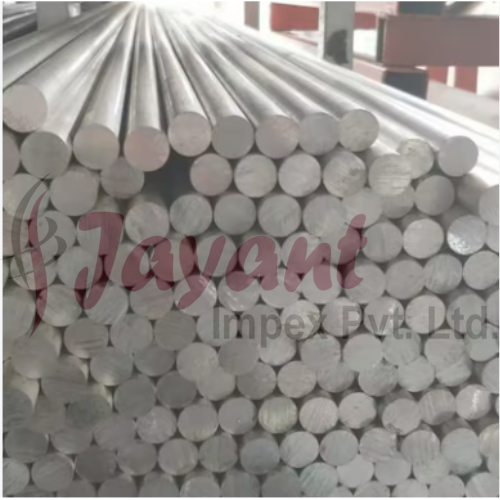
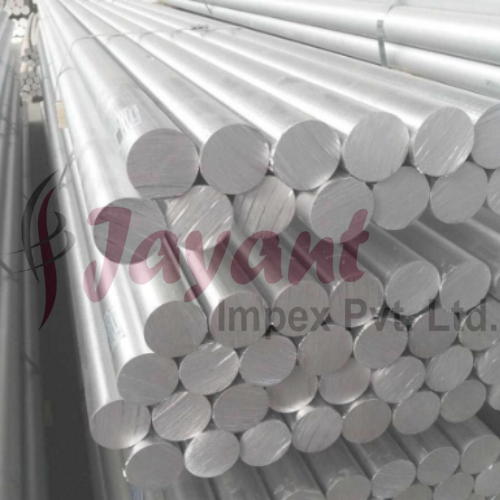
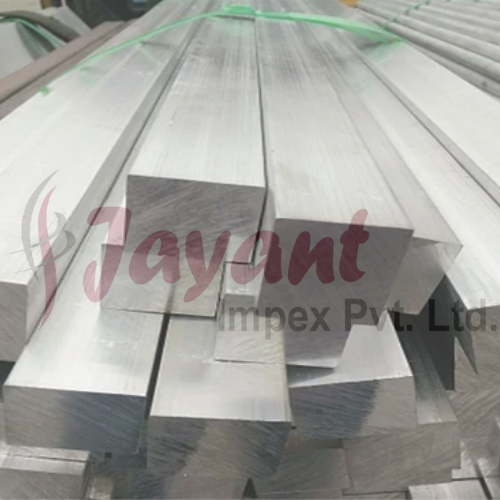
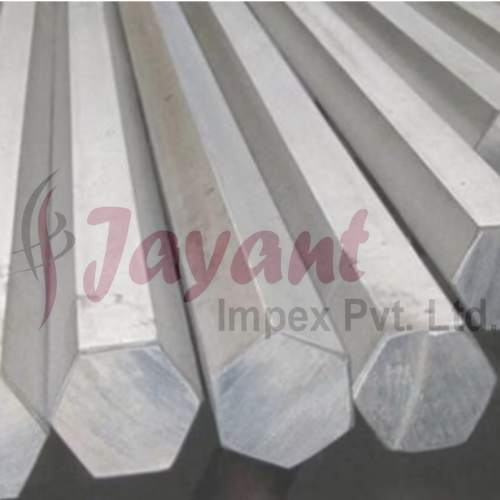
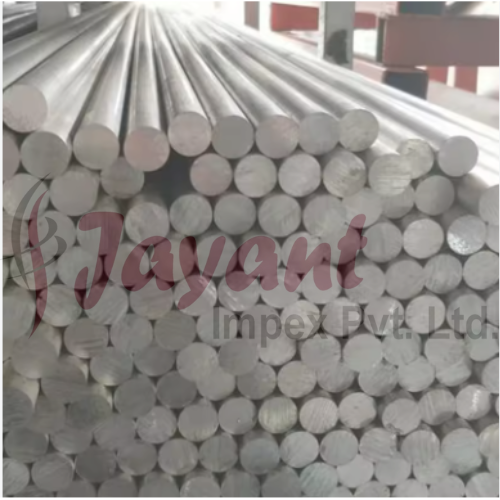
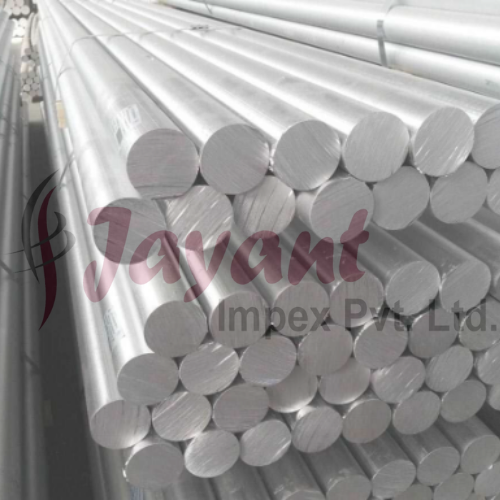
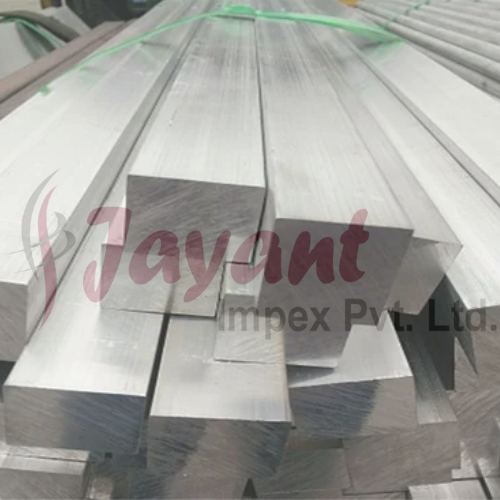
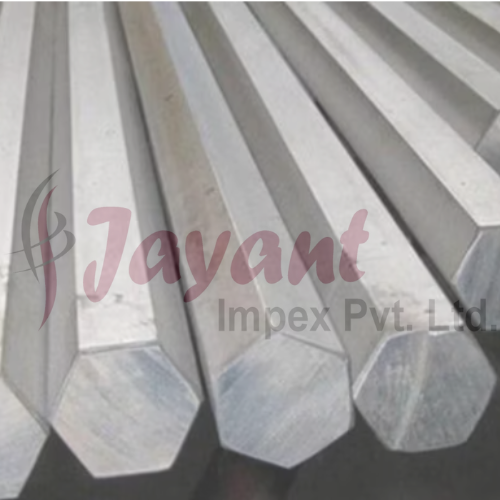
ASTM A182 F55 Super Duplex Steel Round Bars
615.0 INR/Kilograms
Product Details:
- Type Round Bar
- Standard ASTM A182
- Tolerance h9, h11 or as per requirement
- Material Super Duplex Stainless Steel (ASTM A182 F55)
- Application Marine engineering, Chemical processing, Oil and Gas industries, Power generation, Desalination plants, Structural and general engineering uses
- Diameter 10 mm to 400 mm
- Processing Cold Drawn / Hot Rolled / Machined
- Click to view more
X
ASTM A182 F55 Super Duplex Steel Round Bars Price And Quantity
- 1 Kilograms
- 615.0 INR/Kilograms
ASTM A182 F55 Super Duplex Steel Round Bars Product Specifications
- Super Duplex Stainless Steel (ASTM A182 F55)
- h9, h11 or as per requirement
- ASTM A182
- Round Bar
- Corrosion-resistant components, High-strength construction, Piping systems
- Hot Rolled / Forged
- F55 (UNS S32760)
- Cold Drawn / Hot Rolled / Machined
- 2 to 6 meters or as per customer requirement
- Bright, Black, Peeled, Polished
- 10 mm to 400 mm
- Marine engineering, Chemical processing, Oil and Gas industries, Power generation, Desalination plants, Structural and general engineering uses
- Solution Annealed
- Rockwell C32 max
- 25% min
- 550 MPa min
- 7.8 g/cm3
- Smooth, free from scale and cracks
- Bundled, wrapped in plastic, or as required
- Excellent, especially against chlorides and seawater
- 770 MPa min
Product Description
ASTM A182 F55 represents the forging specification for ultra-premium UNS S32760 (DIN 1.4501) super duplex stainless steel round bars. Because this grade is heavily relied upon for high-stress, safety-critical applicationssuch as downhole oilfield equipment, chemical processing vessels, and marine shaftssourcing require a precise match between architectural tolerances, dimensions, and chemical limits.
1. Structural Performance Specifications
The ASTM A182 framework controls hot-finished and forged configurations to guarantee that structural items perform predictably under heavy thermal or mechanical stress:
-
Yield Strength ($0.2%$ Offset): $ge 550 text{ MPa}$ ($80 text{ ksi}$)
-
Tensile Strength ($R_m$): $ge 750 text{ MPa}$ ($109 text{ ksi}$)
-
Target Microstructure: Balanced 50% austenite and 50% ferrite matrix.
-
Maximum Hardness: Limited to $300 text{ HBW}$ or $28 text{ HRC}$ to prevent hydrogen-induced stress corrosion cracking in environments adhering to NACE MR0175 / ISO 15156.
2. Physical Sizes & Dimensional Options
Depending on whether your machinery uses an automated automatic lathe chuck, or if you require massive raw forging billets for heavy industrial shafts, manufacturers offer distinct sizing and geometric tolerance profiles:
-
Super Duplex UNS S32760, F55 Round Bar: An excellent solution for high-precision machining loops. It maps direct mechanical parameters for manufacturing and construction components demanding rigorous structural stability.
-
Super Duplex F55 Stainless Steel Round Bar: Features a silver-toned finish with an impressive melting range of 15001550C for high-heat exposure. It maintains high tensile thresholds ranging from 600 to 700 MPa.
-
6m Duplex Steel Round Bar: Perfect for high-capacity projects requiring large structural supports, offering substantial 4 to 8-inch diameters that conform broadly to dual ASTM A276 and ASME SA479 requirements.
-
3. Critical Trace Additions & Corrosion Barriers
The primary difference between standard duplex grades and F55 lies in its unique chemistry window:
-
Molybdenum ($3.0 - 4.0%$) & Tungsten ($0.5 - 1.0%$): These elements act synergistically to shield the surface matrix from localized crevice pitting when exposed to harsh chloride brines.
-
Copper ($0.5 - 1.0%$): Deliberately added to inhibit surface corrosion in reducing industrial chemicals like sulfuric acid ($H_2SO_4$).
-
Pitting Resistance Equivalent Number (PREN): Always verified via chemical testing to remain $ge 40.0$ ($text{PREN} = %text{Cr} + 3.3(%text{Mo} + 0.5%text{W}) + 16%text{N}$).
4. Mandatory Inspection Documentation
To certify the authenticity and performance of incoming A182 F55 shipments, verify that the Material Test Report (MTR) contains:
-
Solution Annealing State (+AT): Heat treated between $1040^circtext{C}$ and $1120^circtext{C}$ followed by rapid water cooling to keep brittle intermetallic configurations (like sigma phase) from forming.
-
EN 10204 3.1 Certification: Full heat number tracking from the melt shop down to the final profile dimensions.
-
ASTM A923 Method C Testing: Mandatory ferric chloride corrosion validation to guarantee total chemical passivity.
-
Exceptional Mechanical Properties
With high tensile and yield strengths alongside excellent ductility, ASTM A182 F55 Super Duplex Steel Round Bars are engineered to withstand demanding applications. Their robust material properties make them especially effective in scenarios requiring both strength and resilience, all while maintaining a maximum hardness of Rockwell C32.
Corrosion Resistance for Challenging Environments
These round bars are specifically designed to resist corrosion, particularly from chlorides and seawater, making them a reliable choice for offshore, marine, and chemical process environments. Their superior corrosion resistance reduces maintenance and extends component lifespan.
Versatile Applications Across Industries
Due to their high mechanical performance and resistance to harsh conditions, these round bars are widely selected for use in marine engineering, oil and gas, chemical processing, power generation, desalination, and structural projects. Custom sizes, finishes, and packaging can be accommodated as per specific project requirements.
FAQ's of ASTM A182 F55 Super Duplex Steel Round Bars:
Q: How are ASTM A182 F55 Super Duplex Steel Round Bars typically processed?
A: These bars are manufactured using hot rolled or forged techniques, followed by solution annealing to enhance strength and corrosion resistance. For precise dimensional accuracy or improved surface finish, processes such as cold drawing or machining may be employed.Q: What advantages does the F55 (UNS S32760) grade offer in corrosive environments?
A: F55 grade super duplex stainless steel delivers exceptional corrosion resistance, particularly against chlorides and seawater. This makes it highly suitable for marine engineering, desalination plants, and chemical processing industries where material durability is critical.Q: Where can ASTM A182 F55 round bars be effectively used?
A: These round bars are commonly utilized in sectors like marine engineering, oil and gas, chemical processing, power generation, and structural engineering. They perform excellently in environments exposed to corrosive agents such as seawater or chlorinated solutions.Q: When is it recommended to use a super duplex steel like ASTM A182 F55 over standard stainless steel?
A: Super duplex steels such as F55 are recommended when projects demand a combination of high strength and superior resistance to localized corrosion, especially in aggressive settings. Their robustness and longevity make them a preferred choice for critical infrastructure.Q: What are the packaging options available for these round bars?
A: Packaging typically involves bundling and wrapping the bars in plastic to protect against moisture and surface damage. Custom packaging can also be arranged per customer requirements to ensure safe transportation and storage.Q: How does the surface finish and dimensional tolerance affect the usage of these round bars?
A: A smooth, crack-free surface and precise dimensional tolerances (h9, h11 or as specified) ensure the round bars are suitable for high-precision applications and reduce the risk of defects in assembly or operation.Tell us about your requirement

Price:
Quantity
Select Unit
- 50
- 100
- 200
- 250
- 500
- 1000+
Additional detail
Mobile number
Email

Other Products in 'Steel Bar' category


JAYANT IMPEX
GST : 27AAQFJ5764L1ZJ
GST : 27AAQFJ5764L1ZJ

- 6th, 605, Majestic Shopping Center, Jagannath Shankarseth Road, Girgaon,Mumbai - 400004, Maharashtra, India
- Phone : 08045800544

- Mr Shrenik Prakash Mehta (Director)
- Mobile : 08045800544
-
jayantimpex12@gmail.com


-
Share to



 Send Inquiry
 Send SMS
 Call Me Free
JAYANT IMPEX PVT. LTD. All Rights Reserved.(Terms of Use)
Developed and Managed by Infocom Network Private Limited. Terms of use | Returns Policy Member
Developed and Managed by Infocom Network Private Limited. Terms of use | Returns Policy Member
