 English
 Spanish
 French
 German
 Italian
 Chinese (Simplified)
 Japanese
 Korean
 Arabic
 Portuguese
 Call Us : 08045800544
 Call Us : 08045800544
 Get a Quote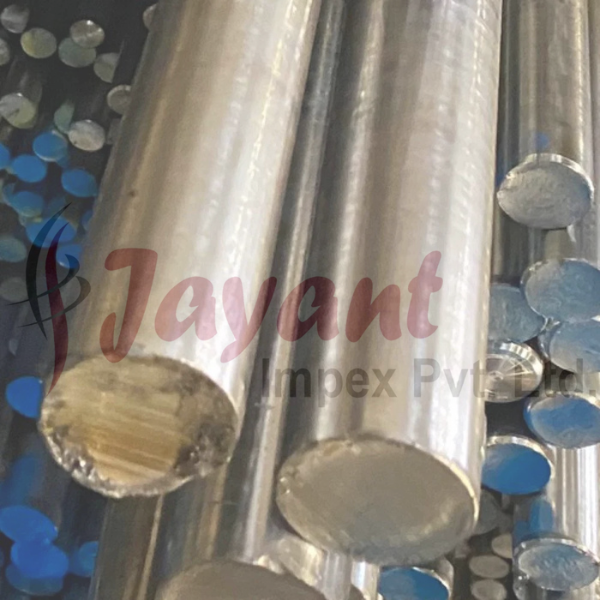
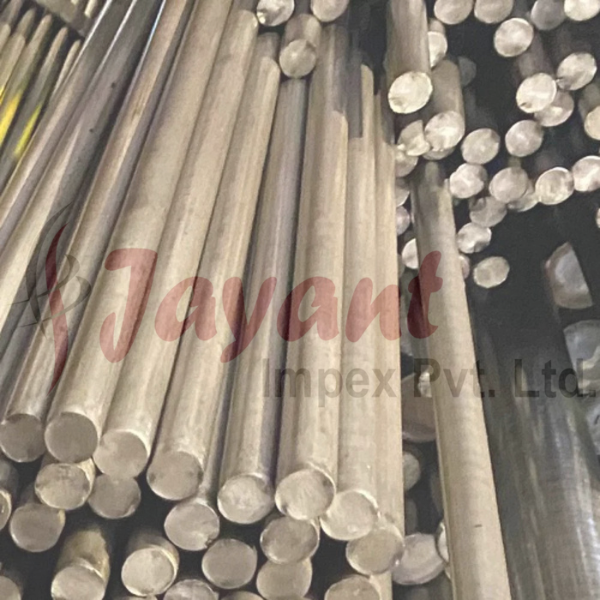
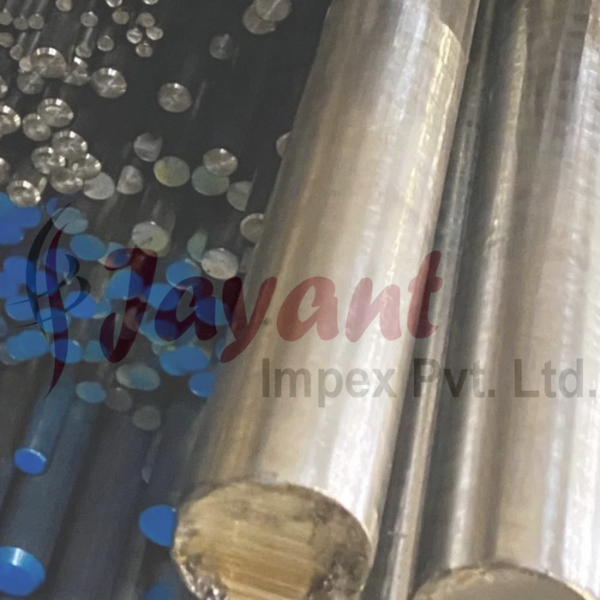
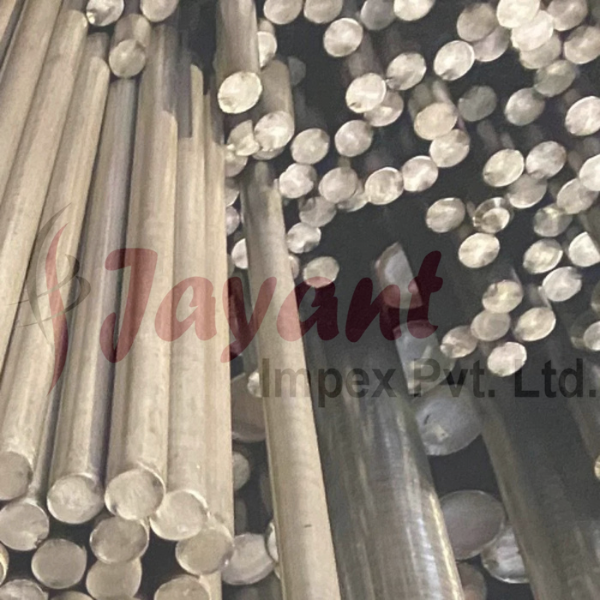
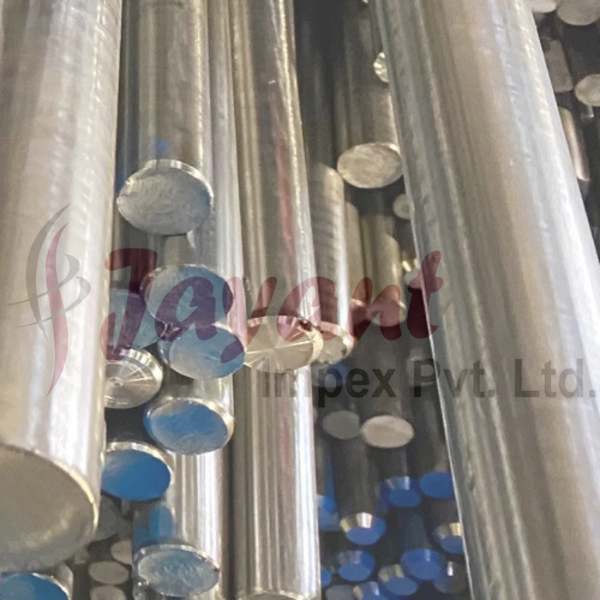
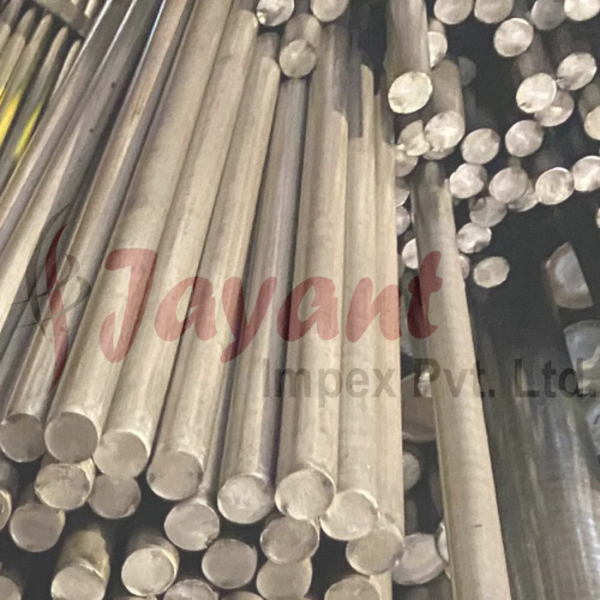
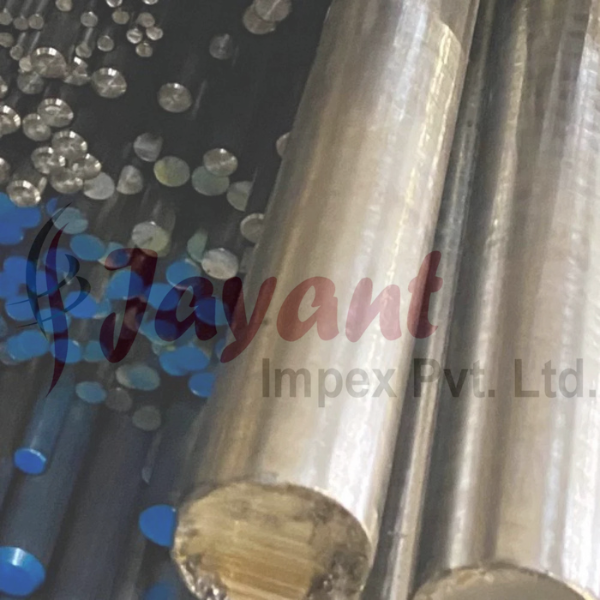
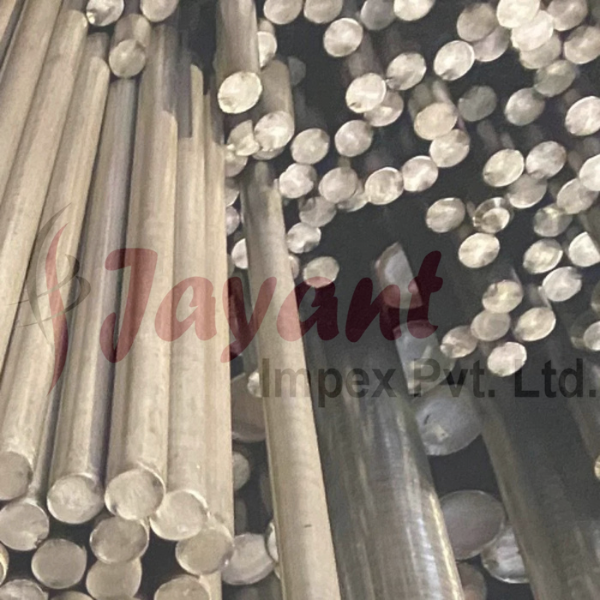
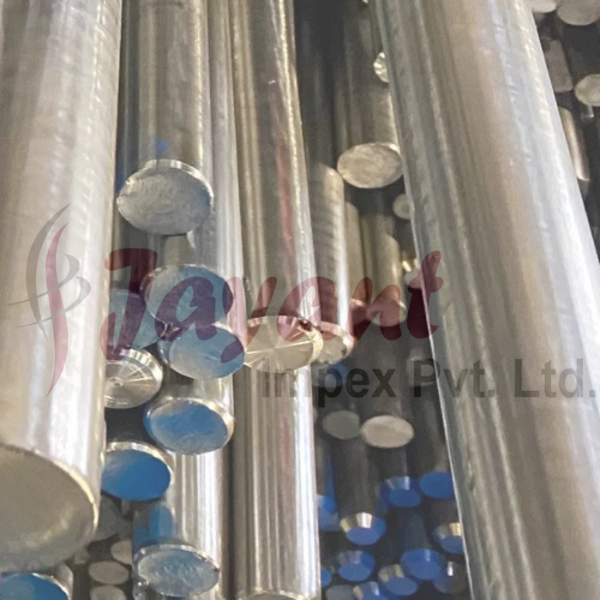
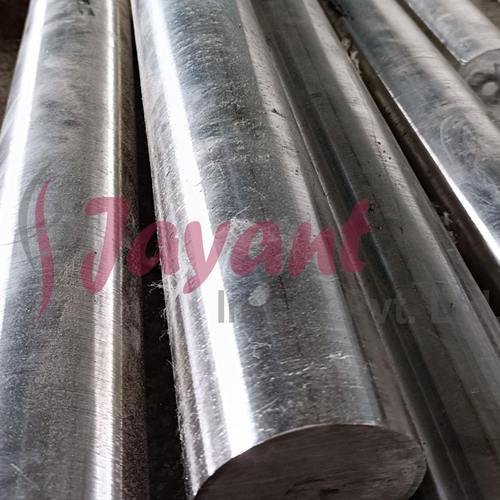
UNS N08810 Inconel Round Bars DIN 1.4958
1250.0 INR/Piece
Product Details:
- Grade Alloy 800H / 800HT
- Processing Forged, Rolled, Heat Treated
- Application High Temperature and Corrosive Environments
- Type Round Bar
- Material UNS N08810 Inconel (DIN 1.4958)
- Length 100 mm to 6000 mm or as required
- Specific Use Petrochemical Industry, Furnace Components, Power Generation
- Click to view more
X
UNS N08810 Inconel Round Bars DIN 1.4958 Price And Quantity
- 1250.0 INR/Piece
- 1 Piece
UNS N08810 Inconel Round Bars DIN 1.4958 Product Specifications
- Bright, Black, Polished
- 100 mm to 6000 mm or as required
- Petrochemical Industry, Furnace Components, Power Generation
- Hot Rolled / Cold Drawn
- h9, h10, h11 or as specified
- 4 mm to 350 mm
- ASTM B160, ASTM B408, EN, DIN, JIS
- Forged, Rolled, Heat Treated
- Alloy 800H / 800HT
- UNS N08810 Inconel (DIN 1.4958)
- Round Bar
- High Temperature and Corrosive Environments
- 205 MPa
- 30%
- Straight Lengths, Cut Lengths
- 520 MPa
- Plastic Coating/Export Worthy Packing
- 1357C - 1385C
- Rockwell B90 max
- 7.94 g/cm3
- Excellent
Product Description
UNS N08810 (commonly known as Incoloy 800H or W.Nr. 1.4958) is a high-temperature, solid-solution strengthened nickel-iron-chromium alloy. It belongs to the same family as Alloy 800 and Alloy 800HT (UNS N08811), engineered specifically for structural applications exposed to long-term high temperatures where resistance to creep deformation and oxidation is critical.
While frequently grouped under the commercial name "Inconel" by distributors, it is technically an Incoloy alloy due to its high iron base, which provides an economical solution for high-temperature environments without sacrificing performance.
Chemical Composition & The "Alloy 800" Family Matrix
The entire Alloy 800 series shares a similar base, but UNS N08810 (800H) modifies the chemistry to specifically target high-temperature strength.
| Element | Iron (Fe) | Nickel (Ni) | Chromium (Cr) | Carbon (C) | Aluminum (Al) | Titanium (Ti) | Al + Ti |
| UNS N08810 % | 39.5% min | 30.0 35.0% | 19.0 23.0% | 0.05 0.10% | 0.15 0.60% | 0.15 0.60% | 0.30 1.20% |
How it compares to the rest of the family:
-
Alloy 800 (UNS N08800): The baseline grade. It has lower carbon ($le 0.10%$) and is typically used up to 600C (1100F) where general corrosion and oxidation resistance are required.
-
Alloy 800H (UNS N08810): Restricts carbon strictly to 0.050.10% and requires a high-temperature solution anneal. This combination optimizes its high-temperature creep and rupture properties for service above 600C.
-
Alloy 800HT (UNS N08811): Goes a step further by squeezing the Carbon window (0.060.10%) and tightening the Aluminum + Titanium range (0.851.20%) for maximum possible creep performance.
Global Equivalents & Standards
Round bars made from UNS N08810 are universally cross-referenced under these primary industrial systems:
-
UNS: N08810 (Alloy 800H)
-
Werkstoff Nummer (W.Nr.): 1.4958
-
EN ISO Alphanumeric: X5NiCrAlTi31-20
-
ASTM / ASME: B408 / SB408 (Standard Specification for Nickel-Iron-Chromium Alloy Rod and Bar)
-
Pressure Code Compliance: Fully recognized by the ASME Boiler and Pressure Vessel Code (Section VIII) for high-temperature construction.
Microstructure & Mechanical Attributes
The exceptional high-temperature stamina of UNS N08810 relies entirely on its grain structure:
-
Controlled Grain Coarsening: Per ASTM specifications, UNS N08810 bars must undergo a solution heat treatment that produces a grain size of ASTM No. 5 or coarser. Coarse grains are vital at glowing-hot temperatures because they minimize grain-boundary sliding, effectively slowing down the rate of creep deformation.
-
Tensile Strength: $ge 450 text{ MPa}$ ($65 text{ ksi}$)
-
Yield Strength (0.2% Offset): $ge 170 text{ MPa}$ ($25 text{ ksi}$)
-
Elongation at Break: $ge 30%$
Heat Treatment & Fabrication
1. Solution Annealing
-
Temperature: Processed at approximately 1150C (2100F).
-
Objective: This high-temperature exposure dissolves any internal carbides back into the solid matrix and intentionally grows the grain size to meet the mandatory structural creep metrics before quenching or rapid air cooling.
2. Machining Outlook
-
Alloy 800H behaves similarly to austenitic stainless steels; it is tough, slightly gummy, and work-hardens instantly under friction.
-
Use rigid setups, heavy-duty sulfur-free cutting fluids, and sharp tooling with high positive rake angles. Maintain a continuous, positive feed rateif the tool dwells against the rotating bar for even a second, it will create a glazed, hardened layer that is incredibly difficult to cut through.
Primary Applications for N08810 Round Bars
Thanks to its ability to retain high tensile integrity and scale resistance during long exposures to carburizing or oxidizing gases, N08810 round bars are machined into:
-
Petrochemical & Refining: Steam methane reformer pigtails, header systems, catalyst tubes, and components for thermal cracking units.
-
Industrial Furnace Manufacturing: High-temperature furnace retorts, radiant tubes, conveyor rollers, dampers, and internal structural racks.
-
Power Plant Hardware: Superheater and reheater tubing support brackets, heat-exchanger internals, and high-temperature piping systems for coal, gas, and nuclear power generation.
-
Chemical Processing: Equipment for processing nitric acid, organic acids, and various high-temperature processing media.
Exceptional Performance for Demanding Environments
UNS N08810 Inconel Round Bars are specifically designed to withstand extreme temperatures and corrosive atmospheres. Their robust chemical composition and heat-treated processing make them ideal for vital industry applications where reliability and safety are paramount, such as in petrochemical plants, furnace construction, and power generation.
High Quality and Versatility in Fabrication
Manufactured through hot rolling or cold drawing, and processed via forging, rolling, or additional heat treatment, these round bars offer customers flexibility in dimensions and finishes. Compliance with international standards ensures suitability for global export, while strict tolerances (h9, h10, h11) meet precise engineering requirements.
Secure Packaging and Surface Protection
Every UNS N08810 Inconel Round Bar is secured with plastic coating and export-worthy packing, guaranteeing pristine condition during transport and storage. This attention to protection underscores the product's readiness for both domestic projects and international shipments.
FAQ's of UNS N08810 Inconel Round Bars DIN 1.4958:
Q: How are UNS N08810 Inconel Round Bars typically used in industry?
A: These round bars are commonly utilized in industries requiring high resistance to heat and corrosion. Typical applications include furnace components, equipment for the petrochemical industry, and systems in power generation plants, where materials must withstand severe thermal and chemical stress.Q: What benefits does UNS N08810 (DIN 1.4958) provide over standard stainless steel bars?
A: UNS N08810 offers superior performance in high-temperature and corrosive environments compared to regular stainless steel, providing excellent mechanical strength (tensile strength of 520 MPa), better elongation (30%), and enhanced protection against oxidation and carburization.Q: When should Alloy 800H/800HT round bars be chosen for a project?
A: Select Alloy 800H/800HT round bars whenever your project requires materials that can maintain structural integrity and resist corrosion at elevated temperatures, especially above 600C, such as in chemical processing or thermal power facilities.Q: What surface finishes are available for these Inconel round bars?
A: The round bars can be supplied in bright, black, or polished finishes, allowing for both functional solutions and visually appealing results based on project requirements.Q: Where are these bars manufactured and exported from?
A: These UNS N08810 Inconel Round Bars are manufactured, exported, and supplied by leading dealers, manufacturers, traders, and exporters in India, serving both domestic and international markets.Q: How is the corrosion resistance of these bars ensured during shipping?
A: The bars are protected with a plastic coating and packed using export-grade materials to prevent any damage from moisture, contaminants, or handling during transportation.Tell us about your requirement

Price:
Quantity
Select Unit
- 50
- 100
- 200
- 250
- 500
- 1000+
Additional detail
Mobile number
Email

Other Products in 'Steel Bar' category

JAYANT IMPEX
GST : 27AAQFJ5764L1ZJ
GST : 27AAQFJ5764L1ZJ

- 6th, 605, Majestic Shopping Center, Jagannath Shankarseth Road, Girgaon,Mumbai - 400004, Maharashtra, India
- Phone : 08045800544

- Mr Shrenik Prakash Mehta (Director)
- Mobile : 08045800544
-
jayantimpex12@gmail.com


-
Share to



 Send Inquiry
 Send SMS
 Call Me Free
JAYANT IMPEX PVT. LTD. All Rights Reserved.(Terms of Use)
Developed and Managed by Infocom Network Private Limited. Terms of use | Returns Policy Member
Developed and Managed by Infocom Network Private Limited. Terms of use | Returns Policy Member
