 English
 Spanish
 French
 German
 Italian
 Chinese (Simplified)
 Japanese
 Korean
 Arabic
 Portuguese
 Call Us : 08045800544
 Call Us : 08045800544
 Get a Quote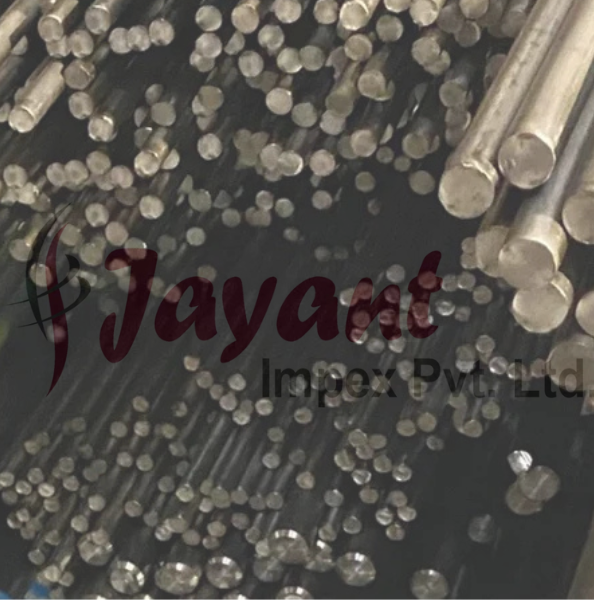
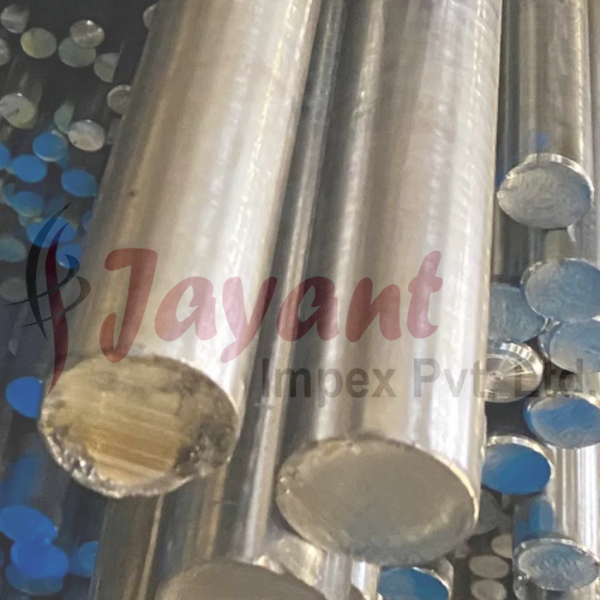
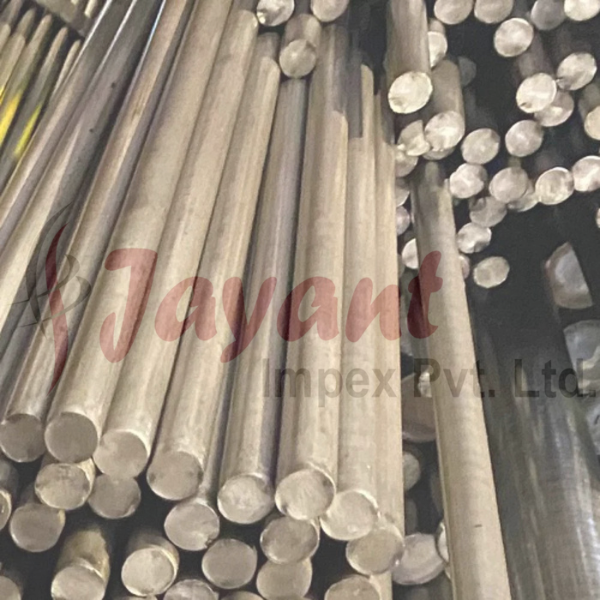
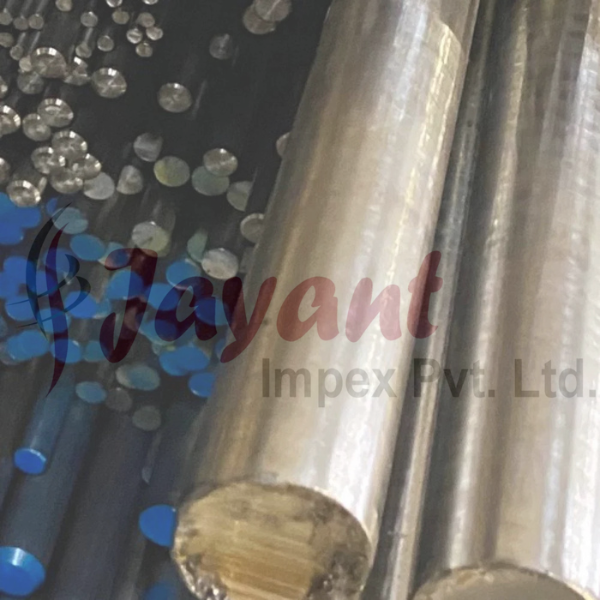
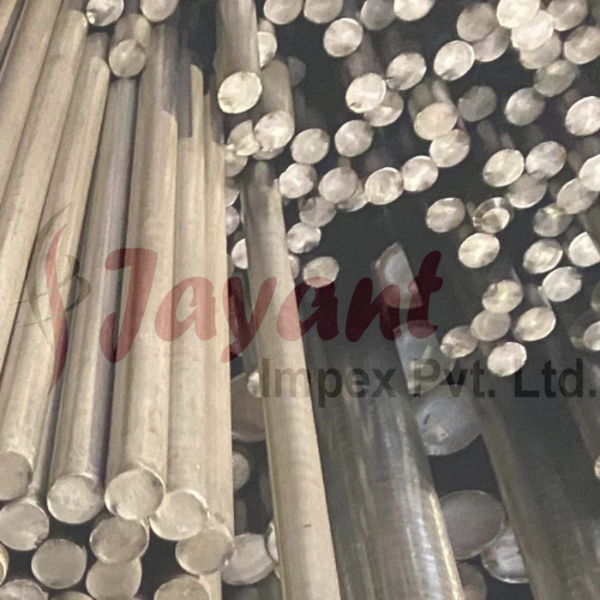
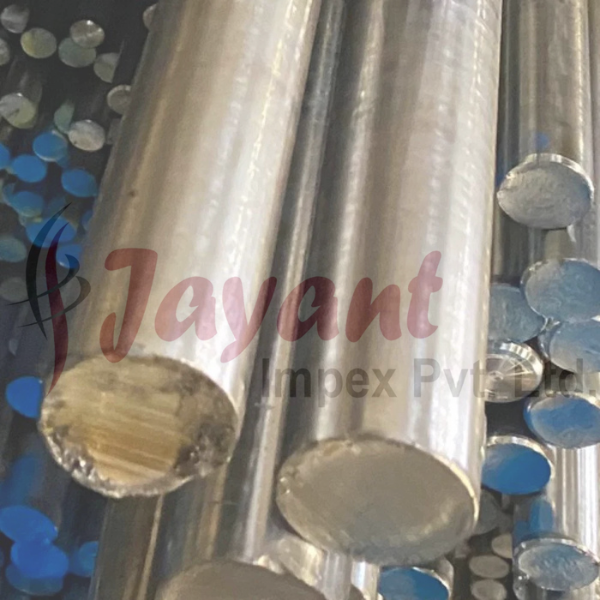
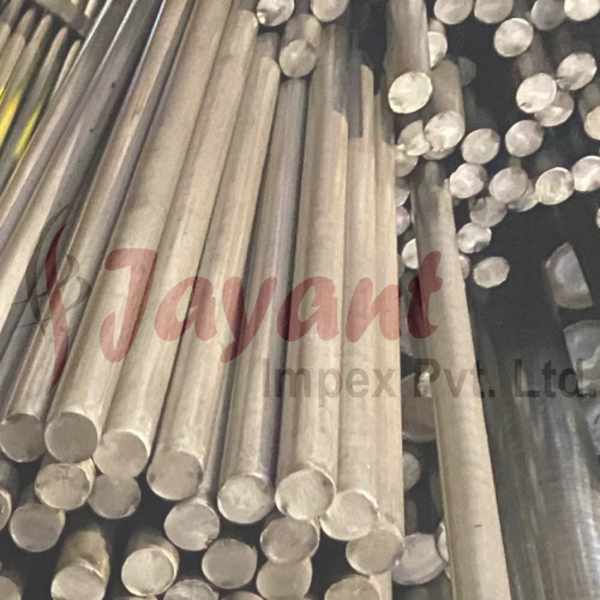
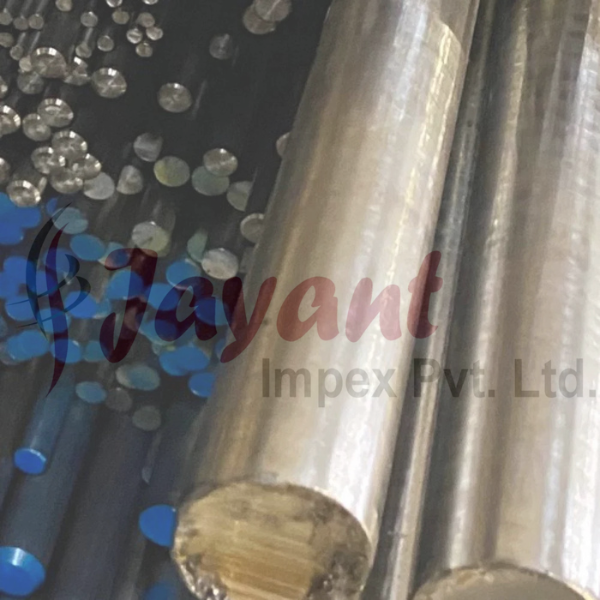
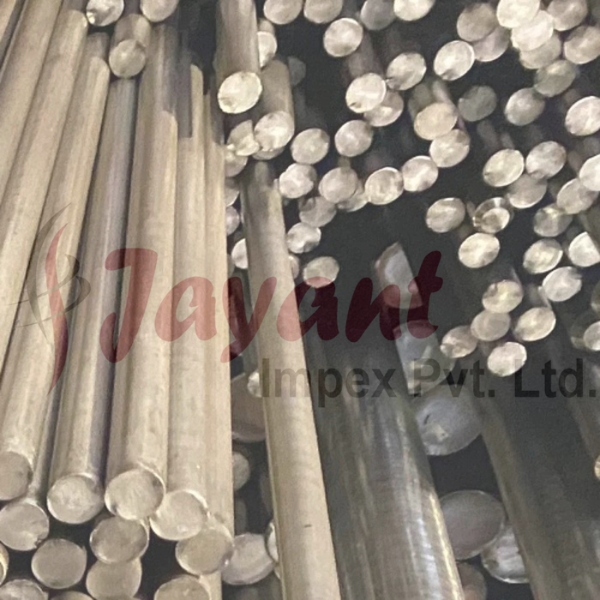
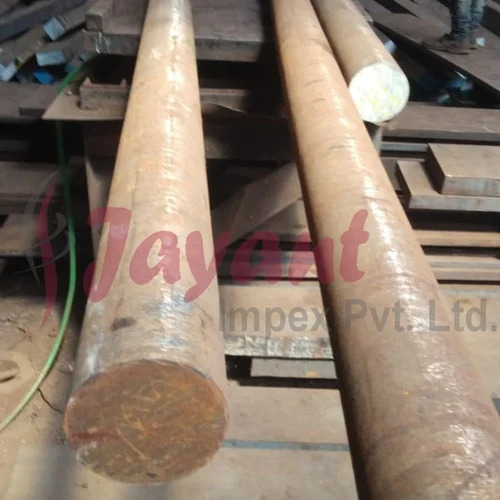
UNS N08800 Inconel Round Bars
1150.0 INR/Piece
Product Details:
- Application Petrochemical, Power Generation, Heat Exchangers, Chemical Processing, Furnace Components
- Material UNS N08800 (Inconel 800)
- Technique Cold Drawn / Hot Rolled
- Diameter 3 mm to 350 mm
- Tolerance h9, h10, h11 or as specified
- Type Round Bars
- Grade Inconel 800 / Alloy 800 / UNS N08800
- Click to view more
X
UNS N08800 Inconel Round Bars Price And Quantity
- 1150.0 INR/Piece
- 1 Piece
UNS N08800 Inconel Round Bars Product Specifications
- Bright, Black, Polished
- Petrochemical, Power Generation, Heat Exchangers, Chemical Processing, Furnace Components
- Cold Drawn / Hot Rolled
- ASTM B408, ASME SB408
- UNS N08800 (Inconel 800)
- Annealed, Solution Annealed, Pickled
- 3 mm to 350 mm
- h9, h10, h11 or as specified
- High Temperature and Corrosive Environments
- Custom, up to 6000 mm or as required
- Inconel 800 / Alloy 800 / UNS N08800
- Round Bars
- Excellent against carburization, oxidation and sulfidation
- 7.94 g/cm3
- 1357 - 1385C
- 205 MPa
- Plastic Coated/Export Worthy Packing
- Straight bar, Peeled,
- 520 MPa
- 30%
Product Description
UNS N08800 (universally known as Incoloy 800) is the foundational alloy in the nickel-iron-chromium series. It is a solid-solution strengthened superalloy designed for components requiring excellent structural strength and resistance to oxidation, carburization, and corrosion at temperatures up to 600C (1100F).
While commonly referred to in the market as an "Inconel" grade by many metal suppliers, it belongs strictly to the Incoloy family because iron is its primary element ($>39.5%$). This iron-base formulation makes UNS N08800 significantly more economical than pure nickel-base alloys while still delivering outstanding high-temperature performance.
Chemical Composition (Weight % per ASTM B408)
The balanced chemistry of UNS N08800 provides the foundational matrix for the entire Alloy 800 family (including 800H and 800HT).
| Element | Iron (Fe) | Nickel (Ni) | Chromium (Cr) | Carbon (C) | Aluminum (Al) | Titanium (Ti) |
| Percentage | 39.5% min (Balance) | 30.0 35.0% | 19.0 23.0% | 0.10% max | 0.15 0.60% | 0.15 0.60% |
Core Metallurgical Roles:
-
The High Chromium (19-23%): Forms a highly stable, protective chromium-oxide surface scale when exposed to hot air, shielding the core metal from severe oxidation.
-
The High Nickel (30-35%): Maintains a fully stable austenitic (FCC) crystal structure, which provides ductile performance at extreme temperatures and exceptional resistance to chloride-ion stress corrosion cracking (SCC).
-
The Controlled Carbon ($le 0.10%$): Unlike its higher-temperature sub-grades, standard Alloy 800 does not restrict the minimum carbon level or mandate extreme grain coarsening, prioritizing general corrosion protection and processability up to 600C.
International Material Specifications
Round bars manufactured from UNS N08800 conform to the following major global standards:
-
UNS: N08800 (Alloy 800)
-
Werkstoff Nummer (W.Nr.): 1.4876
-
EN ISO Alphanumeric: X10NiCrAlTi32-20
-
JIS (Japan): NCF 800 / NCF 800H
-
ASTM / ASME: B408 / SB408 (Standard Specification for Nickel-Iron-Chromium Alloy Rod and Bar)
Alloy 800 vs. 800H vs. 800HT: The Selection Criteria
When buying round bars in this family, selecting the right sub-grade is entirely dependent on your operating temperature profile:
-
Alloy 800 (UNS N08800): Optimized for general corrosion resistance and structural applications under 600C (1100F). It is typically supplied in a fine-grained, mill-annealed state for superior tensile and fatigue strength at lower temperatures.
-
Alloy 800H (UNS N08810): Engineered for elevated service above 600C. It enforces a higher carbon content (0.050.10%) and undergoes a high-temperature solution anneal to force a coarse grain structure, which significantly slows down creep deformation.
-
Alloy 800HT (UNS N08811): Squeezes the carbon window even tighter (0.060.10%) and requires a strict Aluminum + Titanium window (0.851.20%) to yield the absolute maximum creep-rupture performance at extreme temperatures.
Mechanical Properties (Mill Annealed State)
Because UNS N08800 bars are typically finished with a lower-temperature mill anneal compared to 800H/800HT, they exhibit excellent baseline mechanical property metrics at ambient to mid-range temperatures:
-
Tensile Strength: $ge 520 text{ MPa}$ ($75 text{ ksi}$)
-
Yield Strength (0.2% Offset): $ge 205 text{ MPa}$ ($30 text{ ksi}$)
-
Elongation at Break: $ge 30%$
-
Typical Hardness: ~130 170 HBW
Machining & Processing Guidance
-
Work Hardening Behavior: UNS N08800 work-hardens exceptionally fast during turning, milling, and drilling operations. It requires slow cutting speeds, rigid tooling setups, and deep, continuous cuts.
-
The Golden Rule for Machining: Maintain a constant, mechanical feed. Do not let the cutting tool ride or dwell on the rotating bar without removing metal, as it will immediately create a glazed, hardened layer that destroys cutting edges.
-
Welding: Easily weldable using conventional processes (GTAW/TIG, GMAW/MIG). Recommended filler metals include Inconel Filler Metal 82 or Welding Electrode 182.
Primary Applications for N08800 Round Bars
Because of its superb resistance to scaling, sulfidation, and aqueous corrosion, UNS N08800 round bars are machined into:
-
Chemical Processing: Pump components, agitator shafts, valve internals, and fasteners working with aggressive corrosive media or organic acids.
-
Industrial Thermal Systems: Sheathing for electrical heating elements, heat exchanger internals, and process piping joints operating up to mid-range thermal conditions.
-
Petrochemical Hardware: Support hardware, flanges, and piping connection components used in steam-hydrocarbon reformers.
-
Cryogenic Equipment: Because its austenitic structure prevents low-temperature embrittlement, it retains exceptional impact toughness at deeply sub-zero temperatures.
Superior Resistance in Extreme Environments
UNS N08800 Inconel Round Bars provide outstanding performance in aggressive, high-temperature, and corrosive settings due to their robust alloy composition. They are frequently selected for furnace parts, heat exchangers, and petrochemical processing where resistance to oxidation, sulfidation, and carburization is essential for operational longevity and reliability.
Precision Manufacturing and Versatile Finishing
Fabricated through cold drawn or hot rolled techniques, Inconel 800 bars undergo strict quality processes such as annealing, solution annealing, and pickling. Multiple surface finishes-bright, black, or polished-meet diverse industry requirements, while tight tolerances (h9, h10, h11, or as specified) ensure meticulous dimensional accuracy. Bars are supplied in custom lengths up to 6000 mm and protected with export-worthy packaging.
FAQ's of UNS N08800 Inconel Round Bars:
Q: How are UNS N08800 Inconel Round Bars typically manufactured?
A: These round bars are produced through cold drawing or hot rolling techniques. Post-production processes such as annealing, solution annealing, and pickling enhance their mechanical properties and corrosion resistance. The finished bars are then available in several finishes, including bright, black, or polished surfaces.Q: What benefits do Inconel 800 round bars provide in industrial applications?
A: Inconel 800 round bars deliver excellent resistance to oxidation, carburization, and sulfidation, especially at elevated temperatures. This makes them particularly valuable in petrochemical plants, heat exchangers, furnace components, and the power generation industry, ensuring enduring performance and equipment longevity.Q: When should I use UNS N08800 round bars over other alloys?
A: These round bars are recommended when the environment involves high temperatures and highly corrosive elements, such as those found in chemical processing, furnaces, or power plants. Their robust properties make them superior to standard stainless steels in such demanding applications.Q: Where are UNS N08800 round bars commonly deployed?
A: They are widely used in industries such as petrochemical processing, power generation, heat exchangers, furnace components, and chemical manufacturing throughout India and globally, wherever high temperature and corrosion resistance are critical.Q: What surface protections are available for these round bars during shipment?
A: To ensure the integrity of the bars during transport and handling, they are plastic coated and packaged to export-worthy standards, providing protection against scratches, corrosion, and contamination.Q: How do I specify the dimensions and tolerance for my order?
A: Customers can request custom lengths up to 6000 mm and select diameters ranging from 3 mm to 350 mm. Tolerances can be tailored to h9, h10, h11, or further as required for precise applications.Tell us about your requirement

Price:
Quantity
Select Unit
- 50
- 100
- 200
- 250
- 500
- 1000+
Additional detail
Mobile number
Email

Other Products in 'Steel Bar' category

JAYANT IMPEX
GST : 27AAQFJ5764L1ZJ
GST : 27AAQFJ5764L1ZJ

- 6th, 605, Majestic Shopping Center, Jagannath Shankarseth Road, Girgaon,Mumbai - 400004, Maharashtra, India
- Phone : 08045800544

- Mr Shrenik Prakash Mehta (Director)
- Mobile : 08045800544
-
jayantimpex12@gmail.com


-
Share to



 Send Inquiry
 Send SMS
 Call Me Free
JAYANT IMPEX PVT. LTD. All Rights Reserved.(Terms of Use)
Developed and Managed by Infocom Network Private Limited. Terms of use | Returns Policy Member
Developed and Managed by Infocom Network Private Limited. Terms of use | Returns Policy Member
