 English
 Spanish
 French
 German
 Italian
 Chinese (Simplified)
 Japanese
 Korean
 Arabic
 Portuguese
 Call Us : 08045800544
 Call Us : 08045800544
 Get a Quote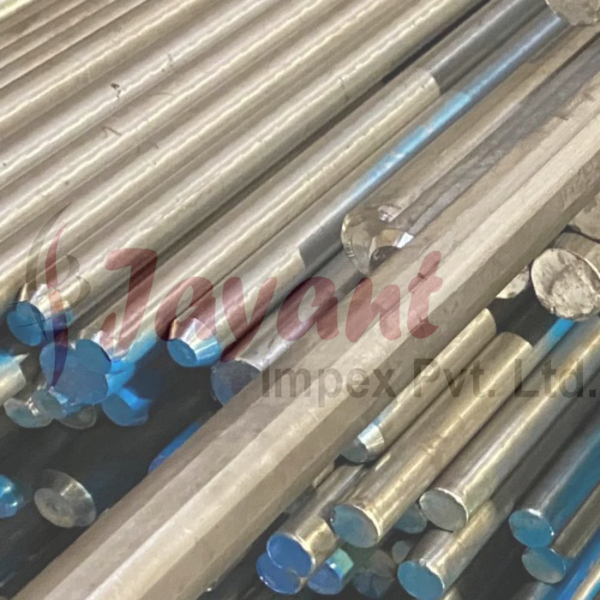
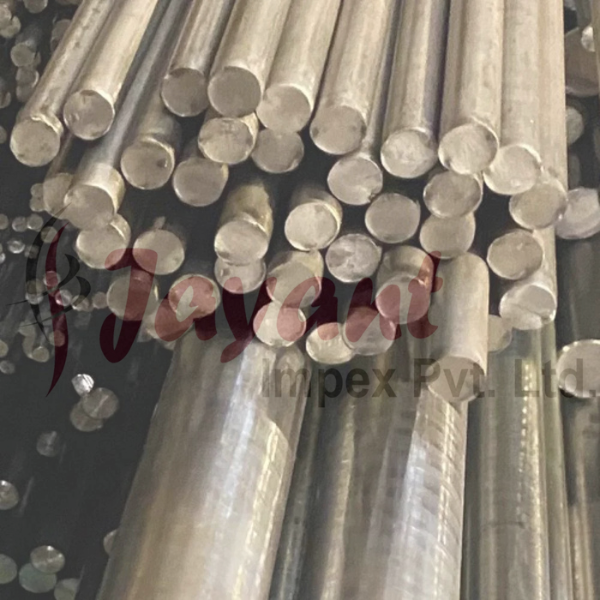
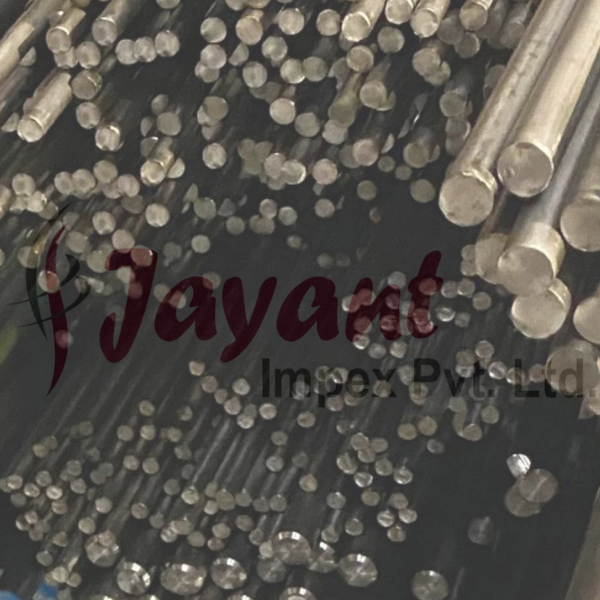
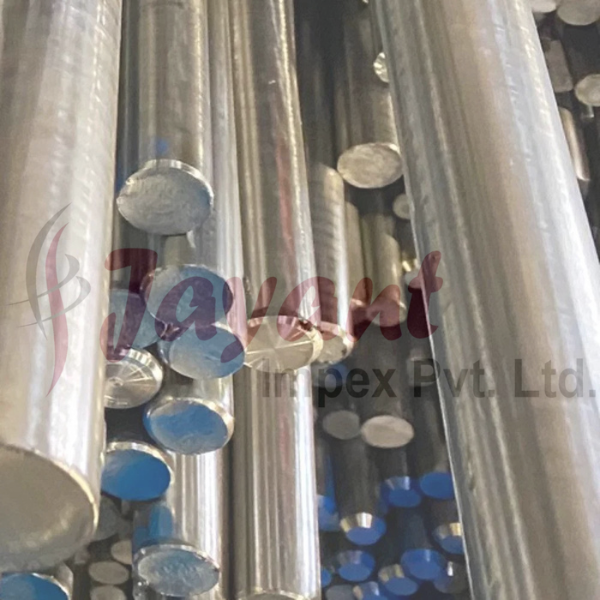
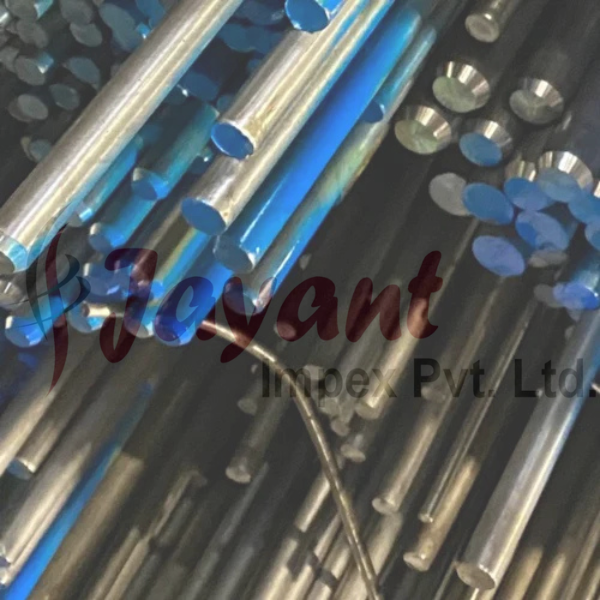
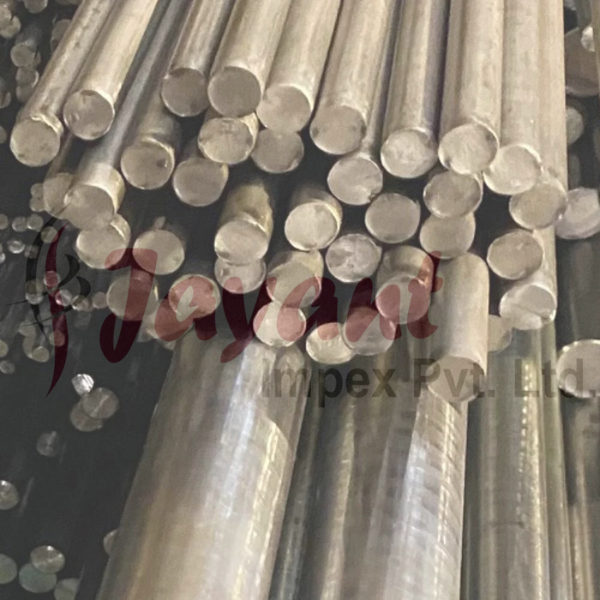
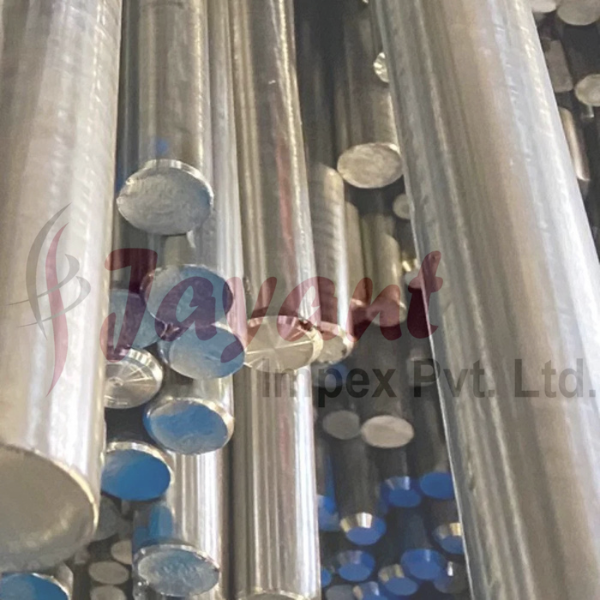
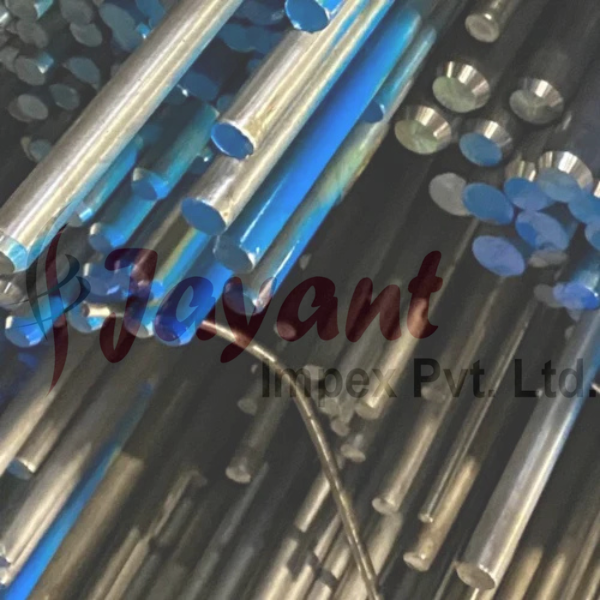
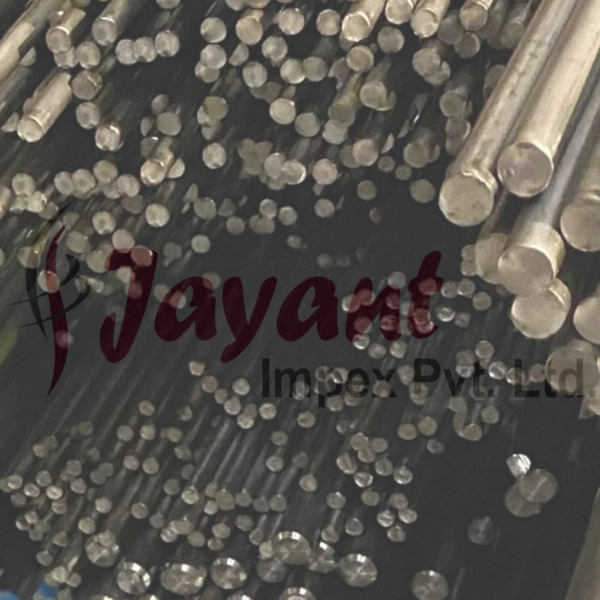
UNS N06600 DIN 2.4816 Inconel Round Bars
3500.0 INR/Kilograms
Product Details:
- Technique Hot Rolled/Cold Drawn
- Processing Annealed
- Length Cut Lengths up to 6000 mm (Customized as per requirements)
- Diameter 2 mm to 250 mm
- Standard ASTM B166, ASME SB 166
- Type Round Bar
- Material UNS N06600 / DIN 2.4816 Inconel
- Click to view more
X
UNS N06600 DIN 2.4816 Inconel Round Bars Price And Quantity
- 1 Kilograms
- 3500.0 INR/Kilograms
UNS N06600 DIN 2.4816 Inconel Round Bars Product Specifications
- Annealed
- Hot Rolled/Cold Drawn
- Cut Lengths up to 6000 mm (Customized as per requirements)
- 2 mm to 250 mm
- Round Bar
- ASTM B166, ASME SB 166
- h9, h11, K12, Customized Tolerance Available
- UNS N06600 / DIN 2.4816 Inconel
- High Temperature and Corrosion Resistant Environments
- Inconel 600
- Aerospace, Chemical Processing, Marine, Heat Treating, Power Generation
- Bright, Black, Peeled, Polished
- Export standard wooden cases or as required
- Excellent in a wide range of corrosive environments
- Good by all standard methods
- 30% min
- 8.47 g/cm3
- 310 MPa min
- 650 MPa min
- Bars, Rods, Shafts, Billets
- 1370 - 1425C
- 85 HRB max
- Square, Round
Product Description
UNS N06600 (universally designated as Inconel 600 / DIN 2.4816 / NiCr15Fe) is a foundational nickel-chromium-iron superalloy. It is a solid-solution strengthened alloy designed for applications requiring high structural stability, oxidation resistance, and corrosion immunity spanning from extreme cryogenic zones up to 1093C (2000F).
While Inconel 601 features added aluminum to handle high-temperature cyclic flaking, Inconel 600 relies on an ultra-high nickel base to withstand heavily reducing environments and prevent halogenous (chloride-ion) attacks.
The Core Technical Advantage: Immunity to Chloride SCC
The prominent engineering attribute of UNS N06600 is its 72% Minimum Nickel content. In chemical and nuclear engineering, standard austenitic stainless steels (like 316L) are vulnerable to catastrophic Chloride Stress-Corrosion Cracking (SCC) in hot, high-pressure aqueous environments. The massive nickel concentration in Inconel 600 renders the alloy virtually immune to this failure mechanism.
Chemical Composition (Weight %)
-
Nickel (Ni): 72.0% Minimum (Provides the base stability and SCC immunity)
-
Chromium (Cr): 14.0 17.0% (Provides high-temperature oxidation and acid passivation)
-
Iron (Fe): 6.0 10.0%
-
Manganese (Mn): 1.0% Maximum
-
Carbon (C): 0.15% Maximum
-
Silicon (Si): 0.5% Maximum
-
Copper (Cu): 0.5% Maximum
Supply Specifications & Standards for Round Bars
UNS N06600 round bars cannot be hardened by thermal treatment; they are hardened exclusively by cold-working. For high-temperature or highly corrosive environments, bars are typically specified in the Annealed condition (to resolve internal stresses and achieve consistent grain uniformity).
-
Primary Bar Specifications:ASTM B166 / ASME SB166 (Rods, Bars, and Wires), AMS 5665 (Aerospace Standard)
-
Forging Standard: ASTM B564 / ASME SB564
-
Dimensional Range: Readily available from cold-drawn bright wires/rods (3 mm) to massive hot-finished or forged turned shafts (up to 500 mm+).
-
Surface Finishes Available: Black hot-rolled/forged, peeled/rough turned, cold-drawn centerless ground, or high-accuracy mirror polished.
-
Environmental/Oilfield Compliance: NACE MR0175 / ISO 15156 compliant.
Mechanical & Physical Properties (Typical Annealed Values)
-
Density: $8.47 text{ g/cm}^3$ ($0.306 text{ lb/in}^3$)
-
Melting Range: 1354C 1413C (2470F 2575F)
-
Tensile Strength: $ge$ 550 to 655 MPa (80 to 95 ksi)
-
Yield Strength (0.2% Offset): $ge$ 240 to 310 MPa (35 to 45 ksi)
-
Elongation at Break: $ge$ 35% to 45% (Highly ductile in the annealed state)
-
Magnetic Permeability: 1.01 at 200 Oersted (Non-magnetic down to cryogenic ranges)
Key Cross-Industry Applications
-
Nuclear Engineering: A standard material of construction for nuclear reactor steam generator tubing, tubesheets, and structural internal components due to its resistance to high-purity water corrosion.
-
Chemical Processing: Process equipment handling fatty acids, sodium sulfide manufacture, and systems processing dry chlorine ($Cl_2$) or hydrogen chloride ($HCl$) gases at elevated temperatures.
-
Thermal Processing & Furnaces: Retorts, muffles, roller hearth components, and heat-treating baskets/trays where carburizing or nitriding atmospheres are present.
-
Aerospace: Engine exhaust liners, turbine seals, and lockwire.
Fabrication, Machining, and Welding Guide
-
Machining Work-Hardening: Like all high-nickel alloys, 2.4816 work-hardens rapidly during cutting operations. It is best machined in the annealed state. Ensure high-rigidity setups, use heavy, continuous positive feeds, sharp carbide inserts, and a high volume of sulfur-free chlorinated coolants.
-
Welding Characteristics: Demonstrates excellent weldability via Gas Tungsten Arc Welding (GTAW/TIG) or Shielded Metal Arc Welding (SMAW). It does not experience post-weld cracking.
-
Consumables Matrix:
-
TIG/MIG Wire: Matching Inconel Filler Metal 82 (AWS A5.14 ERNiCr-3)
-
Stick Electrode: Matching Inconel Welding Electrode 182 (AWS A5.11 ENiCrFe-3)
-
Versatile Applications Across Industries
Inconel 600 round bars are widely employed in industries such as aerospace, marine, chemical processing, power generation, and heat treating. Their outstanding mechanical and anti-corrosive properties make them ideal for both high-temperature and aggressive chemical environments. These bars are engineered to perform reliably even under extreme conditions, ensuring durability and safety in critical applications where failure is not an option.
Customizable Lengths and Tolerances
Our Inconel 600 round bars can be supplied as straight lengths or cut pieces, with tailored lengths up to 6000 mm and diameters ranging from 2 mm to 250 mm. We offer a choice of tolerances such as h9, h11, and K12, with additional customization available upon request. This flexibility allows clients to source exactly what their project specification requires, reducing the need for extra processing on-site.
Robust Mechanical and Surface Properties
Featuring a solution annealed supply condition, Inconel 600 round bars achieve a hardness up to 80 HRB, yield strength of 205 MPa, and tensile strength of 520 MPa, with 30% elongation. The bars possess a smooth, bright, black, peeled, or polished finish and surfaces free from cracks, fulfilling high-quality standards for both performance and aesthetics in finished assemblies.
FAQ's of UNS N06600 DIN 2.4816 Inconel Round Bars:
Q: How are UNS N06600 / DIN 2.4816 Inconel Round Bars typically processed?
A: These round bars are processed using hot rolling or cold drawing techniques and are solution annealed to reach optimal mechanical and corrosion-resistant properties. Final finishes can include bright, black, peeled, or polished, depending on end-use requirements.Q: What applications are best suited for Inconel 600 round bars?
A: Inconel 600 round bars excel in applications requiring high-temperature resistance and superb anti-corrosive capabilities, including aerospace engines, chemical processing equipment, marine hardware, power generation boilers, and heat-treating systems.Q: When should I select Inconel 600 over other materials?
A: Select Inconel 600 when your project demands consistent performance in environments with high temperatures (up to 1354-1413C) or corrosive media, and where mechanical strength and longevity are critical to system integrity.Q: Where can I purchase UNS N06600 / DIN 2.4816 round bars in India?
A: These Inconel round bars are available across India from multiple channels such as dealers, exporters, fabricators, manufacturers, producers, retailers, suppliers, and traders specializing in high-temperature alloys.Q: What are the benefits of using solution annealed Inconel 600 bars?
A: The solution annealing process enhances the bar's uniformity, strength, and ductility while optimizing corrosion resistance. This ensures reliability and extended service life in harsh industrial environments.Q: How do I specify the required size and tolerance for my order?
A: You can choose from standard diameters (2-250 mm) and supply lengths (up to 6000 mm) or request custom cut lengths and tolerances such as h9, h11, or K12, to precisely match your engineering or fabrication requirements.Tell us about your requirement

Price:
Quantity
Select Unit
- 50
- 100
- 200
- 250
- 500
- 1000+
Additional detail
Mobile number
Email

Other Products in 'Steel Bar' category

JAYANT IMPEX
GST : 27AAQFJ5764L1ZJ
GST : 27AAQFJ5764L1ZJ

- 6th, 605, Majestic Shopping Center, Jagannath Shankarseth Road, Girgaon,Mumbai - 400004, Maharashtra, India
- Phone : 08045800544

- Mr Shrenik Prakash Mehta (Director)
- Mobile : 08045800544
-
jayantimpex12@gmail.com


-
Share to



 Send Inquiry
 Send SMS
 Call Me Free
JAYANT IMPEX PVT. LTD. All Rights Reserved.(Terms of Use)
Developed and Managed by Infocom Network Private Limited. Terms of use | Returns Policy Member
Developed and Managed by Infocom Network Private Limited. Terms of use | Returns Policy Member
