 English
 Spanish
 French
 German
 Italian
 Chinese (Simplified)
 Japanese
 Korean
 Arabic
 Portuguese
 Call Us : 08045800544
 Call Us : 08045800544
 Get a Quote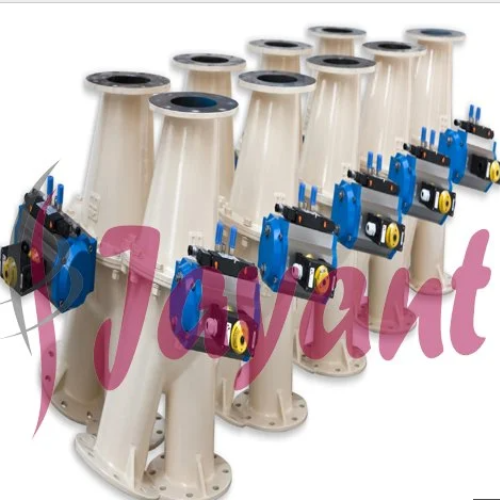

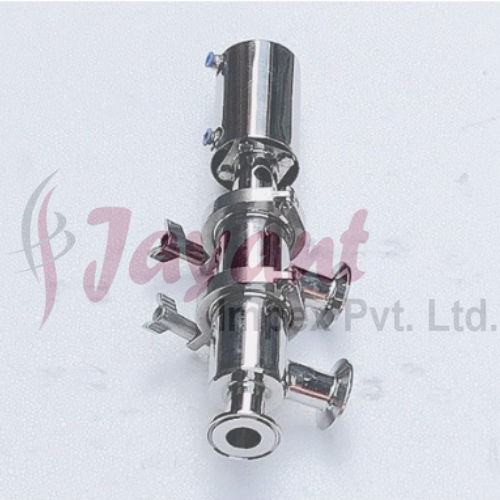
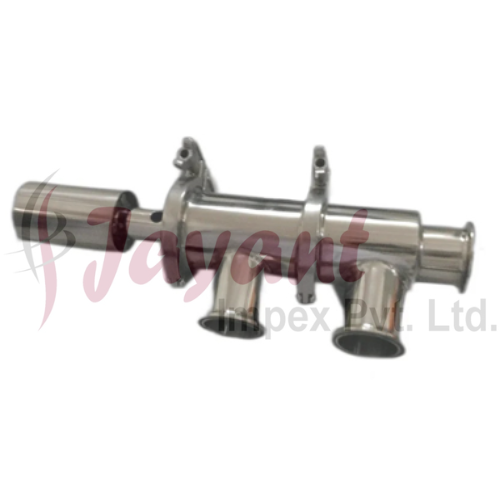

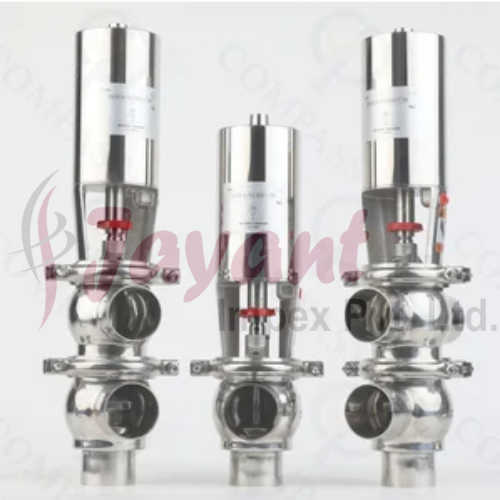
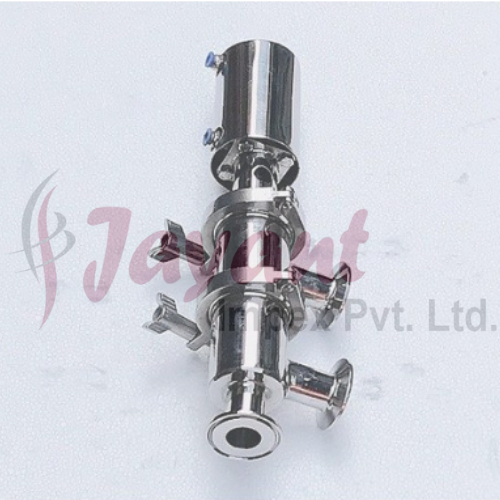
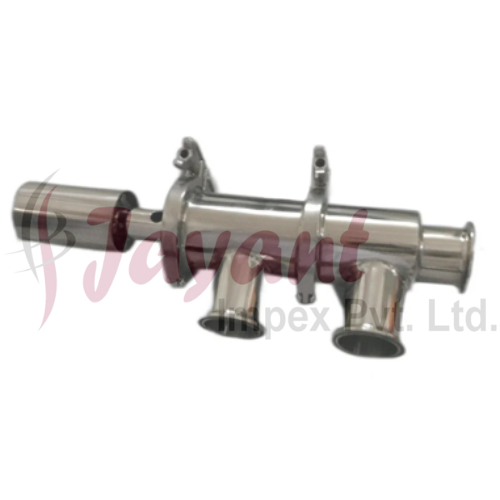
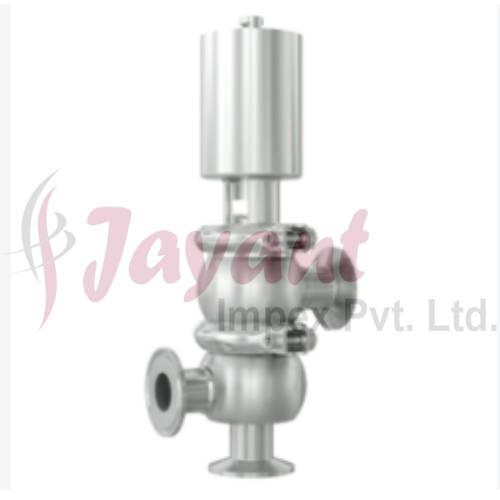
Flow Diverter Valve / Mani Flow Diverter Valves
6661.0 INR/Unit
Product Details:
- Connection Type Flanged, threaded, or butt-weld ends as required.
- Valve Size DN25 to DN300.
- Material Cast Steel, Stainless Steel (SS304/SS316), or special alloys.
- Valve Type Flow Diverter Valve (Manifold Type).
- Features Corrosion resistant, high cycle life, low maintenance.
- Control System Manual lever, pneumatic or electric actuators.
- Voltage NA for manual; 24V/110V/220V options available with actuators.
- Click to view more
X
Flow Diverter Valve / Mani Flow Diverter Valves Price And Quantity
- 2 Unit
- 6661.0 INR/Unit
Flow Diverter Valve / Mani Flow Diverter Valves Product Specifications
- Manual lever, pneumatic or electric actuators.
- Used for flow control and diversion of process fluids in oil & gas, chemical, water treatment, and industrial process lines.
- Available in sizes from 1 up to 12 (25 mm to 300 mm).
- Manual or Pneumatic actuators available depending on requirement.
- Robust body with multiple port design for diverter operation.
- Flow Diverter Valve (Manifold Type).
- Corrosion resistant, high cycle life, low maintenance.
- DN25 to DN300.
- 3-way or 4-way Flow Diverter Valve.
- Operates efficiently between -20C to +180C (material dependent).
- Stainless steel pivot pin construction for enhanced durability.
- Suitable for liquid, gas, steam, or slurry.
- Cast Steel, Stainless Steel (SS304/SS316), or special alloys.
- PN16 to PN100 or ANSI 150# to 600# (customizable).
- NA for manual; 24V/110V/220V options available with actuators.
- Flanged, threaded, or butt-weld ends as required.
- High-strength alloy, SS304/SS316 as standard.
- PTFE, Viton, or Metal Seated options for zero leakage.
- Hydrostatic and pneumatic tested as per API 598.
- Reversible flow capability; multiple port configurations.
- Available with fire safe construction for hazardous areas.
- Ergonomic handwheel for manual operation (on request).
- Low operating torque design for smoother handling.
- Manufactured as per API, ASME and relevant international standards.
- Shot blasted & epoxy painted or polished finish.
- Can be used for batch, mixing, or diversion duties.
- ANSI, DIN, JIS flange standards available.
- Available in various internal trims and seat materials for process compatibility.
Product Description
While "Flow Diverter Valves" and "ManiFlow Selector Valves" both perform the fundamental job of redirecting media from one path to another, they serve vastly different scales of industrial application.
A standard Flow Diverter Valve is typically a 3-way or 4-way valve used across general manufacturing, sanitary processes, and bulk powder handling. In contrast, a ManiFlow Selector Valve (MSV) is a highly specialized, multiport powerhouse engineered explicitly for upstream oil and gas production testing.
1. General Industrial Flow Diverter Valves
In standard processing plant layouts, a flow diverter replaces a traditional piping arrangement of a T-piece and two separate isolation valves. It splits or alternates flow between different pieces of process equipment (like shifting between twin filters, pumps, or production lines) without stopping the flow.
Common Configurations:
-
Plug or Ball Type: Uses a multi-port ball (T-port or L-port) or plug. Rotating the stem 90 or 180 instantly isolates one downstream line and opens another.
-
Flap/Piston Type (Bulk Solids): Used in pneumatic conveying and gravity-fed powder lines to divert dry materials (grains, plastics, minerals) into different silos.
-
Sanitary Flow Diverter Valves: Typically 3/2-way pneumatically operated piston valves made of polished AISI 316L stainless steel with EPDM or Viton seals. They are ubiquitous in food, dairy, and pharmaceutical processing where zero fluid stagnation is required.
2. ManiFlow Selector Valves (MSV)
In upstream oil and gas fields, managing lines coming from multiple individual wellheads is incredibly complex. Traditionally, to test the output of a single well (checking its oil, gas, and water ratios), operators built massive test manifolds featuring complex networks of piping, cross-overs, and a minimum of two isolation valves per wellhead.
The ManiFlow Selector Valve (pioneered by specialized valve manufacturers like SchuF) condenses an entire testing manifold block into a single, compact valve body.
How an MSV Operates:
An MSV typically features multiple production inlets (e.g., 4 to 16 well lines feeding into one valve), one Main Production Outlet, and one Test Outlet.
-
The Internal Funnel Mechanism: Inside the valve, a rotating, funnel-like selector mechanism connects to only one chosen well inlet at a time, sealing it off from the rest of the cavity and diverting its flow directly to the Test Outlet.
-
Manifolding the Rest: The crude oil/gas from all the other non-selected wells flows into the common housing cavity around the funnel and exits together through the Main Production Outlet.
-
The Benefit: To test a different well, an automated actuator or manual handwheel simply rotates the internal selector mechanism to align with the next inlet.
Structural & Operational Advantages of MSVs:
-
Massive Footprint and Weight Reduction: Eliminates dozens of individual isolation valves, T-junctions, and meters. This weight savings is invaluable on offshore production platforms and FPSOs (Floating Production Storage and Offloading vessels).
-
Fewer Leak Paths: By machining the collection manifold internally into a single forged or heavily reinforced body, it eliminates scores of flange/threaded joints, radically reducing fugitive emissions risk.
-
High Precision Engineering: The internal selector positioning must be incredibly accurate. High-end MSVs feature indexing mechanisms with alignment tolerances of $<0.5^circ$ to prevent cross-contamination between the test line and the main production line.
Technical Comparison
| Feature | Standard Flow Diverter Valve | ManiFlow Selector Valve (MSV) |
| Primary Field | Food, Pharma, Chemical, Bulk Solids | Upstream Oil & Gas Well Testing |
| Number of Inlets/Outlets | Usually 1 Inlet / 2 Outlets (or vice versa) | Multiple Inlets (up to 16+) / 2 Outlets (Main & Test) |
| Pressure Ratings | Typically low to medium (ASME 150 - 300) | High Pressure (ASME 600 up to API 6A 5000/10000 psi) |
| Media Handled | Clean fluids, steam, powders, gases | Crude oil, sour gas ($H_2S$), multiphase well fluids |
| Common Standards | ASME B31.3, sanitary standards | API 6A, NACE MR0175 (Sour Service), ISO 9001 |
Engineered for Versatility and Performance
Our Flow Diverter Valves come with multiple port designs and can be tailored for 3-way or 4-way flow switching, making them ideal for complex process lines requiring batch, mixing, or diverting duties. The body is finished with shot blasting and epoxy paint for industrial durability or polished to meet process standards.
Reliable Operation and Ease of Use
Equipped with low-torque designs and optional ergonomic handwheels, these valves offer smooth and seamless manual operation. For automated or remote use, they are compatible with pneumatic and electric actuators, accommodating system voltage requirements (24V/110V/220V). Enhanced by high-quality pivot pins and seals, they promise minimal leakage and extended service life.
Safety and Process Integrity
All valves undergo rigorous hydrostatic and pneumatic testing as per API 598 and are available with fire-safe constructions for hazardous applications. Sealing options, including PTFE, Viton, and metal seats, ensure zero leakage and high cycle performance, while various trims provide compatibility with a broad range of process media.
FAQ's of Flow Diverter Valve / Mani Flow Diverter Valves:
Q: How do Flow Diverter Valves enhance process efficiency in industrial applications?
A: Flow Diverter Valves streamline process control by enabling seamless direction change of process fluids among multiple lines. Their low operating torque and reversible flow design allow for quick transitions between batch, mixing, or diversion duties, minimizing downtime and increasing system productivity.Q: What standards and materials are Flow Diverter Valves manufactured to meet?
A: These valves are designed and manufactured to API, ASME, and other relevant international standards. Body materials include cast steel, SS304/SS316, and special alloys, offering a range of corrosion resistance and mechanical strength suitable for demanding chemical, oil & gas, and industrial environments.Q: When should I consider using a Fire Safe Flow Diverter Valve?
A: A fire-safe design is recommended for installations in hazardous or flammable areas, such as chemical plants or oil & gas facilities. These specialized valves are constructed to withstand high temperatures and maintain sealing integrity during and after fire exposure, safeguarding both equipment and personnel.Q: Where can these valves be installed and what applications are they suited for?
A: Flow Diverter Valves can be installed in pipelines handling a variety of media, including liquid, gas, steam, and slurry. They are commonly used in the oil & gas, chemical processing, water treatment, and general industrial sectors, especially where versatile, multi-directional flow control is required.Q: What process is involved in customizing a Flow Diverter Valve for unique applications?
A: Customization involves selecting appropriate internal trims, seat materials (such as PTFE, Viton, or metal), and end connections (flanged, threaded, butt-weld) to match media compatibility, pressure ratings, and installation requirements. Consultation with the manufacturer or supplier ensures each valve meets specific process needs.Q: How does the sealing system contribute to valve performance and leakage prevention?
A: The sealing options-PTFE, Viton, or metal seated-are chosen based on the media and operating conditions, delivering reliable zero-leakage performance even under high-cycle operations. They help maintain process purity, reduce environmental risk, and extend the valve's operational lifetime.Q: What are the benefits of manual versus pneumatic or electric operated Flow Diverter Valves?
A: Manual valves offer simplicity and reliability for basic or low-frequency operations, enhanced by ergonomic handwheels for easy use. Pneumatic or electric actuators are beneficial for automated, high-frequency, or remote operations, improving responsiveness, reducing manual labor, and enhancing system integration.Tell us about your requirement

Price:
Quantity
Select Unit
- 50
- 100
- 200
- 250
- 500
- 1000+
Additional detail
Mobile number
Email

Other Products in 'Valves' category


JAYANT IMPEX
GST : 27AAQFJ5764L1ZJ
GST : 27AAQFJ5764L1ZJ

- 6th, 605, Majestic Shopping Center, Jagannath Shankarseth Road, Girgaon,Mumbai - 400004, Maharashtra, India
- Phone : 08045800544

- Mr Shrenik Prakash Mehta (Director)
- Mobile : 08045800544
-
jayantimpex12@gmail.com


-
Share to



 Send Inquiry
 Send SMS
 Call Me Free
JAYANT IMPEX PVT. LTD. All Rights Reserved.(Terms of Use)
Developed and Managed by Infocom Network Private Limited. Terms of use | Returns Policy Member
Developed and Managed by Infocom Network Private Limited. Terms of use | Returns Policy Member
