 English
 Spanish
 French
 German
 Italian
 Chinese (Simplified)
 Japanese
 Korean
 Arabic
 Portuguese
 Call Us : 08045800544
 Call Us : 08045800544
 Get a Quote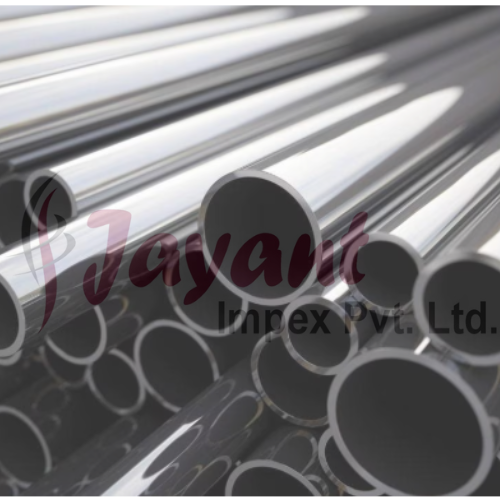
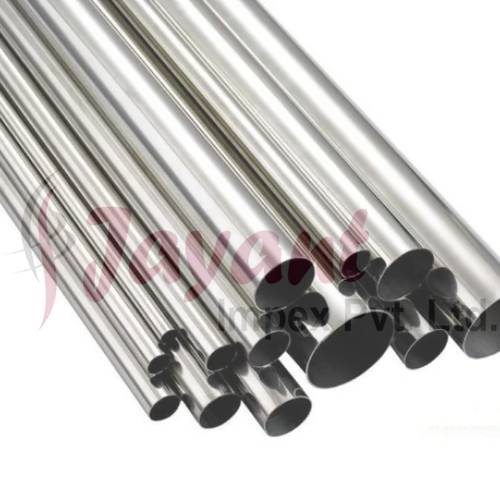
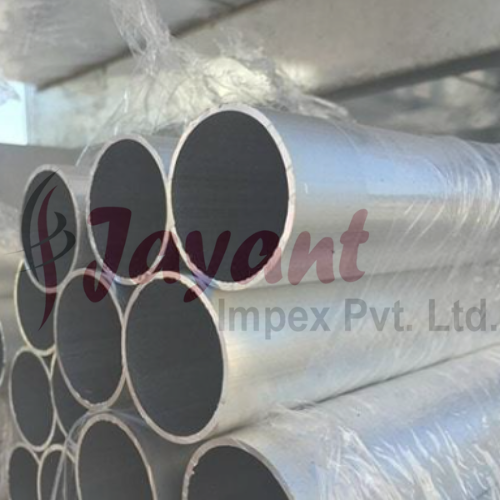
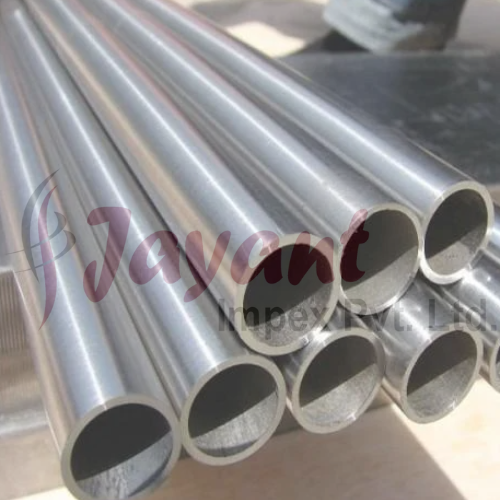
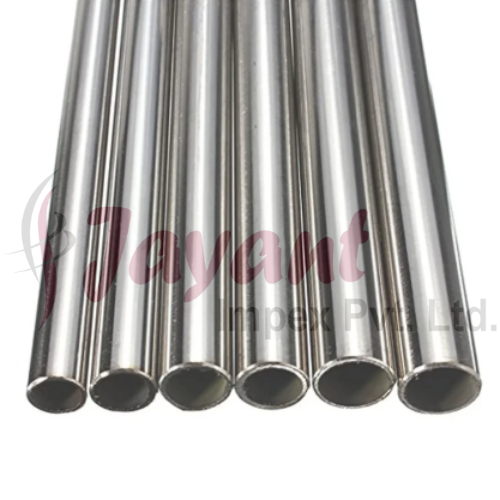
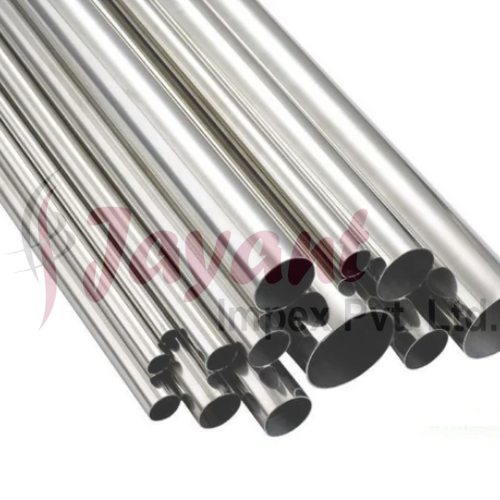
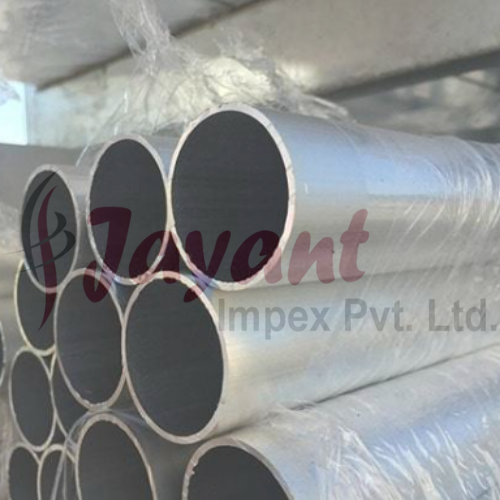
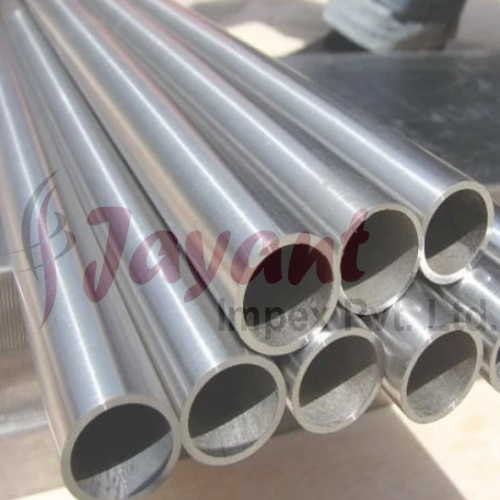
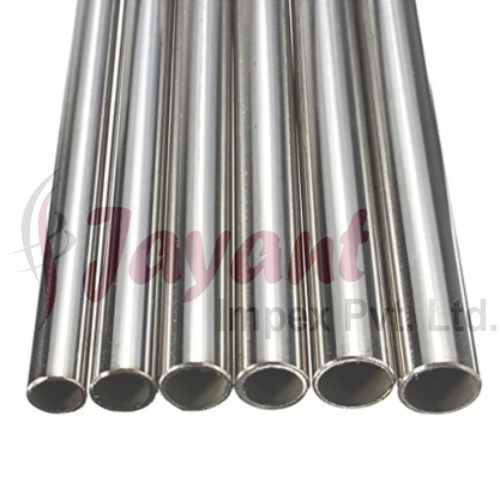
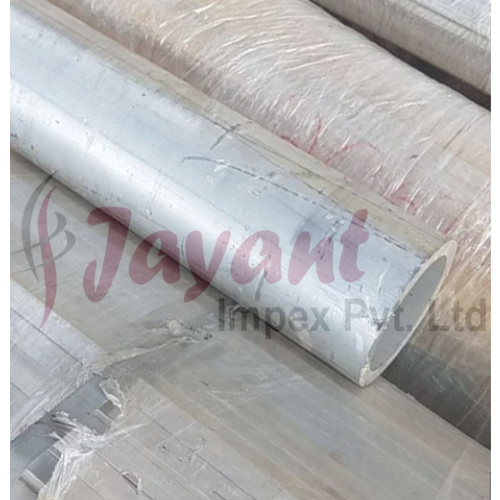
Duplex Steel Pipes
650.0 INR/Piece
Product Details:
- Yield Strength 450 MPa min
- Bend Radius As per design/customer specification
- Tensile Strength 620 MPa min
- Tolerance 0.5 mm
- Flexibility Rigid
- Temperature Range -50C to 300C
- Connection Type Butt Weld, Threaded, Flanged
- Click to view more
X
Duplex Steel Pipes Price And Quantity
- 650.0 INR/Piece
- 1 Piece
Duplex Steel Pipes Product Specifications
- -50C to 300C
- Butt Weld, Threaded, Flanged
- Pipe
- Piping, Heat Exchangers, Pressure Vessels, Marine
- 6 mm to 630 mm
- No External Coating / Customized
- Metallic Silver
- 6 mm to 630 mm
- NPT, BSPT
- Polished
- Metal to Metal
- Up to 6000 psi
- Single Random, Double Random & Custom Length
- Circular
- Duplex Stainless Steel
- Round
- As per design/customer specification
- 450 MPa min
- Industrial, Chemical, Oil & Gas, Structural
- 1 mm to 50 mm
- Welded & Seamless
- UNS S31803, UNS S32205, UNS S32750, UNS S32760
- Rigid
- ASTM A789, ASTM A790, ASME SA789, ASME SA790
- 0.5 mm
- 620 MPa min
- Annealed & Pickled
- Ultrasonic, Eddy current and Hydro testing
- Slightly Magnetic
- Excellent
- 25% min
- Cold Drawn / Hot Rolled
- Plain End, Beveled End, Threaded End
- Customized as per Requirement
- 7.8 g/cm3
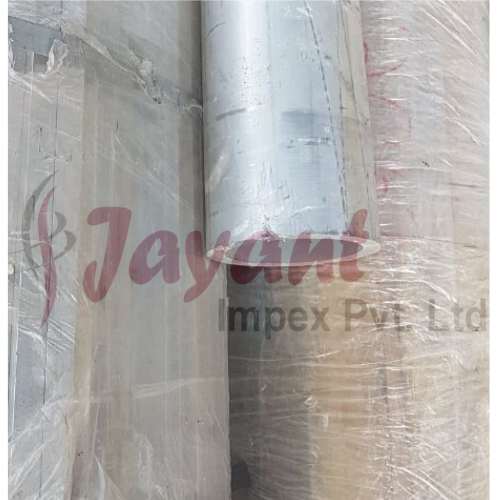
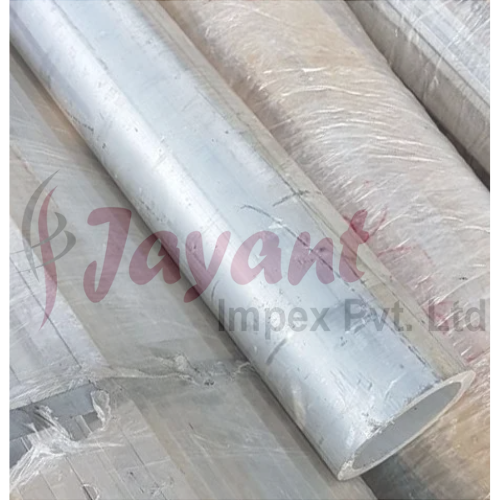
- Wooden Cases, Hexagonal Bundles, Wrapped with Plastic
- Solution Annealed
Product Description
Main Classifications & Grades
Duplex alloys are categorized by their Pitting Resistance Equivalent Number (PREN), calculated as:
| Family | Common Grade | UNS / Werkstoff | Typical PREN | Primary Advantage |
| Lean Duplex | 2101 / 2304 | UNS S32101 / 1.4162 UNS S32304 / 1.4362 | 2428 | Low nickel content; economical 304/316 substitute for non-critical environments. |
| Standard Duplex | 2205 | UNS S31803 / UNS S32205 1.4462 | 3436 | Workhorse grade combining high yield strength (~450 MPa) with high chloride SCC resistance. |
| Super Duplex | 2507 / Zeron 100 | UNS S32750 / 1.4410 UNS S32760 / 1.4501 | 4245 | High Mo + N content; built for sour gas, high-temperature marine, and concentrated acid service. |
| Hyper Duplex | 2707 | UNS S32707 / 1.4658 | >48 | Extreme pitting and crevice corrosion resistance in severe subsea and aggressive chemical media. |
Key Industry Standards & Specifications
When ordering or specifying duplex pipe schedules and pressure ratings, common ASTM/ASME standards include:
-
ASTM A790 / ASME SA790: Standard specification for seamless and welded ferritic/austenitic stainless steel pipe.
-
ASTM A928: Specification for ferritic/austenitic (duplex) stainless steel pipe electric-fusion welded with addition of filler metal.
-
ASTM A815: Standard specification for wrought ferritic/austenitic stainless steel piping fittings.
-
NACE MR0175 / ISO 15156: Requirements for duplex materials used in sour environments in oil and gas production.
Fabrication & Welding Note: Welding duplex pipes requires tight heat input control (typically 0.52.5 kJ/mm) and shielded back-purging (e.g., $98\% to preserve the critical 50:50 ferrite-austenite phase balance and prevent brittle intermetallic phase formation between 600C and 1000C.
Tell us about your requirement

Price:
Quantity
Select Unit
- 50
- 100
- 200
- 250
- 500
- 1000+
Additional detail
Mobile number
Email

Other Products in 'Pipes' category

JAYANT IMPEX
GST : 27AAQFJ5764L1ZJ
GST : 27AAQFJ5764L1ZJ

- 6th, 605, Majestic Shopping Center, Jagannath Shankarseth Road, Girgaon,Mumbai - 400004, Maharashtra, India
- Phone : 08045800544

- Mr Shrenik Prakash Mehta (Director)
- Mobile : 08045800544
-
jayantimpex12@gmail.com


-
Share to



 Send Inquiry
 Send SMS
 Call Me Free
JAYANT IMPEX PVT. LTD. All Rights Reserved.(Terms of Use)
Developed and Managed by Infocom Network Private Limited. Terms of use | Returns Policy Member
Developed and Managed by Infocom Network Private Limited. Terms of use | Returns Policy Member
