 English
 Spanish
 French
 German
 Italian
 Chinese (Simplified)
 Japanese
 Korean
 Arabic
 Portuguese
 Call Us : 08045800544
 Call Us : 08045800544
 Get a Quote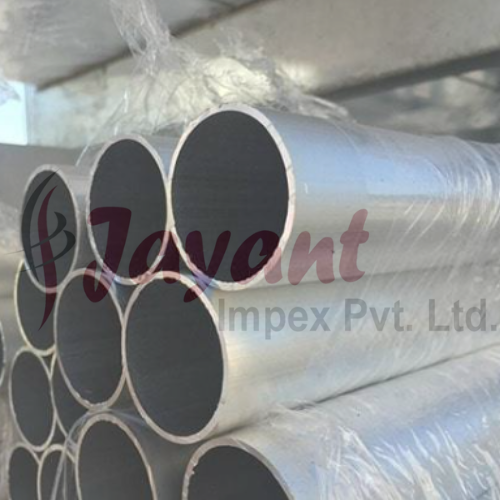
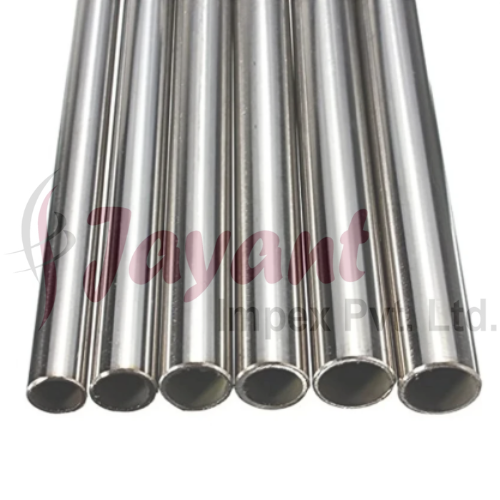
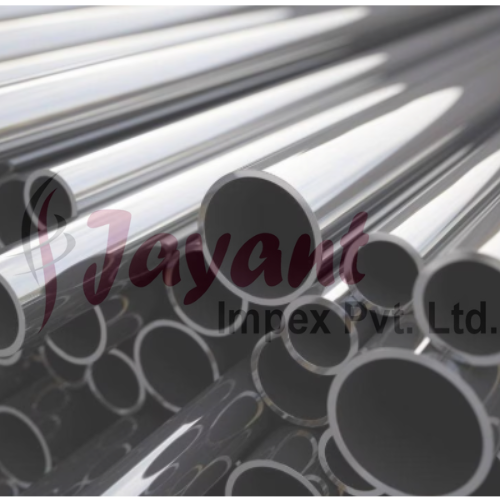
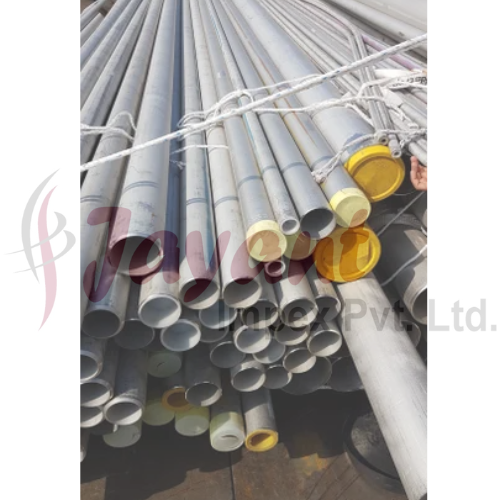
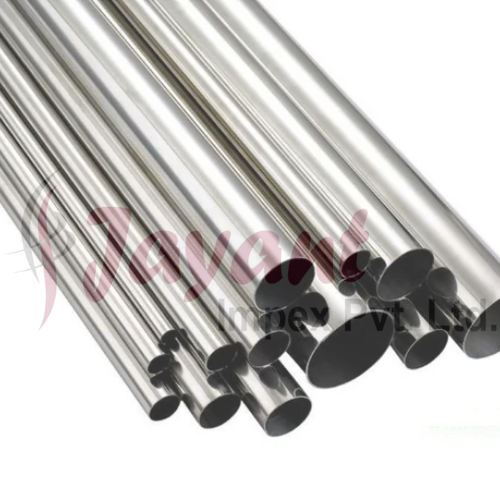
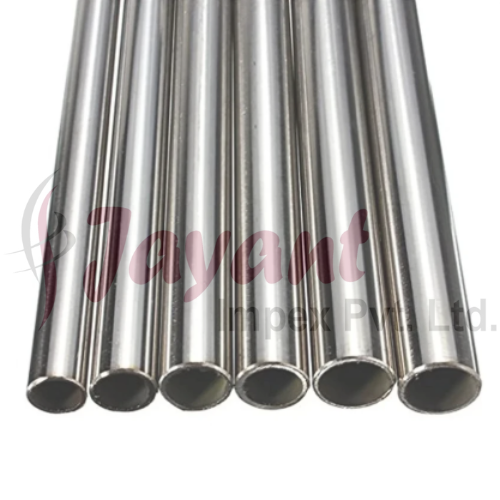
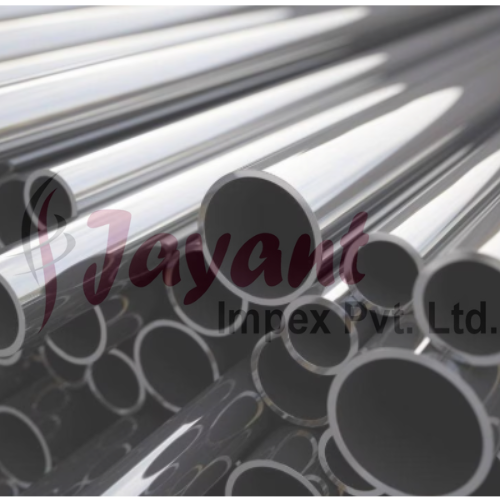
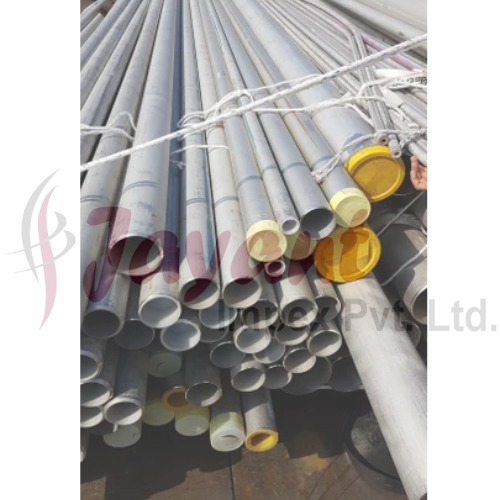
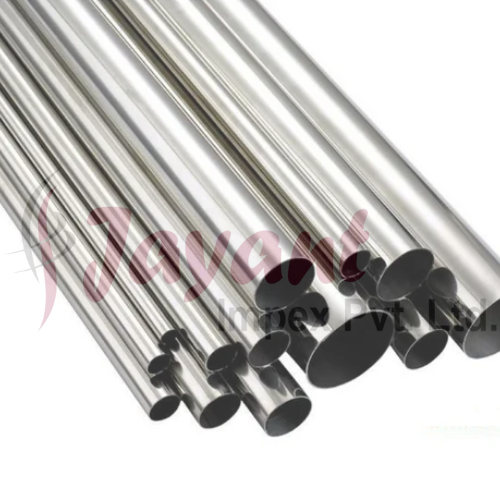
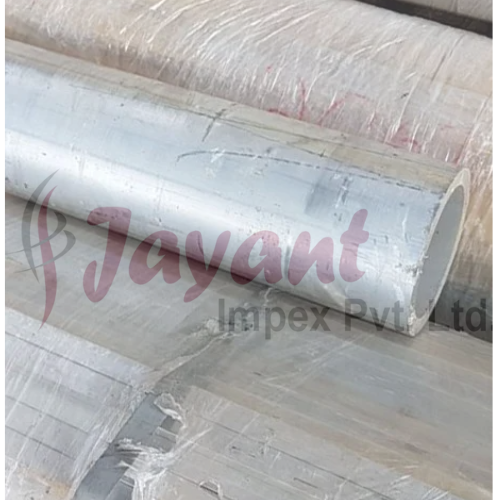
316 Stainless Steel Pipe
325.0 INR/Piece
Product Details:
- Yield Strength 205 MPa Minimum
- Connection Type Butt Weld, Socket Weld, Threaded
- Bend Radius As per pipe diameter, consult manufacturer
- Flexibility Rigid
- Tensile Strength 515 MPa Minimum
- Sealing Type N/A (Pipe only; fitting-dependent)
- Diameter 6 mm to 610 mm
- Click to view more
X
316 Stainless Steel Pipe Price And Quantity
- 1 Piece
- 325.0 INR/Piece
316 Stainless Steel Pipe Product Specifications
- Up to 12 meters (customized lengths available)
- Silver
- As per pipe diameter, consult manufacturer
- AISI 316 / 316L
- 205 MPa Minimum
- Industrial, Construction, Chemical Processing
- Butt Weld, Socket Weld, Threaded
- Welded / Seamless
- Polished
- 6 mm to 610 mm
- NPT/BSP (for threaded ends)
- 0.1 mm
- -196C to 870C
- None (Standard), Custom Coating on Request
- 316 Stainless Steel
- Circular
- Stainless Steel Pipe
- 6 mm to 610 mm
- Round
- Rigid
- 1 mm to 40 mm (customizable)
- 515 MPa Minimum
- Up to 2500 psi (varies with size and wall thickness)
- Food Industry, Marine Applications, Petrochemical, Oil & Gas
- N/A (Pipe only; fitting-dependent)
- ASTM A312 / ASTM A213
- Excellent, especially against chlorides and acidic environments
- Plain End / Beveled End / Threaded End
- Seamless and Welded
- 217 HB (Brinell)
- Mill Finish, Bright Annealed, Pickled
- 7.98 g/cm3
- Non-magnetic in annealed condition
- Negotiable, usually 100 Kg and above
Product Description
316 Stainless Steel Pipe is the industry standard for severe-environment piping systems. Commonly referred to as "marine-grade" stainless steel, its key advantage over standard 304 stainless steel is the addition of 23% Molybdenum (Mo), which drastically improves resistance to chlorides, pitting, acids, and high temperatures.
1. Key Properties & Chemical Composition
| Element / Property | 316 Specification | Purpose / Benefit |
| Chromium (Cr) | 16.0% 18.0% | Provides primary passivating oxide layer for corrosion resistance. |
| Nickel (Ni) | 10.0% 14.0% | Stabilizes the austenitic structure; improves toughness and ductility. |
| Molybdenum (Mo) | 2.0% 3.0% | Enhances resistance to pitting, crevice corrosion, and chlorides. |
| Carbon (C) | 0.08% (Standard 316) | Contributes to mechanical strength. |
| Yield Strength | 205 MPa (30 ksi) | High mechanical stability under structural and pressure loads. |
| Tensile Strength | 515 MPa (75 ksi) | Maintains structural integrity under tensile load. |
2. SS 316 vs. SS 316L (Low Carbon)
In modern industrial procurement, 316L (Low Carbon) or Dual Certified 316/316L is most frequently supplied:
-
316 (Standard): Carbon content up to $0.08\%$. Has slightly higher strength and high-temperature limits, but standard 316 is susceptible to carbide precipitation during welding, which can lead to intergranular corrosion in the heat-affected zone.
-
316L (Low Carbon): Carbon content restricted to $\le 0.03\%$. Prevents carbide precipitation during welding, preserving corrosion resistance along weld joints without needing post-weld annealing.
3. Specifications & Schedules
Common Manufacturing Standards
-
ASTM A312 / ASME SA312: Standard specification for seamless, welded, and heavily cold worked austenitic stainless steel pipes (most common for process piping).
-
ASTM A269 / A213: Standard specification for stainless tubing used in condensers, boilers, and heat exchangers.
-
ASTM A358: Electric-fusion-welded pipe for high-temperature and heavy-wall applications.
Wall Thickness Schedules (ASME/ANSI B36.19M)
-
SCH 5S / 10S: Light-wall pipes for weight-sensitive or low-pressure fluid transport.
-
SCH 40S: Standard wall thickness for everyday industrial processes and distribution.
-
SCH 80S: Extra-heavy wall thickness for high-pressure systems, aggressive slurries, or structural integrity.
4. Key Applications
-
Marine & Coastal Systems: Seawater cooling systems, offshore oil & gas rigs, deck piping, and desalination plants.
-
Chemical & Petrochemical Processing: Lines conveying sulfuric, acetic, formates, and tartaric acids or chloride solutions.
-
Pharmaceuticals & Biotechnology: Ultra-clean process piping where corrosion products could contaminate sensitive batches.
-
Food & Beverage Processing: High-salinity and washdown environments (e.g., brine systems, sauce manufacturing).
Tell us about your requirement

Price:
Quantity
Select Unit
- 50
- 100
- 200
- 250
- 500
- 1000+
Additional detail
Mobile number
Email

Other Products in 'Pipes' category

JAYANT IMPEX
GST : 27AAQFJ5764L1ZJ
GST : 27AAQFJ5764L1ZJ

- 6th, 605, Majestic Shopping Center, Jagannath Shankarseth Road, Girgaon,Mumbai - 400004, Maharashtra, India
- Phone : 08045800544

- Mr Shrenik Prakash Mehta (Director)
- Mobile : 08045800544
-
jayantimpex12@gmail.com


-
Share to



 Send Inquiry
 Send SMS
 Call Me Free
JAYANT IMPEX PVT. LTD. All Rights Reserved.(Terms of Use)
Developed and Managed by Infocom Network Private Limited. Terms of use | Returns Policy Member
Developed and Managed by Infocom Network Private Limited. Terms of use | Returns Policy Member
