 English
 Spanish
 French
 German
 Italian
 Chinese (Simplified)
 Japanese
 Korean
 Arabic
 Portuguese
 Call Us : 08045800544
 Call Us : 08045800544
 Get a Quote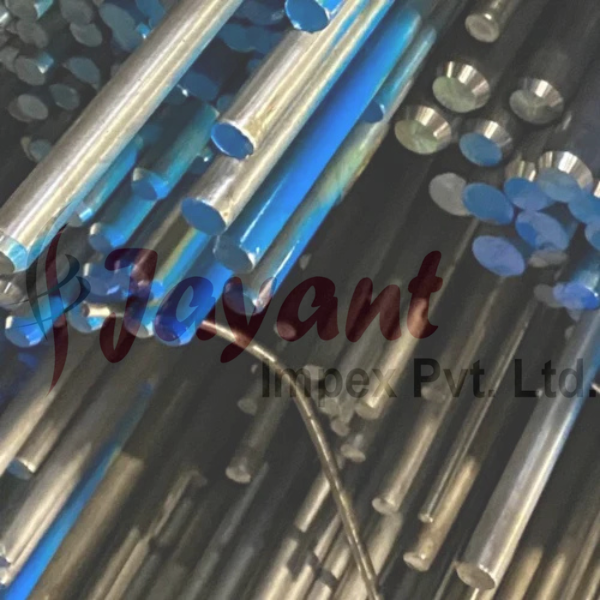
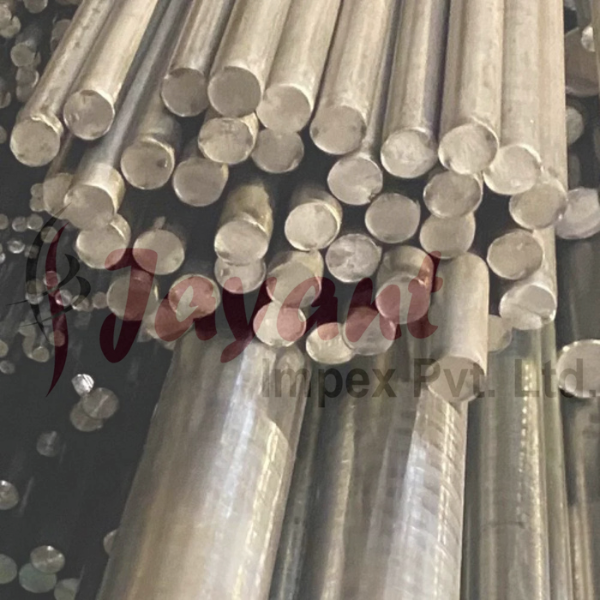
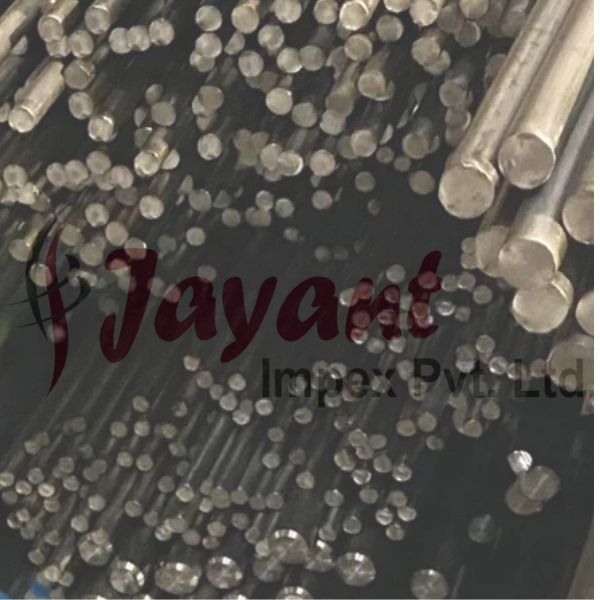
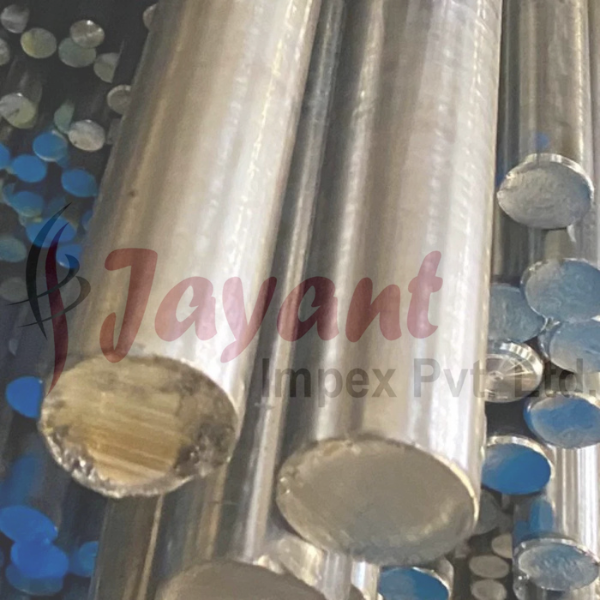
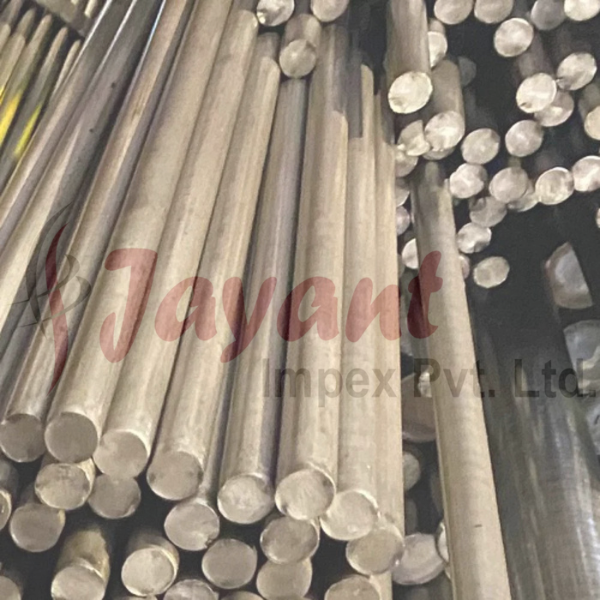
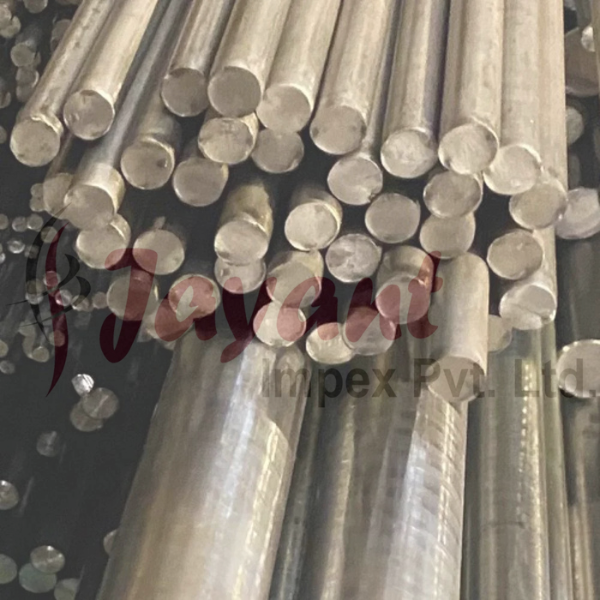
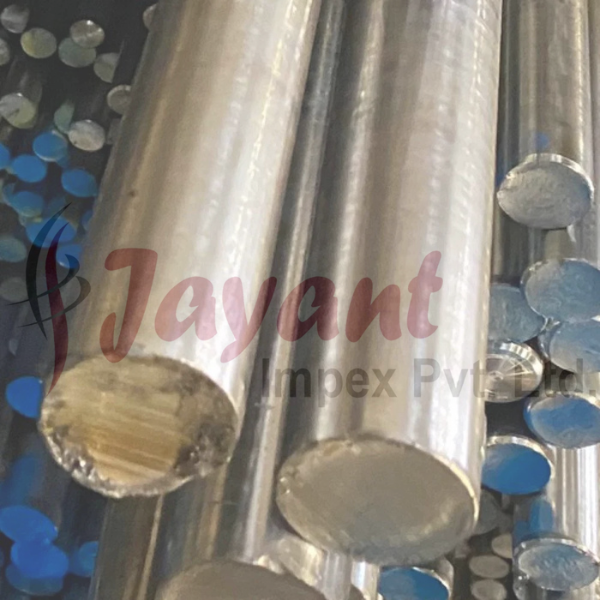
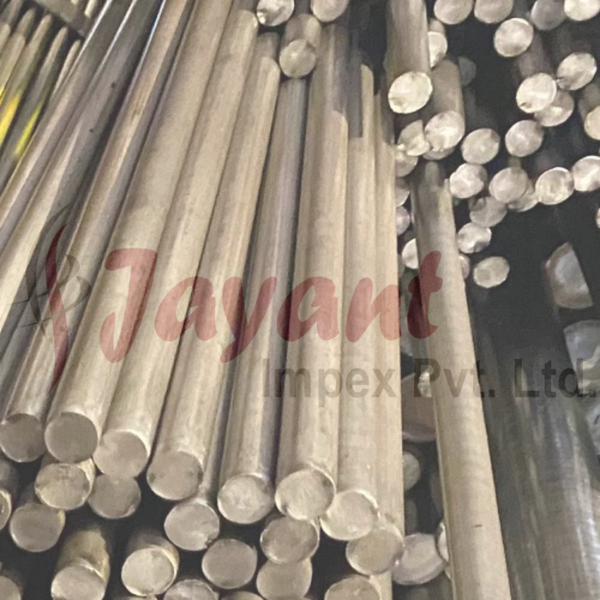
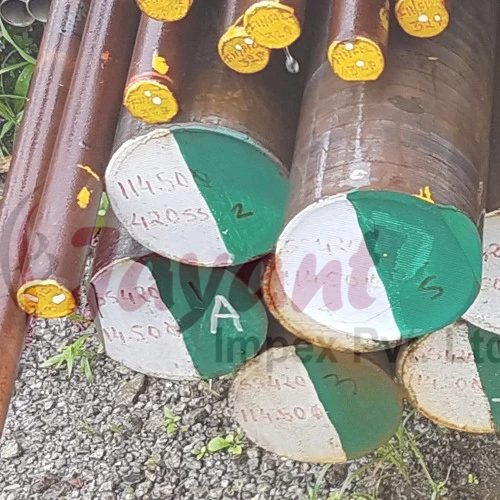
W.Nr. X205Cr12KU Tool Steel Bars
312.0 INR/Kilograms
Product Details:
- Finish Bright / Black / Peeled
- Technique Hot Rolled / Cold Drawn
- Grade X205Cr12KU
- Diameter 10 mm to 300 mm
- Application Cutting tools, Dies, Punches, Precision components
- Length Custom/Standard (Typically up to 6 meters)
- Tolerance H9, H11 or as per customer requirement
- Click to view more
X
W.Nr. X205Cr12KU Tool Steel Bars Price And Quantity
- 312.0 INR/Kilograms
- 1 Kilograms
W.Nr. X205Cr12KU Tool Steel Bars Product Specifications
- Cutting tools, Dies, Punches, Precision components
- 10 mm to 300 mm
- X205Cr12KU
- Hot Rolled / Cold Drawn
- Bright / Black / Peeled
- X205Cr12KU Tool Steel
- W.Nr. X205Cr12KU
- Bar
- Annealed / Hardened & Tempered
- High wear resistance applications
- H9, H11 or as per customer requirement
- Custom/Standard (Typically up to 6 meters)
- ~ 250 HB
- up to 62 HRC
- 7.7 - 7.8 g/cm3
- Approx. 210 GPa
- Polished/Lathe Turned/Centerless Ground
- Soft Annealed
- C: 2.00%, Cr: 12.00%, Mn: 0.40%, Si: 0.30%, P: 0.030%, S: 0.030%
- Round Bar, Square Bar, Flat Bar
Product Description
X205Cr12KU (traditionally cataloged under Werkstoffnummer W.Nr. 1.2080) is a high-carbon, high-chromium, ledeburitic cold-work tool steel. Originating from the Italian UNI standard system (where the "KU" suffix indicates controlled execution/ultrasound-tested quality), this grade represents the classic AISI D3 / High-Carbon High-Chromium (HCHCR) family.
If you are sourcing, machining, or specifying X205Cr12KU tool steel bars, this technical breakdown details its industrial properties.
Chemical Composition (Typical Weight %)
X205Cr12KU relies on a massive volume of primary chromium carbides distributed within its matrix. This structural composition grants it elite abrasive wear resistance, though it limits its shock resistance compared to newer matrix steels.
| Carbon (C) | Chromium (Cr) | Silicon (Si) | Manganese (Mn) | Tungsten (W) | Vanadium (V) |
| 1.90 2.20% | 11.00 13.00% | 0.10 0.60% | 0.20 0.60% | ~1.00% (Optional) | ~1.00% (Optional) |
Core Structural & Mechanical Characteristics
-
Elite Abrasive Wear Resistance: The exceptionally high carbon and chromium split produces an incredibly dense concentration of hard alloy carbides. It excels at resisting severe surface metal-on-metal abrasion.
-
High Compressive Strength: Under load, it maintains excellent dimensional rigidity, preventing tools from deforming ("sinking") under high tonnage pressure.
-
Low Impact Toughness (High Brittleness): Because of its massive carbide network, X205Cr12KU is sensitive to heavy mechanical impact or flexing. It should not be used where high shock loads are present (prefer S7 or A2 instead).
-
Low Dimensional Distortion: It demonstrates outstanding volume stability during standard oil quenching operations, preserving precise geometries.
Primary Applications for X205Cr10KU Bars
X205Cr12KU round and flat bars are typically machined down for long-run mass-production tooling where maintaining sharp cutting edges or tight tolerances over millions of cycles is required:
-
Blanking and Punching Dies: Highly specified for cutting thin metal sheets, paper, and abrasive composite laminates.
-
Thread Rolling Dies: Used for precision cold-forming of fastener threads.
-
Drawing & Deep Drawing Tools: Mandrels, rings, and forming rolls where sliding wear is extreme.
-
Brick & Ceramic Mold Liners: Resists the severe grinding action of packed powders or abrasive geological clays.
-
Slitting Knives & Shear Blades: Designed exclusively for processing thin, non-impact stock materials.
Heat Treatment Parameters
-
Soft Annealing: Heat uniformly to $800^circtext{C} - 850^circtext{C}$, hold for 23 hours, and perform slow furnace cooling down to $600^circtext{C}$ ($le 10^circtext{C}$ to $20^circtext{C}$ per hour). Supplied delivery hardness is max 248 HBW.
-
Stress Relieving: For complex machined profiles, heat to $600^circtext{C} - 650^circtext{C}$, hold for 2 hours, and cool in air.
-
Hardening: Preheat slowly to $550^circtext{C} - 600^circtext{C}$, then ramp up to $960^circtext{C} - 980^circtext{C}$.
-
Quenching: Quench in oil or warm salt baths ($500^circtext{C} - 550^circtext{C}$). For small cross-sections, automated vacuum gas nitrogen quenching can be applied.
-
Tempering: Temper immediately after quenching. Standard low-temperature tempering occurs around $180^circtext{C} - 220^circtext{C}$ to yield a near-maximum working hardness of 58 to 64 HRC.
Global Supply Chain Cross-References
If you are replacing X205Cr12KU or auditing a material test report (MTR), it corresponds directly to these global names:
-
Germany (DIN / EN): X210Cr12 / W.Nr. 1.2080
-
United States (AISI / ASTM): D3 (UNS T30403)
-
Japan (JIS): SKD1
-
United Kingdom (BS): BD3
-
France (AFNOR): Z200C12
Exceptional Wear Resistance and Hardness
X205Cr12KU Tool Steel Bars are engineered to withstand challenging environments where superior wear resistance and hardness are essential. Their chemical composition, featuring 2.00% carbon and 12.00% chromium, enables abrasive and impact resistance, making them ideal for cutting and forming tools. Industries benefit from dependable operation and reduced maintenance downtimes when utilizing this robust grade.
Customizable Dimensions for Varied Applications
Available in round, square, and flat bar forms, X205Cr12KU bars cater to a broad range of needs, from small precision components to large-scale dies. Diameters range from 10 mm to 300 mm, with lengths customizable up to 6 meters, ensuring suitability for many manufacturing and fabrication processes. Tight tolerances such as H9 or H11 can be specified to meet precise technical requirements.
FAQ's of W.Nr. X205Cr12KU Tool Steel Bars:
Q: How is X205Cr12KU tool steel typically processed before delivery?
A: X205Cr12KU tool steel is usually supplied in a soft annealed condition, which facilitates easier machining. Post-delivery, it can be heat treated to attain maximum hardness for demanding applications such as cutting tools and dies.Q: What are the main benefits of using X205Cr12KU tool steel bars?
A: The key advantages include exceptional wear resistance, a high attainable hardness of up to 62 HRC after heat treatment, and the capacity to maintain sharpness and dimensional stability under high-stress operations.Q: Where can X205Cr12KU tool steel bars be utilized effectively?
A: These tool steel bars are widely used in industries manufacturing cutting tools, punches, dies, and other precision components where high wear resistance and hardness are required. Their durability also makes them suitable for high-volume production environments.Q: What surface finishing options are available for these bars?
A: X205Cr12KU tool steel bars are available in several surface conditions, including polished, lathe turned, centerless ground, bright, black, or peeled, which can be selected based on the intended application and appearance requirements.Q: When should I choose annealed versus hardened X205Cr12KU material?
A: Soft annealed material is optimal when extensive machining is needed. For final products requiring maximum durability and wear resistance, heat-treated (hardened and tempered) X205Cr12KU is preferred.Q: What forms and dimensions do these tool steel bars come in?
A: They are available as round, square, and flat bars, with diameters from 10 mm to 300 mm and lengths up to 6 meters, either in standard sizes or customized as per order.Q: Who supplies and exports X205Cr12KU tool steel in India?
A: A wide range of Indian manufacturers, dealers, exporters, fabricators, and suppliers offer X205Cr12KU tool steel bars, ensuring reliable sourcing for both domestic and export needs.Tell us about your requirement

Price:
Quantity
Select Unit
- 50
- 100
- 200
- 250
- 500
- 1000+
Additional detail
Mobile number
Email

Other Products in 'Steel Bar' category

JAYANT IMPEX
GST : 27AAQFJ5764L1ZJ
GST : 27AAQFJ5764L1ZJ

- 6th, 605, Majestic Shopping Center, Jagannath Shankarseth Road, Girgaon,Mumbai - 400004, Maharashtra, India
- Phone : 08045800544

- Mr Shrenik Prakash Mehta (Director)
- Mobile : 08045800544
-
jayantimpex12@gmail.com


-
Share to



 Send Inquiry
 Send SMS
 Call Me Free
JAYANT IMPEX PVT. LTD. All Rights Reserved.(Terms of Use)
Developed and Managed by Infocom Network Private Limited. Terms of use | Returns Policy Member
Developed and Managed by Infocom Network Private Limited. Terms of use | Returns Policy Member
