 English
 Spanish
 French
 German
 Italian
 Chinese (Simplified)
 Japanese
 Korean
 Arabic
 Portuguese
 Call Us : 08045800544
 Call Us : 08045800544
 Get a Quote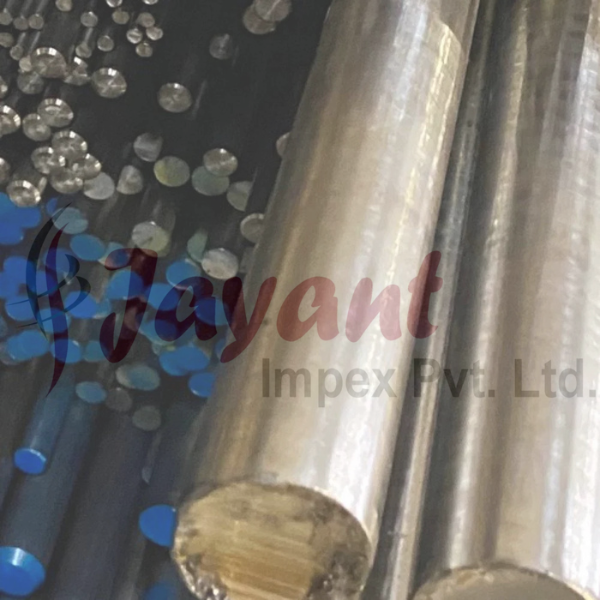
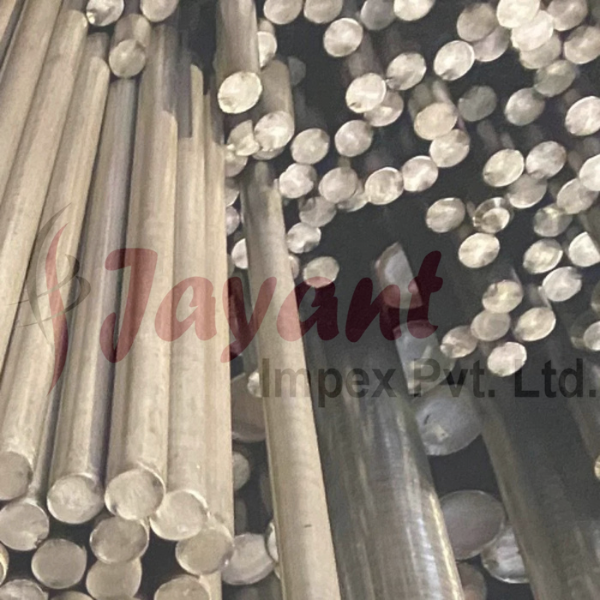
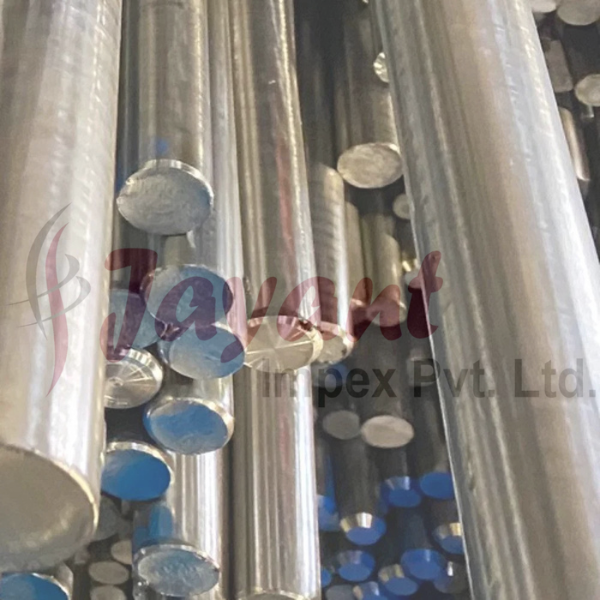
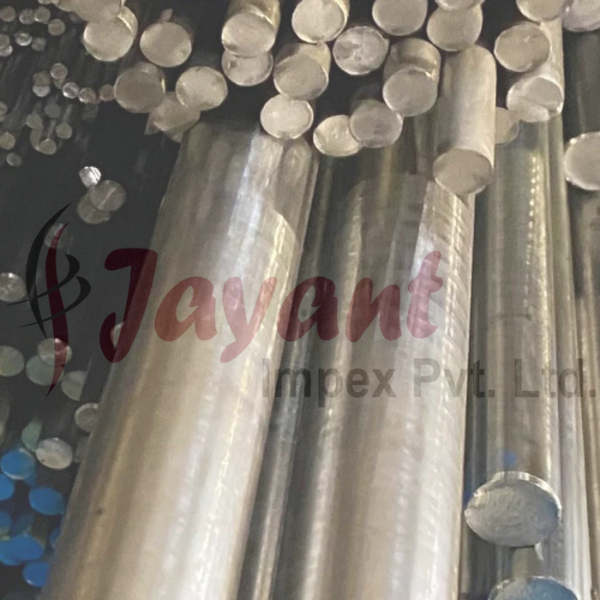
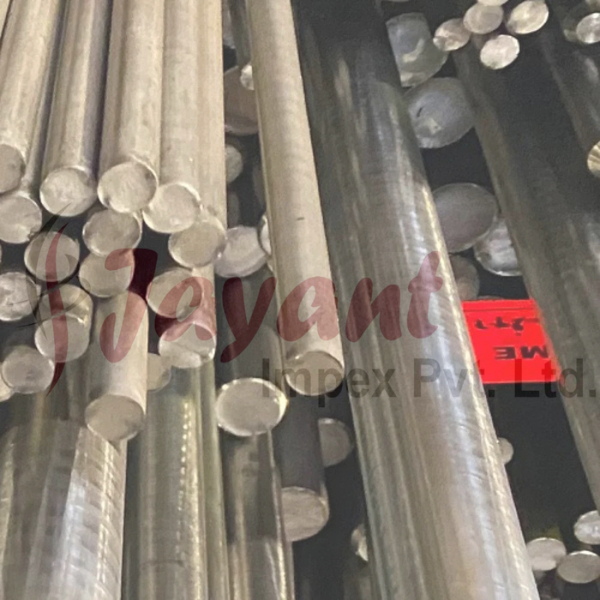
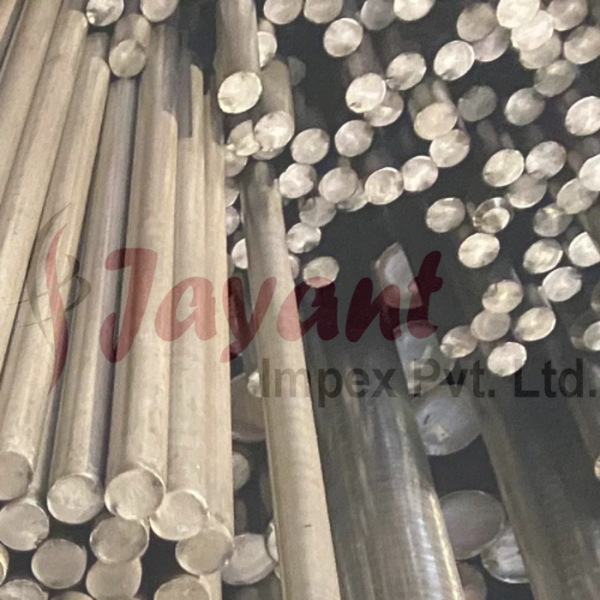
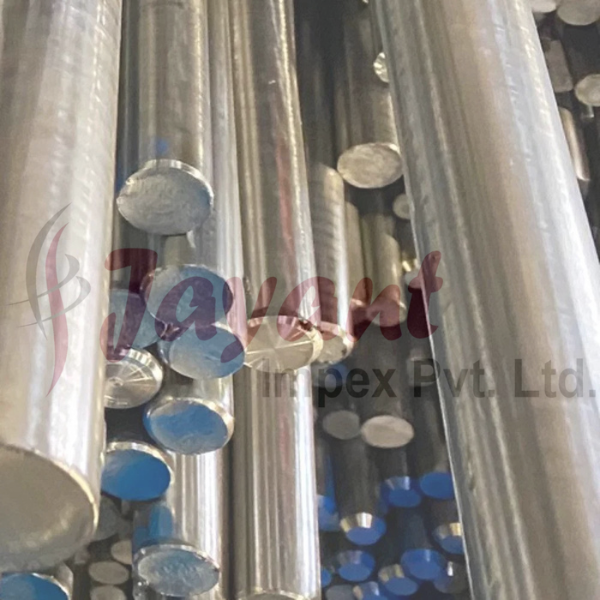
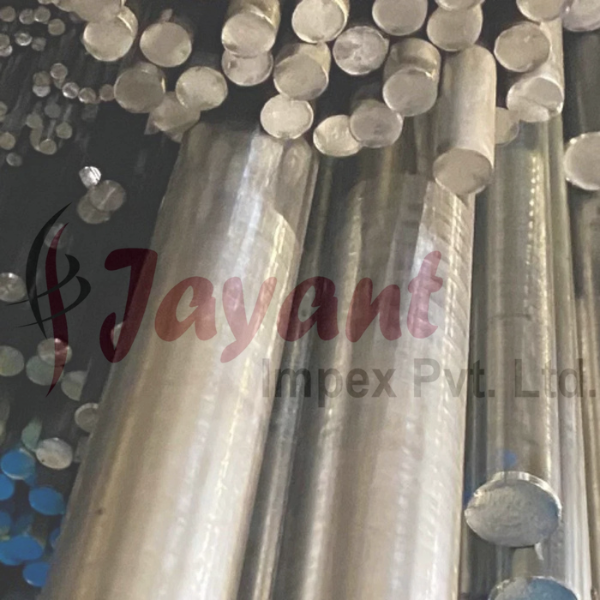
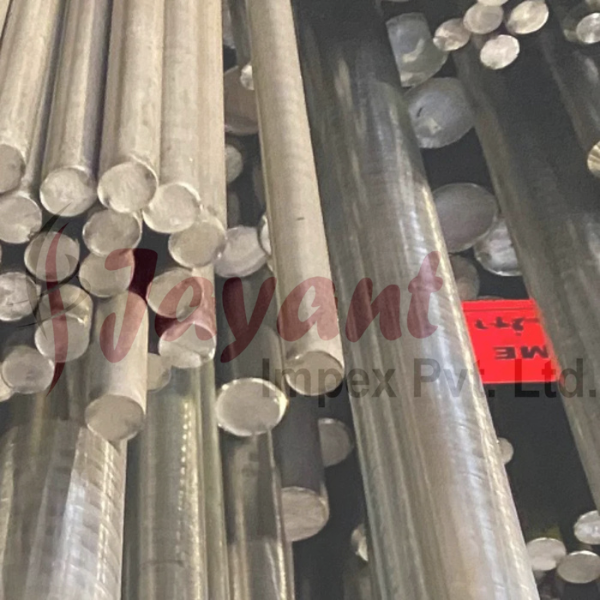
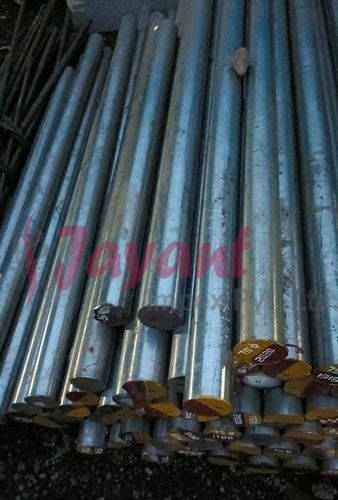
W.Nr. 45NiCrMo16 Tool Steel DIN X45NiCrMo4 Flat Bar
411.0 INR/Kilograms
Product Details:
- Technique Hot Rolled / Forged
- Tolerance h11 or as specified
- Processing Annealed / Quenched & Tempered
- Length As required / Custom cut
- Standard DIN X45NiCrMo4
- Finish Bright / Peeled / Polished
- Material W.Nr. 45NiCrMo16 Tool Steel
- Click to view more
X
W.Nr. 45NiCrMo16 Tool Steel DIN X45NiCrMo4 Flat Bar Price And Quantity
- 1 Kilograms
- 411.0 INR/Kilograms
W.Nr. 45NiCrMo16 Tool Steel DIN X45NiCrMo4 Flat Bar Product Specifications
- Available from 20 mm to 400 mm
- Automotive, Engineering, and Construction Industries
- X45NiCrMo4
- As required / Custom cut
- Flat Bar
- Annealed / Quenched & Tempered
- Hot Rolled / Forged
- DIN X45NiCrMo4
- Bright / Peeled / Polished
- Tool and Die Making, Manufacturing of Shafts, Spindles, High Strength Components
- W.Nr. 45NiCrMo16 Tool Steel
- h11 or as specified
- Poor to moderate (preheating recommended)
- Peeled / Turned / Ground
- 12-14% (Quenched & Tempered)
- Good
- Round Bar, Flat Bar, Square Bar
- 950-1200 MPa (Quenched & Tempered)
- Annealing, Hardening at 830-860C, Tempering at 500-650C
- 280-320 HB (Annealed)
- Annealed / Hardened / Tempered
- 38 J (min)
- 880-1100 MPa (Quenched & Tempered)
Product Description
Werkstoffnummer (W.Nr.) 1.2767, also known by its DIN designation X45NiCrMo4 (and commonly referred to as 45NiCrMo16), is a premium air-hardening/oil-hardening nickel-alloyed tool steel. It is highly regarded in industrial manufacturing for its exceptional toughness, deep hardenability, and high resistance to impact.
Here is a technical breakdown of this material, specifically tailored to its procurement and use as a flat bar.
Chemical Composition (Typical Weight %)
This alloy relies on a high nickel content to provide superior core toughness and deep thorough-hardening characteristics, even in large cross-sections like heavy flat bars.
| Carbon (C) | Nickel (Ni) | Chromium (Cr) | Molybdenum (Mo) | Silicon (Si) | Manganese (Mn) |
| 0.40 0.50% | 3.80 4.30% | 1.20 1.50% | 0.15 0.35% | 0.10 0.40% | 0.15 0.45% |
Key Mechanical & Physical Properties
-
Exceptional Core Toughness: The high nickel content ($approx 4%$) prevents brittle failure under heavy impact or shock loading.
-
High Through-Hardenability: It exhibits uniform hardness throughout the entire cross-section of large flat bars, making it excellent for large-scale block tooling.
-
Dimensional Stability: It shows very low distortion during heat treatment, especially when air-quenched.
-
Polishability & Photo-Etching: Highly suitable for high-gloss polishing and texturing, which is critical for aesthetic molding applications.
Primary Applications for Flat Bars
Because flat bar stock is typically machined down into blocks, inserts, or blades, W.Nr. 1.2767 is widely used for:
-
Impact Tooling: Heavy-duty forging dies, hot-shear blades, punches, and cold-forming tools.
-
Plastic Injection Molding: Deep-cavity molds requiring high polishability and resistance to high mechanical stress.
-
Bending and Straightening Tools: Dies that experience severe structural loads where lesser tool steels (like O1 or A2) might crack.
Heat Treatment Specifications
If you are sourcing this flat bar to manufacture components, here are the standard thermal processing parameters:
-
Annealing: Heat to $610^circtext{C} - 650^circtext{C}$, hold for 24 hours, then cool slowly in a furnace. (Delivery condition is typically annealed to max 285 HBW).
-
Hardening: Preheat to $600^circtext{C} - 650^circtext{C}$, then raise to austenitic temperature of $840^circtext{C} - 870^circtext{C}$. Quench in oil or vacuum/air blast depending on section thickness.
-
Tempering: Immediate tempering after quenching is required. Usually performed between $150^circtext{C} - 300^circtext{C}$ to achieve a working hardness of 52 to 58 HRC.
Global Equivalents
If you are cross-referencing this grade across international supply chains, it is equivalent to:
-
AISI / ASTM: ~6F7 (L6 is similar but has lower nickel and no chromium-molybdenum balance)
-
AFNOR: 45NCD16
-
BS: En30B (Close match)
High Strength and Versatility
This tool steel flat bar offers impressive mechanical properties such as high yield and tensile strength, along with excellent elongation and impact strength after proper heat treatment. It delivers reliable performance for both heavy-duty industrial and precision engineering applications.
Customizable for Your Project Needs
Available in a wide range of diameters from 20 mm to 400 mm, and in lengths as required, the bar can be precisely cut or fabricated to your specifications. The various finishes and tolerances cater to different technical demands across industries.
Ideal Choice for Critical Components
The W.Nr. 45NiCrMo16 material is frequently used in automotive, engineering, and construction sectors, making it the preferred choice for making shafts, spindles, and high-strength dies where durability and toughness are paramount.
FAQ's of W.Nr. 45NiCrMo16 Tool Steel DIN X45NiCrMo4 Flat Bar:
Q: How can W.Nr. 45NiCrMo16 Tool Steel Flat Bar be processed for optimal hardness?
A: This material can be annealed, then hardened by heating to 830-860C followed by quenching, and finally tempered at 500-650C. This sequence provides the best balance of hardness, strength, and toughness.Q: What makes DIN X45NiCrMo4 flat bars suitable for tool and die making?
A: Their superior hardness, impact resistance, and high tensile strength after heat treatment ensure durability and performance under heavy loads, making them ideal for demanding tooling and die applications.Q: When is it recommended to preheat this steel before welding?
A: Since 45NiCrMo16 tool steel has poor to moderate weldability, preheating is especially recommended before welding to minimize cracking and ensure a sound weld joint.Q: Where are these flat bars commonly used?
A: They are widely used in automotive, engineering, and construction industries, especially for manufacturing shafts, spindles, dies, and other high-strength machined components.Q: What surface conditions and finishes are available for these bars?
A: The steel flat bars are offered in peeled, turned, or ground surface conditions, with finishes such as bright, peeled, or polished to meet different customer requirements.Q: How does the good machinability of this steel benefit manufacturers?
A: Good machinability enables faster and easier fabrication, reducing tooling costs and production time while still maintaining the high mechanical properties required for critical components.Tell us about your requirement

Price:
Quantity
Select Unit
- 50
- 100
- 200
- 250
- 500
- 1000+
Additional detail
Mobile number
Email

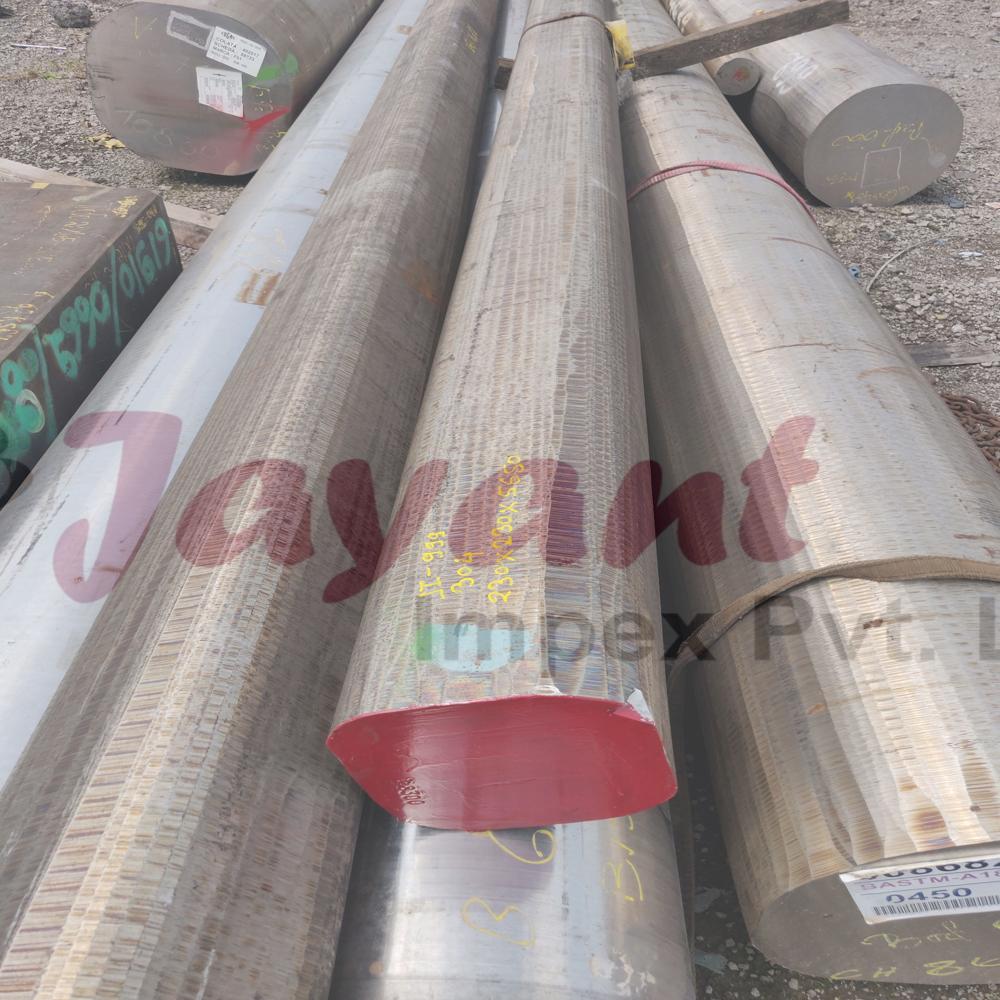
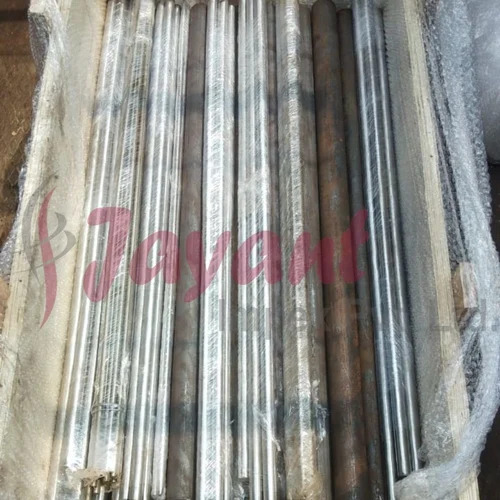
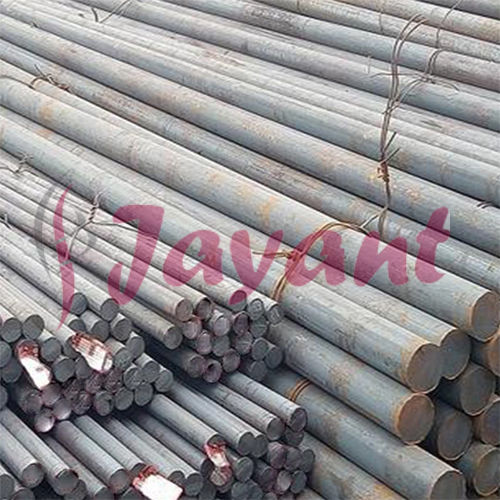
Other Products in 'Steel Bar' category

JAYANT IMPEX
GST : 27AAQFJ5764L1ZJ
GST : 27AAQFJ5764L1ZJ

- 6th, 605, Majestic Shopping Center, Jagannath Shankarseth Road, Girgaon,Mumbai - 400004, Maharashtra, India
- Phone : 08045800544

- Mr Shrenik Prakash Mehta (Director)
- Mobile : 08045800544
-
jayantimpex12@gmail.com


-
Share to



 Send Inquiry
 Send SMS
 Call Me Free
JAYANT IMPEX PVT. LTD. All Rights Reserved.(Terms of Use)
Developed and Managed by Infocom Network Private Limited. Terms of use | Returns Policy Member
Developed and Managed by Infocom Network Private Limited. Terms of use | Returns Policy Member
