 English
 Spanish
 French
 German
 Italian
 Chinese (Simplified)
 Japanese
 Korean
 Arabic
 Portuguese
 Call Us : 08045800544
 Call Us : 08045800544
 Get a Quote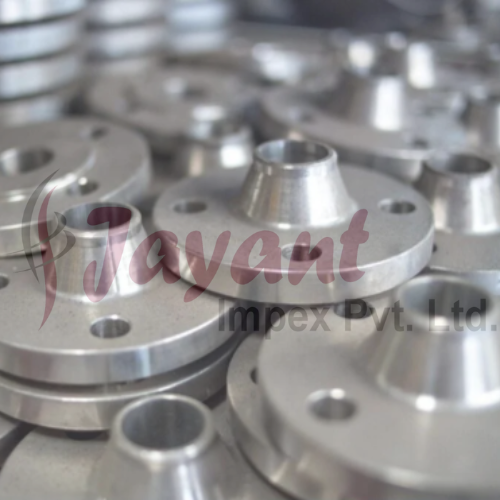
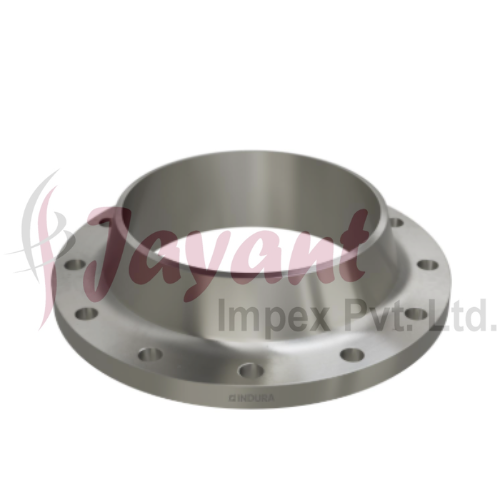
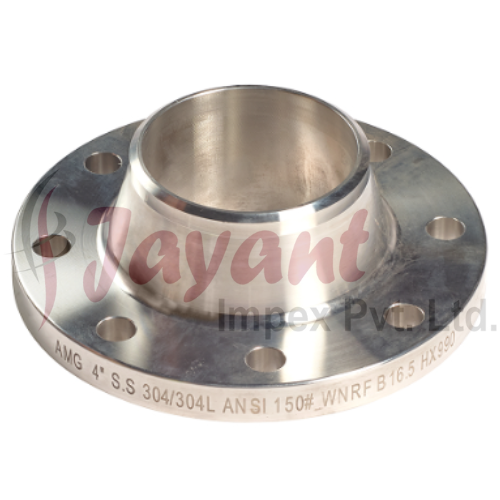
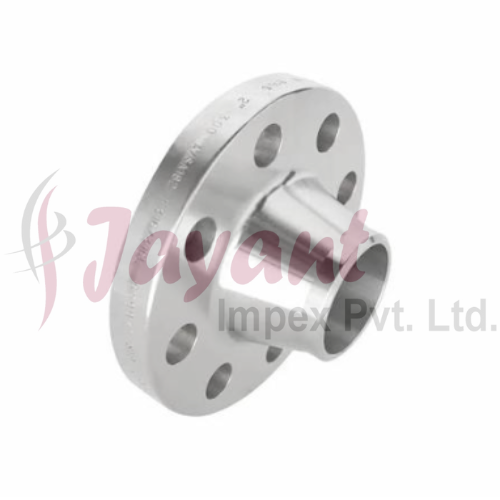
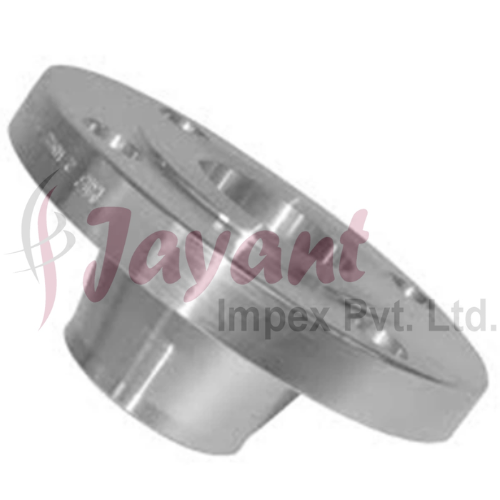
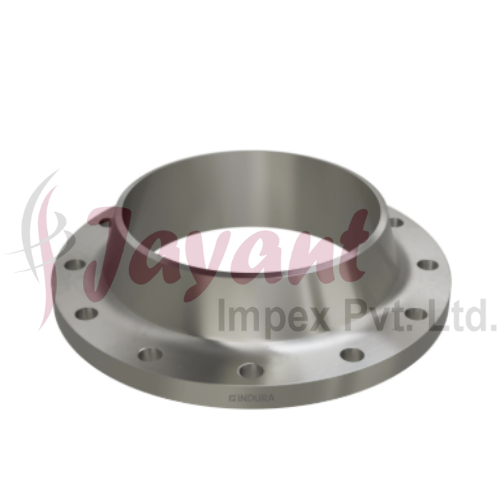
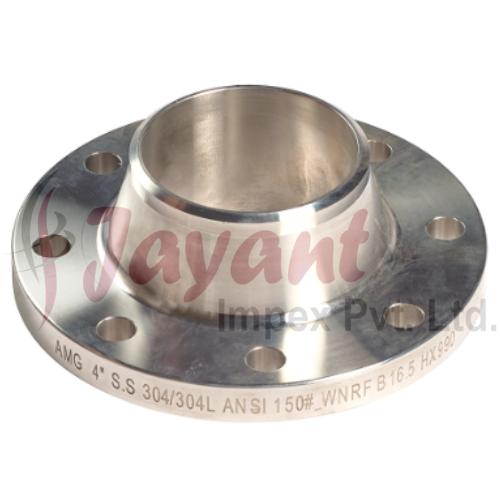
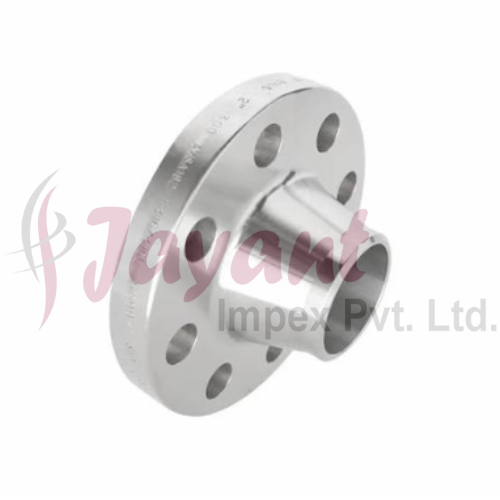
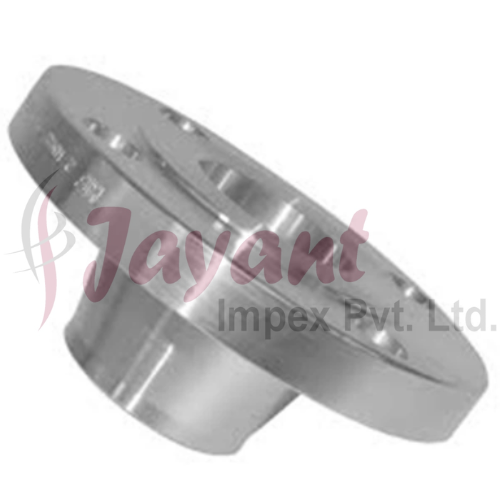
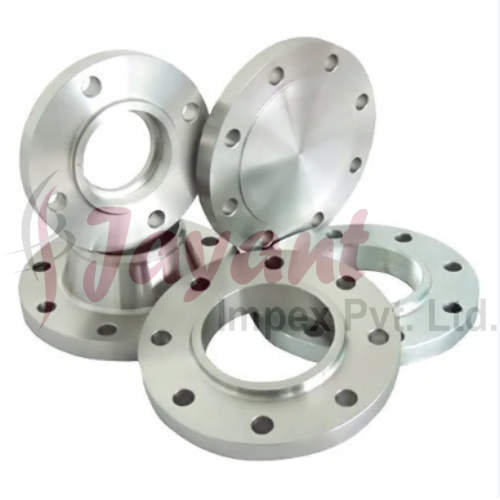
Stainless Steel Flanges
3000.0 INR/Piece
Product Details:
- Dimension (L*W*H) As per customer specification / Standard dimensions
- Feature Corrosion Resistant, High Strength, Durable, Precision Design, Leak Proof
- Grade 304, 304L, 316, 316L, 321, 347 and others
- Purity High Purity Steel (as per grade)
- Application Oil & Gas, Chemical, Petrochemical, Power Plants, Water Treatment, Food & Beverage, Construction
- Product Type Flanges
- Material Stainless Steel (SS304, SS316, SS304L, SS316L, SS321, SS347, etc.)
- Click to view more
X
Stainless Steel Flanges Price And Quantity
- 1 Piece
- 3000.0 INR/Piece
Stainless Steel Flanges Product Specifications
- Oil & Gas, Chemical, Petrochemical, Power Plants, Water Treatment, Food & Beverage, Construction
- Welded / Threaded / Slip-on / Blind / Lap Joint / Socket Weld
- Polished / Smooth Finish
- 1/2 inch to 48 inch (DN15 - DN1200)
- As per customer specification / Standard dimensions
- Stainless Steel (SS304, SS316, SS304L, SS316L, SS321, SS347, etc.)
- 304, 304L, 316, 316L, 321, 347 and others
- Round / Circular
- Corrosion Resistant, High Strength, Durable, Precision Design, Leak Proof
- Forged / Machined
- High Purity Steel (as per grade)
- ASTM, ANSI, DIN, JIS, BS, GB
- Silver / Metallic
- Class 150, 300, 600, 900, 1500, 2500
- Flanges
- Anti-rust Oil / As ordered
- Raised Face (RF), Flat Face (FF), Ring Type Joint (RTJ)
- Wooden Cases, Pallets, Customized Packaging
- Butt Weld, Socket Weld, Threaded
- Ultrasonic, Hydrostatic, PMI (Positive Material Identification)
- As per International Standards
- Suitable for use up to 870C (depends on grade)
- As per requirement
Product Description
Stainless Steel Pipe Flanges are forged or plate-machined connectors used in systems requiring superior corrosion resistance, chemical stability, high-temperature strength, and hygienic performance across chemical, pharmaceutical, oil and gas, food processing, and marine industries.
1. Common Material Grades & Specifications
Stainless steel flanges are primarily governed by ASTM A182 (forged flanges for high-temperature/pressure service) and ASTM A240 (plate flanges):
| Grade Category | Common ASTM Grade | UNS Number | Key Operational Characteristics |
| Austenitic 304 / 304L | ASTM A182 F304 / F304L | UNS S30400 / S30403 | Standard general-purpose grade; excellent weldability and corrosion resistance in water and mild chemicals. |
| Austenitic 316 / 316L | ASTM A182 F316 / F316L | UNS S31600 / S31603 | Molybdenum-bearing alloy; enhanced resistance to chlorides, acidic solutions, and pitting corrosion. |
| High-Temp Austenitic | ASTM A182 F321 / F347 | UNS S32100 / S34700 | Titanium/Niobium-stabilized grades; prevents intergranular corrosion in high-heat service ($400text{--}800^circtext{C}$). |
| Duplex Stainless | ASTM A182 F51 / F60 | UNS S31803 / S32205 | Mixed austenitic-ferritic microstructure; high yield strength and high resistance to stress corrosion cracking. |
| Super Duplex | ASTM A182 F53 / F55 | UNS S32750 / S32760 | Superior mechanical strength and resistance to extreme chloride environments (seawater, offshore topsides). |
| Super Austenitic | ASTM A182 F44 (6% Mo) | UNS S31254 | Specialized for severe chemical processing, bleach plants, and desalination units. |
2. Structural Types & Attachment Methods
-
Weld Neck (WN): Joined by a full-penetration butt-weld; distributes stresses evenly for high-pressure, high-temperature, or cyclic loads.
-
Slip-On (SO): Double fillet-welded inside and out; easier field alignment at lower fabrication cost.
-
Blind (BL): Solid forged disc used to blank off or terminate pipeline ends and vessel nozzles.
-
Socket Weld (SW): Recessed socket holds small-bore piping ($text{NPS } le 2$) prior to fillet welding.
-
Threaded (TH): Screwed connection using NPT or BSP threads; ideal where welding is prohibited.
-
Lap Joint (LJ): Loose backing flange paired with a stainless steel stub end to reduce overall material expense.
3. Sealing Face Configurations
-
Raised Face (RF): Features concentric serrations ($125text{--}250text{ AARH}$) to concentrate seating stress on spiral-wound, PTFE, or non-asbestos gaskets.
-
Flat Face (FF): Fully flat surface; used when connecting to low-pressure flat-faced equipment or fragile cast valves.
-
Ring Type Joint (RTJ): Features a precision annular metallic groove for solid oval or octagonal stainless/alloy ring gaskets under extreme pressure.
-
Tongue & Groove (T&G) / Male & Female (M&F): Interlocking joint faces that prevent gasket lateral displacement under pressure.
4. Primary Dimensional Standards & Ratings
-
ASME B16.5: Pipe Flanges and Flanged Fittings ($text{NPS } 1/2 text{ to } 24$, Class 150, 300, 400, 600, 900, 1500, 2500).
-
ASME B16.47 Series A & B: Large Diameter Flanges ($text{NPS } 26 text{ to } 60$, Class 75 through Class 900).
-
EN 1092-1: European Metric Series (DN 10 to DN 4000, PN 2.5 through PN 400).
-
JIS B2220: Japanese Industrial Standard ($5text{K}, 10text{K}, 16text{K}, 20text{K}, 30text{K}$).
Comprehensive Flange Solutions
We offer stainless steel flanges in a versatile range of sizes, face types, and standards to suit the demanding needs of industries like oil & gas, petrochemicals, and water treatment. Flanges are engineered for durability, leak-proof performance, and are available with anti-rust coatings and high purity grades.
Precision Engineering & Testing
Every flange undergoes thorough ultrasonic, hydrostatic, and PMI (Positive Material Identification) tests to ensure compliance with international quality standards. Advanced forging and machining techniques guarantee strength, accuracy, and surface finish, supporting both standard and custom dimension requirements.
Flexible Applications & Customization
Our flanges come with polished or smooth finishes, and are compatible with butt weld, socket weld, slip-on, threaded, blind, and lap joint connections. We accommodate client needs with customizable packaging and minimum order quantities as required, delivered efficiently across India and beyond.
FAQ's of Stainless Steel Flanges:
Q: How do I select the correct face type (RF, FF, RTJ) for my application?
A: Choosing the face type depends on your piping system's pressure and sealing requirements. Raised Face (RF) is common for general use, Flat Face (FF) suits low-pressure systems, and Ring Type Joint (RTJ) is ideal for high-pressure, high-temperature environments where superior leak-proof sealing is essential.Q: What industries can utilize these stainless steel flanges?
A: These flanges are suitable for a broad array of industries, including oil & gas, chemical processing, petrochemical plants, power generation, water treatment, food & beverage, and construction, thanks to their corrosion resistance, durability, and high-pressure capability.Q: When should I consider special coatings like anti-rust oil for my flanges?
A: Anti-rust oil is recommended for flanges that will be stored for extended periods or exposed to harsh environmental conditions before installation, as it helps prevent corrosion and maintains surface integrity.Q: Where are your flanges tested and certified for quality assurance?
A: All our flanges undergo rigorous ultrasonic, hydrostatic, and PMI testing at certified manufacturing facilities, ensuring they meet global standards such as ASTM, ANSI, DIN, JIS, and BS for quality, material accuracy, and leak-proof performance.Q: What is the process for ordering customized flange sizes or packaging?
A: You can specify your required dimensions, face type, material grade, and desired packaging at the time of order. We accommodate custom requests to meet both international standards and unique project needs, with minimum order quantities as per your requirements.Q: How does temperature affect flange performance and selection?
A: The temperature suitability depends on the specific stainless steel grade. Our flanges are designed for use up to 870C (subject to material selection), making them appropriate for both standard and high-temperature industrial processes. Always confirm with grade-specific guidelines for optimal performance.Q: What benefits do stainless steel flanges offer compared to other materials?
A: Stainless steel flanges provide excellent corrosion resistance, high strength, durability, and precision in design. Their leak-proof connections, compliance with international standards, and flexibility in applications make them a preferred choice for demanding environments.Tell us about your requirement

Price:
Quantity
Select Unit
- 50
- 100
- 200
- 250
- 500
- 1000+
Additional detail
Mobile number
Email

Other Products in 'Industrial Flanges' category

JAYANT IMPEX
GST : 27AAQFJ5764L1ZJ
GST : 27AAQFJ5764L1ZJ

- 6th, 605, Majestic Shopping Center, Jagannath Shankarseth Road, Girgaon,Mumbai - 400004, Maharashtra, India
- Phone : 08045800544

- Mr Shrenik Prakash Mehta (Director)
- Mobile : 08045800544
-
jayantimpex12@gmail.com


-
Share to



 Send Inquiry
 Send SMS
 Call Me Free
JAYANT IMPEX PVT. LTD. All Rights Reserved.(Terms of Use)
Developed and Managed by Infocom Network Private Limited. Terms of use | Returns Policy Member
Developed and Managed by Infocom Network Private Limited. Terms of use | Returns Policy Member
