 English
 Spanish
 French
 German
 Italian
 Chinese (Simplified)
 Japanese
 Korean
 Arabic
 Portuguese
 Call Us : 08045800544
 Call Us : 08045800544
 Get a Quote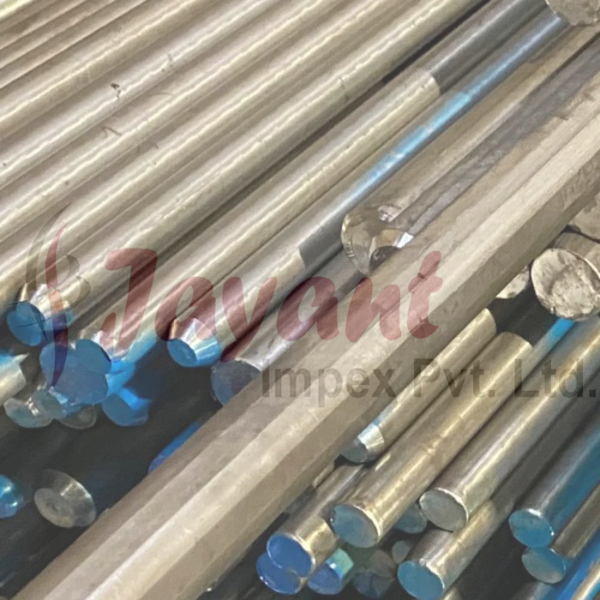

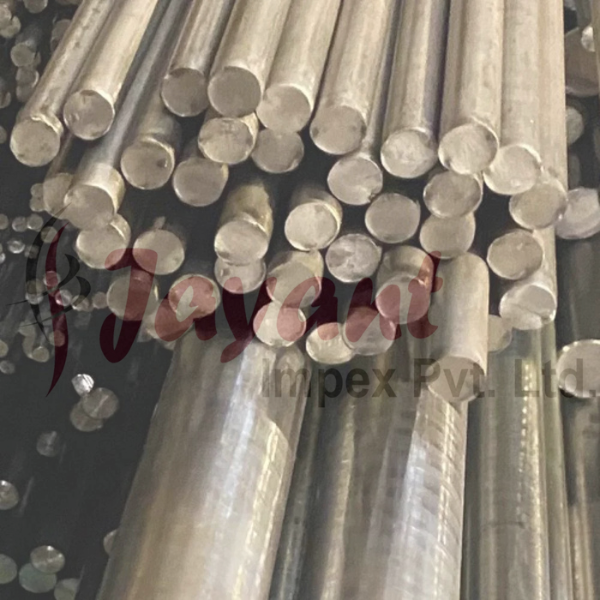
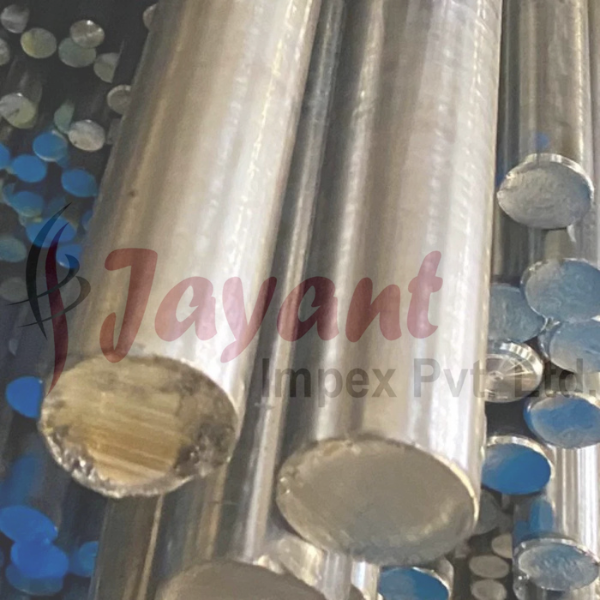

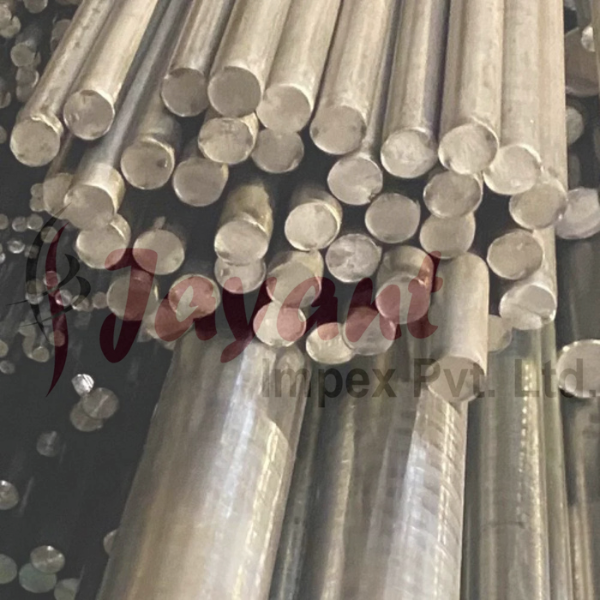
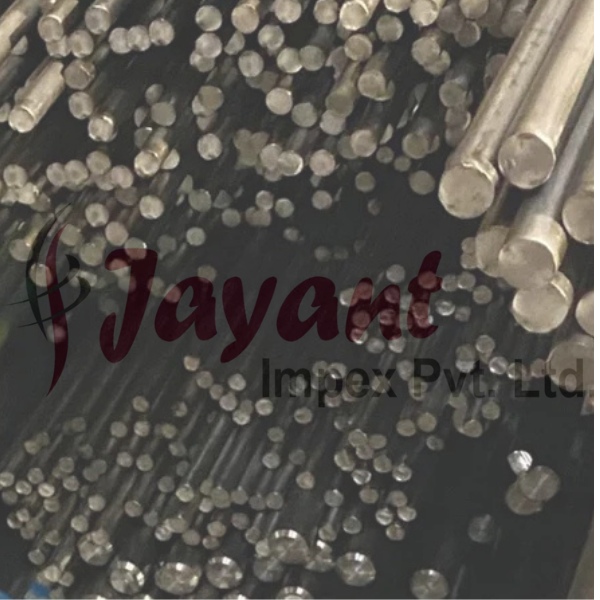
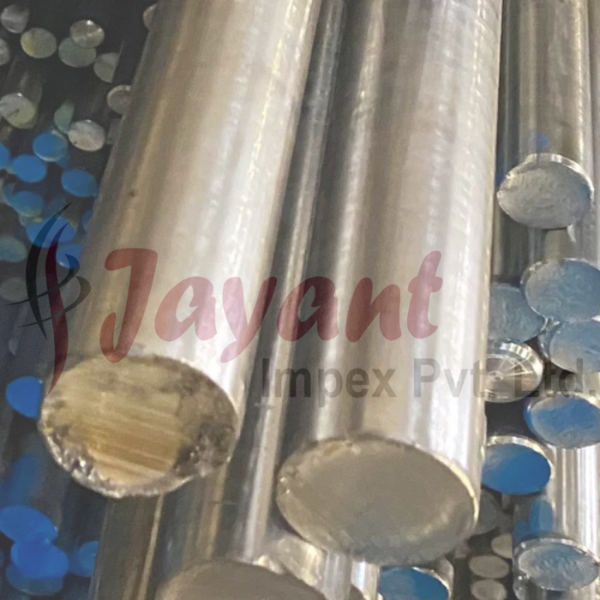
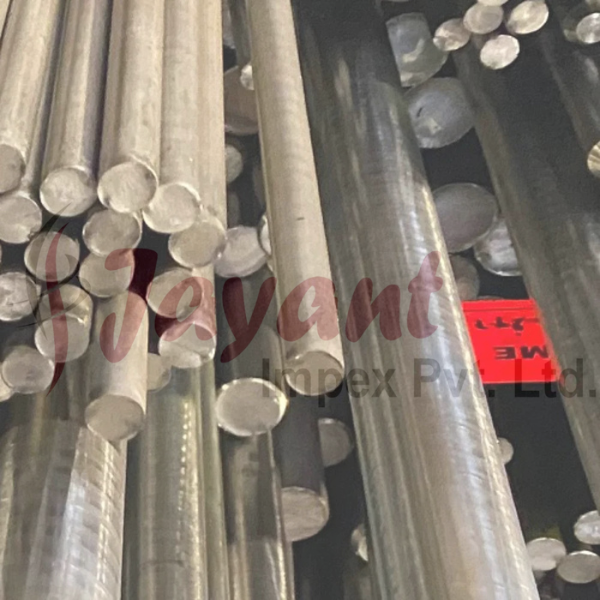
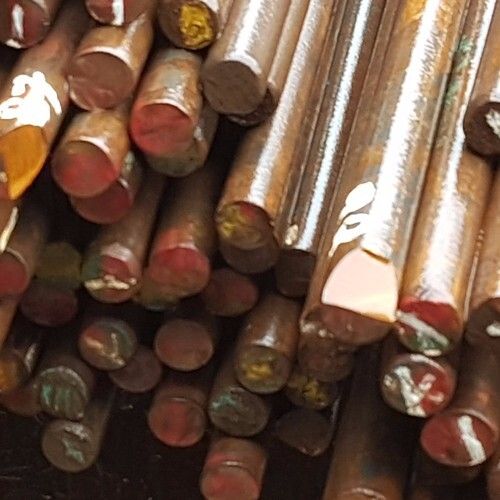
SS 431 Round 1.4057 X17CrNi16-2 Bars
Product Details:
- Application Construction, Engineering, Automobile, Oil & Gas, Aerospace
- Length 100 mm to 6000 mm or as required
- Tolerance H9, H11, K12 or as per requirement
- Standard ASTM A276 / A479, EN 10088-3, DIN 1.4057
- Type Round Bar
- Finish Bright, Polished, Black, Peeled, Turned
- Technique Hot Rolled, Cold Drawn
- Click to view more
X
SS 431 Round 1.4057 X17CrNi16-2 Bars Price And Quantity
- 1 Piece
SS 431 Round 1.4057 X17CrNi16-2 Bars Product Specifications
- 4 mm to 350 mm
- Stainless Steel (SS) 431
- Shafts, Marine Components, Valves and Pump Parts
- 431, X17CrNi16-2
- Forged, Rolled, Annealed, Heat Treated
- Bright, Polished, Black, Peeled, Turned
- Hot Rolled, Cold Drawn
- ASTM A276 / A479, EN 10088-3, DIN 1.4057
- Round Bar
- H9, H11, K12 or as per requirement
- Construction, Engineering, Automobile, Oil & Gas, Aerospace
- 100 mm to 6000 mm or as required
- Quenched and Tempered
- Magnetic in all conditions
- 15% at 50 mm
- 7.75 g/cm3
- 750 - 1000 MPa
- Bundled, Wooden Boxes, Export Worthy Packing
- Free from surface cracks and laps
- 200-280 HBW (Brinell)
- Good to Excellent
- 500 MPa
- Up to 600C
Product Description
AISI 431 (commonly specified by its European equivalents 1.4057 and X17CrNi16-2) is a high-chromium, low-nickel, hardenable martensitic stainless steel.
Among the standard 400-series martensitic grades (like 410 and 420), Type 431 stands out because its nickel addition ($1.50%text{ to }2.50%$) drastically improves its impact toughness and torque strength. Furthermore, its higher chromium content ($15.00%text{ to }17.00%$) gives it the highest corrosion resistance of any conventional, heat-treatable martensitic stainless steelapproaching the baseline performance of 304 austenitic steel in many mild environments.
1. Chemical Composition Cross-Reference (Weight %)
The strict coordination between the American (AISI) and European (EN/DIN) standards ensures a highly clean chemistry designed to minimize delta-ferrite retention, which can otherwise compromise toughness.
| Element | AISI 431 (UNS S43100) | EN 1.4057 / X17CrNi16-2 | Metallurgical Purpose |
| Chromium (Cr) | 15.00% 17.00% | 15.00% 17.00% | Maximizes passive film protection and scaling resistance. |
| Nickel (Ni) | 1.50% 2.50% | 1.50% 2.50% | Widens the austenite field, refines grain, and drastically raises toughness. |
| Carbon (C) | 0.20% Max | 0.12% 0.22% | Ensures strong martensitic response during hardening. |
| Manganese (Mn) | 1.00% Max | 1.50% Max | Deoxidizer; enhances depth of hardenability. |
| Silicon (Si) | 1.00% Max | 1.00% Max | Enhances baseline oxidation resistance. |
| Phosphorus/Sulfur | P: 0.04% / S: 0.03% Max | P: 0.04% / S: 0.015% Max | Restricted to clean limits to protect against hot shortness. |
2. Mechanical Properties (Typical Condition QT 800 & QT 900)
European standards typically mandate delivery of 1.4057 round bars in a specific Quenched and Tempered (QT) condition. The two most common industrial heat-treat designations are QT 800 and QT 900 (where the number designates the minimum tensile strength in MPa):
| Mechanical Property | QT 800 Condition | QT 900 Condition |
| Tensile Strength ($R_m$) | $800 - 950 text{ MPa}$($116 - 138 text{ ksi}$) | 900 - 1050 text{ MPa} (130 - 152 text{ ksi}) |
| Yield Strength ($R_{p0.2}$) | $ge 600 text{ MPa}ge 87 text{ ksi}$) | ge 700 text{ MPa}$ (ge 101 text{ ksi}$) |
| Elongation ($A_5$) | $ge 14%$ (Longitudinal) | ge 12% (Longitudinal) |
| Impact Energy (Charpy-V) | $ge 45 text{ Joules} | $ge 25 text{ Joules}$ |
| Brinell Hardness (HBW) | $240 - 295 text{ HBW} | $280 - 340 text{ HBW}$ |
3. Metallurgical Realities & Heat Treatment
The Dual-Phase Risk (Delta Ferrite)
Because Chromium is a strong ferrite-stabilizer and Nickel is an austenite-stabilizer, any chemical imbalance or improper heating can trap pockets of Delta Ferrite within the hardened martensite matrix. Delta ferrite aligns in stringers along the rolling direction of round bars, introducing directional weaknesses and reducing transverse impact toughness. Premium mills use tight chemical control to guarantee a virtually 100% martensitic matrix post-quench.
Heat Treatment Parameters
-
Austenitizing: Heated slowly to $980^circtext{C} - 1030^circtext{C}$ ($1796^circtext{F} - 1886^circtext{F}$), followed by an oil or air quench.
-
Tempering: Typically carried out in two windows:
-
For Maximum Hardness/Strength: Temper at $204^circtext{C} - 300^circtext{C}$ to achieve up to 44 HRC.
-
For Structural Toughness (QT Conditions): Temper at $600^circtext{C} - 650^circtext{C}$.
-
-
Temper Embrittlement Warning: Just like 410 and 420, never temper 431 between $425^circtext{C}$ and $550^circtext{C}$. This causes severe interstitial precipitation that destroys the alloy's corrosion resistance and impact properties.
4. Fabrication Constraints
-
Machinability: In the annealed state, it rates around 40% of AISI 1212. It is tough and highly prone to galling or tearing against the tool edge. It produces long, stringy chips; rigid tooling configurations, constant feeds, and chlorinated sulfurized lubricants are heavily recommended.
-
Welding: High air-hardenability makes welding Type 431 exceptionally difficult. If structural welding cannot be avoided, preheating to $200^circtext{C} - 300^circtext{C}$ is mandatory, followed immediately by a post-weld sub-critical anneal at $650^circtext{C}$ before the component cools to room temperature.
5. Procurement & International Compliance Standards
When reviewing mill test certificates (MTRs) or drawing blocks for 1.4057 / 431 bars, compliance usually verifies against:
| Standard Organization | Specification | Product Form Context |
| European (EN) | EN 10088-3 | Stainless steels - Technical delivery conditions for semi-finished products, bars, rods, and wire. |
| ASTM | ASTM A276 / A276M | Standard Specification for Stainless Steel Bars and Shapes. |
| ASTM / ASME | ASTM A479 / SA479 | For bars used in boilers, pressure vessels, and nuclear applications. |
| SAE / AMS | AMS 5628 | Aerospace material specification for premium 431 bars and forgings. |
Typical Applications
Due to its unique positioning as a high-strength, highly corrosion-resistant martensitic steel, 1.4057 round bars are heavily utilized in marine and aggressive industrial environments:
-
Marine Architecture: Propeller shafts, drive shafts, and high-load marine fasteners/bolts.
-
Aerospace Engineering: Aircraft structural fasteners, bomb racks, and valve components.
-
Chemical & Pump Industries: Heavy-duty pump rotors, mixer shafts, valve stems, and piston rods handling mildly corrosive chemical media.
Superior Mechanical Properties for Critical Applications
The SS 431 Round Bars offer an impressive combination of tensile strength (up to 1000 MPa) and magnetic properties, making them highly suitable for shafts, marine components, and critical engineering applications. The quenched and tempered condition ensures reliability under high stress and varied operating environments.
Versatile Sizing and Finish Options
Available in diameters from 4 mm to 350 mm and lengths up to 6000 mm, these bars cater to diverse project needs. Customers can choose from a range of finishes-bright, polished, black, peeled, or turned-to ensure optimal performance and desired aesthetic for each application.
Corrosion Resistance and Heat Tolerance
Produced from high-grade stainless steel X17CrNi16-2, these bars maintain corrosion resistance under challenging conditions. With an operational range up to 600C and excellent surface quality, SS 431 bars are ideal for oil & gas, aerospace, and marine environments.
FAQ's of SS 431 Round 1.4057 X17CrNi16-2 Bars:
Q: How are SS 431 Round Bars processed to achieve their mechanical strength and magnetic properties?
A: SS 431 Round Bars are manufactured using hot rolled or cold drawn techniques, followed by quenching and tempering. This processing not only yields high tensile and yield strength but also ensures their magnetic properties are maintained in all conditions.Q: What industries commonly use SS 431 Round Bars and why?
A: Industries such as construction, engineering, automobile, oil & gas, aerospace, and marine frequently choose SS 431 Round Bars due to their robust mechanical properties, corrosion resistance, and adaptability to both high-stress and corrosive operating environments.Q: When should I opt for SS 431 over other stainless steel grades?
A: SS 431 is an excellent choice when both high strength and good corrosion resistance are required, especially for components like shafts, valves, and marine parts exposed to stress and varying environments. Its heat tolerance up to 600C makes it preferable over standard grades for elevated-temperature applications.Q: Where can SS 431 Round Bars be used in marine applications?
A: Thanks to their outstanding combination of mechanical strength and corrosion resistance, SS 431 Round Bars are extensively used in marine components such as propeller shafts, valve parts, and pump components that operate in seawater and coastal conditions.Q: What packaging options are available for SS 431 Round Bars to ensure safe delivery?
A: SS 431 Round Bars are packaged in bundles, wooden boxes, or export-worthy packing to safeguard against damage during transportation and to conform with international shipping requirements.Q: How does the surface condition of SS 431 Round Bars benefit end-users?
A: With surfaces free from cracks and laps, SS 431 Round Bars offer improved mechanical performance, easier fabrication, and enhanced aesthetics, making them especially reliable for high-precision and safety-critical components.Tell us about your requirement

Price:
Quantity
Select Unit
- 50
- 100
- 200
- 250
- 500
- 1000+
Additional detail
Mobile number
Email

Other Products in 'Steel Bar' category


JAYANT IMPEX
GST : 27AAQFJ5764L1ZJ
GST : 27AAQFJ5764L1ZJ

- 6th, 605, Majestic Shopping Center, Jagannath Shankarseth Road, Girgaon,Mumbai - 400004, Maharashtra, India
- Phone : 08045800544

- Mr Shrenik Prakash Mehta (Director)
- Mobile : 08045800544
-
jayantimpex12@gmail.com


-
Share to



 Send Inquiry
 Send SMS
 Call Me Free
JAYANT IMPEX PVT. LTD. All Rights Reserved.(Terms of Use)
Developed and Managed by Infocom Network Private Limited. Terms of use | Returns Policy Member
Developed and Managed by Infocom Network Private Limited. Terms of use | Returns Policy Member
