 English
 Spanish
 French
 German
 Italian
 Chinese (Simplified)
 Japanese
 Korean
 Arabic
 Portuguese
 Call Us : 08045800544
 Call Us : 08045800544
 Get a Quote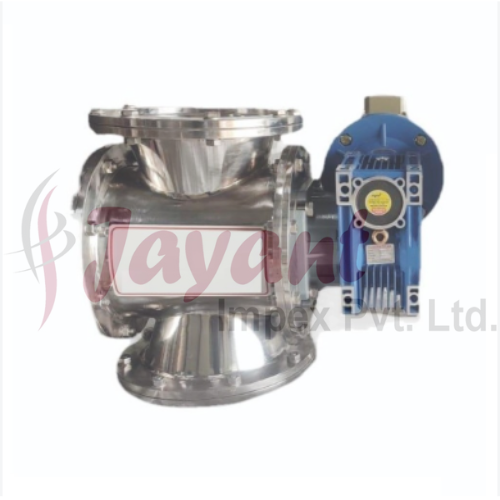
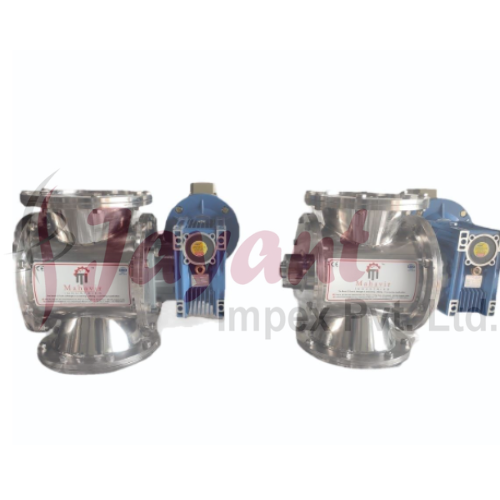
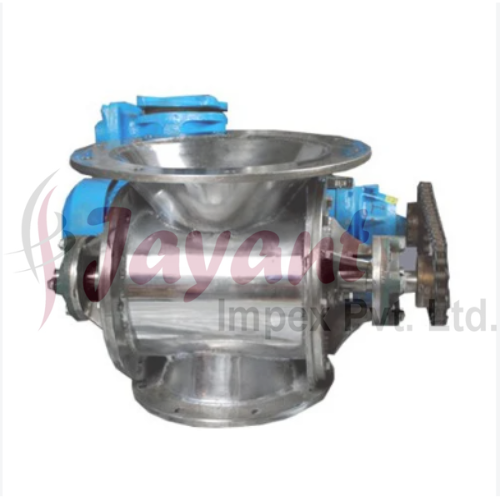
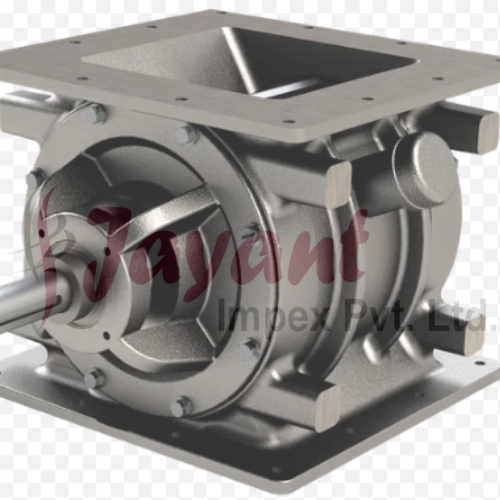
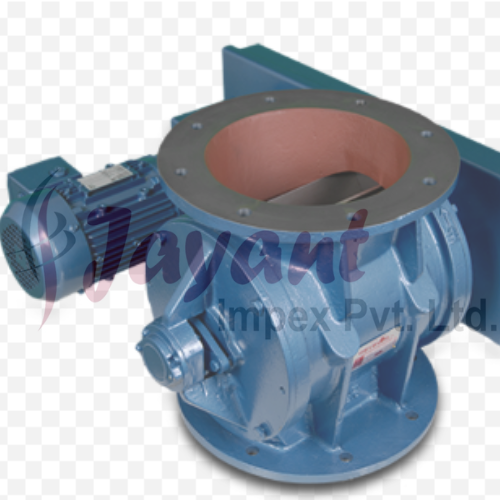
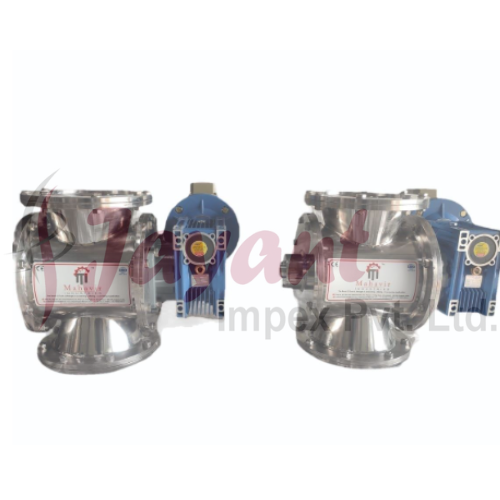
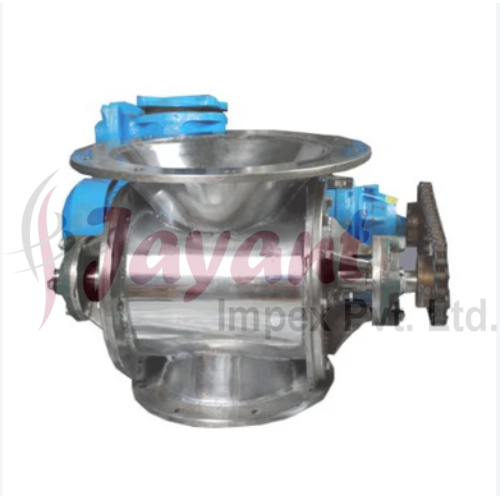

Industrial Rotary Valve
2440.0 INR/Pair
Product Details:
- Connection Type Flanged or square/round inlet & outlet flanges
- Valve Type Rotary Valve (Airlock/Feeder)
- Features Heavy-duty design, anti-leakage, low maintenance, wear-resistant lining, easy disassembly for cleaning
- Material Cast Iron, Stainless Steel 304/316, Mild Steel (available as per requirement)
- Valve Size 100 mm to 500 mm (custom sizes available)
- Control System Manual, electric or pneumatic actuator
- Sealing Precision machined, end plate and rotor seals (PTFE, NBR or Metal)
- Click to view more
X
Industrial Rotary Valve Price And Quantity
- 5 Pair
- 2440.0 INR/Pair
Industrial Rotary Valve Product Specifications
- Cylindrical body with rotating rotor vanes
- Powder, granules, pellets, abrasive or non-abrasive materials
- 100 mm to 500 mm (custom sizes available)
- Electric and Pneumatic options available
- Industrial bulk material handling, pneumatic conveying, feeding and discharge of powders, pellets and granular products
- Customized, typically 100 mm to 500 mm
- Manual, electric or pneumatic actuator
- Designed for low to medium pressure differentials up to 1 Bar
- Precision machined, end plate and rotor seals (PTFE, NBR or Metal)
- Flanged or square/round inlet & outlet flanges
- Stainless Steel (optional material customization)
- Rotary Valve (Airlock/Feeder)
- Rotary Airlock Valve
- Up to 250C (depending on gasket and material selection)
- 220-440V, 3 Phase (for electric actuator types)
- Cast Iron, Stainless Steel 304/316, Mild Steel (available as per requirement)
- Multi-vane rotor, fabricated or cast iron/stainless steel
- Heavy-duty design, anti-leakage, low maintenance, wear-resistant lining, easy disassembly for cleaning
- 5 to 100 liters per revolution, depending on valve size
- Chain drive / direct coupling
- Available for hazardous environments
- 10 to 50 RPM (adjustable)
- Meets CE and ATEX safety standards
- Grease-lubricated bearings
- Heavy-duty roller/ball bearings
- Detachable, fastened by bolts for rotor cleaning and inspection
- Horizontal or vertical installation
- Shot blasted / painted / polished (customized)
- PTFE or graphite (optional)
Product Description
An Industrial Rotary Valve (also commonly known as a rotary feeder,rotary airlock, or star valve) is a mechanical device used to regulate the flow of bulk solids, powders, or granular materials from one chamber to another while maintaining a pressure differential or air seal between them.
Think of it as a high-precision, continuous revolving door for dry industrial materials.
How it Works
The fundamental operation of a rotary valve relies on a multi-vane rotor spinning inside a tightly machined housing.
-
Material Feeding: Bulk material falls by gravity from an upper hopper, silo, or cyclone into the top inlet of the valve.
-
Pocket Pocketing: As the rotor turns, the material fills the pockets between the rotor vanes.
-
Controlled Discharge: The rotating pockets carry the material to the bottom outlet, dropping it into a downstream processing line, conveyor, or pneumatic transport pipe.
-
The Airlock Function: Because the clearances between the rotor vanes and the valve housing are incredibly tight (often measured in thousandths of an inch), air or gas cannot easily escape across the valve, even while material is passing through.
Core Types of Rotary Valves
Depending on the specific processing requirement, rotary valves are configured in a few distinct layouts:
-
Drop-Through Rotary Valve: The most common design. Material drops into the top, rotates, and drops directly out of the bottom by gravity into a hopper or screw conveyor.
-
Blow-Through Rotary Valve: Specifically designed for pneumatic conveying systems. The downstream transport air or gas enters through one end of the bottom housing, passes directly through the empty rotor pockets, and blows the material down the conveying line. This minimizes headroom and improves particle entrainment.
-
Offset Rotary Valve: The inlet is physically shifted to one side of the vertical axis. This prevents fragile or large materials (like plastic pellets or wood chips) from getting sheared or jammed between the rotor vane and the housing edge.
Technical Specifications & Materials
Industrial rotary valves are highly engineered components tailored to the abrasiveness, temperature, and explosiveness of the handled material.
1. Materials of Construction
-
Housing and End Covers: Cast Iron, Ductile Iron, Cast 304 or 316 Stainless Steel, or Aluminum (for lightweight, non-abrasive applications).
-
Rotors: Typically fabricated or cast stainless steel. Openings can be fitted with replaceable wear tips made of hardened steel, Stellite, or polyurethane for handling abrasive materials.
2. Design Variants & Clearance Control
-
Fixed vs. Adjustable Vanes: Fixed rotors are machined to a specific tolerance. Adjustable rotors feature bolted tips that can be fine-tuned or replaced as they wear.
-
Scraper Tips: Flexible tips (e.g., Teflon or Neoprene) can be used to ensure a clean sweep of sticky powders while maintaining a strict airlock seal.
-
High-Temperature Configurations: When handling materials over 100C (up to 400C+), the valve must utilize outboard bearings (moved away from the hot housing) and larger internal clearances to account for thermal expansion of the metal rotor.
Critical Applications
Rotary valves are ubiquitous across bulk handling industries, serving three primary functions:volumetric feeding,airlocking, and explosion isolation.
-
Pneumatic Conveying: Acts as the injection point to feed materials into positive pressure or vacuum dense-phase and dilute-phase air lines.
-
Dust Collection & Cyclones: Installed at the bottom of a dust collector hopper. It lets collected dust drain out into a waste bin continuously without disrupting the vacuum/suction pressure of the collector.
-
Food & Pharmaceutical Processing: Specialized "easy-clean" or hygienic rotary valves feature slide rails allowing the rotor to be completely pulled out for quick washdowns to prevent cross-contamination.
-
Chemical & Plastic Production: Used to meter plastic pellets, catalysts, or hazardous powders accurately into blenders and reactors.
Key Operational & Maintenance Challenges
-
Rotor Wear and Blow-by Gas: Over time, handling abrasive materials (like silica sand, cement, or fly ash) widens the internal clearances. This allows air to leak backward ("blow-by"), fluidizing the incoming material in the hopper above and causing feeding bottlenecks.
-
Material Shearing: If particles get trapped between the moving rotor tip and the stationary housing inlet, it can cause material degradation or high torque spikes that trip the motor.
-
Venting Requirements: As empty rotor pockets rotate back to the top, they carry compressed downstream air with them. If this residual pressure isn't safely vented away via a pre-venting port, it will burst upward into the hopper, stopping light powders from falling smoothly into the valve.
Versatile Mounting & Performance
Designed for both horizontal and vertical installation, the Industrial Rotary Valve offers adjustable rotor speeds of 10 to 50 RPM. Its powerful, customizable drive system caters to various process requirements in industrial bulk handling and pneumatic transport. Precision engineering supports heavy-duty use and low maintenance.
Safety, Compliance & Easy Maintenance
These rotary valves meet CE and ATEX safety standards, ensuring dependable operation in hazardous environments. The detachable end cover with bolt fastening allows swift cleaning and inspection, while optional explosion-proof motors and heavy-duty bearings maximize service life. Grease-lubricated components further enhance reliability.
Optimized for Application Flexibility
Available with capacities from 5 to 100 liters per revolution (depending on valve size), the rotary valve can be tailored with a variety of materials, finishes, port sizes, and actuator systems. Suitable for dealers, exporters, manufacturers, and suppliers across India, it handles powders, pellets, and granules-abrasive or non-abrasive-with efficiency.
FAQ's of Industrial Rotary Valve:
Q: How does the rotary valve accommodate different materials and applications?
A: The valve is designed for industrial bulk material handling, pneumatic conveying, and feeding of powders, pellets, and granules. With customizable rotor speeds, port sizes, and material choices (cast iron, stainless steel, or mild steel), it efficiently processes abrasive or non-abrasive substances across diverse manufacturing environments.Q: What are the main benefits of detachable end covers on the rotary valve?
A: Detachable, bolt-fastened end covers provide straightforward access for cleaning and inspection of the rotor. This design minimizes downtime, ensures hygienic operation, and facilitates maintenance, especially when switching between different materials in production lines.Q: When is an explosion-proof motor recommended for this rotary valve?
A: An explosion-proof motor should be selected when the rotary valve is used in hazardous environments where combustible dusts or gases may be present. This ensures safety compliance, as the motor is designed to prevent ignition sources, and meets ATEX and CE standards.Q: What process controls and drive types are available for operational flexibility?
A: The rotary valve offers chain drive and direct coupling options, with manual, electric, or pneumatic actuators available. These choices provide precise control over feeding or discharge rates, adapting to specific material handling demands and automation requirements.Q: Where can these rotary valves be installed, and what orientations are possible?
A: They support both horizontal and vertical installation, enabling integration into new or existing systems. This versatility suits a range of pneumatic conveying lines, silos, bins, and process machinery, maximizing adaptability for dealers, manufacturers, suppliers, and traders in India.Q: How does the heavy-duty bearing system enhance valve performance?
A: Equipped with grease-lubricated, heavy-duty roller or ball bearings, the valve withstands continuous operation and higher loads. This reduces wear, minimizes maintenance needs, and ensures a longer service life, even in demanding industrial environments.Q: What sealing options are available and how do they ensure leak prevention?
A: The valve features precision-machined end plate and rotor seals, available in PTFE, NBR, or metal, tailored for specific materials and temperature ranges. These seals provide superior isolation, preventing product leakage and preserving system pressure integrity.Tell us about your requirement

Price:
Quantity
Select Unit
- 50
- 100
- 200
- 250
- 500
- 1000+
Additional detail
Mobile number
Email

Other Products in 'Valves' category


JAYANT IMPEX
GST : 27AAQFJ5764L1ZJ
GST : 27AAQFJ5764L1ZJ

- 6th, 605, Majestic Shopping Center, Jagannath Shankarseth Road, Girgaon,Mumbai - 400004, Maharashtra, India
- Phone : 08045800544

- Mr Shrenik Prakash Mehta (Director)
- Mobile : 08045800544
-
jayantimpex12@gmail.com


-
Share to



 Send Inquiry
 Send SMS
 Call Me Free
JAYANT IMPEX PVT. LTD. All Rights Reserved.(Terms of Use)
Developed and Managed by Infocom Network Private Limited. Terms of use | Returns Policy Member
Developed and Managed by Infocom Network Private Limited. Terms of use | Returns Policy Member
