 English
 Spanish
 French
 German
 Italian
 Chinese (Simplified)
 Japanese
 Korean
 Arabic
 Portuguese
 Call Us : 08045800544
 Call Us : 08045800544
 Get a Quote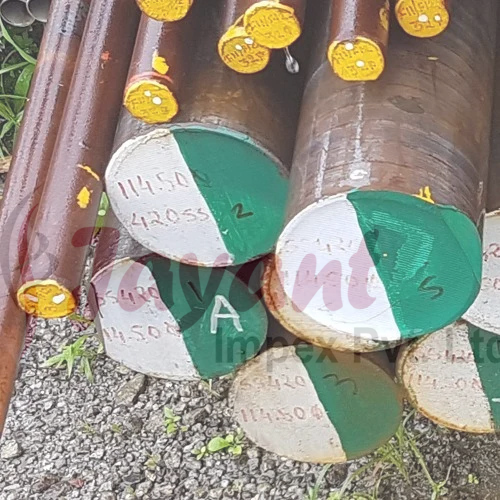
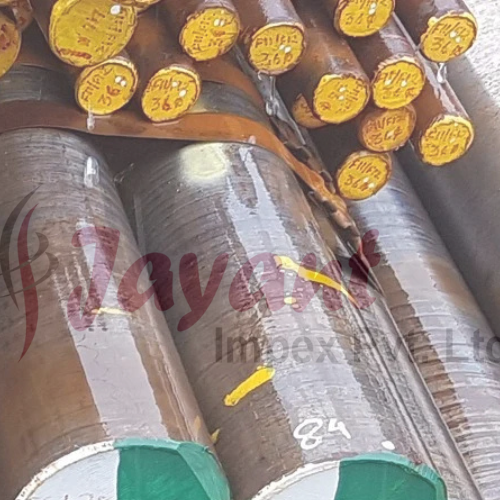
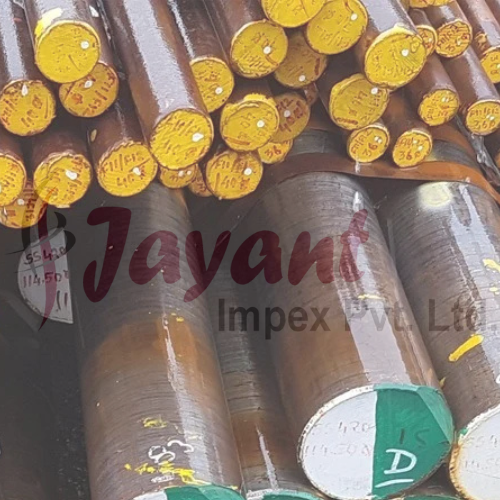
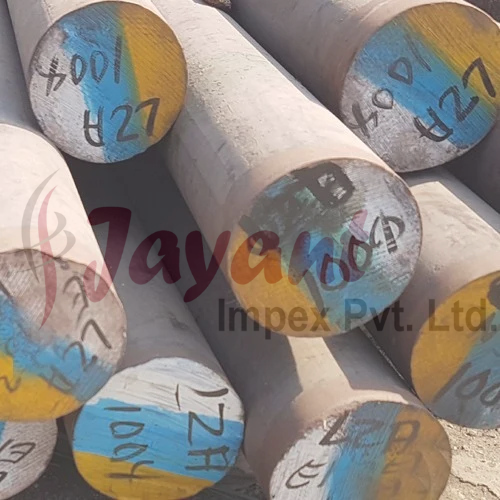
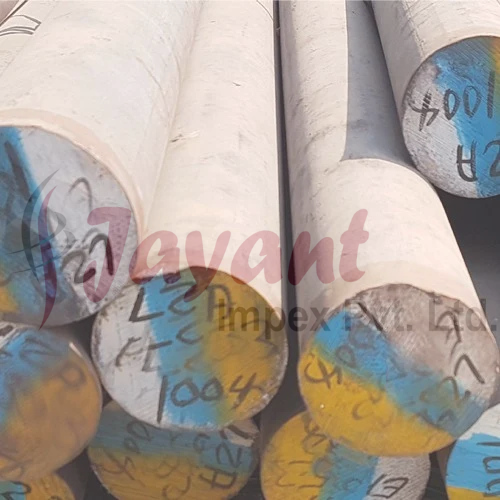
Chrome Moly JIS SCM430 Alloy Steel Bars
115.0 INR/Kilograms
Product Details:
- Material Chrome Moly JIS SCM430 Alloy Steel
- Type Alloy Steel Bar
- Diameter 14.5 mm (also available in various diameters from 10mm to 400mm)
- Tolerance H9, H11, or as per order
- Length Custom/Multiple length as per order (standard lengths available: 3m, 6m, 12m)
- Standard JIS (Japanese Industrial Standards)
- Application Construction, Engineering, Automotive components, Machinery parts
- Click to view more
X
Chrome Moly JIS SCM430 Alloy Steel Bars Price And Quantity
- 115.0 INR/Kilograms
- 1 Kilograms
Chrome Moly JIS SCM430 Alloy Steel Bars Product Specifications
- Chrome Moly JIS SCM430 Alloy Steel
- Alloy Steel Bar
- 14.5 mm (also available in various diameters from 10mm to 400mm)
- H9, H11, or as per order
- Custom/Multiple length as per order (standard lengths available: 3m, 6m, 12m)
- JIS (Japanese Industrial Standards)
- Construction, Engineering, Automotive components, Machinery parts
- Annealed / Normalized / Quenched & Tempered
- Shafts, Bolts, Gears, High-stress parts
- Hot Rolled / Forged
- Black / Peeled / Polished / Ground
- SCM430
- Min 12% in 50 mm (as per standard)
- Dependent on heat treatment, typically 217-241 HB (annealed)
- Supplied in annealed/normalized/quenched+tempered condition
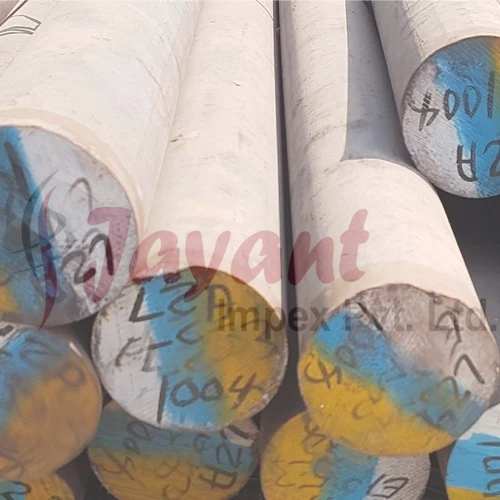
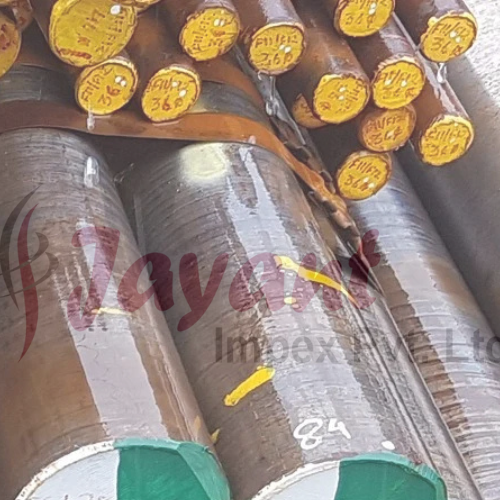
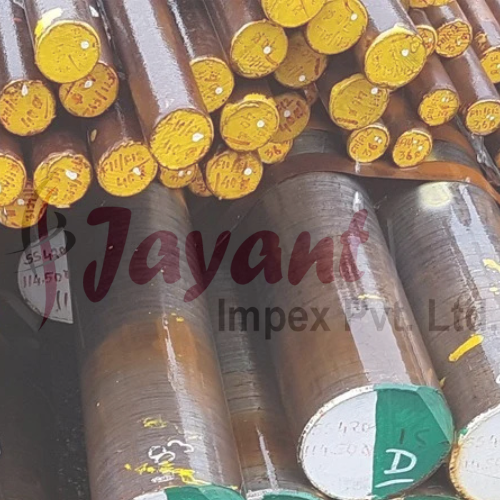
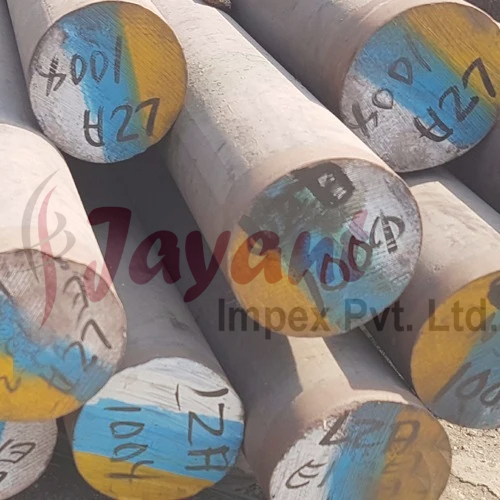
- Bundled with steel strips, ends painted/yellow caps for ID
- Clean, with painted/marked ends for identification
- Each bar end painted and stamped with size/grade batch details
- Min 785 MPa (as per JIS SCM430 specification)
- High impact resistance at room and subzero temperatures
- Yes, applicable as required (QT, Annealed, Normalized)
- Min 930 MPa (as per JIS SCM430 specification)
Product Description
JIS SCM430 is a high-quality Chromium-Molybdenum (Chrome Moly) low-alloy structural steel standardized under the Japanese Industrial Standard JIS G4105. When sourced in bar form, SCM430 is recognized globally as the precise Japanese metallurgical counterpart to North America's ubiquitous AISI 4130 and Europe's 25CrMo4 (1.7218).
Because it has a lower carbon window compared to its higher-strength brother SCM440 (AISI 4140), SCM430 specializes in providing an excellent blend of mechanical toughness, structural plasticity, fatigue life, and highly dependable weldability.
1. Chemical Composition (JIS G4105)
The structural integrity and thermal endurance of SCM430 bars rely heavily on a highly specific balance of elements:
| Element | Composition (%) | Primary Metallurgical Role |
| Carbon (C) | $0.28% - 0.33%$ | Provides intermediate core hardness while preserving excellent ductility and reducing cold weld-cracking risk. |
| Chromium (Cr) | $0.90% - 1.20%$ | Enhances the overall depth of oil-quenching penetration and increases atmospheric corrosion resistance. |
| Molybdenum (Mo) | $0.15% - 0.30%$ | Combats temper brittleness, refines grain boundaries, and maintains high creep resistance up to $sim 500^circtext{C}$. |
| Manganese (Mn) | $0.60% - 0.85%$ | Acts as an essential deoxidizer during melting and improves through-hardening response. |
| Silicon (Si) | $0.15% - 0.35%$ | Raises the overall elastic limit and yield boundaries. |
| Phosphorus / Sulfur | $le 0.030% / le 0.030%$ | Strictly minimized to prevent structural micro-impurities. |
2. Mechanical Performance (Typical Q+T Condition)
When SCM430 bars are ordered or processed via standard heat treatmentconsisting of an oil quench ($sim 850^circtext{C} - 880^circtext{C}$) and high-temperature tempering ($sim 550^circtext{C} - 640^circtext{C}$)they yield reliable high-tensile values:
-
Tensile Strength ($R_m$):$ge$ 835 MPa
-
Yield Strength ($R_e$):$ge$ 686 MPa
-
Elongation at Break:$ge$ 15%
-
Reduction of Area:$ge$ 55%
-
Impact Toughness (Charpy V-Notch):$ge$ 108 J/cm (outstanding shock dissipation)
-
Typical Hardness: SCM430 is generally engineered to sit within the 285 to 352 HBW window in its fully treated structural state.
3. Core Supply and Processing Conditions
Depending on your production requirements, SCM430 bars can be delivered from global mills in several microstructural formats:
-
Soft Annealed State (+A): Furnanced down to a maximum hardness of $le$ 220 HBW. This is highly recommended if the bars are meant for elaborate CNC milling, high-speed automated turning, or precision gun-drilling to maximize the lifespan of carbide tool bits.
-
Quenched and Tempered (+QT): Pre-hardened straight from the mill. This enables immediate machining directly to your blueprints final geometry, avoiding the scaling, warping, or micro-cracking risks associated with downstream post-machining heat treatment lines.
-
Surface Profiles: Available as hot-rolled (black skin), rough turned, peeled, or cold-drawn (bright finish with tight $h11$ dimensional tolerances).
4. Key Engineering Applications
SCM430 bars are highly favored for parts that face intense fatigue cycles, continuous stress, or need to be welded directly into larger structural frame components:
-
Oil, Gas & Energy Sector: Forged high-pressure valve bodies, choke manifolds, wellhead connectors, and subsea pump bodies.
-
Automotive & Racing Engineering: High-tensile roll cages, suspension sway bars, lightweight axle shafts, and specialized connecting rods.
-
Aerospace Structure: Structural engine mounts and critical structural fastening brackets.
-
Heavy Machinery: Machine tool spindles, conveyor drive rollers, planetary gear sleeves, and high-tensile Grade 8.8/10.9 structural bolts.
5. Seamless Global Substitutions
If you are coordinating logistics across international machine shops, the following grades map seamlessly to JIS SCM430:
-
United States: AISI 4130 / SAE 4130 / UNS G41300
-
Europe / Germany: 25CrMo4 / W.Nr. 1.7218
-
United Kingdom: BS 708M25 (Classic EN25 / EN19 low-carbon type)
-
China: GB 30CrMo / 30CrMoA
-
Russia: GOST 30KHMA (30)
6. Welding & Post-Processing Advantage
Technical Fabrication Highlight
One of the greatest assets of SCM430 over SCM440 (AISI 4140) is its favorable weldability. Because the carbon window peaks at 0.33%, it is far less prone to forming highly brittle untempered martensite in the Heat-Affected Zone (HAZ).
Welding Protocol: While highly forgiving, using a light preheat ($150^circtext{C} - 200^circtext{C}$) is still recommended for heavy bar sections to thoroughly vent hydrogen and prevent micro-fissuring, followed by normal stress-relief.
Superior Strength and Durability
The JIS SCM430 Alloy Steel Bars are designed to provide outstanding strength and resilience under stress. With high yield and tensile strengths, these bars promise excellent performance in construction projects and machinery parts where load-bearing capabilities are paramount. Thanks to their robust mechanical properties, they are a top choice for demanding environments.
Versatile Applications Across Industries
SCM430 Alloy Steel Bars are widely used by manufacturers, fabricators, and suppliers in India for automotive components, engineering parts, and structural elements. Their adaptability in length, diameter, and finishing options-such as polished, peeled, or ground-ensures a tailored fit for specific engineering projects, from gears and shafts to heavy machinery.
Quality Assurance and Custom Supply
Each bar is marked and painted for clear identification and traceability, while packing is handled securely in bundles with steel strips and protective caps. End-users can request specific grades, sizes, precision tolerances, and processing methods to meet unique requirements. Compliance with JIS standards ensures the highest material quality and consistency.
FAQ's of Chrome Moly JIS SCM430 Alloy Steel Bars:
Q: How are Chrome Moly JIS SCM430 Alloy Steel Bars processed for specific hardness and strength?
A: The bars can be heat treated through annealing, normalizing, or quenching and tempering processes, according to the application requirements. This allows hardness values typically ranging from 217-241 HB (annealed) and ensures the desired mechanical properties, such as high yield and tensile strength.Q: What surface finishes and identification features are provided on these alloy steel bars?
A: Chrome Moly JIS SCM430 bars can be supplied in black, peeled, polished, or ground finishes. For identification, each bar's ends are painted and stamped with size, grade, and batch details, while packing includes bundles with steel strips and protective caps for safety and traceability.Q: When should I specify JIS SCM430 Alloy Steel Bars for my project?
A: These bars are recommended when your application demands high impact resistance, excellent mechanical strength, and durability-such as in automotive, construction, and engineering components like shafts, bolts, or gears. Their reliability in high-stress and subzero conditions makes them suitable for critical parts.Q: Where are these alloy steel bars commonly used?
A: SCM430 Alloy Steel Bars find usage in India and globally for manufacturing shafts, bolts, gears, and automotive components. They are favored in the construction, machinery, and engineering sectors where high load-bearing and impact resistance are essential.Q: What is the standard length and diameter range for SCM430 Alloy Steel Bars?
A: The bars are available in standard lengths of 3m, 6m, or 12m, and in diameters ranging from 10mm to 400mm. Custom lengths and tolerances (such as H9, H11) can be arranged as per order requirements, providing flexibility for various industrial uses.Q: How does the supply and quality assurance process benefit buyers?
A: Each bar is handled with strict identification and secure packaging measures, ensuring product traceability. Compliance with JIS standards gives customers confidence in consistent material quality, and processing is tailored to deliver the desired mechanical properties and surface finish for end-use requirements.Tell us about your requirement

Price:
Quantity
Select Unit
- 50
- 100
- 200
- 250
- 500
- 1000+
Additional detail
Mobile number
Email

Other Products in 'Steel Bar' category


JAYANT IMPEX
GST : 27AAQFJ5764L1ZJ
GST : 27AAQFJ5764L1ZJ

- 6th, 605, Majestic Shopping Center, Jagannath Shankarseth Road, Girgaon,Mumbai - 400004, Maharashtra, India
- Phone : 08045800544

- Mr Shrenik Prakash Mehta (Director)
- Mobile : 08045800544
-
jayantimpex12@gmail.com


-
Share to



 Send Inquiry
 Send SMS
 Call Me Free
JAYANT IMPEX PVT. LTD. All Rights Reserved.(Terms of Use)
Developed and Managed by Infocom Network Private Limited. Terms of use | Returns Policy Member
Developed and Managed by Infocom Network Private Limited. Terms of use | Returns Policy Member
