 English
 Spanish
 French
 German
 Italian
 Chinese (Simplified)
 Japanese
 Korean
 Arabic
 Portuguese
 Call Us : 08045800544
 Call Us : 08045800544
 Get a Quote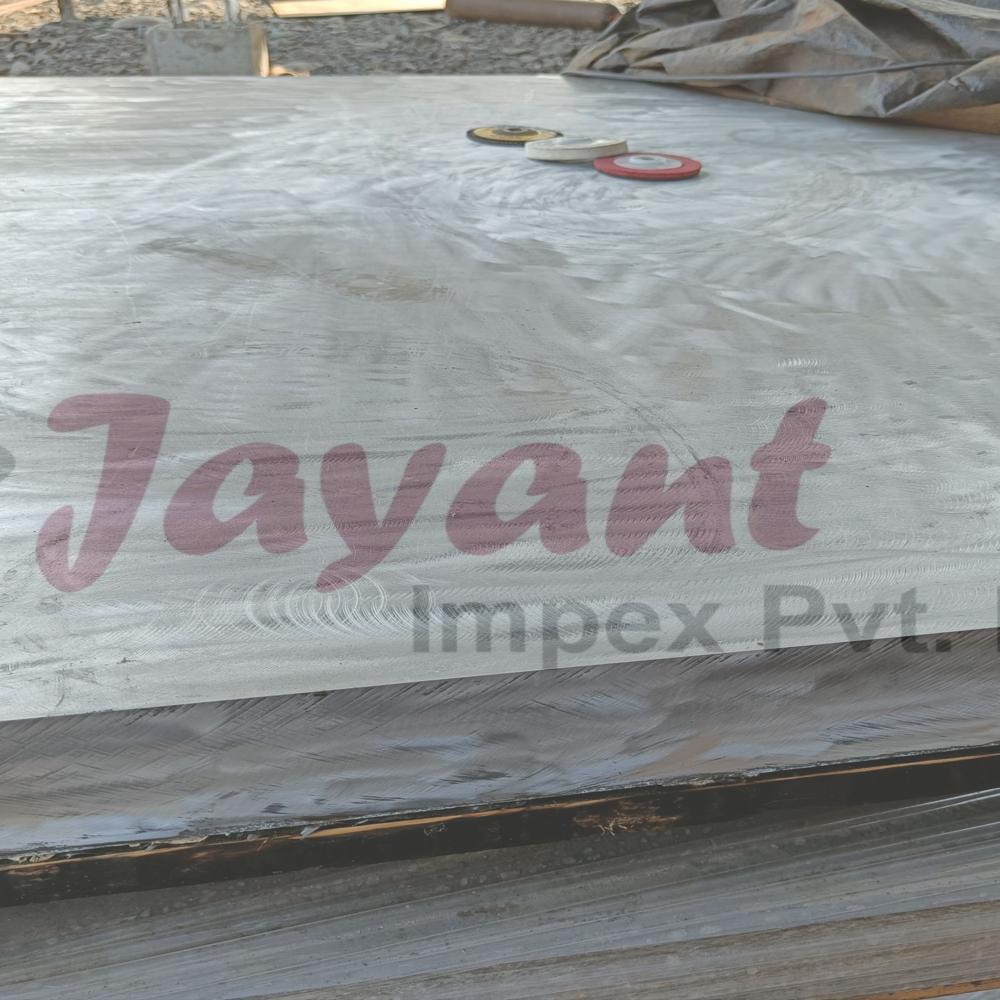
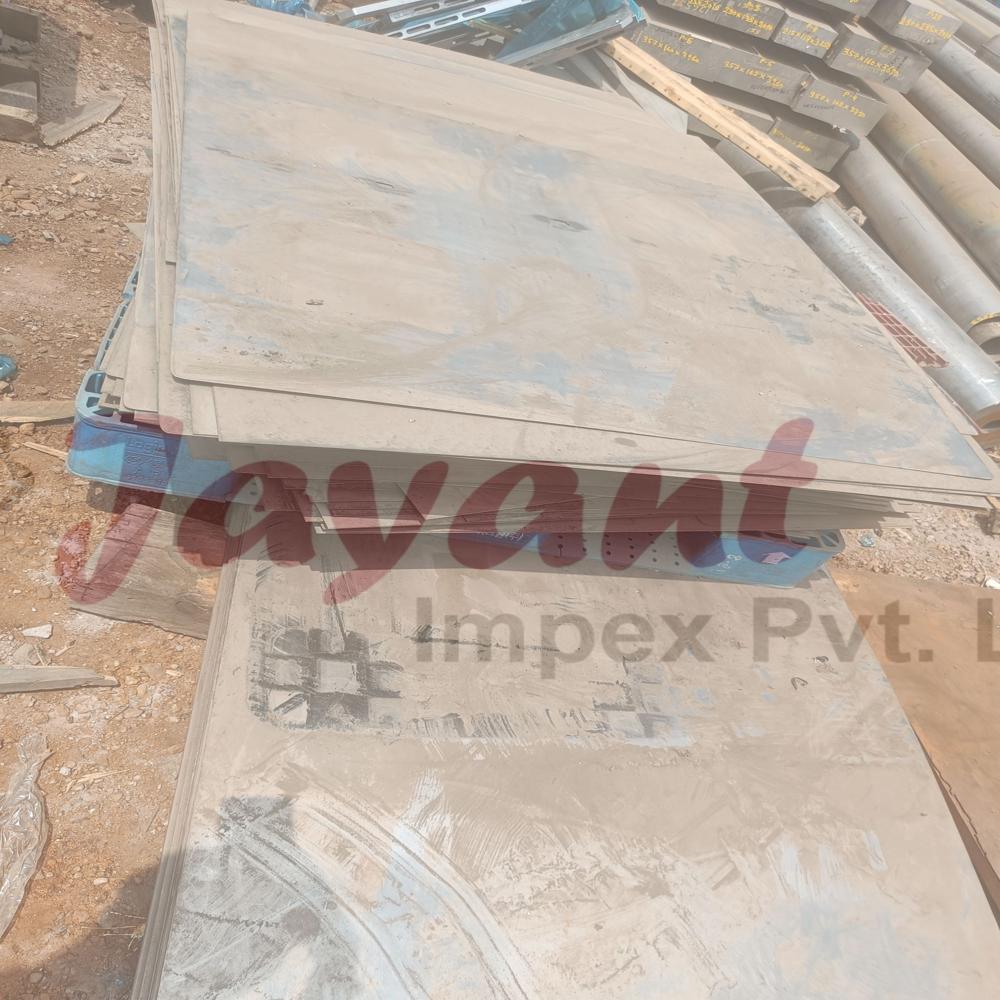
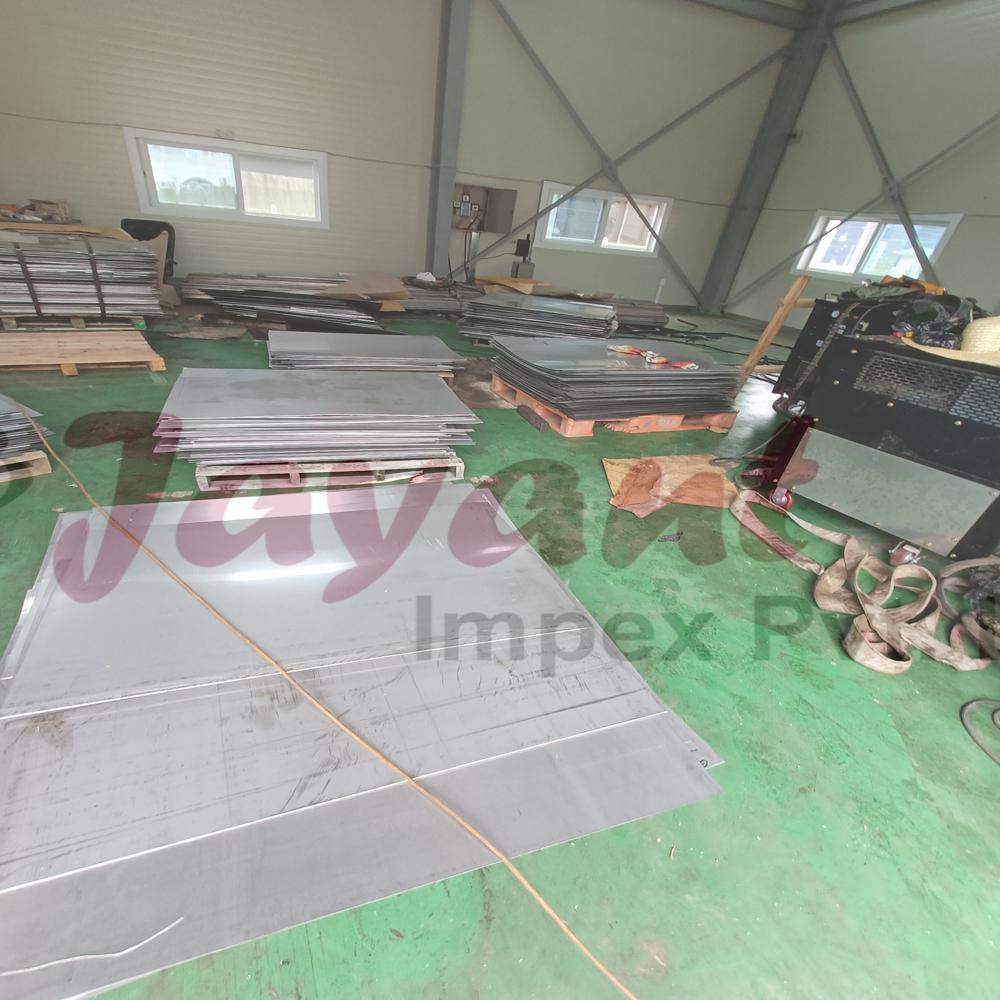
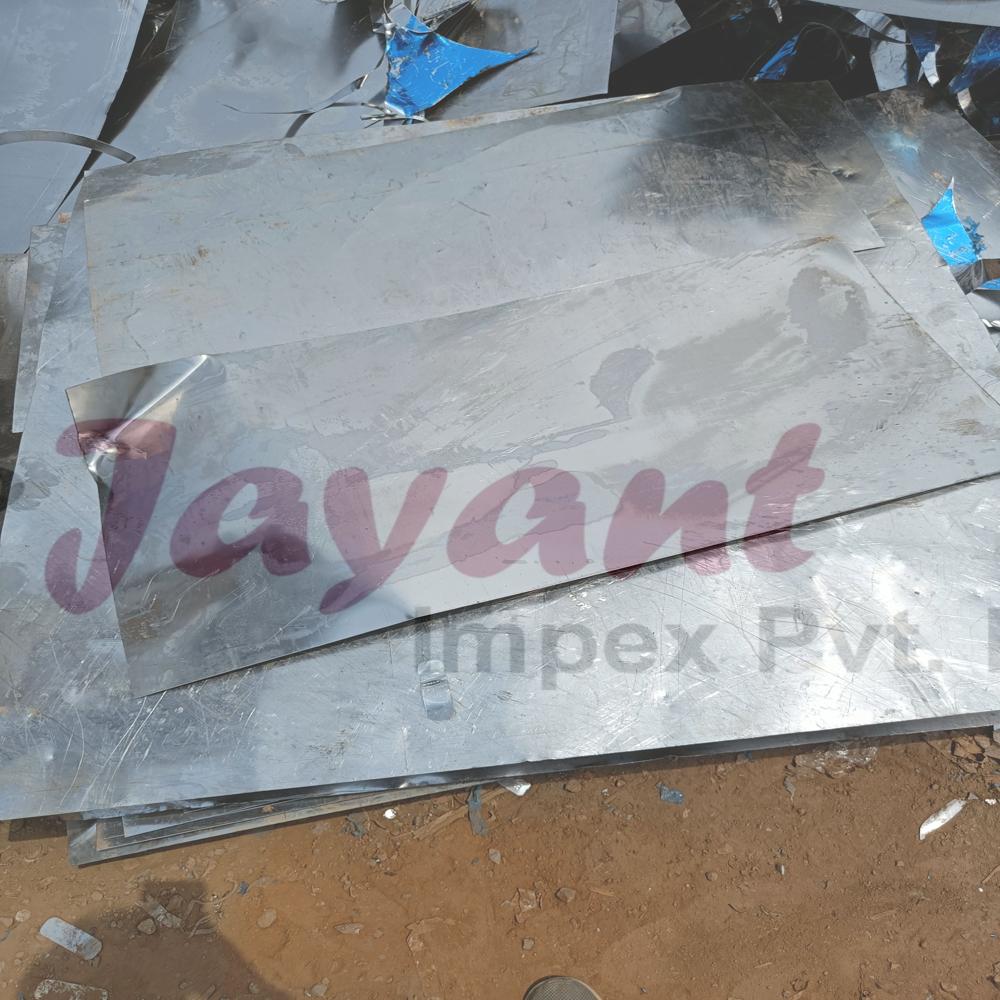
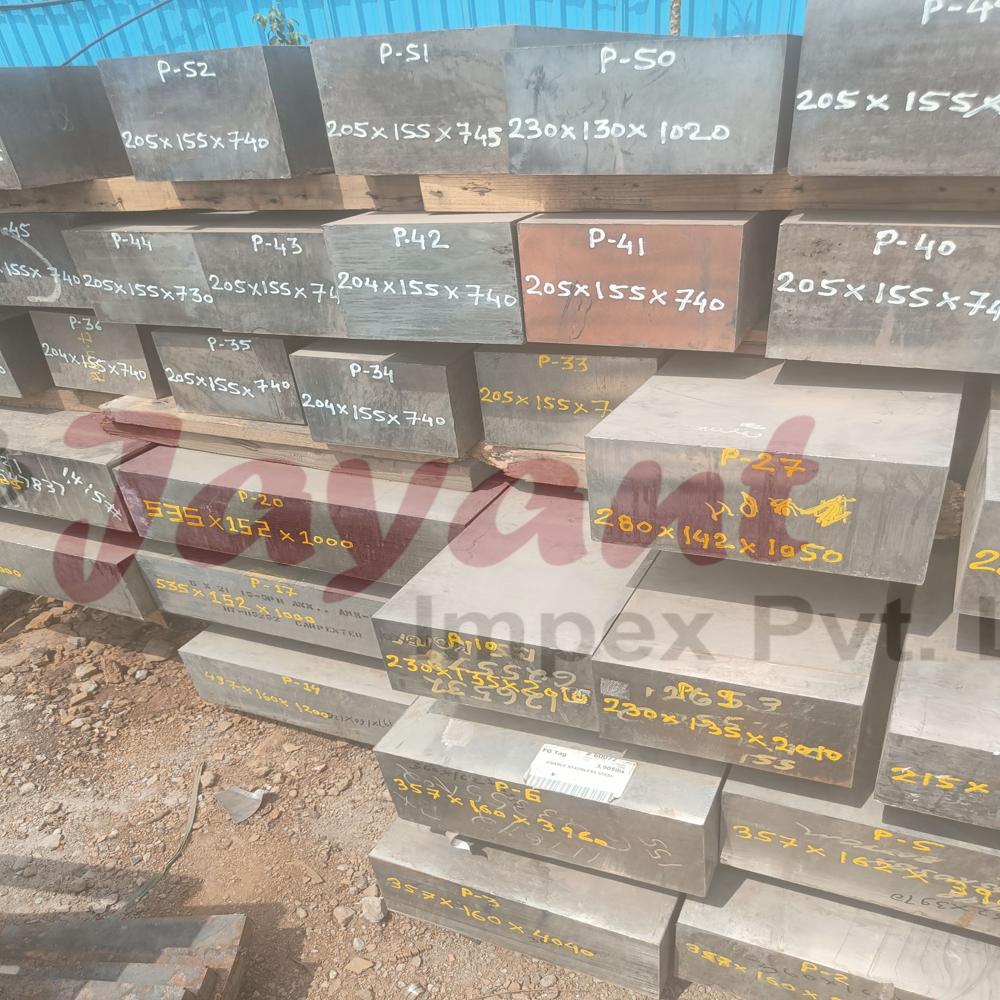
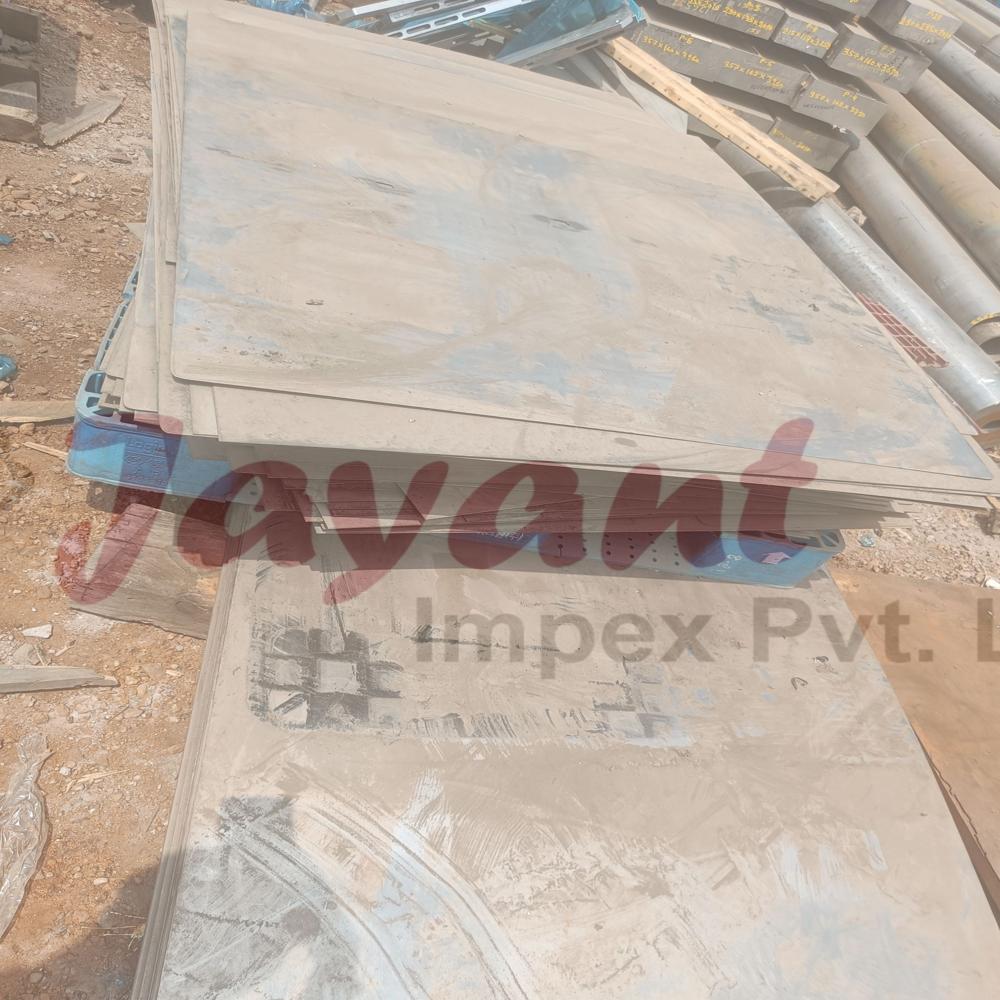
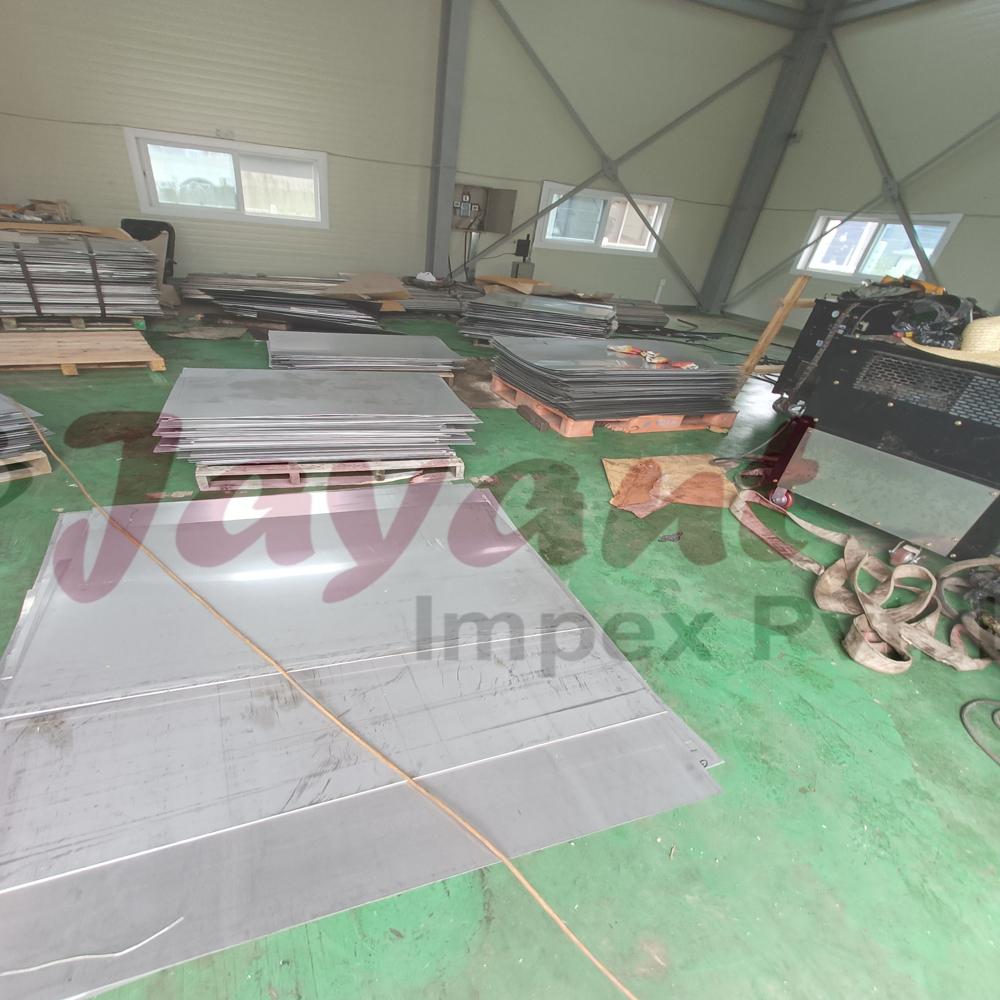
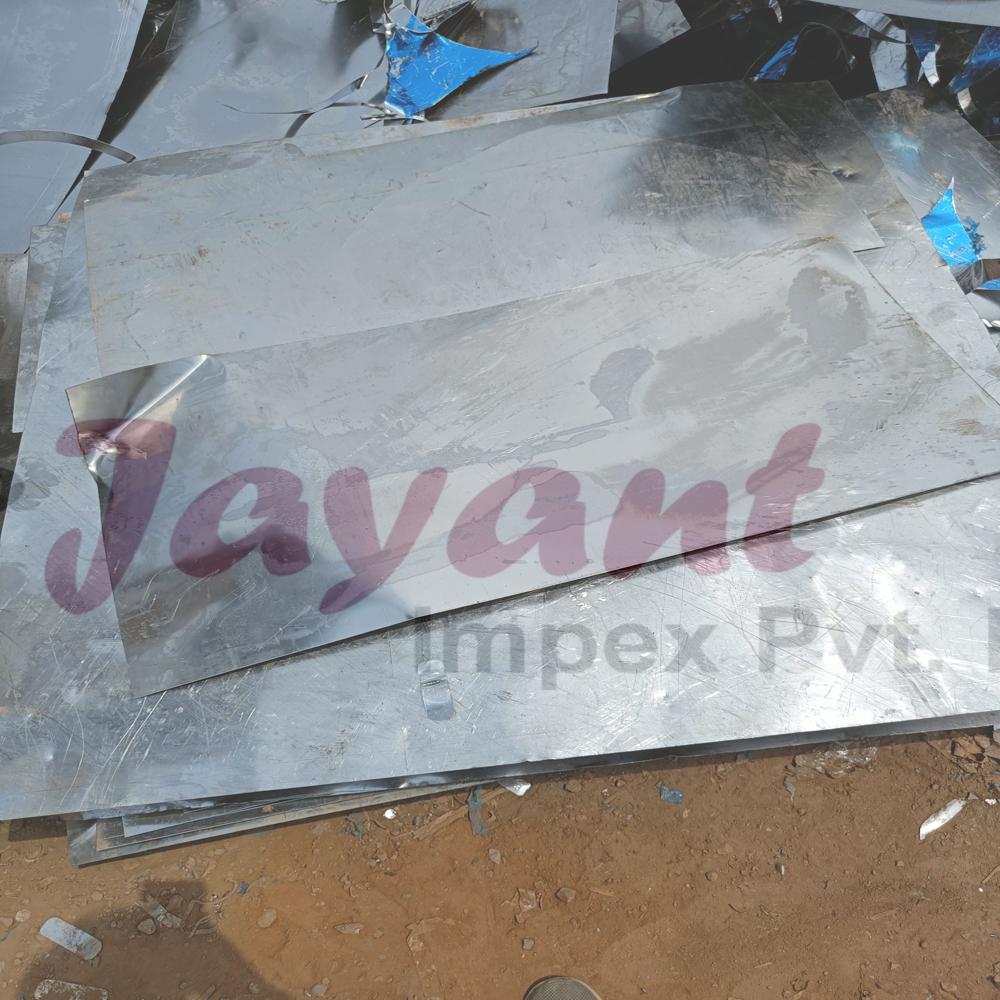
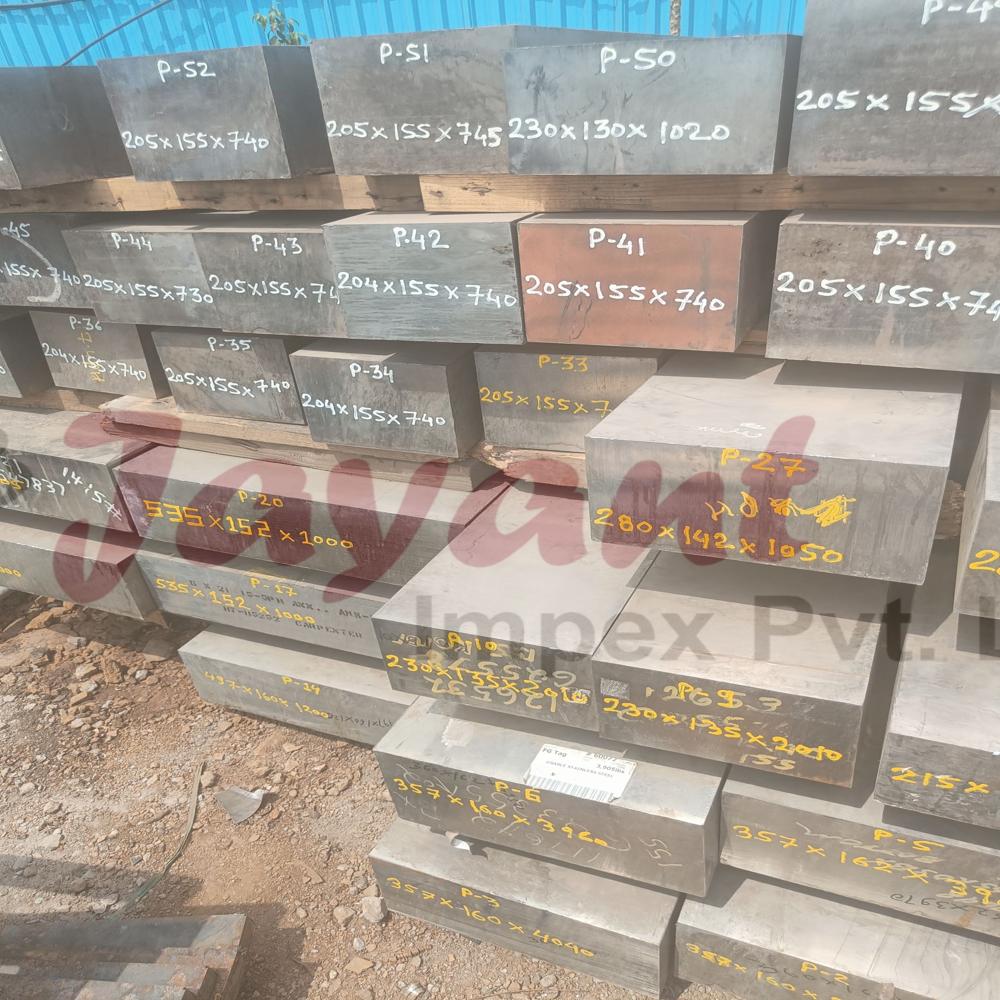
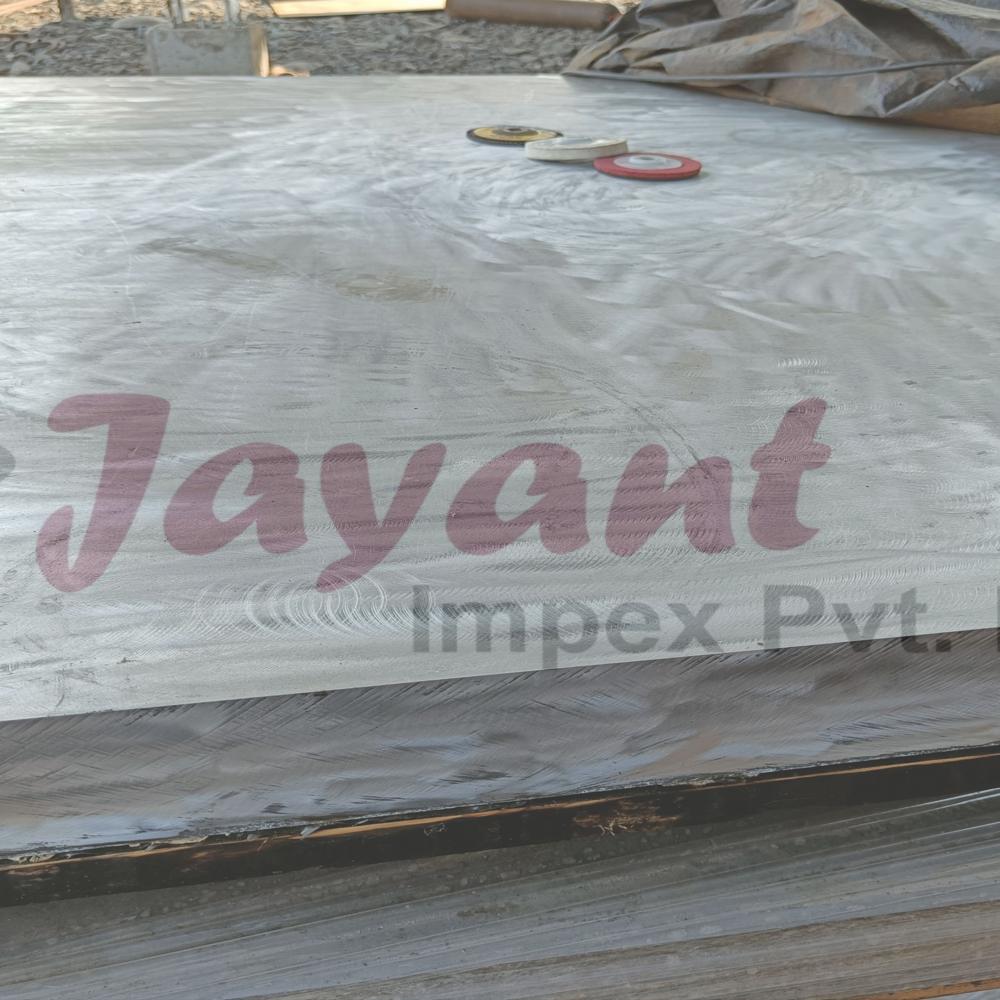
Aluminium ENAW-AlZn5.5MgCu Plates & Sheets (EU EN, DIN, WNR)
600.0 INR/Piece
Product Details:
- Material Composition % Zn 5.1-6.1%, Mg 2.1-2.9%, Cu 1.2-2.0%, Cr 0.18-0.28%, Rest Aluminium
- Heat Resistance Yes
- Size 1000x2000mm, 1220x2440mm, Custom sizes
- Product Form Plates & Sheets
- Tensile Strength Ultimate: 510-560 MPa, Yield: 430-480 MPa
- Coating Type Anodized or as specified
- Corrosion Resistant High with protective coating
- Click to view more
X
Aluminium ENAW-AlZn5.5MgCu Plates & Sheets (EU EN, DIN, WNR) Price And Quantity
- 600.0 INR/Piece
- 1000 Piece
Aluminium ENAW-AlZn5.5MgCu Plates & Sheets (EU EN, DIN, WNR) Product Specifications
- 1000x2000mm, 1220x2440mm, Custom sizes
- Aerospace, Automotive, Structural Components, Shipbuilding, General Engineering
- Aluminium ENAW-AlZn5.5MgCu Plates & Sheets
- Plate & Sheet
- Plates & Sheets
- Ultimate: 510-560 MPa, Yield: 430-480 MPa
- ENAW-AlZn5.5MgCu
- Varies as per dimension and thickness
- Zn 5.1-6.1%, Mg 2.1-2.9%, Cu 1.2-2.0%, Cr 0.18-0.28%, Rest Aluminium
- Aluminium Alloy
- Mill Finish / Anodized
- ENAW-AlZn5.5MgCu (Equivalent to 7075)
- Mill Finish, Smooth, Bright
- Yes
- Metallic Silver
- High strength structural applications
- High with protective coating
- Brinell 150-160 HB
- N/A (Applicable for round shapes only)
- Yes, 100%
- Anodized or as specified
- AlZn5.5MgCu
- 0.5mm - 200mm
- Customized / As per requirement
- EU EN, DIN, WNR (Werkstoffnummer)
- Rectangular, Square, Custom shapes available
- 7-11% (depends on temper)
- T6, T651, O, T73, T7651
- Excellent
- 71 GPa
- Limited, best avoided where highest strength required
- 2.81 g/cm3
- Fair, best in annealed condition
- 36% IACS
- 130-160 W/mK
- Standard Export Sea Worthy Packing
- As per EN 485/ASTM B209
- 7-30 days depending on quantity and size
Product Description
The designation EN AW-AlZn5.5MgCu is the technical chemical name under the European (EN) and International (ISO) systems for the ultra-high-strength alloy commonly known as 7075.
This material represents the pinnacle of aluminum engineering for aerospace and defense, offering a strength-to-density ratio that competes directly with many high-grade steels.
1. Regulatory & Technical Designations
Depending on the region or specific industry (e.g., German automotive vs. European aerospace), you will encounter this material under different names:
| System | Designation |
| EN / ISO | EN AW-AlZn5.5MgCu |
| Numeric EN | EN AW-7075 |
| Werkstoff Nr. (WNR) | 3.4365 |
| DIN (Old German) | AlZnMgCu1.5 |
| UNS (USA) | A97075 |
| Aeronautical (DE) | LN 9073 |
2. Chemical Composition (EN 573-3)
The name AlZn5.5MgCu explicitly identifies the primary alloying elements that create its massive strength through precipitation hardening:
-
Zinc (Zn) [5.10 6.10 The primary alloying element, responsible for high strength.
-
Magnesium (Mg) [2.10 2.90 Works with Zinc to form $MgZn_2$ precipitates.
-
Copper (Cu) [1.20 2.00 Increases strength and hardness, though it lowers weldability.
-
Chromium (Cr) [0.18 0.28 Helps control grain structure and improves stress corrosion resistance.
3. Standard Tempers for Plates & Sheets
In the EU market, plates and sheets are almost exclusively supplied in these conditions:
-
T6: Solution heat-treated and artificially aged. This is the "Peak Strength" condition.
-
T651: The most common state for Plates. After quenching, the plate is stretched by a controlled amount ($1.5% text{ to } 3%$) to relieve internal stresses. This ensures the material remains flat and stable during heavy machining.
-
T73 / T7351: Over-aged condition. It reduces maximum strength by about 10-15% but significantly improves resistance to Stress Corrosion Cracking (SCC).
4. Mechanical Properties (EN 485-2)
Typical values for EN AW-AlZn5.5MgCu-T651 plates (thickness 12.5mm 25mm):
| Property | Value |
| Tensile Strength ($R_m$) | 540 MPa (min) |
| Yield Strength ($R_{p0.2}$) | 460 MPa (min) |
| Elongation ($A_{50mm}$) | 7% |
| Brinell Hardness | 150 HBW |
| Density | 2.81 g/cm3 |
5. Fabrication & Application Guidance
Machining & Stability
This alloy is highly favored by CNC machine shops. It produces excellent surface finishes and predictable chip control. When using WNR 3.4365 blocks or plates, the T651 temper is essential if you are milling deep pockets or asymmetrical shapes, as it prevents the "spring-back" effect.
Corrosion & Protection
Because of its high alloy content, 7075 is prone to atmospheric corrosion.
-
Sheets: Often supplied as Alclad, where the 7075 core is covered with a thin layer of 1050 or 7072 aluminum.
-
Plates: Usually require Anodizing (Hard, Sulfuric, or Chromic) or high-quality epoxy primers for long-term durability.
Joining
-
Welding: Generally considered non-weldable for structural purposes.
-
Fastening: Mechanical joining (bolts/rivets) or structural adhesives are the standard assembly methods.
Summary Comparison: 2014A vs. 7075
| Feature | EN AW-2014A | EN AW-7075 |
| Main Element | Copper (Cu) | Zinc (Zn) |
| Strength | Very High | Highest |
| Fatigue Life | Excellent | Very Good (but notch sensitive) |
| Best For | Aircraft Fittings |
Exceptional Mechanical & Physical Properties
Aluminium ENAW-AlZn5.5MgCu offers a unique balance of high strength, moderate ductility, and good thermal/electrical conductivity, making it suitable for applications where performance and reliability are essential. It maintains consistent properties across a wide range of thicknesses and tempers, ensuring versatility and adaptability in various industries.
Versatile Applications & Customization
These plates and sheets are commonly applied in aerospace, automotive, shipbuilding, and general engineering sectors. Customization options include a wide selection of sizes, shapes (rectangular, square, custom), and finishes (mill or anodized), allowing clients to specify precise requirements for tailored solutions.
Quality Standards & Reliable Supply
Each product adheres to recognized European and international standards (EN, DIN, WNR), guaranteeing material traceability and quality. Sourced from leading manufacturers, these plates & sheets feature consistent chemical composition and mechanical performance, with timely delivery (7-30 days) based on order size and specifications.
FAQ's of Aluminium ENAW-AlZn5.5MgCu Plates & Sheets (EU EN, DIN, WNR):
Q: How is Aluminium ENAW-AlZn5.5MgCu processed and finished for shipment?
A: Aluminium ENAW-AlZn5.5MgCu plates & sheets are fabricated according to EU EN, DIN, and WNR standards with precise flatness tolerance as per EN 485/ASTM B209. They can be supplied in mill finish or anodized finish, and are packed in standard export seaworthy packing to ensure protection during transit.Q: What are the typical applications of ENAW-AlZn5.5MgCu plates & sheets?
A: These aluminium plates and sheets are primarily used in aerospace, automotive, shipbuilding, and high-strength structural components. Their combination of high strength, good machinability, and corrosion resistance with a protective coating makes them suitable for demanding engineering environments.Q: When should a particular temper (T6, T651, O, T73, T7651) be selected?
A: The choice of temper depends on required mechanical properties and application. For highest strength, T6 and T651 tempers are preferred; T73 and T7651 offer improved stress corrosion resistance. The 'O' temper is best for situations requiring enhanced formability. Please consult with your supplier for application-specific recommendations.Q: Where can custom dimensions and shapes of these plates be ordered?
A: Custom sizes and shapes (rectangular, square, or bespoke) can be ordered directly from reputable manufacturers, producers, or authorized dealers, exporters, and suppliers in India. Options are available beyond standard sizes, ensuring project-specific requirements are met.Q: What is the benefit of using this alloy in structural applications?
A: The key benefits include high tensile and yield strength, excellent machinability, and high corrosion and heat resistance (up to 120C). These features make it an optimal choice for weight-sensitive high-strength applications, such as in aerospace and transportation industries.Q: How recyclable is ENAW-AlZn5.5MgCu aluminium plate & sheet?
A: This alloy is fully recyclable (100%), retaining almost all its mechanical properties after recycling, making it an environmentally sustainable choice for various industries.Tell us about your requirement

Price:
Quantity
Select Unit
- 50
- 100
- 200
- 250
- 500
- 1000+
Additional detail
Mobile number
Email

Other Products in 'Steel Sheets And Plate' category

JAYANT IMPEX
GST : 27AAQFJ5764L1ZJ
GST : 27AAQFJ5764L1ZJ

- 6th, 605, Majestic Shopping Center, Jagannath Shankarseth Road, Girgaon,Mumbai - 400004, Maharashtra, India
- Phone : 08045800544

- Mr Shrenik Prakash Mehta (Director)
- Mobile : 08045800544
-
jayantimpex12@gmail.com


-
Share to



 Send Inquiry
 Send SMS
 Call Me Free
JAYANT IMPEX PVT. LTD. All Rights Reserved.(Terms of Use)
Developed and Managed by Infocom Network Private Limited. Terms of use | Returns Policy Member
Developed and Managed by Infocom Network Private Limited. Terms of use | Returns Policy Member
