 English
 Spanish
 French
 German
 Italian
 Chinese (Simplified)
 Japanese
 Korean
 Arabic
 Portuguese
 Call Us : 08045800544
 Call Us : 08045800544
 Get a Quote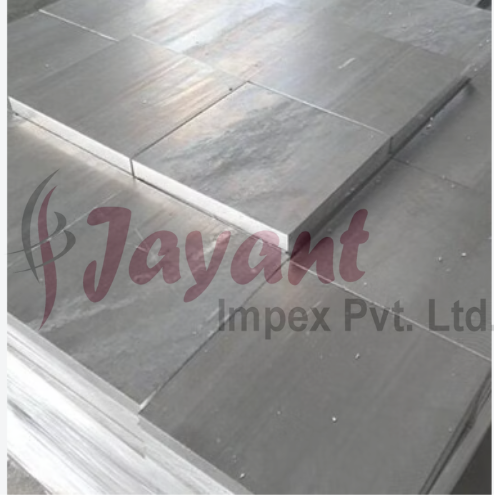
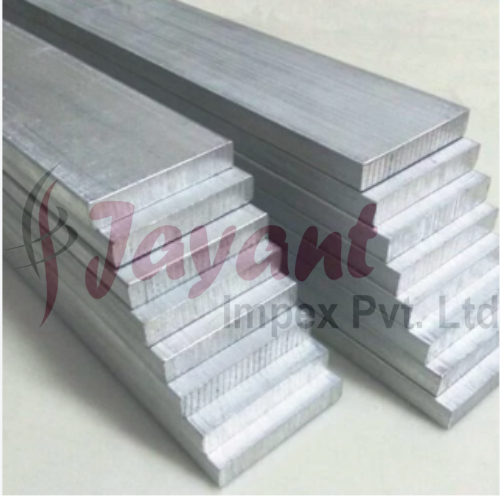
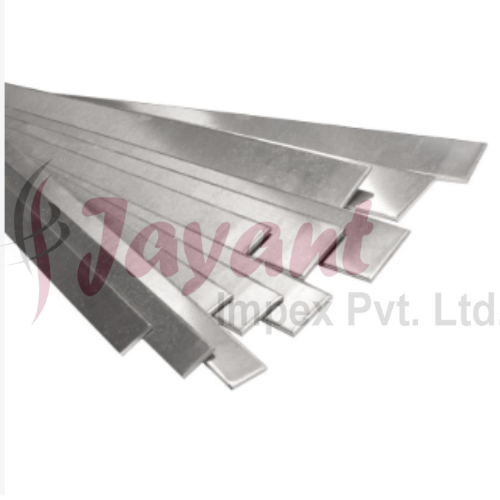
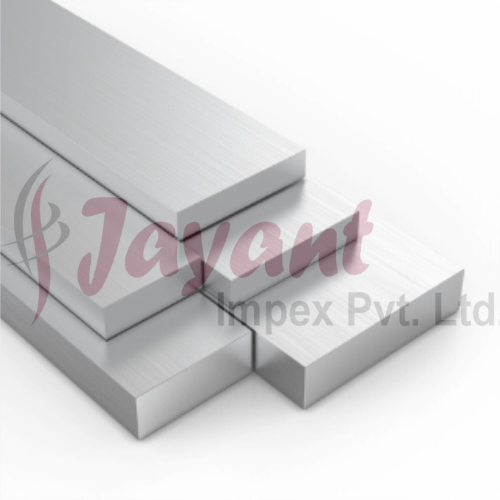
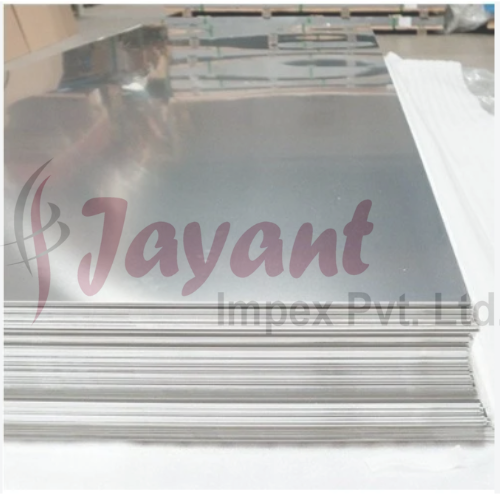
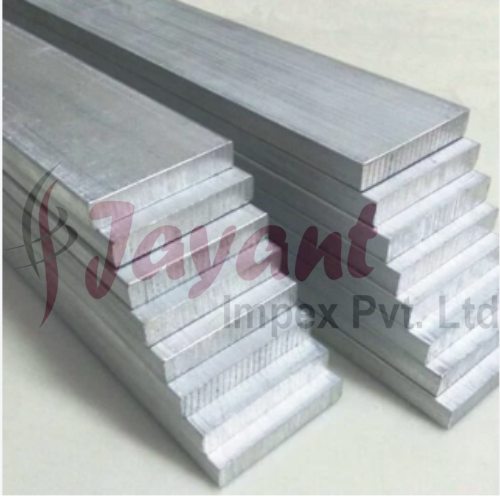
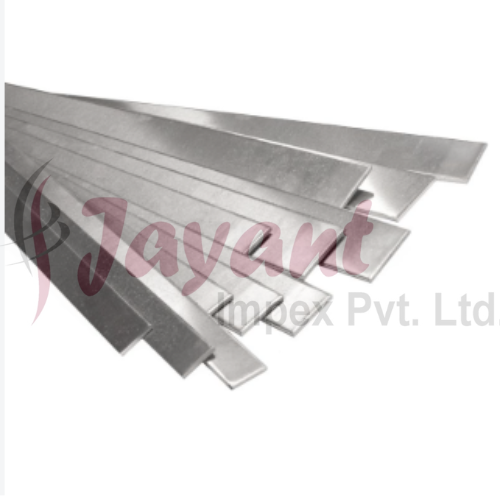
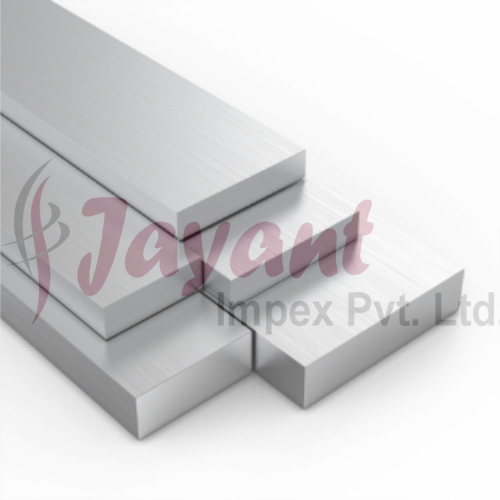
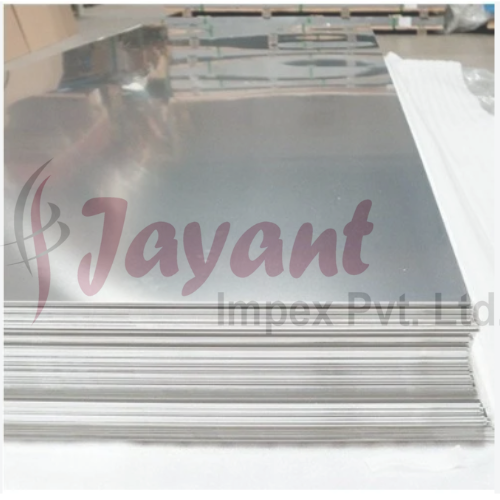
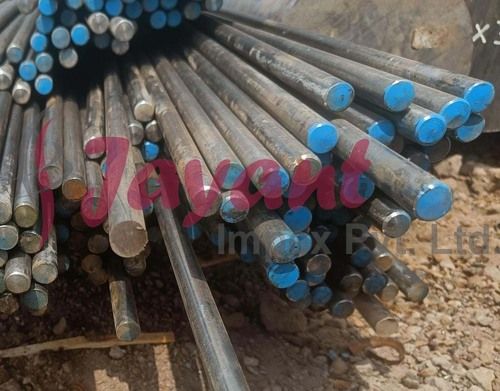
Aluminium ENAW-AlCu6BiPb(A) Bar & Rod(EU EN, DIN, WNR)
415.0 INR/Piece
Product Details:
- Tolerance h9, h11 or as specified
- Technique Extruded / Drawn
- Grade ENAW-AlCu6BiPb(A) / 2007
- Standard EU EN, DIN, WNR
- Application Aerospace, engineering, mechanical components, precision parts
- Processing Cold worked, optionally heat treated
- Material Aluminium ENAW-AlCu6BiPb(A)
- Click to view more
X
Aluminium ENAW-AlCu6BiPb(A) Bar & Rod(EU EN, DIN, WNR) Price And Quantity
- 10 Piece
- 415.0 INR/Piece
Aluminium ENAW-AlCu6BiPb(A) Bar & Rod(EU EN, DIN, WNR) Product Specifications
- Aluminium ENAW-AlCu6BiPb(A)
- Mill finish
- Extruded / Drawn
- h9, h11 or as specified
- 4 mm to 200 mm, as required
- ENAW-AlCu6BiPb(A) / 2007
- Cold worked, optionally heat treated
- Aerospace, engineering, mechanical components, precision parts
- Bar & Rod
- Machining and high-precision engineering applications
- Customizable, typically up to 6000 mm
- EU EN, DIN, WNR
- 2.83 g/cm3
- Available on request (anodizing or special coatings)
- 350 - 440 MPa
- 24 - 28 % IACS
- 105 - 130 HB
- T4, T6, or as agreed
- Excellent (due to Bi and Pb content)
- 8 - 12% (depending on temper)
- 270 - 380 MPa
- Moderate
- Limited - not recommended
- Round, square, hexagonal (upon request)
Aluminium ENAW-AlCu6BiPb(A) Bar & Rod(EU EN, DIN, WNR) Trade Information
- 5-10 Days
Product Description
The material designation EN AW-AlCu6BiPb(A) (often written as EN AW-2011 or 2011A) bridges older German national standards (DIN) and current European harmonized standards (EN). It represents the definitive "free-cutting" or "free-machining" aluminum alloy, engineered explicitly for high-yield automatic lathe production and high-speed CNC machining.
Standard & System Cross-Reference
When specifying this material across global supply chains or reading legacy engineering drawings, the standard designations map as follows:
-
European Numerical Standard (EN): EN AW-2011 or EN AW-2011A (per EN 573-3)
-
European Chemical Standard (EN): EN AW-AlCu6BiPb(A)
-
German Standard (DIN): AlCuBiPb or AlCu6BiPb
-
German Material Number (WNr.): 3.1655
-
US Standard (AA/AISI): 2011
Chemical Profile and the Role of Chip Breakers
The alloying matrix relies heavily on copper for base precipitation strengthening, combined with controlled additions of Bismuth (Bi) and Lead (Pb). These low-melting-point metallic inclusions remain elemental and un-dissolved within the aluminum matrix. During machining, the localized heat generates microscopic zones of weakness, causing the chips to fracture instantly into small, manageable curls rather than long, dangerous ribbons.
| Element | Minimum (%) | Maximum (%) |
| Copper (Cu) | 5.00 | 6.00 |
| Lead (Pb) | 0.20 | 0.60 |
| Bismuth (Bi) | 0.20 | 0.60 |
| Iron (Fe) | 0.70 | |
| Silicon (Si) | 0.40 | |
| Zinc (Zn) | 0.30 | |
| Aluminum (Al) | Balance | Balance |
Compliance Note: Because EN AW-2011 contains up to 0.60% lead, it faces strict scrutiny under environmental directives like EU RoHS and REACH. While specific exemptions have historically permitted its use in machining alloys, engineering departments frequently transition new designs to compliant, lead-free alternative alloys such as EN AW-2030 or EN AW-6026.
Mechanical Standards and Properties (EN 755-2)
Bars and rods are most frequently produced via extrusion (EN 755) or cold drawing (EN 754). Cold drawing yields tighter dimensional tolerances and slightly elevated tensile baselines.
The material is commonly ordered in either T3 (solution heat-treated, cold-controlled, and naturally aged) or T8 (solution heat-treated, cold-controlled, and artificially aged) states.
Typical Mechanical Ranges ($le$ 50mm / 2" Diameter)
| Property | T3 Temper | T8 Temper |
| Tensile Strength ($R_m$) | $ge$ 320 MPa (46.4 ksi) | $ge$ 370 MPa (53.6 ksi) |
| Yield Strength ($R_{p0.2}$) | $ge$ 270 MPa (39.1 ksi) | $ge$ 270 MPa (39.1 ksi) |
| Elongation ($A_{50mm}$) | $ge$ 10% min | $ge$ 6% min |
| Brinell Hardness (HBW) | ~95 HBW | ~115 HBW |
Application and Fabricability Guidelines
-
Machinability Index: 100% (Excellent). It sets the benchmark for aluminum machining. It permits maximum spindle speeds, reduced cutting fluid dependency, and leaves an exceptional as-machined surface finish.
-
Joinability: Poor. The inclusion of low-melting-point free-machining elements creates extreme hot-shortness during fusion welding, resulting in extensive micro-cracking. Friction welding or mechanical joining are the only viable routes.
-
Corrosion Resistance: Low. Like most 2000-series copper alloys, it lacks the passive resistance of 5000 or 6000-series profiles. It is prone to atmospheric pitting and should be anodized or coated if deployed in aggressive environments.
Superior Machinability for Precision Engineering
The Aluminium ENAW-AlCu6BiPb(A) Bar & Rod stands out for its excellent machinability, making it a top choice for high-precision components. Thanks to its Bi and Pb content, the alloy allows for efficient, accurate machining, ideal for the aerospace and high-performance engineering industries. Available in bespoke lengths and shapes, it adapts to diverse project specifications.
Versatile Temper and Strength Options
Available in temper T4, T6, or as per mutual agreement, these bars and rods exhibit ultimate tensile strengths between 350 and 440 MPa and yield strengths from 270 to 380 MPa. This versatility ensures the right mechanical properties for a wide range of demanding applications.
Customizable Dimensions and Finishing
With diameters ranging from 4 mm to 200 mm and lengths up to 6000 mm, you can receive bars and rods suited exactly to your project's requirements. Choose from mill finish, anodizing, or special coatings for added surface protection, all processed with h9 or h11 tolerances for precise fitting.
FAQ's of Aluminium ENAW-AlCu6BiPb(A) Bar & Rod(EU EN, DIN, WNR):
Q: How is Aluminium ENAW-AlCu6BiPb(A) Bar & Rod typically used in engineering applications?
A: This alloy is primarily used in applications requiring high-precision machining, such as aerospace parts, mechanical components, and precision fittings. Its excellent machinability and strength make it especially suitable for producing intricate engineering parts and components.Q: What benefits does the Bi and Pb content offer in this aluminium alloy?
A: Bismuth and lead improve the machinability of ENAW-AlCu6BiPb(A), allowing for smoother, faster machining with less tool wear. This is a significant advantage for manufacturers requiring tight tolerances and high-quality finishes.Q: When is it advisable to choose T4 or T6 temper for this product?
A: The choice between T4 and T6 temper depends on your finished part's required mechanical properties. T4 offers moderate strength and greater ductility, while T6 maximizes hardness and tensile strength, better suiting applications that demand enhanced durability and wear resistance.Q: What shapes and sizes are available for Aluminium ENAW-AlCu6BiPb(A) Bars & Rods?
A: These products are supplied in round, square, and hexagonal shapes, with diameters from 4 mm to 200 mm and lengths up to 6000 mm or as per customer requirements. Custom dimensions can be provided upon request.Q: How is surface protection applied to Aluminium ENAW-AlCu6BiPb(A) Bars & Rods?
A: Surface protection such as anodizing or special coatings can be provided upon request. These processes improve the corrosion resistance and durability of the product, making it suitable for more demanding environmental conditions.Q: Where are these aluminium bars and rods commonly exported or supplied from in India?
A: These products are widely exported and supplied throughout India by dealers, exporters, manufacturers, fabricators, producers, retailers, suppliers, and traders, ensuring broad availability for domestic and international clients.Tell us about your requirement

Price:
Quantity
Select Unit
- 50
- 100
- 200
- 250
- 500
- 1000+
Additional detail
Mobile number
Email

Other Products in 'Steel Bar' category

JAYANT IMPEX
GST : 27AAQFJ5764L1ZJ
GST : 27AAQFJ5764L1ZJ

- 6th, 605, Majestic Shopping Center, Jagannath Shankarseth Road, Girgaon,Mumbai - 400004, Maharashtra, India
- Phone : 08045800544

- Mr Shrenik Prakash Mehta (Director)
- Mobile : 08045800544
-
jayantimpex12@gmail.com


-
Share to



 Send Inquiry
 Send SMS
 Call Me Free
JAYANT IMPEX PVT. LTD. All Rights Reserved.(Terms of Use)
Developed and Managed by Infocom Network Private Limited. Terms of use | Returns Policy Member
Developed and Managed by Infocom Network Private Limited. Terms of use | Returns Policy Member
