 English
 Spanish
 French
 German
 Italian
 Chinese (Simplified)
 Japanese
 Korean
 Arabic
 Portuguese
 Call Us : 08045800544
 Call Us : 08045800544
 Get a Quote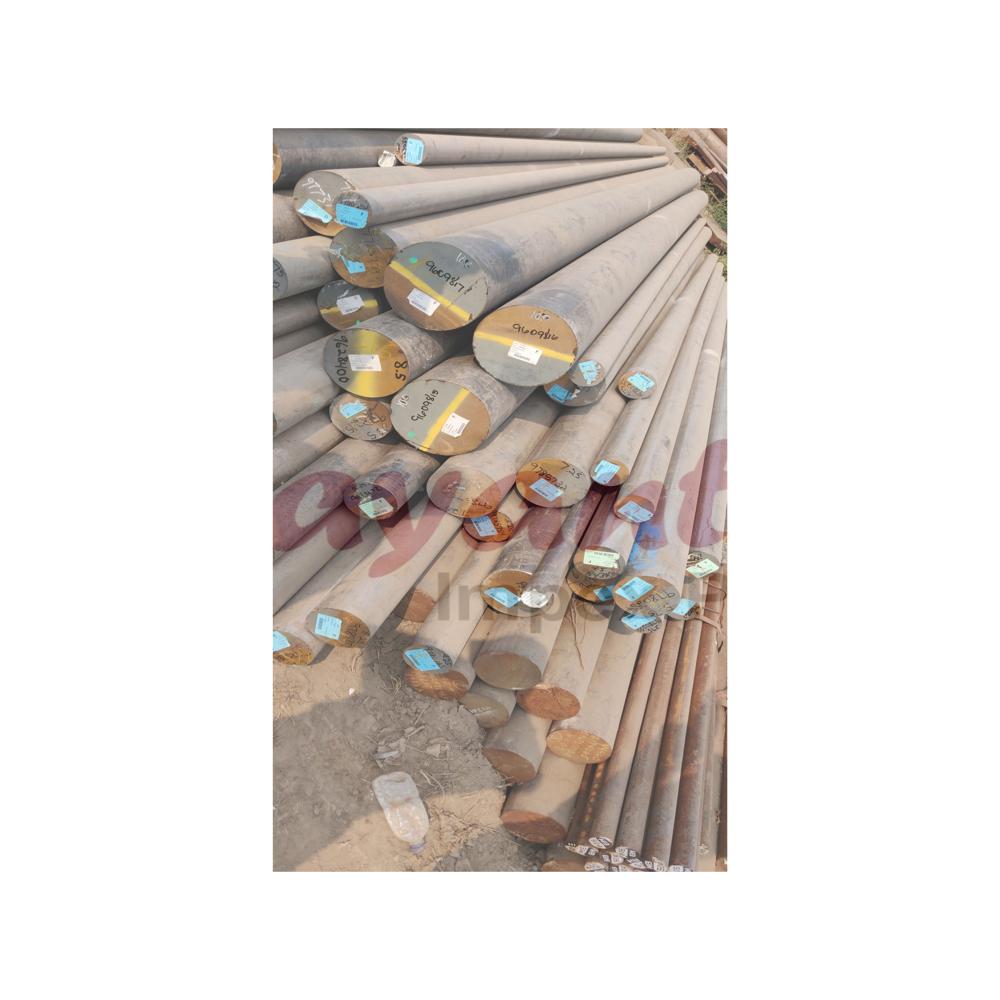
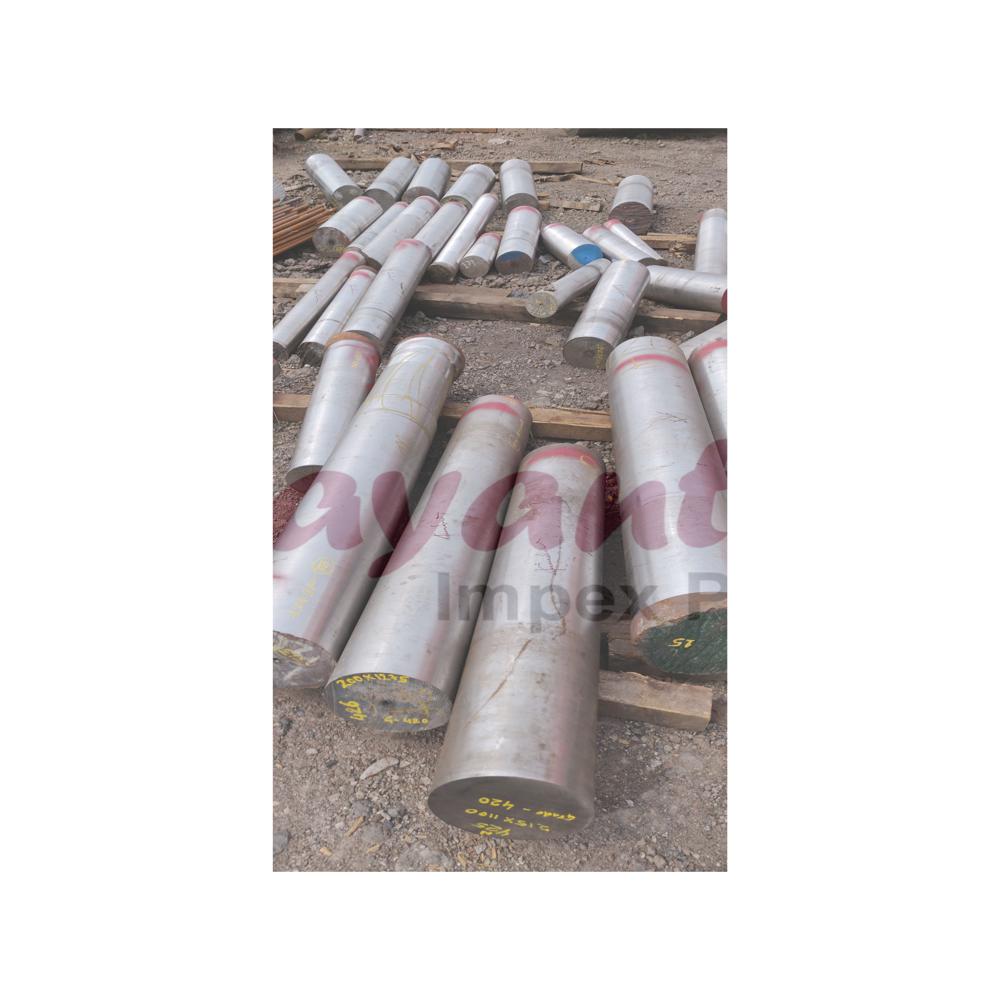
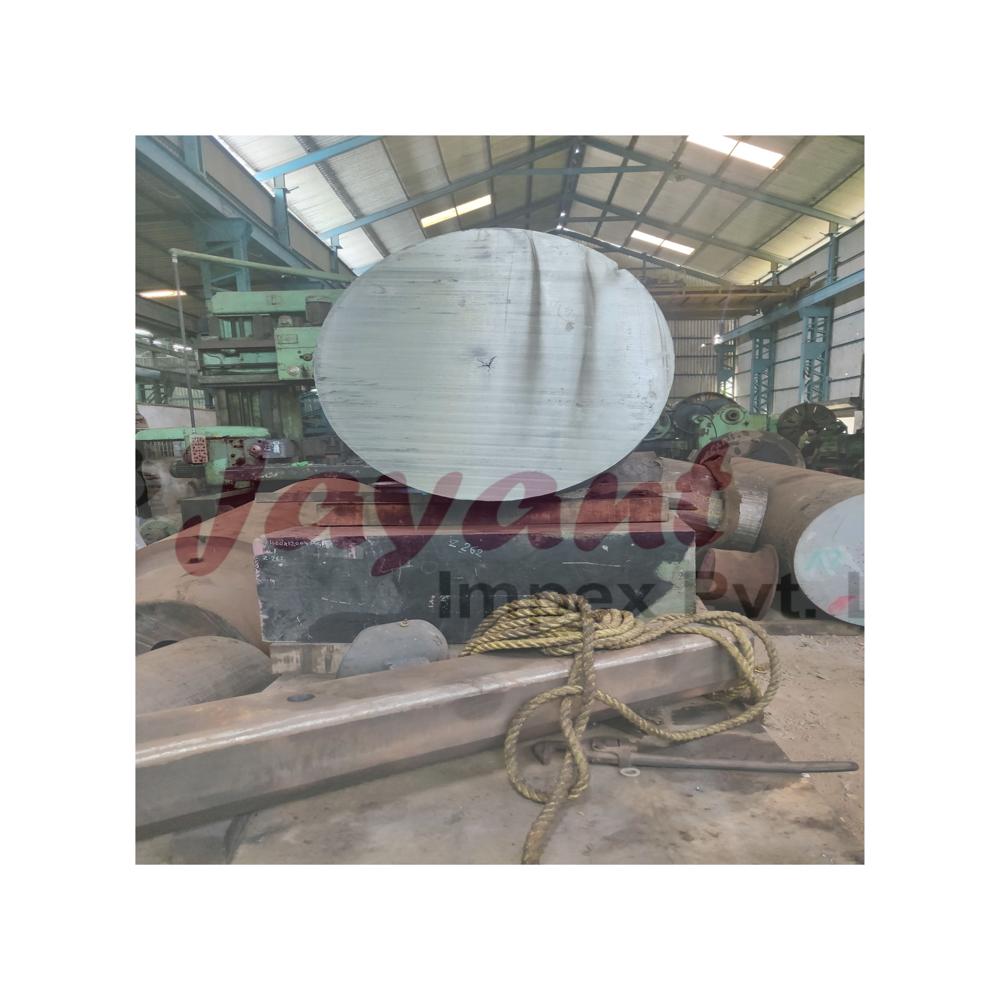
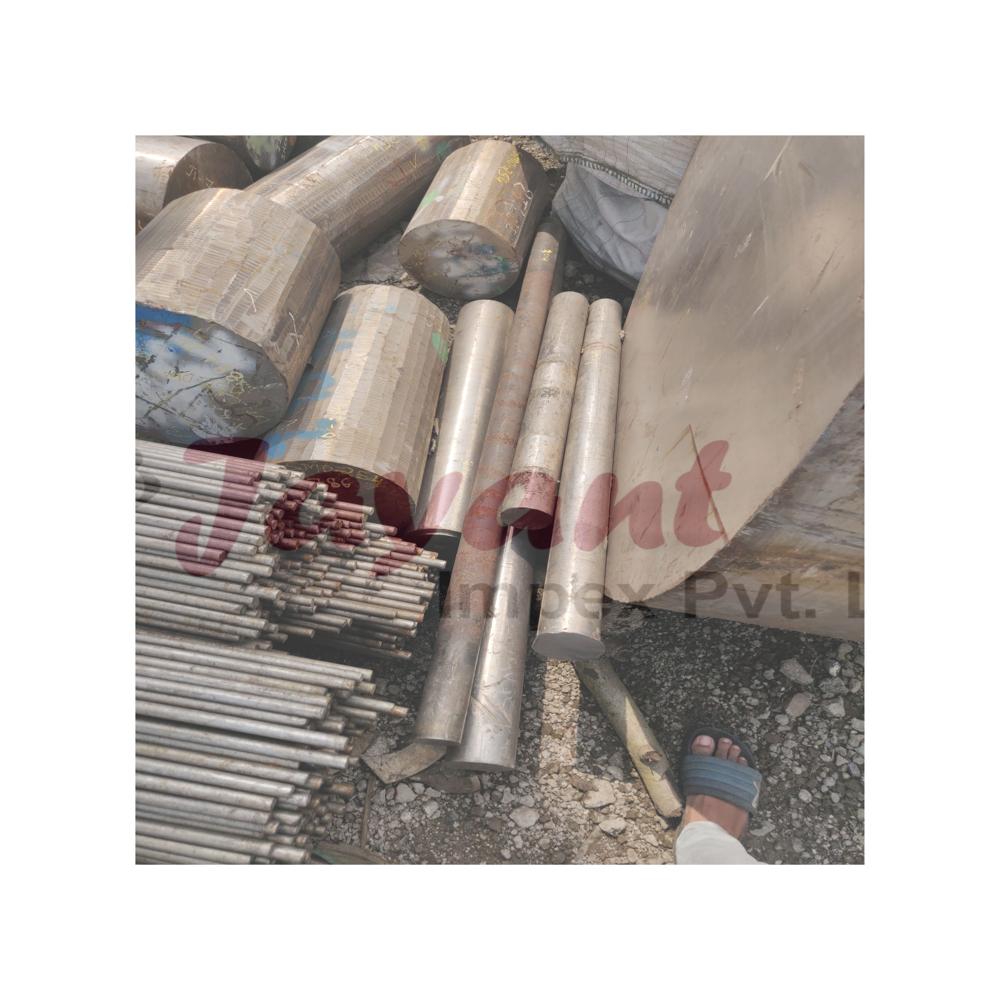
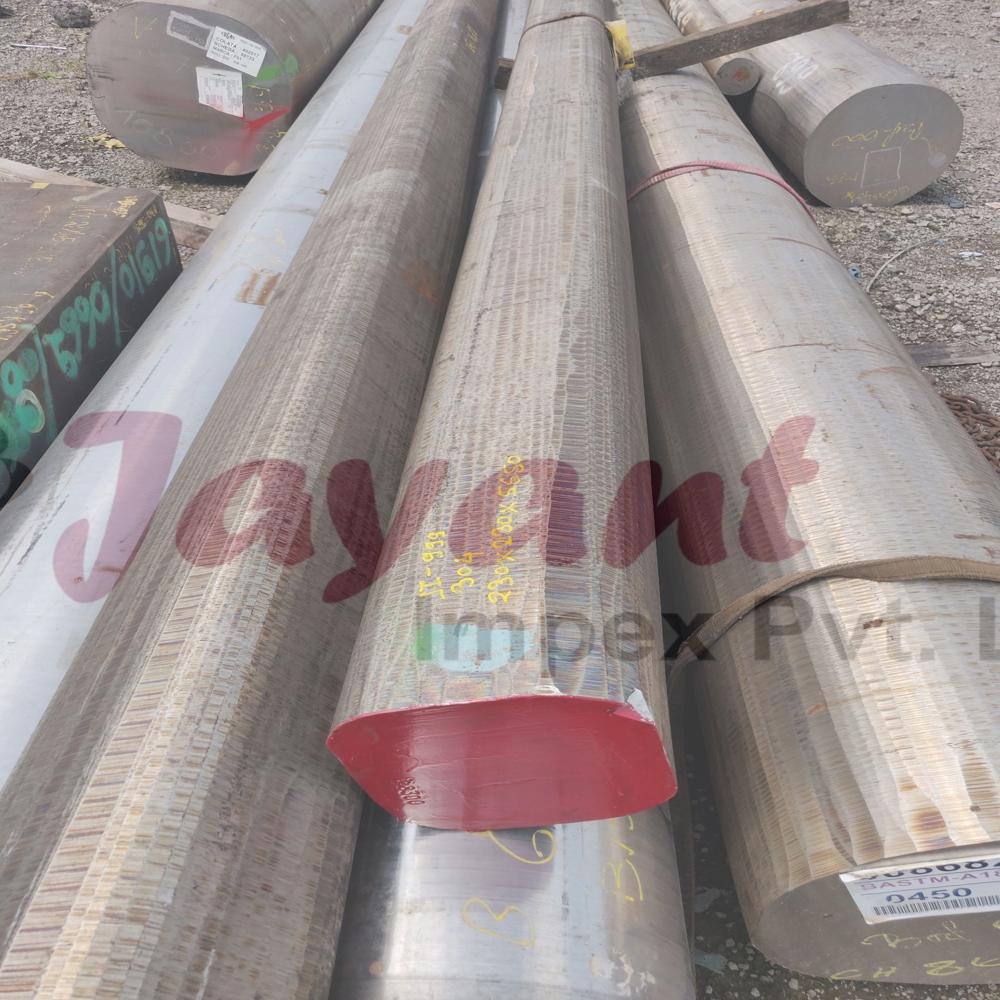
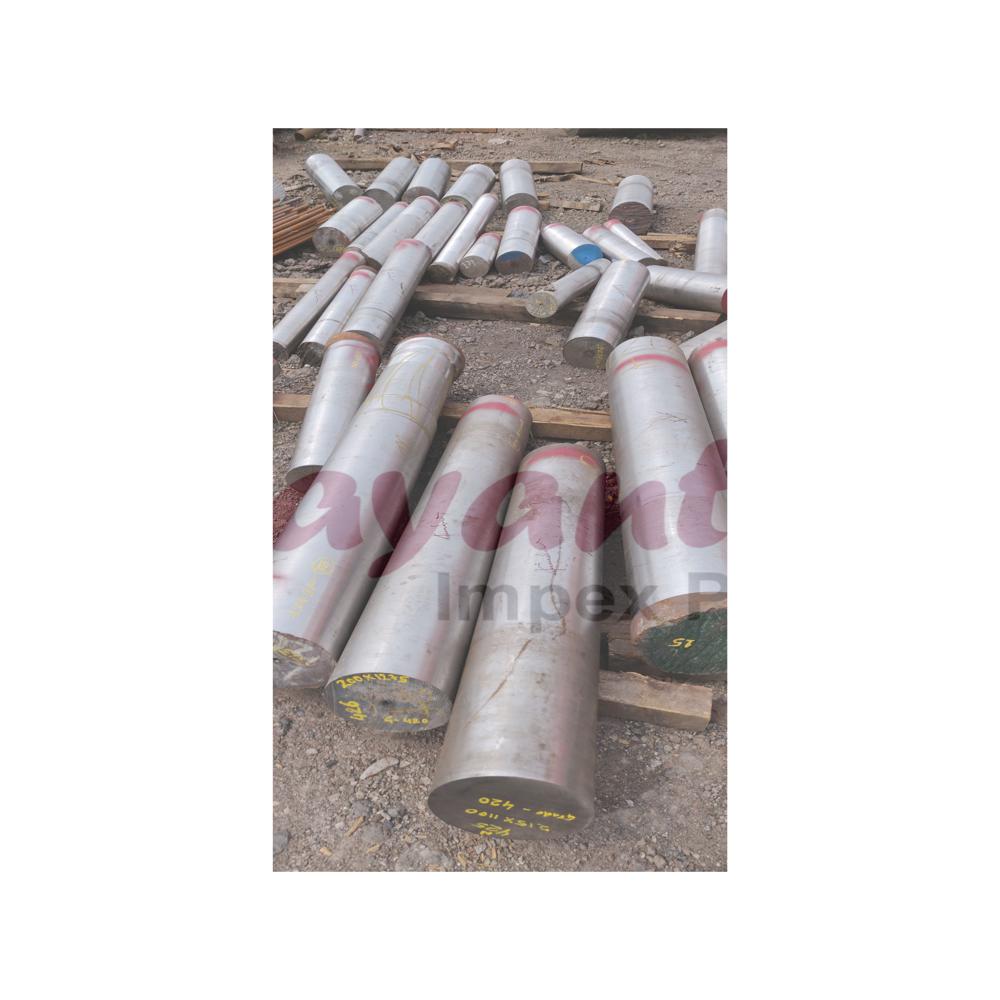
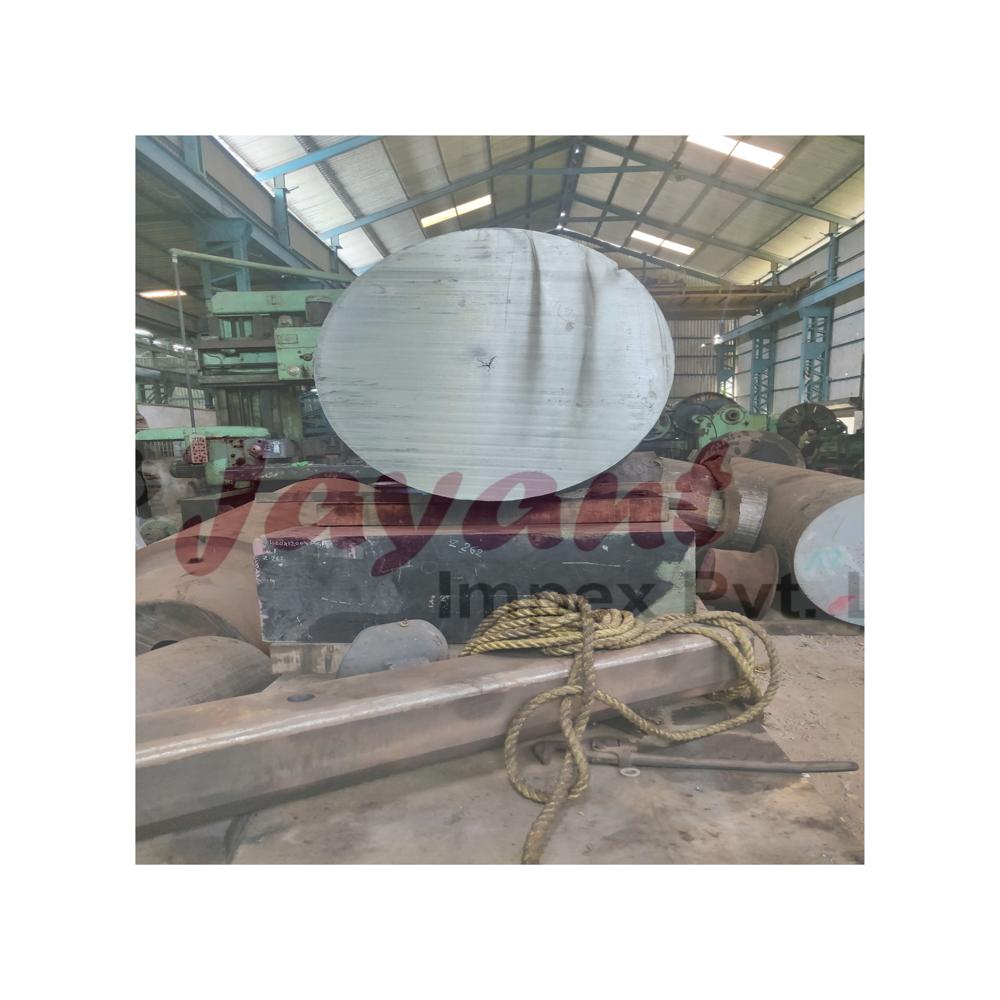
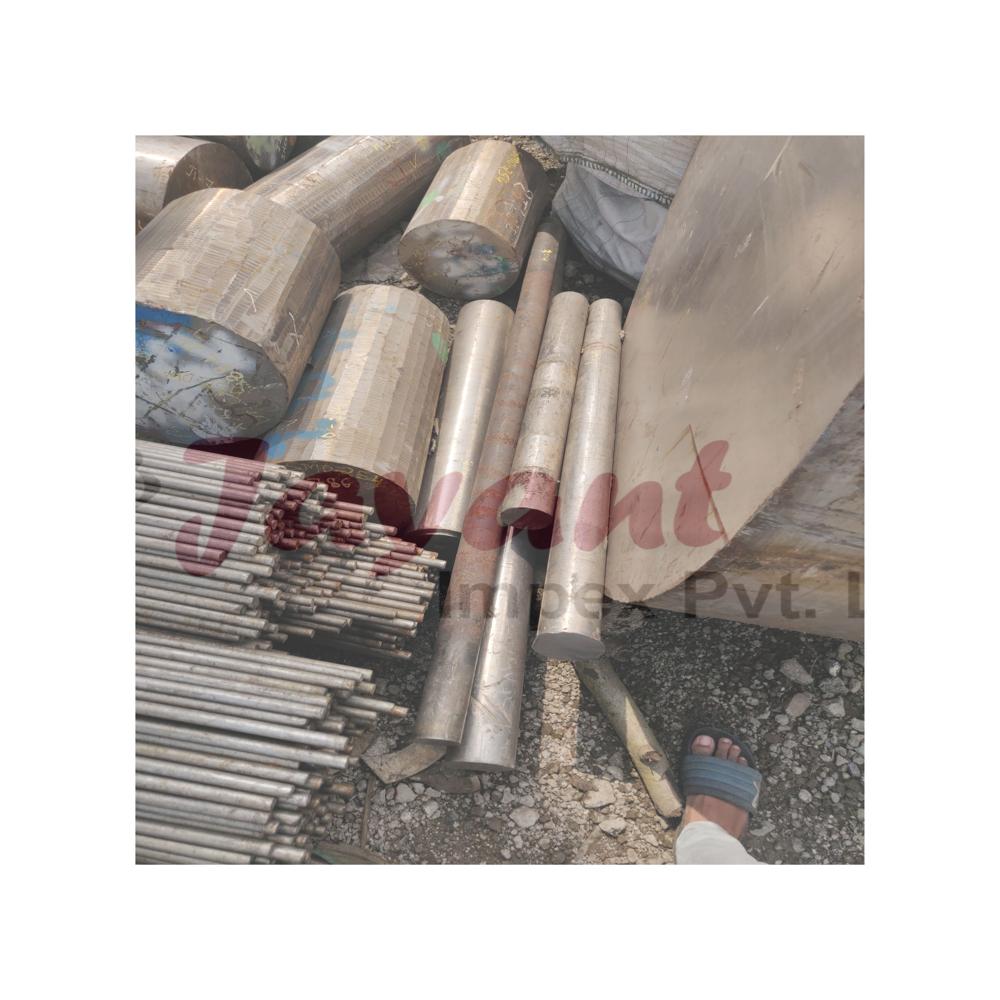
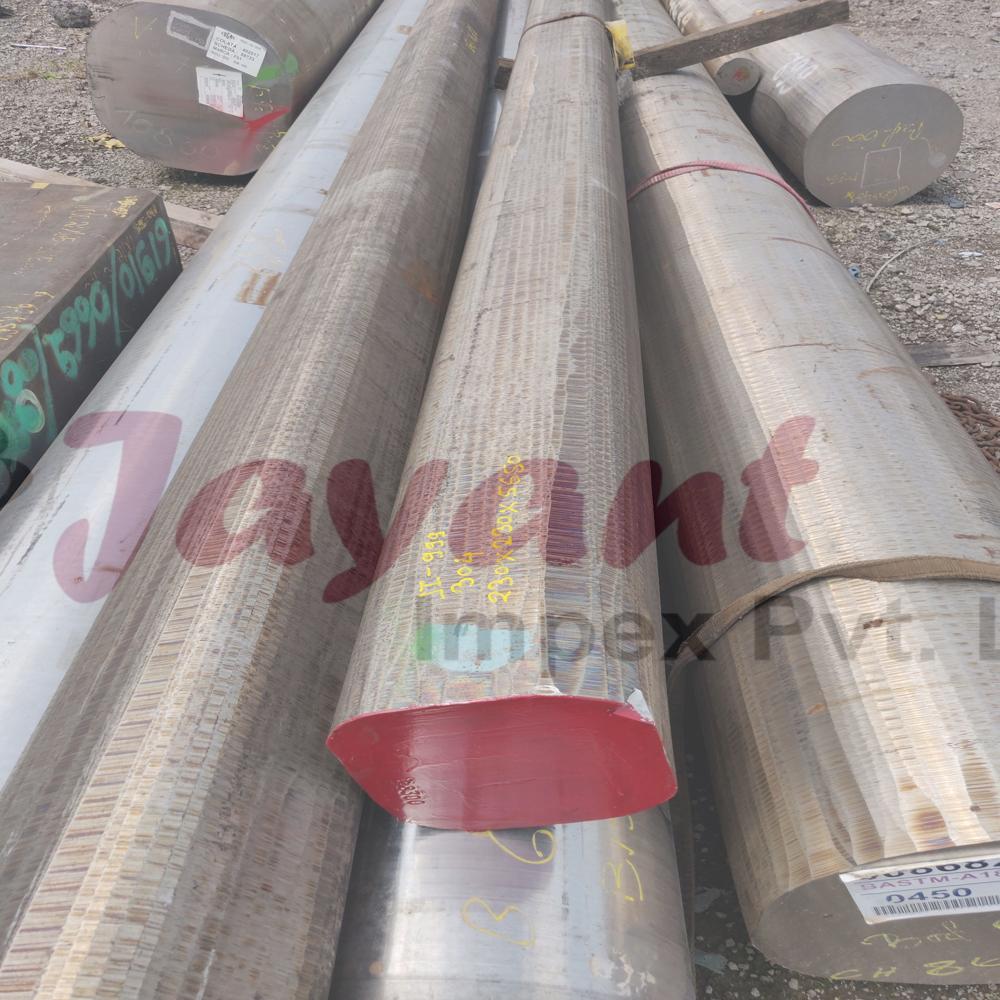
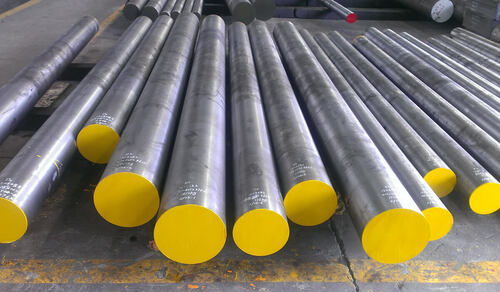
Alloy Steel 20mnv6 Round Bar / 20mnv6 Hydraulic Rods / 20mnv6 Shafting / 20mnv6 Rings
245.0 INR/Kilograms
Product Details:
- Application Hydraulic systems, machine components, automotive parts, shafts, rings, general engineering
- Specific Use Hydraulic Cylinders, Precision Shafting, Piston Rods
- Finish Smooth, Polished, Chrome Plated, Black
- Tolerance h8, h9, f7 or as per customer requirement
- Type Round Bar, Hydraulic Rod, Shafting, Rings
- Processing Heat Treated, Peeled, Ground, Polished
- Technique Hot Rolled, Cold Drawn, Peeled & Ground
- Click to view more
X
Alloy Steel 20mnv6 Round Bar / 20mnv6 Hydraulic Rods / 20mnv6 Shafting / 20mnv6 Rings Price And Quantity
- 245.0 INR/Kilograms
- 1000 Kilograms
Alloy Steel 20mnv6 Round Bar / 20mnv6 Hydraulic Rods / 20mnv6 Shafting / 20mnv6 Rings Product Specifications
- Alloy Steel 20MnV6
- Up to 6000mm or as required
- 20MnV6 (1.5217)
- 16mm to 300mm
- EN10277-4, EN10277-5, DIN 2393, EN 10083-3
- Round Bar, Hydraulic Rod, Shafting, Rings
- h8, h9, f7 or as per customer requirement
- Hot Rolled, Cold Drawn, Peeled & Ground
- Heat Treated, Peeled, Ground, Polished
- Hydraulic Cylinders, Precision Shafting, Piston Rods
- Hydraulic systems, machine components, automotive parts, shafts, rings, general engineering
- Smooth, Polished, Chrome Plated, Black
- Min. 27 J at -20C
- ISO h8/h9 possible
- min 400 MPa
- 160-240 HB
- min 16% in 5D
- 600 - 850 MPa
- Normalized, Stress Relieved, Quenched & Tempered (QT) if requested
- 0.5mm/1000mm
- Grade, Size, Heat Number, Manufacturer's Identification
- Ra 0.20 m (for rods, chrome-plated type)
Product Description
20MnV6 (Material Number 1.0605) is a high-strength, weldable carbon-manganese alloy steel micro-alloyed with Vanadium. It is primarily known as a "hydraulic grade" steel because it offers a superior strength-to-weight ratio compared to standard carbon steels like S355, while maintaining excellent machinability.
1. Technical Profile
The standout feature of 20MnV6 is the Vanadium ($V$) micro-alloying. This allows the steel to achieve high yield strength through grain refinement rather than high carbon content, which preserves its weldability.
-
Machinability: Excellent; it is often treated with calcium to improve chip formation, making it ideal for high-speed automated machining.
-
Weldability: Unlike many high-strength alloys, it does not generally require pre-heating or post-weld heat treatment (PWHT) for standard sections.
-
Surface Treatment: It is the preferred substrate for hard chrome plating, which is why it dominates the hydraulic market.
2. Chemical Composition
The balance of Manganese and Vanadium provides the mechanical "muscle" of the alloy.
| Element | Percentage (%) |
| Carbon (C) | 0.16 0.22 |
| Manganese (Mn) | 1.30 1.70 |
| Vanadium (V) | 0.08 0.20 |
| Silicon (Si) | 0.10 0.50 |
| Phosphorus/Sulfur | max 0.035 |
3. Mechanical Properties
Properties are typically optimized for the "As Rolled" or "Normalized" condition:
-
Tensile Strength ($R_m$): $550 750 text{ MPa}$
-
Yield Strength ($R_{e}$): $450 text{ MPa}$ (Minimum for smaller diameters)
-
Elongation ($A$): $17% 19%$
-
Hardness: $approx 180 220 text{ HB}$
4. Key Applications
Because 20MnV6 is easy to weld and plate, it is found in almost every heavy-machinery sector:
-
Hydraulic Rods: The most common use. It is the core material for chrome-plated piston rods in excavators, cranes, and agricultural machinery.
-
Shafting: Used for drive shafts and axles where high torque resistance is needed without the cost of a full "Ni-Cr-Mo" alloy.
-
20MnV6 Rings: Forged and rolled rings for heavy-duty bushings, spacers, and bearing housings.
-
Hollow Bars: 20MnV6 is frequently supplied as seamless mechanical tubing (hollow bar) for the production of hydraulic cylinders.
5. Why Choose 20MnV6 over S355 or 4140?
-
vs. S355: 20MnV6 offers significantly higher yield strength ($450 text{ MPa}$ vs $355 text{ MPa}$), allowing for thinner, lighter components.
-
vs. 4140 (709M40): 20MnV6 is much easier to weld and does not require the strict thermal controls that 4140 demands, though 4140 can achieve higher absolute hardness.
Superior Mechanical Properties
20MnV6 alloy steel round bars and components deliver robust mechanical attributes including high tensile and yield strength, good elongation, and notable impact resistance even at low temperatures. These characteristics make them particularly suitable for precision shafting and demanding hydraulic rod applications where structural reliability is paramount.
Precision Engineering and Finishes
Available in a comprehensive range of diameters (16mm up to 300mm) and finishes from polished to chrome-plated, 20MnV6 bars and rods exhibit excellent straightness, roundness (ISO h8/h9), and surface quality (Ra 0.20 m). This ensures smooth operation and minimal friction, enhancing component lifetime in demanding machinery.
Versatile Processing and Compliance
These steel products are processed by hot rolling, cold drawing, peeling, and grinding to deliver the desired mechanical properties and surface characteristics. Adhering to EN10277 and DIN standards, they are supplied in normalized, stress-relieved, or quenched & tempered conditions as per customer requirements for specific engineering applications.
FAQ's of Alloy Steel 20mnv6 Round Bar / 20mnv6 Hydraulic Rods / 20mnv6 Shafting / 20mnv6 Rings:
Q: How is Alloy Steel 20MnV6 round bar typically processed for use in hydraulic systems?
A: 20MnV6 round bars are processed through hot rolling, cold drawing, peeling, grinding, and polishing to achieve precise dimensions, high surface quality (Ra 0.20 m on rods), and desirable mechanical properties. They are then heat-treated (normalized, stress relieved, or quenched & tempered if requested) to meet hydraulic system specifications.Q: What are the main benefits of choosing 20MnV6 alloy steel for precision shafting and hydraulic rods?
A: The 20MnV6 alloy provides a balance of strength, toughness, and machinability. Its high tensile and yield strengths, good elongation, and impact resistance (minimum 27 J at -20C) ensure reliable performance under dynamic loads. Its excellent surface finish and tight tolerances reduce wear and fatigue in hydraulic and precision components.Q: Where are 20MnV6 hydraulic rods and shafting commonly applied?
A: These components are widely used in hydraulic cylinders, automotive shafts, heavy machinery, and precision engineering sectors due to their consistent mechanical properties, durability, and adherence to international quality standards.Q: What quality standards and tolerances do 20MnV6 round bars and rods adhere to?
A: 20MnV6 products comply with international standards such as EN10277-4/5, DIN 2393, and EN 10083-3. Tolerances are available according to ISO h8/h9 and customer requirements (e.g., h8, h9, f7), with roundness and straightness strictly controlled for engineering accuracy.Q: How does the chrome-plated finish benefit 20MnV6 hydraulic rods?
A: The chrome-plated finish imparts superior corrosion resistance, a smooth surface with low Ra (0.20 m), and high wear resistance, which prolongs the service life of rods in hydraulic systems and maintains performance in harsh conditions.Q: When should engineers specify quenched and tempered (QT) condition for 20MnV6 components?
A: Engineers may request the QT condition when enhanced strength and toughness are required, especially for applications involving high dynamic loads or demanding operating environments. The QT process further improves the alloy's mechanical properties beyond standard normalization or stress relief.Tell us about your requirement

Price:
Quantity
Select Unit
- 50
- 100
- 200
- 250
- 500
- 1000+
Additional detail
Mobile number
Email

Other Products in 'Steel Bar' category

JAYANT IMPEX
GST : 27AAQFJ5764L1ZJ
GST : 27AAQFJ5764L1ZJ

- 6th, 605, Majestic Shopping Center, Jagannath Shankarseth Road, Girgaon,Mumbai - 400004, Maharashtra, India
- Phone : 08045800544

- Mr Shrenik Prakash Mehta (Director)
- Mobile : 08045800544
-
jayantimpex12@gmail.com


-
Share to



 Send Inquiry
 Send SMS
 Call Me Free
JAYANT IMPEX PVT. LTD. All Rights Reserved.(Terms of Use)
Developed and Managed by Infocom Network Private Limited. Terms of use | Returns Policy Member
Developed and Managed by Infocom Network Private Limited. Terms of use | Returns Policy Member
