 English
 Spanish
 French
 German
 Italian
 Chinese (Simplified)
 Japanese
 Korean
 Arabic
 Portuguese
 Call Us : 08045800544
 Call Us : 08045800544
 Get a Quote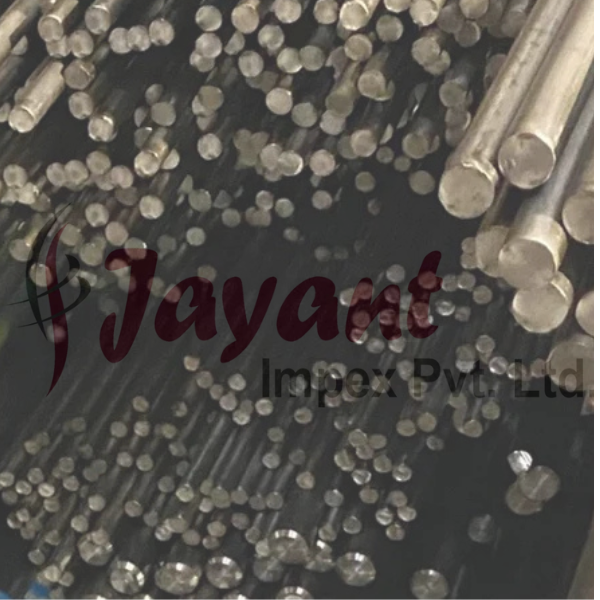
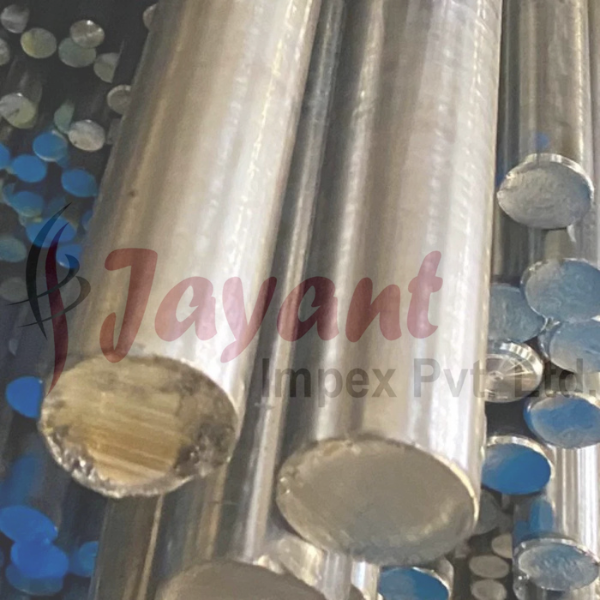
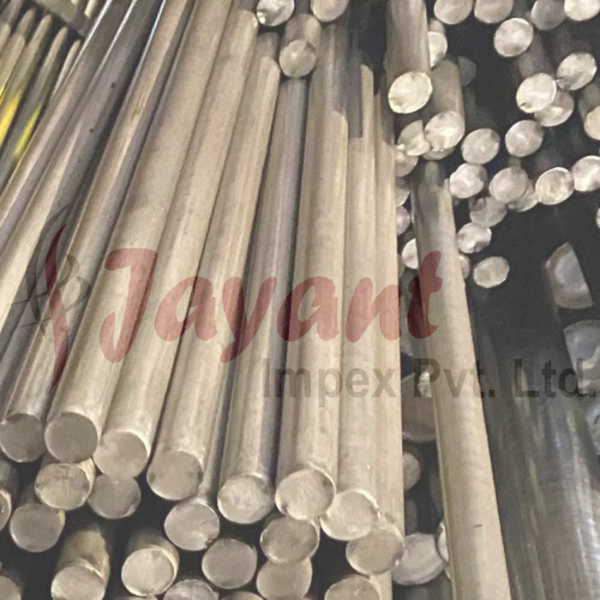
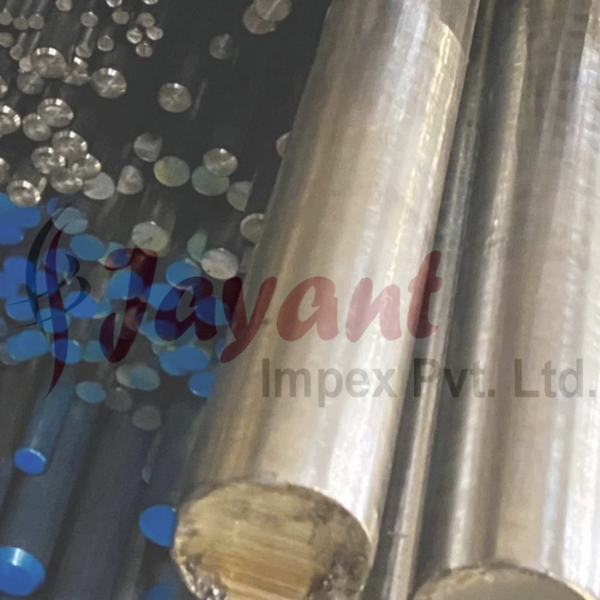
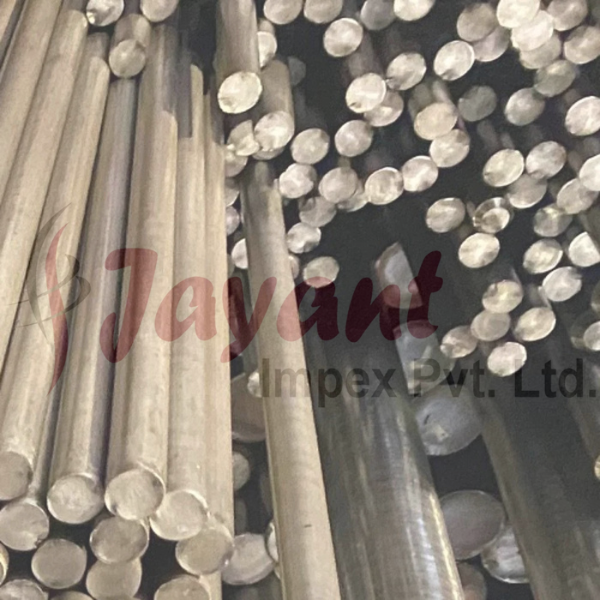
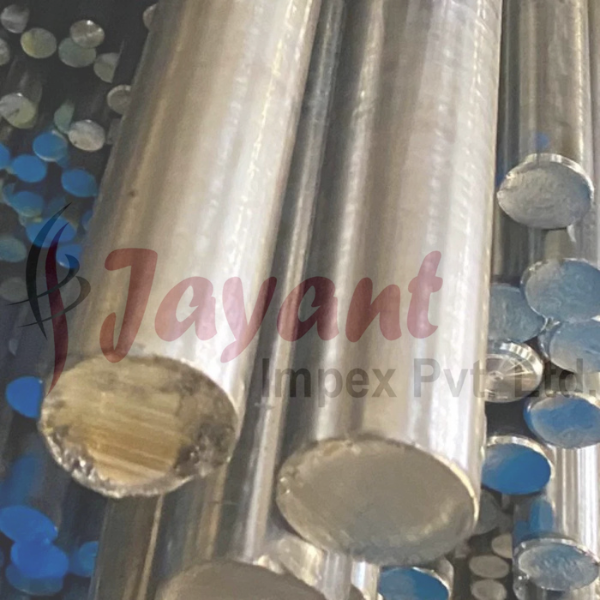
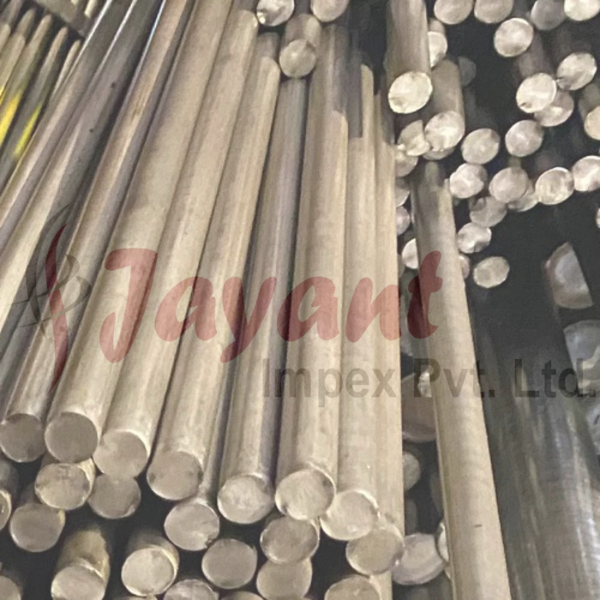
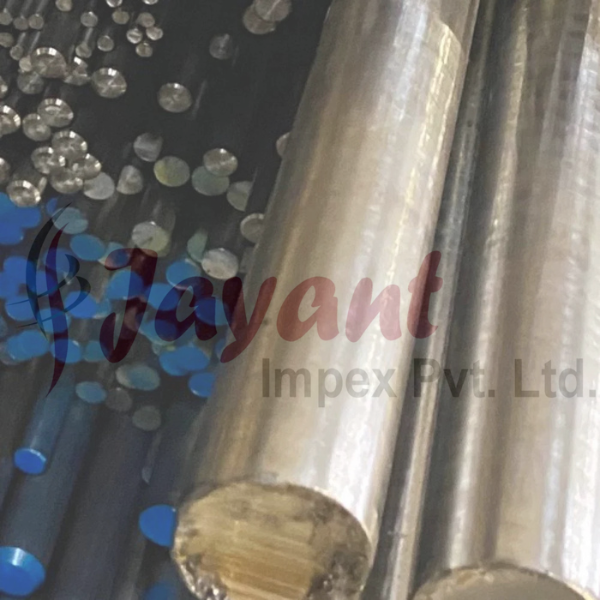
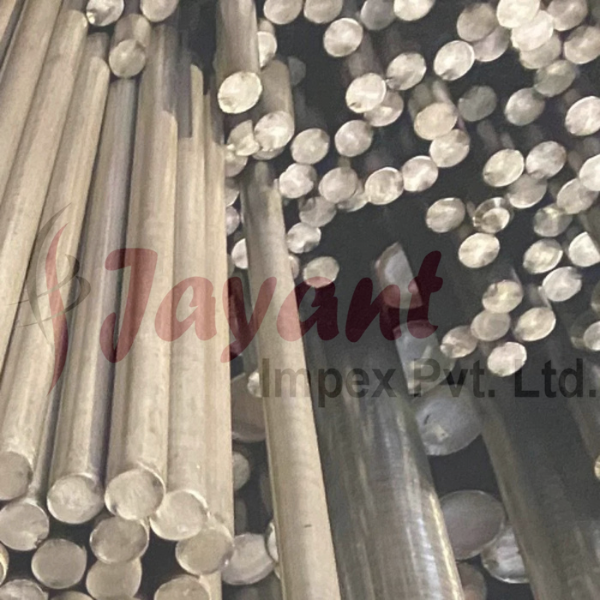
AISI S7 Tool Steel Bars/ SAE S7 Alloy Steel Rods/ S7 Flat Block Bar
569.0 INR/Piece
Product Details:
- Type Bar, Rod, Flat Block Bar
- Finish Bright / Black / Peeled / Ground / Polished
- Specific Use Shock resisting tools, chisels, blanking and forming dies
- Grade S7
- Tolerance h9, h11, or as per customer specification
- Material AISI S7 Tool Steel / SAE S7 Alloy Steel
- Standard AISI, SAE, ASTM
- Click to view more
X
AISI S7 Tool Steel Bars/ SAE S7 Alloy Steel Rods/ S7 Flat Block Bar Price And Quantity
- 569.0 INR/Piece
- 1 Piece
AISI S7 Tool Steel Bars/ SAE S7 Alloy Steel Rods/ S7 Flat Block Bar Product Specifications
- Bright / Black / Peeled / Ground / Polished
- Bar, Rod, Flat Block Bar
- Hot Rolled / Cold Drawn / Forged
- Heat Treatment, Annealed, Machined
- Standard or custom-cut lengths available (typically 1m to 6m)
- 8 mm to 300 mm or custom sizes
- h9, h11, or as per customer specification
- S7
- Shock resisting tools, chisels, blanking and forming dies
- AISI S7 Tool Steel / SAE S7 Alloy Steel
- AISI, SAE, ASTM
- Tool and die making, punches, chisels, forging dies, and heavy-duty forming tools
- 835 MPa min (in hardened condition)
- Fine tempered martensite with small amounts of carbides after heat treatment
- Free from scale, decarburization, and surface defects
- Bundled, Packed in wooden box/crate, Wrapped in plastic as requested
- 187-229 HB
- HRC 54-58
- Round Bar, Flat Bar, Square Bar, Block
- High (noted for shock resistance applications)
- 1860 MPa approx (in hardened condition)
- As per industry standard or as specified
- Annealed / Heat Treated / Pre-machined
Product Description
AISI S7 (UNS T41907) is arguably the most versatile of all the shock-resisting tool steels. Known in manufacturing circles as the "jack-of-all-trades" tool steel, it balances maximum impact toughness with highly competitive wear resistance and excellent dimensional stability during air-hardening.
When you require tooling that absolutely cannot chip or catastrophically fracture under intense shock loading, S7 is the definitive industry standard.
Chemical Composition (Typical Weight %)
The high chromium content relative to carbon makes S7 an air-hardening steel in medium cross-sections. This minimizes the risk of warping, cracking, or dimensional distortion during heat treatment.
| Carbon (C) | Chromium (Cr) | Molybdenum (Mo) | Manganese (Mn) | Silicon (Si) | Vanadium (V) |
| 0.45 0.55% | 3.00 3.50% | 1.30 1.80% | 0.10 0.40% | 0.20 1.00% | 0.20 0.30% |
Procurement Performance by Product Form
1. S7 Tool Steel Bars & Alloy Rods
Commonly supplied in the cold-drawn or centerless ground condition, annealed to a maximum hardness of 229 HBW. Round stock is highly utilized for:
-
Pneumatic Tools & Impact Components: Jackhammer tips, heavy-duty rivets, and hammer pistons.
-
Cold Shear Blades & Blanking Dies: Ideal for shearing high-strength alloys or thick gauge plates where high-carbon steels (like D2) would chip at the cutting edge.
-
Punches: S7 rods can withstand millions of cycles of high-speed impact without deformation or fracture.
2. S7 Flat Block & Plate Bar
S7 flat blocks are precision ground or hot rolled and are typically destined for complex EDM (Electrical Discharge Machining) and milling work.
-
Plastic Injection Molds: Due to its air-hardening properties, it is increasingly used for high-volume injection molds where complex geometry requires highly predictable dimensional stability.
-
Master Hobs & Coining Dies: Used to cold-press intricate designs into softer metals.
-
Structural Tooling Inserts: Placed in high-wear, high-impact stress zones of larger die assemblies.
Thermal Processing & Heat Treatment Parameters
S7 is highly forgiving in the heat treat oven compared to water- or oil-hardening tool steels.
-
Soft Annealing: Heat to $815^circtext{C} - 845^circtext{C}$, hold for 2 hours, and cool slowly inside the furnace at a maximum rate of $15^circtext{C}$ per hour down to $540^circtext{C}$.
-
Hardening (Austenitizing): Preheat slowly to $650^circtext{C} - 700^circtext{C}$ to avoid thermal shock. Raise the temperature to $925^circtext{C} - 950^circtext{C}$ and hold for 1545 minutes depending on section thickness.
-
Quenching: Air quench in still air or use a vacuum gas nitrogen pressure blast. For massive cross-sections (greater than 4 inches thick), a warm oil quench can be utilized down to $540^circtext{C}$, followed by air cooling to room temperature.
-
Tempering: Temper immediately. For maximum shock resistance, temper at $200^circtext{C} - 260^circtext{C}$ to achieve a working hardness of 55 to 57 HRC. For cold-work applications requiring slightly more wear resistance, a lower temper can yield up to 58 HRC.
International Equivalents & Cross-References
When procuring across diverse international supply chains, look for these equivalent specifications:
-
Germany (DIN / W.Nr.): 1.2355 / 50CrMoV13-14 (Closest operational match)
-
United Kingdom (BS): BDS7
-
Japan (JIS): No direct identical standard; typically imported directly as AISI S7 or custom specified.
Versatile Shapes and Dimensions
AISI S7 tool steel is available in a variety of shapes, such as round bars, flat bars, square bars, and flat blocks. Custom diameters from 8 mm to 300 mm and standard or tailored lengths (1m to 6m) ensure suitability for a wide range of industrial and tooling applications. Options for hot rolled, cold drawn, or forged processing further enhance versatility.
Robust Mechanical Properties
S7 alloy steel boasts outstanding shock resistance, ensuring reliability in demanding applications like punches, chisels, and forming dies. With a hardened hardness of HRC 54-58 and yield strength above 835 MPa, it endures repetitive impact and stress, minimizing wear and breakage. Its fine tempered martensite microstructure adds strength and durability.
Multiple Delivery and Processing Options
Products can be supplied annealed, heat-treated, or pre-machined to meet specific requirements. Surface finishes include bright, black, peeled, ground, or polished, and all bars are free from scale, decarburization, and surface defects. Custom tolerances and packaging solutions, such as wooden crates or plastic-wrapped bundles, are available for global supply.
FAQ's of AISI S7 Tool Steel Bars/ SAE S7 Alloy Steel Rods/ S7 Flat Block Bar:
Q: How is AISI S7 tool steel processed and supplied to customers?
A: AISI S7 tool steel bars and rods are processed using hot rolling, cold drawing, or forging techniques. They can be delivered in annealed, heat-treated, or pre-machined conditions, with surface finishes like bright, black, peeled, ground, or polished as required.Q: What are the primary uses of S7 tool steel bars and flat blocks?
A: S7 tool steel is ideal for manufacturing tools and dies that must withstand heavy impact, such as punches, chisels, blanking and forming dies, and forging dies. Its exceptional impact resistance makes it suitable for demanding industrial applications.Q: When should I choose S7 steel over other tool steels?
A: Choose S7 tool steel when your application requires both high mechanical strength and superior shock resistance-especially in situations with repeated impact or heavy load, where tools like chisels and forging dies are involved.Q: Where can AISI S7 steel rods and bars be purchased in India?
A: AISI S7 steel products are available from dealers, exporters, manufacturers, retailers, suppliers, and traders throughout India. Products can be ordered in standard or custom shapes and sizes to align with your unique requirements.Q: What is the benefit of the high impact resistance provided by S7 steel?
A: The high impact resistance of S7 steel prevents tool breakage and premature wear during shock loading or repeated impact, thereby extending tool life and reducing replacement costs in demanding environments.Q: How does the microstructure of S7 steel contribute to its performance?
A: After heat treatment, S7 steel features a fine tempered martensite microstructure with small amounts of carbides. This structure boosts toughness, wear resistance, and delivers consistent performance in heavy-duty tooling applications.Tell us about your requirement

Price:
Quantity
Select Unit
- 50
- 100
- 200
- 250
- 500
- 1000+
Additional detail
Mobile number
Email

Other Products in 'Steel Bar' category


JAYANT IMPEX
GST : 27AAQFJ5764L1ZJ
GST : 27AAQFJ5764L1ZJ

- 6th, 605, Majestic Shopping Center, Jagannath Shankarseth Road, Girgaon,Mumbai - 400004, Maharashtra, India
- Phone : 08045800544

- Mr Shrenik Prakash Mehta (Director)
- Mobile : 08045800544
-
jayantimpex12@gmail.com


-
Share to



 Send Inquiry
 Send SMS
 Call Me Free
JAYANT IMPEX PVT. LTD. All Rights Reserved.(Terms of Use)
Developed and Managed by Infocom Network Private Limited. Terms of use | Returns Policy Member
Developed and Managed by Infocom Network Private Limited. Terms of use | Returns Policy Member
