 English
 Spanish
 French
 German
 Italian
 Chinese (Simplified)
 Japanese
 Korean
 Arabic
 Portuguese
 Call Us : 08045800544
 Call Us : 08045800544
 Get a Quote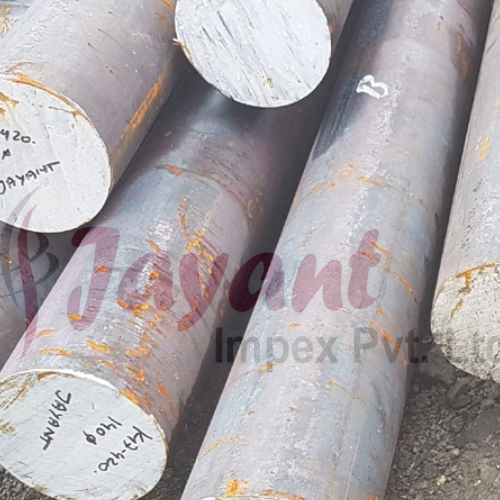
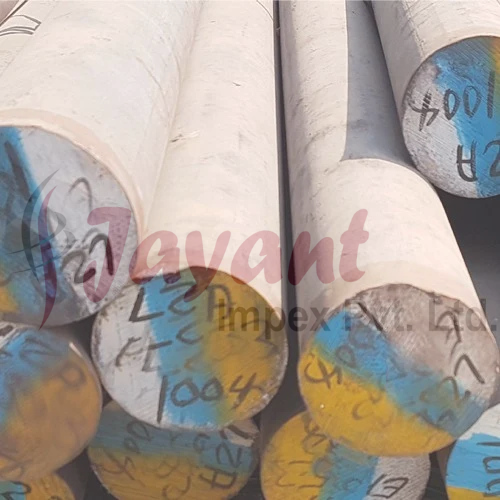
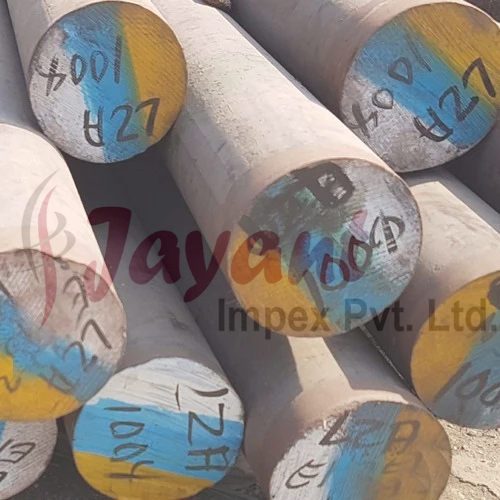
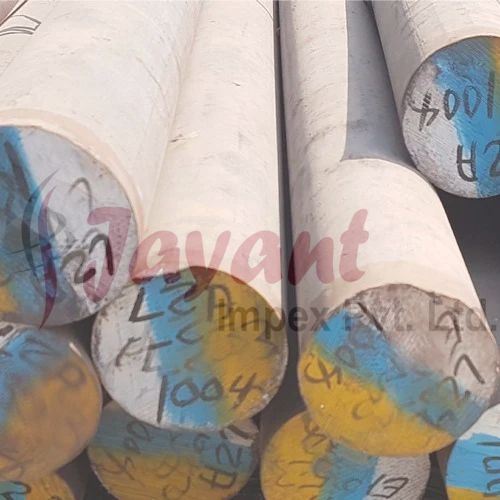
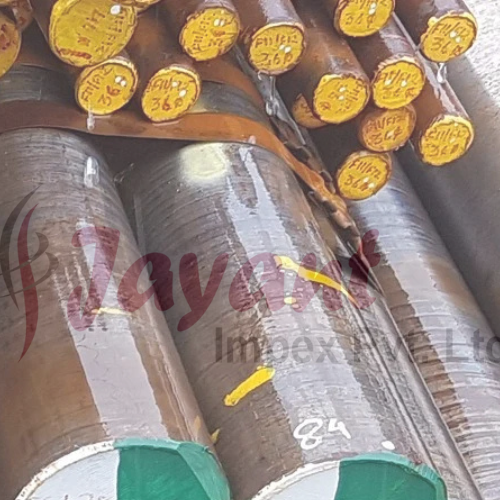
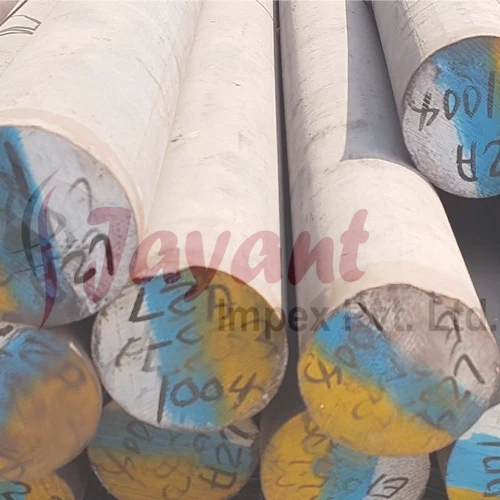
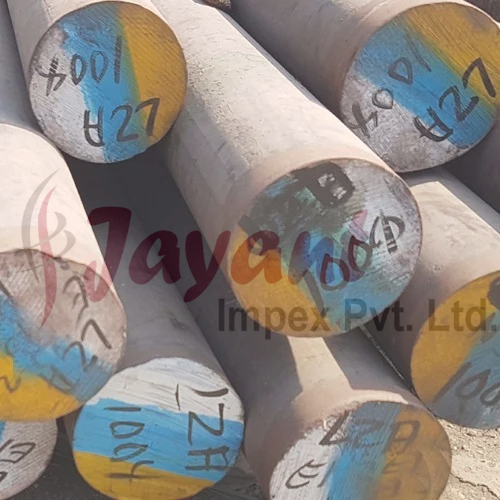
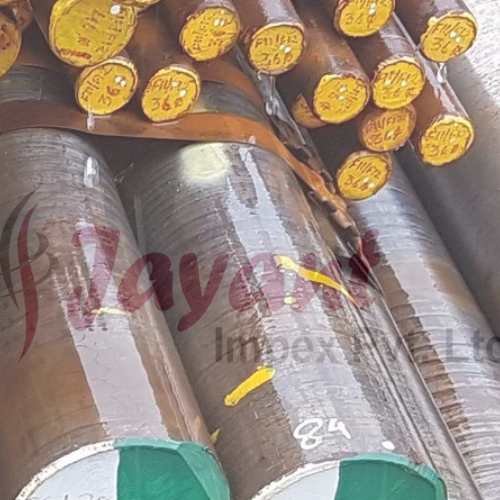
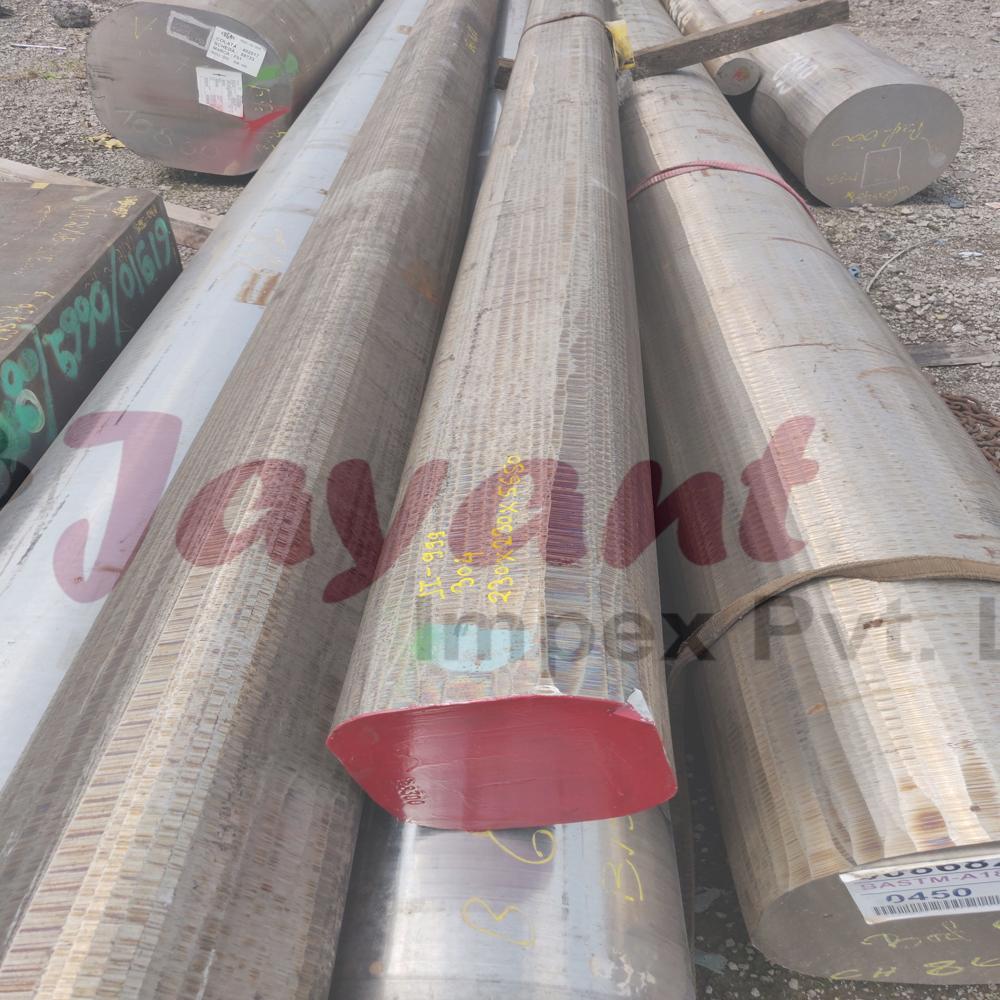
AISI L6 Hot Die Steel SAE L6 L6 Round Bars
250.0 INR/Kilograms
Product Details:
- Specific Use Industrial Tooling, Forming Dies, Hot Work Tools
- Processing Annealed / Normalized / Hardened / Tempered
- Material AISI L6 Hot Die Steel
- Type Round Bars
- Finish Black / Rough Turned / Peeled / Polished
- Grade L6
- Tolerance h11, h13, or as required
- Click to view more
X
AISI L6 Hot Die Steel SAE L6 L6 Round Bars Price And Quantity
- 250.0 INR/Kilograms
- 1 Kilograms
AISI L6 Hot Die Steel SAE L6 L6 Round Bars Product Specifications
- Hot Rolled / Forged
- 16mm to 400mm
- AISI L6 Hot Die Steel
- Annealed / Normalized / Hardened / Tempered
- Industrial Tooling, Forming Dies, Hot Work Tools
- L6
- h11, h13, or as required
- Tool and Die Making, Hot Work, Forging Dies, Shear Blades, Punches
- AISI, SAE, ASTM
- Black / Rough Turned / Peeled / Polished
- Round Bars
- Custom Cut Lengths Available, Standard Lengths up to 6 meters
- Max 229 HB
- Peeled / Turned / Rough Machined
- 7.85 g/cm3
- High, due to Nickel Content
- Free from decarburization and surface defects
- 56-60 HRC
- Annealed / Pre-machined
- Good in Annealed Condition
- Nickel, Chromium, Molybdenum, Carbon, Manganese, Silicon
Product Description
Chemical Composition (ASTM A681 Typical %)
The standard chemistry of AISI L6 relies heavily on a high nickel composition to sustain impact resistance at medium-to-high operational temperatures:
| Element | Carbon (C) | Manganese (Mn) | Chromium (Cr) | Nickel (Ni) | Molybdenum (Mo) | Vanadium (V) |
| AISI L6 Standard | 0.65 0.75 | 0.25 0.80 | 0.60 1.20 | 1.25 2.00 | 0.50 max | Optional |
| Industrial "Hot Work" Mod | 0.50 0.60 | 0.60 0.90 | 0.80 1.20 | 1.50 1.80 | 0.35 0.55 | 0.05 0.15 |
Note on Cross-Referencing: Traditional cold-work AISI L6 features slightly higher carbon (~0.70%). However, when commercial mills supply "L6 Hot Die Steel Bars," they are typically supplying a modified low-carbon version optimized for hot-work applications, matching the exact chemistry of European 1.2714 / 55NiCrMoV7 or Japanese JIS SKT4.
Distinguishing Properties of L6 Round Bars
-
Extreme Resistance to Shock and Impact: L6 is often considered the toughest grade among low-alloy tool steels. It absorbs massive dynamic forces without chipping or splitting.
-
Low Distortion in Heat Treatment: The addition of 1.5% to 2.0% Nickel allows for safe oil quenching. This slower quench rate drastically reduces internal residual stresses, minimizing geometric distortion or warping in complex cylindrical profiles.
-
Good Wear Resistance: While it doesn't possess the extreme high-temperature abrasive resistance of high-tungsten or high-chromium grades (like H13 or H21), its chromium and carbon content ensure excellent mechanical wear resistance under heavy sliding loads.
Primary Applications for Round Bars
Because round bars eliminate substantial outer-diameter roughing work, they are heavily utilized for:
-
High-Impact Mandrels & Shafts: Tooling components that experience severe bending and torsional loads during hot forming operations.
-
Clamping Pins & Heavy Bolts: Specialized high-strength structural fastners (such as double-bolted clamps or 12-point flange bolts) exposed to high mechanical stress.
-
Hot Punching Dies: Punches that pierce thick steel billets where toughness prevents the head of the punch from breaking off.
-
Industrial Blades: Circular hot saws and rotary cutting components used in high-volume steel mills.
Heat Treatment Protocol
Annealing
-
Temperature: 760C to 790C
-
Cooling: Slow furnace cooling at a rate not exceeding 15C per hour down to 540C, followed by air cooling.
-
Resulting Hardness: Max 229 HBW.
Hardening
-
Preheating: Warm slowly to 600C 650C to normalize internal stresses.
-
Austenitizing: Raise quickly to 815C 845C.
-
Quench: Oil quench is standard. Small diameters (less than 50 mm) can be safely air-quenched to optimize toughness.
Tempering
-
Temperature Range: 180C to 650C (For hot-die applications, tempering is done at the upper end: 540C to 620C).
-
Hardness Profile: Hot work components are targeted for 40 to 48 HRC, balancing high yield strength with maximum impact resistance.
Enhanced Performance for Hot Work Applications
L6 Hot Die Steel stands out for its exceptional impact toughness and durability, driven by the addition of nickel in its alloy composition. Whether used in the production of forging dies, shear blades, or punches, L6 ensures resistance to thermal fatigue and excellent mechanical stability, making it indispensable in tool and die making industries.
Versatile Supply and Customization Options
This grade of steel is manufactured through hot rolling or forging, ensuring flexibility in bar diameter (16mm-400mm) and length options-both standard lengths up to 6 meters and custom cut lengths are available. Delivery conditions vary from annealed to pre-machined, supporting diverse fabrication and machining requirements for industrial tooling and hot work tools.
FAQ's of AISI L6 Hot Die Steel SAE L6 L6 Round Bars:
Q: How is AISI L6 Hot Die Steel typically processed and supplied?
A: AISI L6 Hot Die Steel is delivered in round bars, with processing options including annealed, normalized, hardened, or tempered states. Supply conditions such as peeled, turned, rough machined, or polished finishes ensure that the bars meet specific machining and quality requirements. Diameter ranges from 16mm to 400mm, with cut lengths offered per customer needs.Q: What are the main benefits of using L6 steel for hot work applications?
A: L6 steel's high impact toughness, attributed to its nickel content, provides superior resistance against chipping and cracking during repeated heating cycles. Its balance of hardness after heat treatment (56-60 HRC) and good machinability in the annealed condition makes it ideal for demanding industrial tooling, forging dies, and hot work tools.Q: When should L6 Round Bars be selected over other tool steels?
A: Select L6 when high impact resistance, excellent toughness in both hot and cold conditions, and a reliable surface free from decarburization are priorities. Its performance in high-stress, high-temperature environments makes it preferable for forging dies, punches, and tools subjected to heavy loads and repeated impacts.Q: Where can AISI L6 Round Bars be sourced in India?
A: AISI L6 Round Bars are readily available across India through various dealers, exporters, fabricators, manufacturers, producers, retailers, suppliers, and traders, thereby ensuring reliable supply for diverse industrial requirements.Q: How does the annealed condition affect the machinability of L6 steel?
A: In its annealed condition, L6 steel offers good machinability, making it easier and more cost-effective to machine complex components before heat treatment. This significantly reduces tool wear and increases productivity in the manufacturing process.Q: What is the recommended hardness range for L6 steel after heat treatment?
A: After heat treatment, L6 steel achieves a hardness of 56-60 HRC, ensuring optimal strength, wear resistance, and durability for high-performance tooling and die applications.Tell us about your requirement

Price:
Quantity
Select Unit
- 50
- 100
- 200
- 250
- 500
- 1000+
Additional detail
Mobile number
Email

Other Products in 'Steel Bar' category

JAYANT IMPEX
GST : 27AAQFJ5764L1ZJ
GST : 27AAQFJ5764L1ZJ

- 6th, 605, Majestic Shopping Center, Jagannath Shankarseth Road, Girgaon,Mumbai - 400004, Maharashtra, India
- Phone : 08045800544

- Mr Shrenik Prakash Mehta (Director)
- Mobile : 08045800544
-
jayantimpex12@gmail.com


-
Share to



 Send Inquiry
 Send SMS
 Call Me Free
JAYANT IMPEX PVT. LTD. All Rights Reserved.(Terms of Use)
Developed and Managed by Infocom Network Private Limited. Terms of use | Returns Policy Member
Developed and Managed by Infocom Network Private Limited. Terms of use | Returns Policy Member
