 English
 Spanish
 French
 German
 Italian
 Chinese (Simplified)
 Japanese
 Korean
 Arabic
 Portuguese
 Call Us : 08045800544
 Call Us : 08045800544
 Get a Quote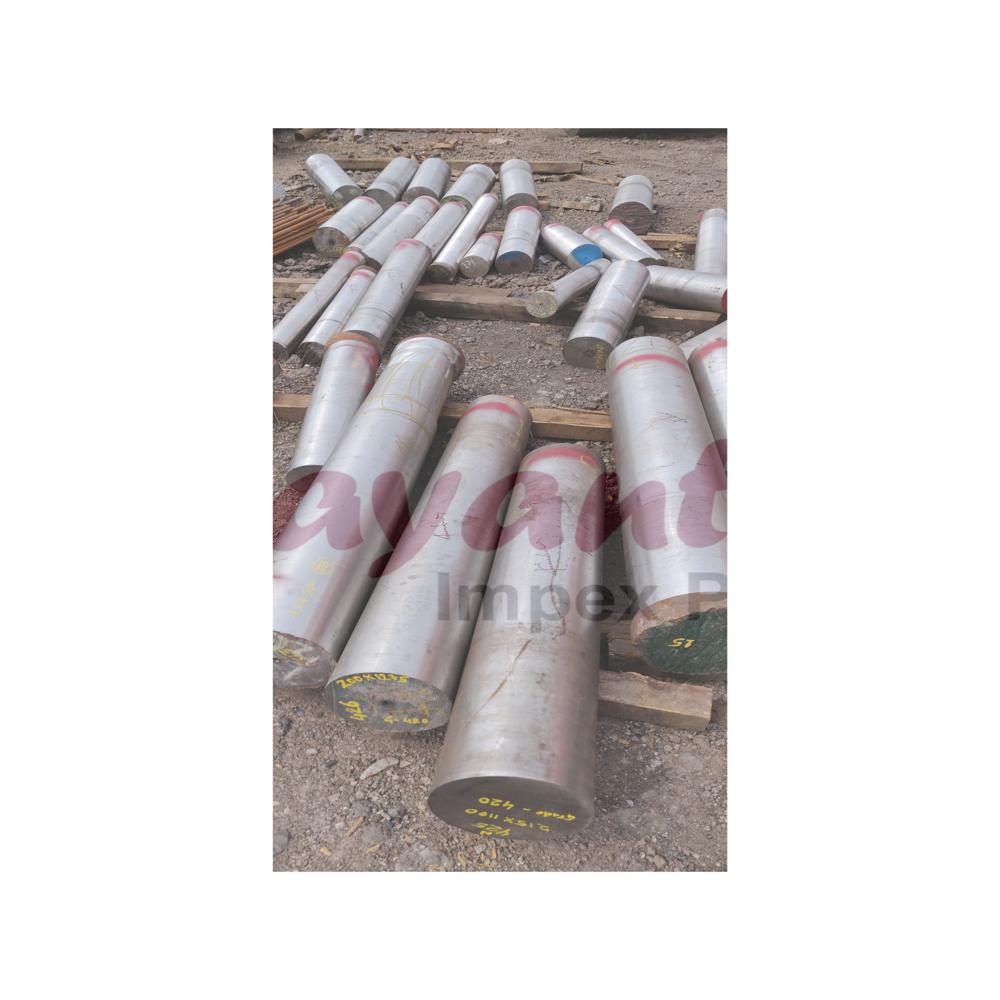
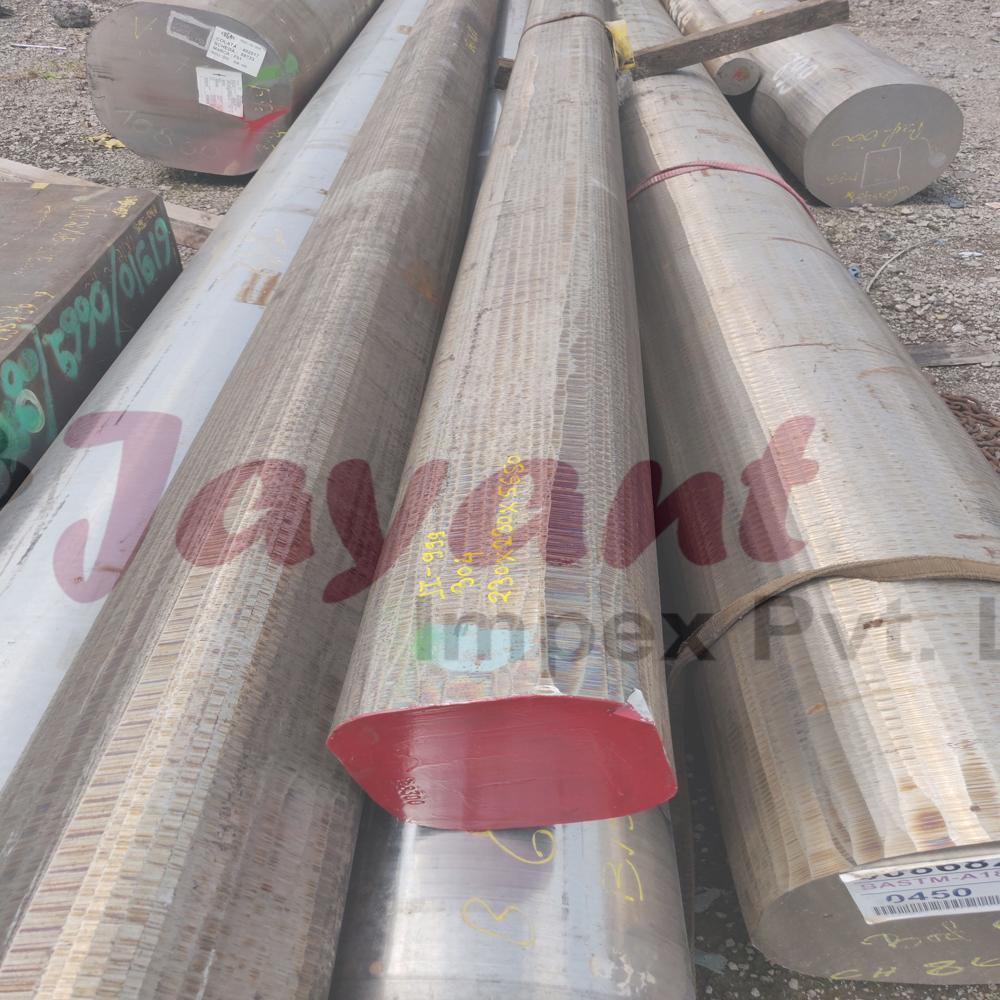
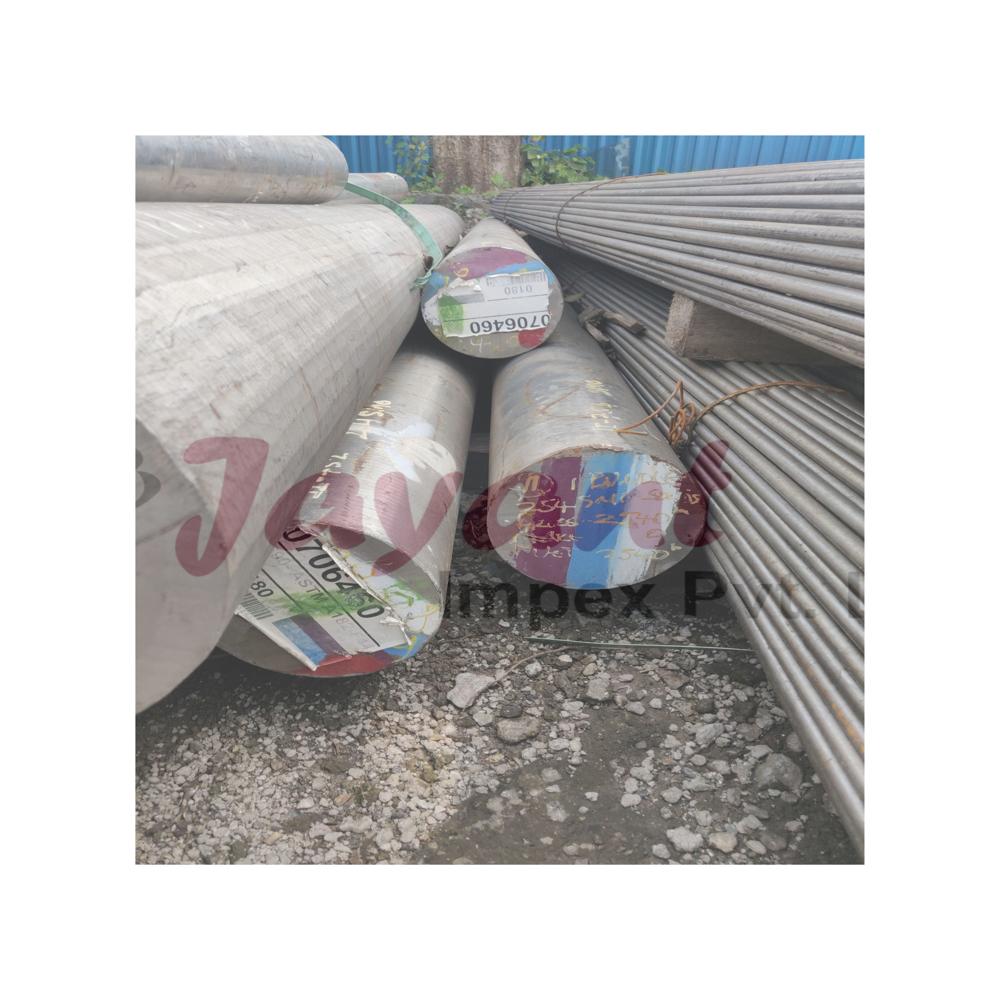
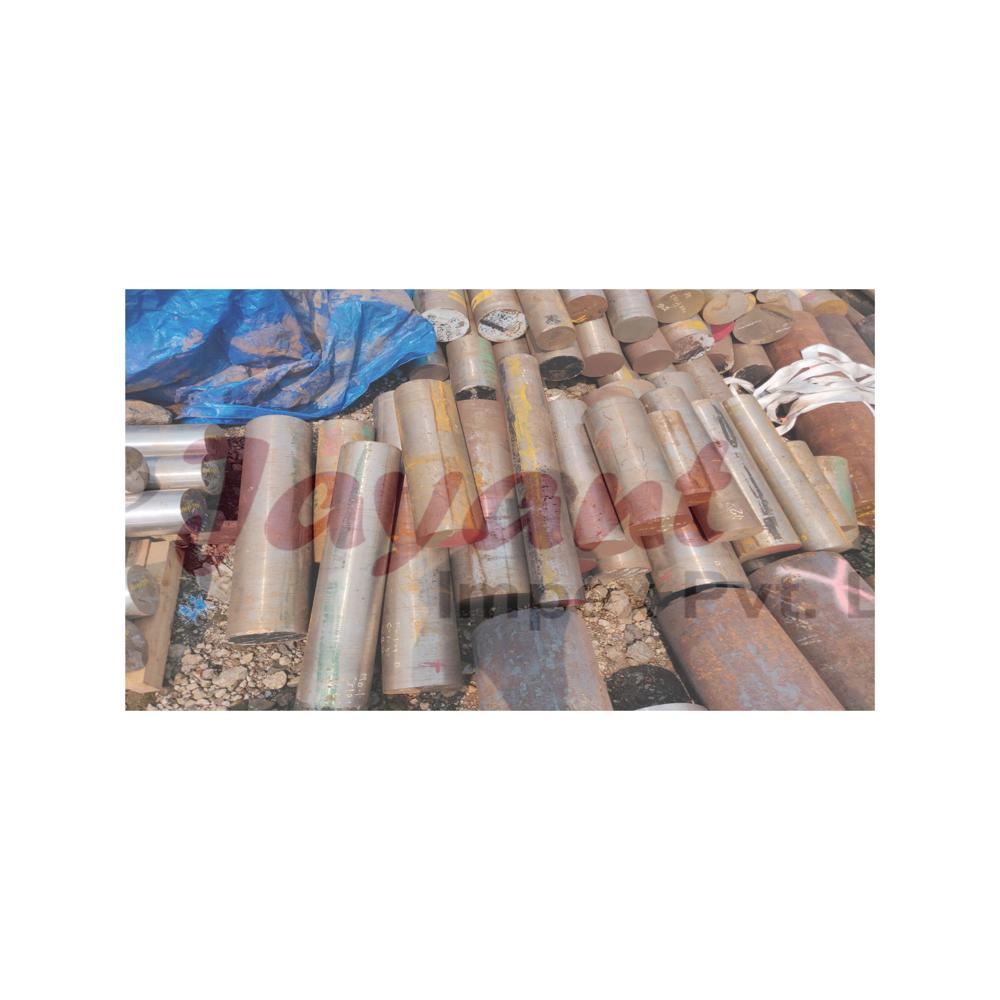
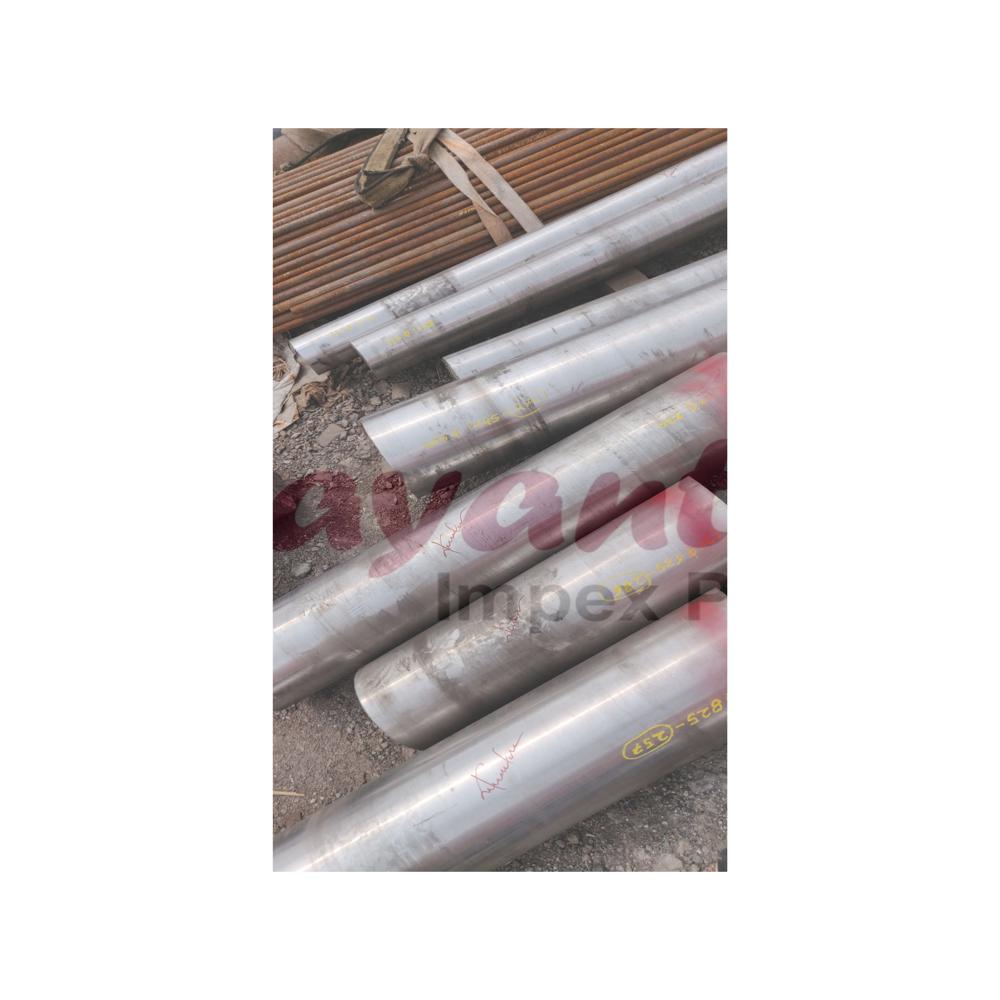
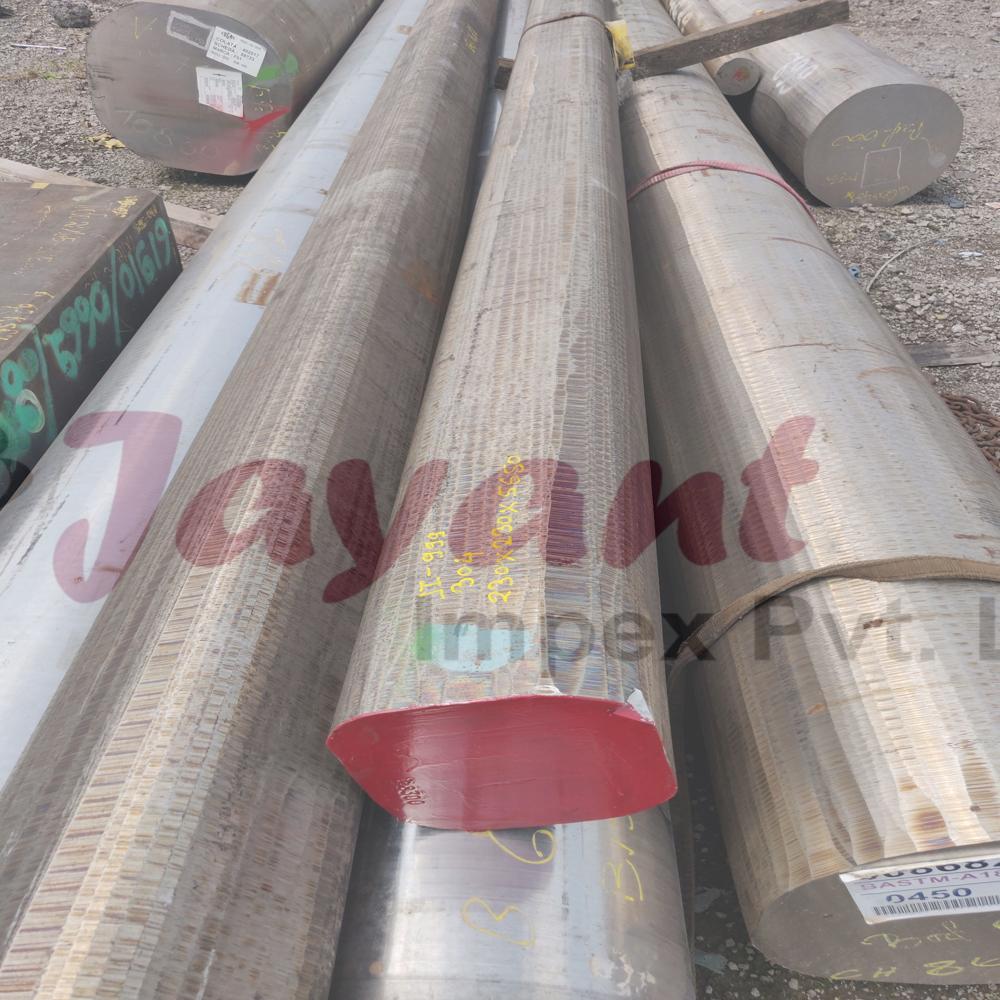
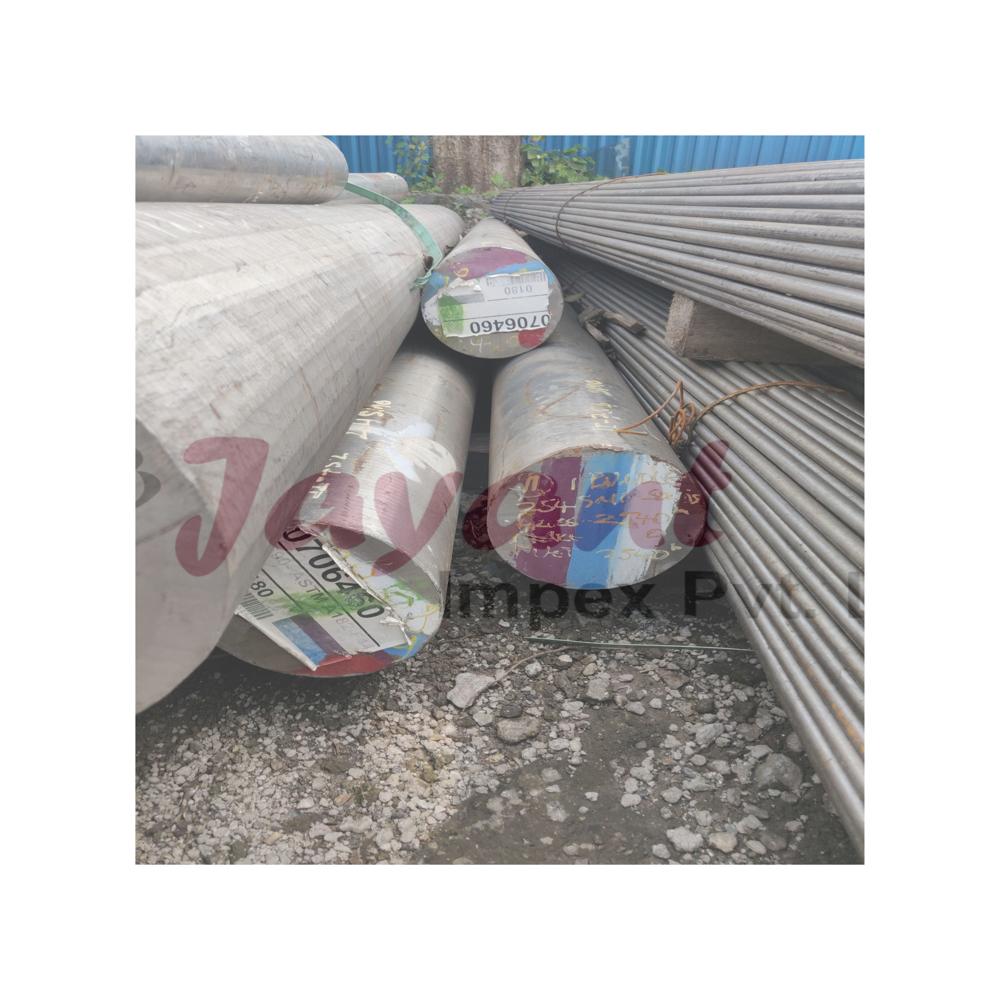
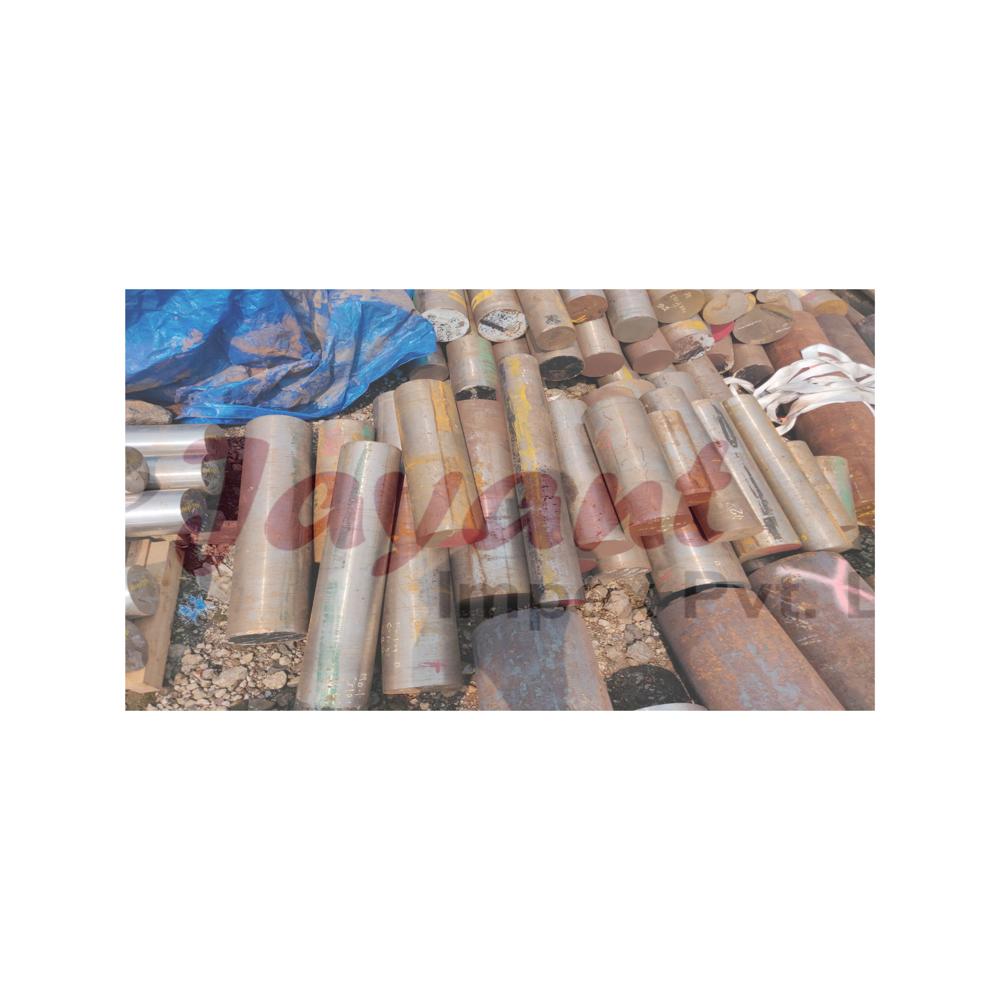
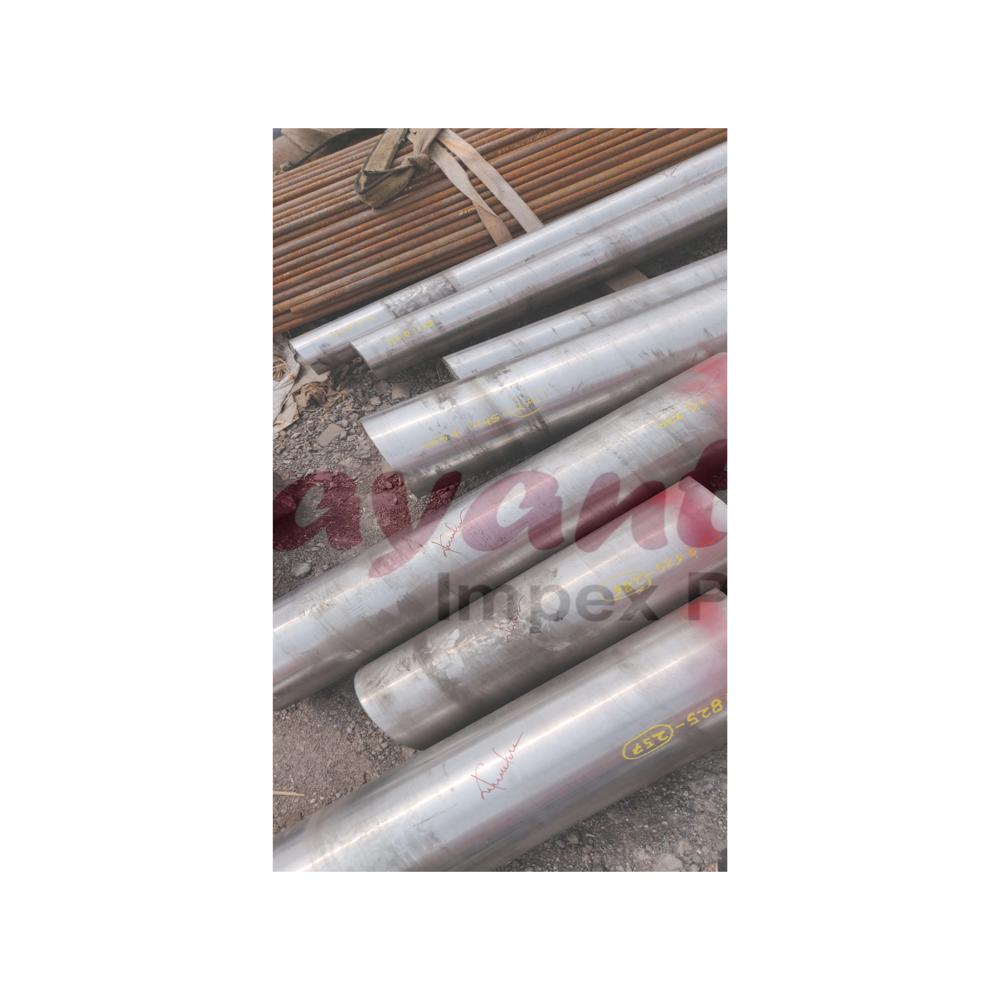
Aerospace 15CDV6 Bars / Alloy Steel 15CDV6 Rods/ Round Bar/ 15CDV6 Rings
600.0 INR/Kilograms
Product Details:
- Technique Hot Rolled / Cold Drawn / Forged
- Finish Bright, Polished, Black, Peeled
- Diameter 6mm to 350mm
- Grade 15CDV6 (1.7731)
- Specific Use Structural Components, Fasteners, Gears, Shafts
- Length 3 to 6 Meters or Custom Cut Lengths
- Material Alloy Steel 15CDV6
- Click to view more
X
Aerospace 15CDV6 Bars / Alloy Steel 15CDV6 Rods/ Round Bar/ 15CDV6 Rings Price And Quantity
- 600.0 INR/Kilograms
- 1000 Kilograms
Aerospace 15CDV6 Bars / Alloy Steel 15CDV6 Rods/ Round Bar/ 15CDV6 Rings Product Specifications
- 15CDV6 (1.7731)
- 6mm to 350mm
- Hot Rolled / Cold Drawn / Forged
- Bright, Polished, Black, Peeled
- Structural Components, Fasteners, Gears, Shafts
- 3 to 6 Meters or Custom Cut Lengths
- Alloy Steel 15CDV6
- Centerless Ground, Peeled, Turned, Polished
- Aerospace, Defense, High-Performance Engineering
- h9, h10, h11, or as required
- Bars, Rods, Round Bar, Rings
- AMS 2301, BS 3076, EN 3626, 15CDV6
- 980-1180 MPa (after heat treatment)
- 830-980 MPa (after heat treatment)
- 280-320 HB (annealed)
- Magnetic
- Good, especially after appropriate surface treatment
- 12-16% (depending on condition)
- Good machinability in normalized & tempered condition
- Sea-Worthy Packing, Bundled, Plastic Wrapped, Wooden Boxes if required
- Free from scale, cracks, seams, and other surface defects
- 7.85 g/cm3
- Annealed, Hardened & Tempered, Quenched & Tempered
Product Description
15CDV6 (Material Number 1.7734) is a high-performance, low-carbon alloy steel that has become a cornerstone of the aerospace and motorsport industries. Its reputation is built on an extraordinary strength-to-weight ratio and its ability to maintain high mechanical properties after welding without the need for complex post-weld heat treatment.
1. Technical Profile
15CDV6 is a Chrome-Molybdenum-Vanadium alloy. The addition of Vanadium ($V$) is what truly sets it apart from standard 4130 or 4140 steels, as it refines the grain structure and significantly increases toughness and tensile strength.
-
Weldability: Excellent. It can be welded with very little risk of cracking, and the heat-affected zone remains remarkably strong.
-
Strength: It offers a yield strength significantly higher than standard carbon steels.
-
Versatility: Used in both normalized and quenched/tempered conditions depending on the required toughness.
2. Chemical Composition
The "15" represents approximately 0.15% Carbon, while the "CDV" denotes Chromium, Molybdenum, and Vanadium.
| Element | Percentage (%) |
| Carbon (C) | 0.12 0.18 |
| Chromium (Cr) | 1.20 1.50 |
| Molybdenum (Mo) | 0.80 1.00 |
| Vanadium (V) | 0.20 0.30 |
| Manganese (Mn) | 0.80 1.10 |
| Silicon (Si) | max 0.20 |
3. Mechanical Properties
The properties vary based on the heat treatment (e.g., condition $1.7734.4$ or $1.7734.5$):
-
Tensile Strength ($R_m$): $980 1180 text{ MPa}$
-
Yield Strength ($R_{e}$): $790 text{ MPa}$ (Minimum)
-
Elongation ($A$): $10% 15%$
-
Impact Strength: Excellent resistance to brittle fracture even in extreme environments.
4. Forms and Aerospace Applications
Because of its reliability, 15CDV6 is processed into various forms for critical structural components:
-
Round Bars & Rods: Used for suspension components, pushrods, and high-strength fasteners.
-
Rings: Often used in rocket motor casings and as structural flanges for aerospace assemblies.
-
Tubes (Commonly associated): Used for roll cages in high-end motorsports (F1, WRC) and airframes.
Primary Uses:
-
Aerospace: Rocket motor cases, missile components, and structural airframe parts.
-
Motorsport: Roll cages, suspension wishbones, and sub-frames where weight saving is critical.
-
Defense: Pressure vessels and high-stress structural links.
5. Heat Treatment & Processing
-
Hardening: Heat to $900circtext{C} 950circtext{C}$, followed by air or oil quenching.
-
Tempering: Usually performed between $550circtext{C} 650circtext{C}$ to achieve the desired balance of strength and ductility.
-
Machinability: Generally good in the normalized condition; however, in the fully heat-treated state, carbide tooling is essential due to the material's toughness.
Comparison: 15CDV6 vs. 4130 (25CrMo4)
| Feature | 4130 (Chrome-Moly) | 15CDV6 |
| Yield Strength | $approx 460 text{ MPa}$ | $approx 790+ text{ MPa}$ |
| Welding | Requires care/preheat | Superior weldability |
| Weight | Standard |
Precision Engineering for Demanding Industries
Aerospace 15CDV6 Bars and Rings are specifically designed for the most demanding sectors, including aerospace, defense, and advanced engineering. Their high tensile and yield strengths, combined with excellent machinability and reliability, make them ideal for structural components, fasteners, gears, and shafts requiring rigorous standards. Enhanced surface finishes and tailored processing options ensure quality and consistency in every application.
Versatile Processing and Surface Finishes
These alloy steel products are available in a range of lengths, diameters, and finishes-from bright and polished to black and peeled. Customers can choose hot-rolled, cold-drawn, or forged options, and benefit from additional processing services like centerless grinding or turning. Export packaging guarantees the products arrive safely, regardless of destination.
FAQ's of Aerospace 15CDV6 Bars / Alloy Steel 15CDV6 Rods/ Round Bar/ 15CDV6 Rings:
Q: How is Aerospace 15CDV6 Alloy Steel processed for different applications?
A: Aerospace 15CDV6 Bars and Rings are processed using various techniques such as hot rolling, cold drawing, and forging. They can undergo annealing, hardening, tempering, or quenching and tempering depending on the mechanical properties required for specific applications like fasteners or structural components.Q: What advantages does 15CDV6 Alloy Steel offer for aerospace and engineering uses?
A: 15CDV6 Alloy Steel provides a unique combination of high tensile and yield strength, good machinability, and enhanced corrosion resistance. These characteristics make it an excellent choice for precision parts in aerospace, defense, and other high-performance industries.Q: When should I choose annealed, tempered, or quenched conditions for 15CDV6 products?
A: The choice depends on the final application. Annealed bars offer better machinability, while hardened and tempered or quenched and tempered bars provide maximum strength and wear resistance, ideal for critical load-bearing parts.Q: Where are 15CDV6 Bars and Rings typically utilized?
A: These alloy steel products are primarily used in aerospace and defense industries for fabricating structural components, gears, shafts, and fasteners where high strength and durability are essential.Q: What is the machining behavior of 15CDV6 in normalized and tempered condition?
A: 15CDV6 exhibits good machinability in its normalized and tempered state, allowing for ease of fabrication and precision during manufacturing processes.Q: How are 15CDV6 Alloy Steel Bars and Rings prepared for international shipping?
A: They are packed in sea-worthy packaging such as bundles, plastic wrapping, or wooden boxes as required, ensuring protection against transit damage and weather conditions during export.Tell us about your requirement

Price:
Quantity
Select Unit
- 50
- 100
- 200
- 250
- 500
- 1000+
Additional detail
Mobile number
Email

Other Products in 'Steel Bar' category
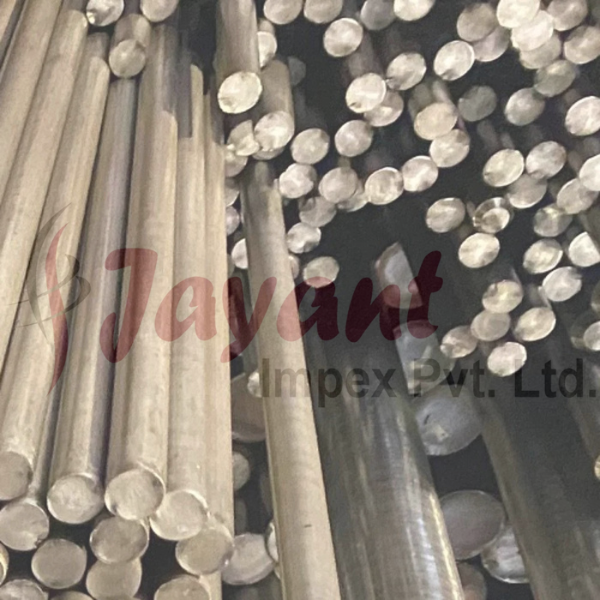


JAYANT IMPEX
GST : 27AAQFJ5764L1ZJ
GST : 27AAQFJ5764L1ZJ

- 6th, 605, Majestic Shopping Center, Jagannath Shankarseth Road, Girgaon,Mumbai - 400004, Maharashtra, India
- Phone : 08045800544

- Mr Shrenik Prakash Mehta (Director)
- Mobile : 08045800544
-
jayantimpex12@gmail.com


-
Share to



 Send Inquiry
 Send SMS
 Call Me Free
JAYANT IMPEX PVT. LTD. All Rights Reserved.(Terms of Use)
Developed and Managed by Infocom Network Private Limited. Terms of use | Returns Policy Member
Developed and Managed by Infocom Network Private Limited. Terms of use | Returns Policy Member
