 English
 Spanish
 French
 German
 Italian
 Chinese (Simplified)
 Japanese
 Korean
 Arabic
 Portuguese
 Call Us : 08045800544
 Call Us : 08045800544
 Get a Quote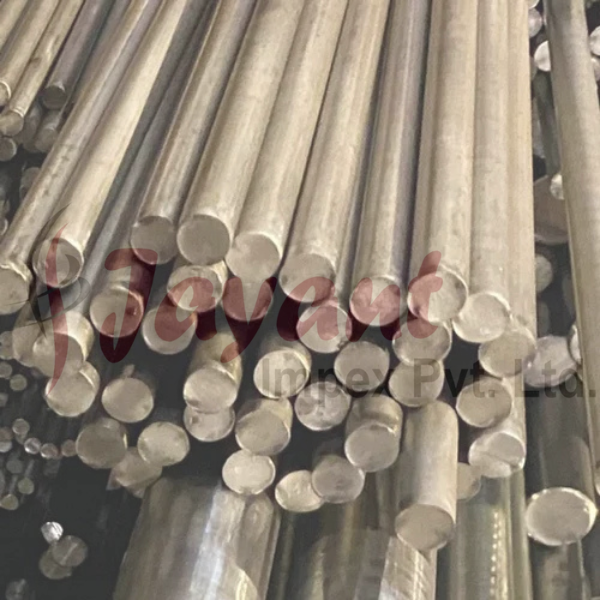
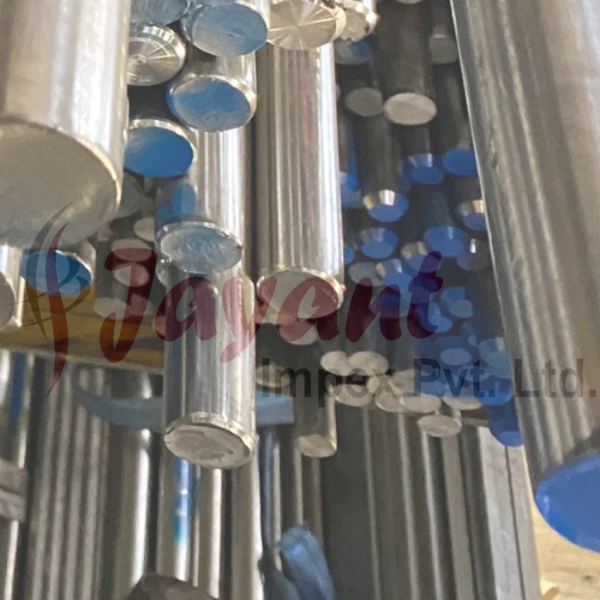
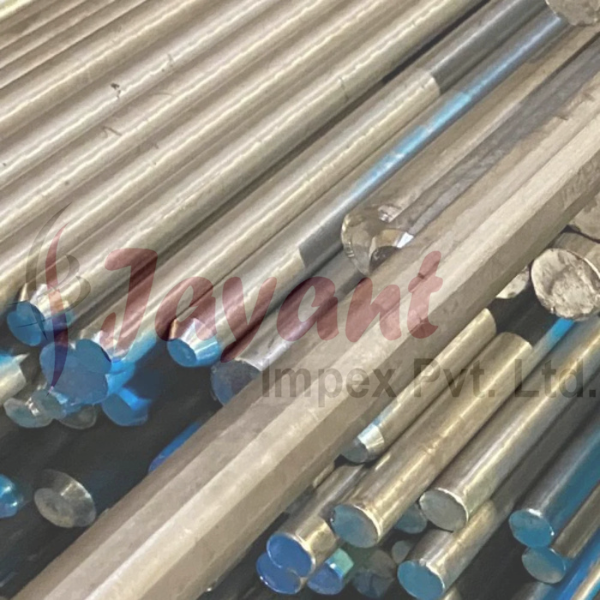
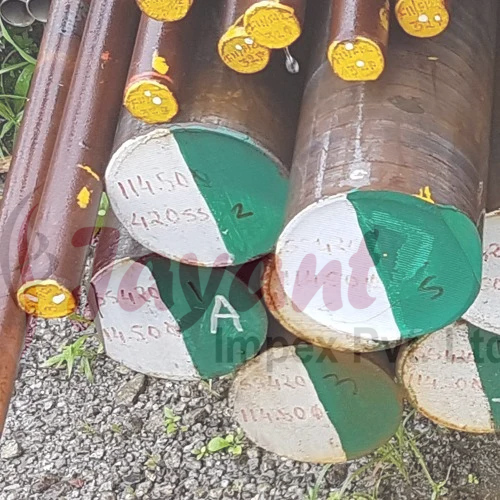
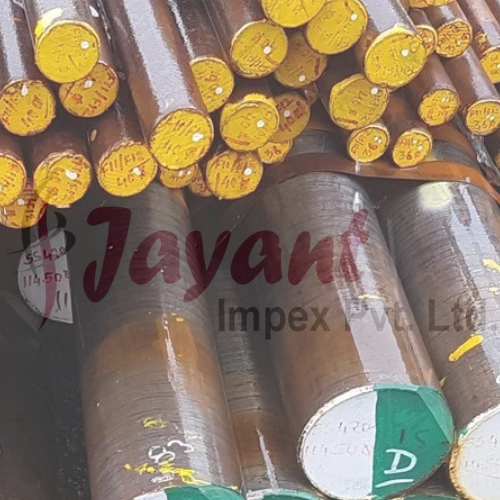
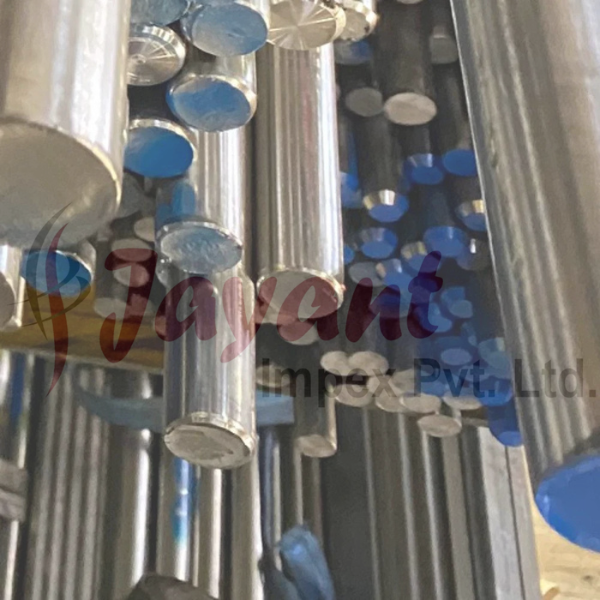
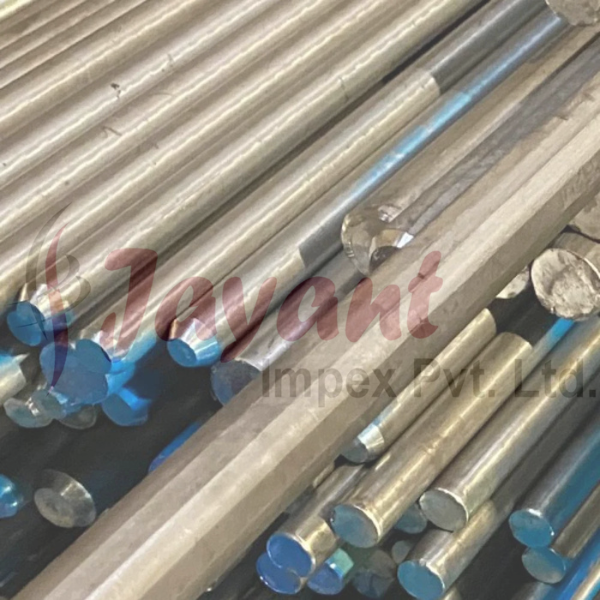
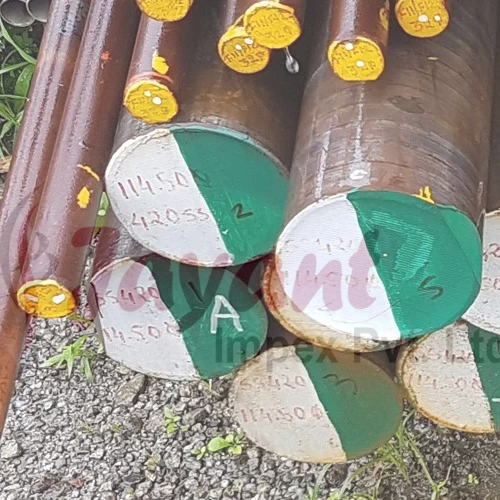
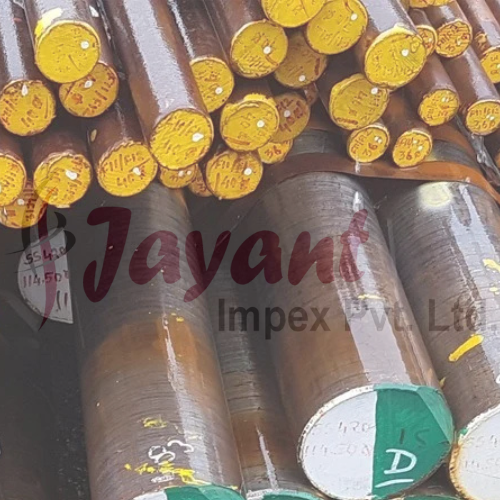
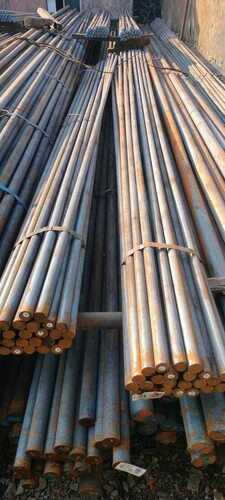
42CrMo4 Alloy Steel Chrome Moly Bars
60.0 INR/Kilograms
Product Details:
- Processing Heat Treated, Quenched & Tempered
- Material 42CrMo4 Alloy Steel (Chrome Moly)
- Tolerance H9, H10, H11, H12, H13 or as required
- Diameter 16 mm to 350 mm
- Specific Use Shafts, Gears, Axles, Bolts, Structural Components
- Finish Black, Bright, Peeled, Polished
- Technique Hot Rolled / Forged / Cold Drawn
- Click to view more
X
42CrMo4 Alloy Steel Chrome Moly Bars Price And Quantity
- 1 Kilograms
- 60.0 INR/Kilograms
42CrMo4 Alloy Steel Chrome Moly Bars Product Specifications
- 42CrMo4 Alloy Steel (Chrome Moly)
- Heat Treated, Quenched & Tempered
- 16 mm to 350 mm
- H9, H10, H11, H12, H13 or as required
- 100 mm to 6000 mm (custom cut available)
- Round Bar, Rod, Shaft
- Hot Rolled / Forged / Cold Drawn
- Black, Bright, Peeled, Polished
- Shafts, Gears, Axles, Bolts, Structural Components
- Automobile, Construction, Engineering, Oil & Gas, General Engineering
- 42CrMo4
- EN 10083-3, DIN 1.7225
- 229-285 HB (as per condition)
- 1080 MPa (Quenched & Tempered)
- 12% (in 50 mm)
- Annealed / Hardened & Tempered
- Round
- Annealed, Hardening + Tempering
- 930 MPa (Quenched & Tempered)
- Moderate, improved via surface treatments
- 35 J (at -20C)
- Straightened, cleaned, inspected
Product Description
42CrMo4 (Material Number W.Nr. 1.7225) standardized under EN 10083-3 is the absolute king of the Chromium-Molybdenum engineering family across Europe and global supply chains. If you are ordering round, flat, or hex bar stock for machinery construction, you are selecting what is arguably the most balanced, dependable, and high-fatigue-resistant medium-carbon alloy steel available.
It serves as the precise European equivalent to North America's AISI 4140, but features slightly stricter, narrower element controls to guarantee uniform response across highly automated induction hardening and quenching lines.
1. The Chemical Blueprint (EN 10083-3)
The high yield limits, clean machining characteristics, and excellent torsional toughness of 42CrMo4 bars come down to a precise elemental formula:
| Element | Composition (%) | Primary Metallurgical Purpose |
| Carbon (C) | $0.38% - 0.45%$ | Sets the high baseline tensile strength and responsiveness to core hardening. |
| Chromium (Cr) | $0.90% - 1.20%$ | Enhances the overall depth of oil-quenching penetration and increases abrasive wear resistance. |
| Molybdenum (Mo) | $0.15% - 0.30%$ | Eliminates temper brittleness, refines grain structures, and maintains high creep resistance up to $sim 500^circtext{C}$. |
| Manganese (Mn) | $0.60% - 0.90%$ | Functions as an essential deoxidizer during melting and improves through-hardening response. |
| Silicon (Si) | $le 0.40%$ | Raises the overall elastic limit and yield boundaries. |
| Phosphorus / Sulfur | $le 0.025% / le 0.035%$ | Kept exceptionally low to ensure microstructural cleanliness and crack resistance. |
2. Mechanical Profile vs. Cross-Sectional Diameter (+QT Condition)
When engineering with 42CrMo4 bars, the single most critical factor to keep in mind is the ruling section. Because it is a dual-alloy steel ($Cr-Mo$) without a massive dose of nickel, its core through-hardening depth scales downward as the bar thickness increases. When purchased pre-hardened to the standard Quenched & Tempered (+QT) state, its performance properties adjust as follows:
-
Small Profiles ($le$ 16 mm): Ultimate Tensile Strength ($R_m$) reaches a fierce 1100 1300 MPa with a minimum Yield Strength ($R_e$) of 900 MPa.
-
Medium Profiles (40 mm 100 mm): Tensile strength shifts to 900 1100 MPa with a minimum yield of 650 MPa.
-
Massive Profiles (160 mm 250 mm): Tensile strength drops to 750 900 MPa with a minimum yield strength of 500 MPa.
3. Alternative Supply Conditions from the Mill
Depending on how you intend to cut, form, or process the bars, service centers distribute 42CrMo4 in several distinct structural delivery states:
-
Quenched & Tempered (+QT): Pre-treated to typical working windows ($sim 28$ to $34text{ HRC}$ or $280$ to $340text{ HBW}$). This allows direct component machining right to final blueprint dimensions, bypassing downstream post-fabrication quench lines and eliminating the risk of part warping or scaling.
-
Soft Annealed (+A): Slow-furnaced to drop hardness below $le$ 241 HBW. This is the standard choice if your component requires extensive material removal (such as long gundrilling passes, complex spline hobbing, or deep milling) to dramatically maximize tool life.
-
Treated for Shearability (+S): Softened to a maximum of 255 HBW to allow heavy industrial automated cold-shears to chop or cold-head the bar stock without causing fracture lines along the sheared edges.
4. Key Engineering Applications
Because 42CrMo4 handles intense continuous torque spikes, cyclic fatigue, and sudden shock loading, it is heavily favored for:
-
Powertrain & Drivetrain Engineering: High-load drive shafts, heavy-duty truck axles, connecting rods, high-stress crankshafts, and universal joints.
-
Power Transmission: Industrial pinions, spur gears, machine tool spindles, and planetary gear carrier blocks.
-
Oil & Gas Exploration: High-pressure manifold blocks, wellhead connectors, drill pipe couplings, and valve components.
-
Heavy Fastening: Specialized Grade 10.9 high-tensile structural bolts, heavy anchor studs, and wind turbine tower fasteners.
5. Direct Global Equivalents
If you are interpreting global technical prints or evaluating factory Mill Test Certificates (MTCs), 42CrMo4 effectively maps directly to:
-
United States: AISI 4140 / SAE 4140 / UNS G41400
-
Japan: JIS SCM440 / SCM440H
-
France (AFNOR): 42CD4
-
United Kingdom: BS 708M40 (Classic EN19)
-
China: GB 42CrMo / 42CrMoA
-
Russia: GOST 38KhM (38) / 42KhM (42)
6. Surface Hardening and Welding Guidelines
Technical Fabrication Summary
Surface Treatments: While the core of a +QT bar remains tough and elastic, its skin responds beautifully to surface treatments. Induction or flame hardening can easily elevate the outer layer to 5055 HRC, making it perfect for needle-bearing wear sleeves. It is also an elite candidate for nitriding, which creates a super-hard, corrosion-resistant surface skin without causing thermal distortion.
Welding Vulnerability: Due to its high carbon equivalent, 42CrMo4 is highly sensitive to cold cracking under quick thermal shifts. It is not considered a weldable steel under standard workshop conditions. If welding is required for component repair or assembly, the bar must be preheated to $200^circtext{C} - 300^circtext{C}$, welded with strictly controlled low-hydrogen filler metals, and followed by immediate Post-Weld Heat Treatment (PWHT) to temper the newly formed brittle heat-affected zone (HAZ).
Superior Mechanical Performance
Engineered for demanding applications, 42CrMo4 Alloy Steel Bars offer high yield and tensile strength after quenching and tempering. Their 12% elongation and 35 J impact energy at -20C emphasize their reliability under stress, making them ideal for safety-critical components like shafts, axles, and gears in engineering and automotive industries.
Versatile Supply and Customization
Available in hot rolled, forged, or cold drawn techniques, these bars are supplied in straightened, inspected, and cleaned conditions. With a wide range of tolerances (H9-H13) and customizable lengths (100 mm-6000 mm), they cater to varied industrial requirements, ensuring seamless incorporation into fabrication and assembly lines.
Enhanced Durability and Corrosion Resistance
While inherently offering moderate corrosion resistance, 42CrMo4 bars can be further protected via advanced surface treatments. Their robust mechanical properties and carefully controlled heat treatment processes deliver long service life and consistent performance, especially in dynamic or harsh working environments.
FAQ's of 42CrMo4 Alloy Steel Chrome Moly Bars:
Q: How is the surface hardness and strength of 42CrMo4 Alloy Steel Bars achieved?
A: The surface hardness (229-285 HB) and strength (yield strength: 930 MPa, tensile strength: 1080 MPa) are attained through a combination of heat treatments-specifically, hardening and tempering. This ensures optimal hardness, toughness, and ductility suited for demanding applications.Q: What are the typical uses of 42CrMo4 Chrome Moly Bars?
A: These bars are widely used in the manufacture of shafts, gears, axles, bolts, and structural components for sectors such as automotive, construction, engineering, and oil & gas. Their superior strength and durability make them reliable for high-stress and safety-critical parts.Q: When should I consider applying additional surface treatments to these bars?
A: Additional surface treatments are recommended when enhanced corrosion resistance is required, particularly in environments exposed to high humidity, chemicals, or corrosive elements. Treatments like plating or coating can significantly improve service life in such situations.Q: Where do these bars conform in terms of international standards?
A: 42CrMo4 Alloy Steel Bars comply with internationally recognized standards such as EN 10083-3 and DIN 1.7225. This ensures compatibility and consistent quality for global engineering and manufacturing projects.Q: What is the process for customizing length and diameter of 42CrMo4 steel bars?
A: Bars can be custom-cut to specific lengths (100 mm to 6000 mm) and are available in diameters ranging from 16 mm to 350 mm, as per customer requirements. Tolerances like H9 to H13 can be specified, ensuring accurate fit for downstream applications.Q: How does the supply condition of these bars benefit end-users?
A: Bars are delivered in straightened, cleaned, and inspected condition, either annealed or quenched & tempered. This preparation minimizes additional processing at the end-user's facility, streamlining fabrication and helping meet tight production schedules.Q: What makes 42CrMo4 Alloy Steel ideal for automotive and engineering applications?
A: Its combination of high tensile and yield strength, robust impact resistance at low temperatures, and adaptability through various finishes and heat treatments make 42CrMo4 a top choice for critical parts in automotive and engineering fields.Tell us about your requirement

Price:
Quantity
Select Unit
- 50
- 100
- 200
- 250
- 500
- 1000+
Additional detail
Mobile number
Email

Other Products in 'Steel Bar' category

JAYANT IMPEX
GST : 27AAQFJ5764L1ZJ
GST : 27AAQFJ5764L1ZJ

- 6th, 605, Majestic Shopping Center, Jagannath Shankarseth Road, Girgaon,Mumbai - 400004, Maharashtra, India
- Phone : 08045800544

- Mr Shrenik Prakash Mehta (Director)
- Mobile : 08045800544
-
jayantimpex12@gmail.com


-
Share to



 Send Inquiry
 Send SMS
 Call Me Free
JAYANT IMPEX PVT. LTD. All Rights Reserved.(Terms of Use)
Developed and Managed by Infocom Network Private Limited. Terms of use | Returns Policy Member
Developed and Managed by Infocom Network Private Limited. Terms of use | Returns Policy Member
