 English
 Spanish
 French
 German
 Italian
 Chinese (Simplified)
 Japanese
 Korean
 Arabic
 Portuguese
 Call Us : 08045800544
 Call Us : 08045800544
 Get a Quote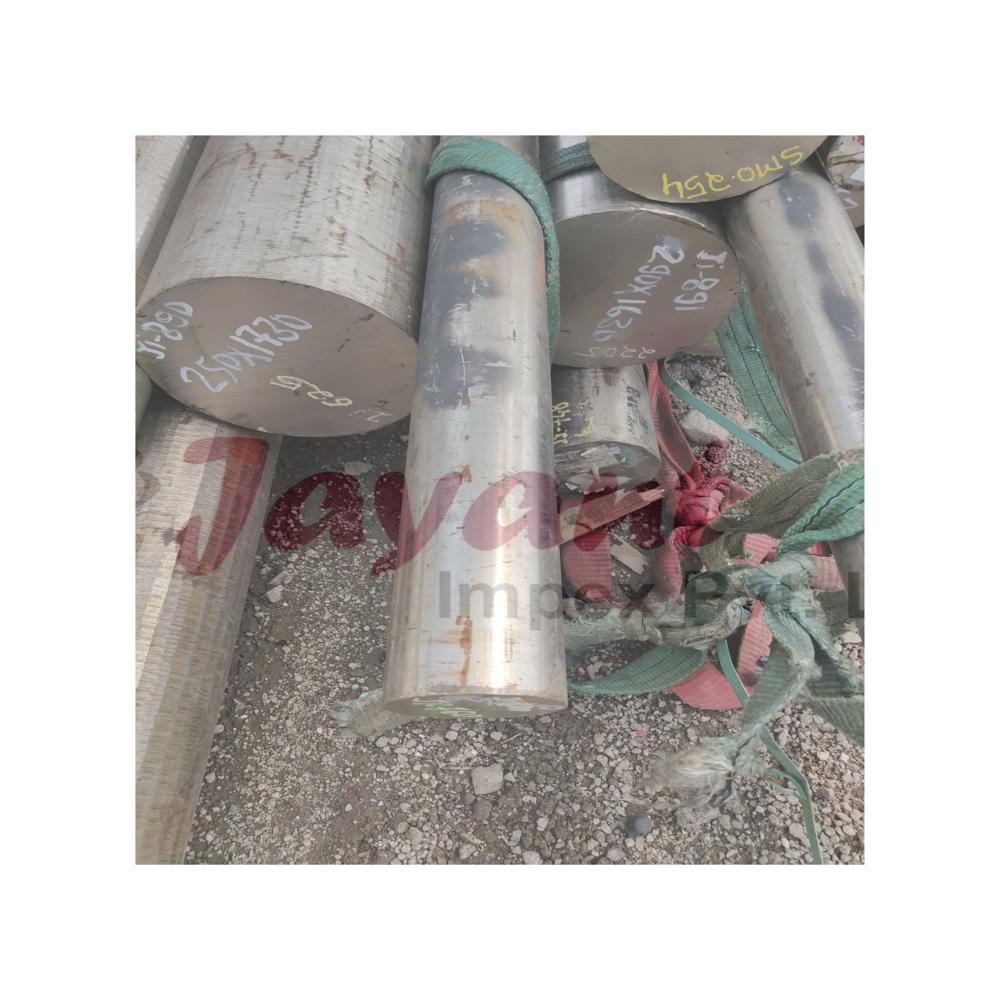
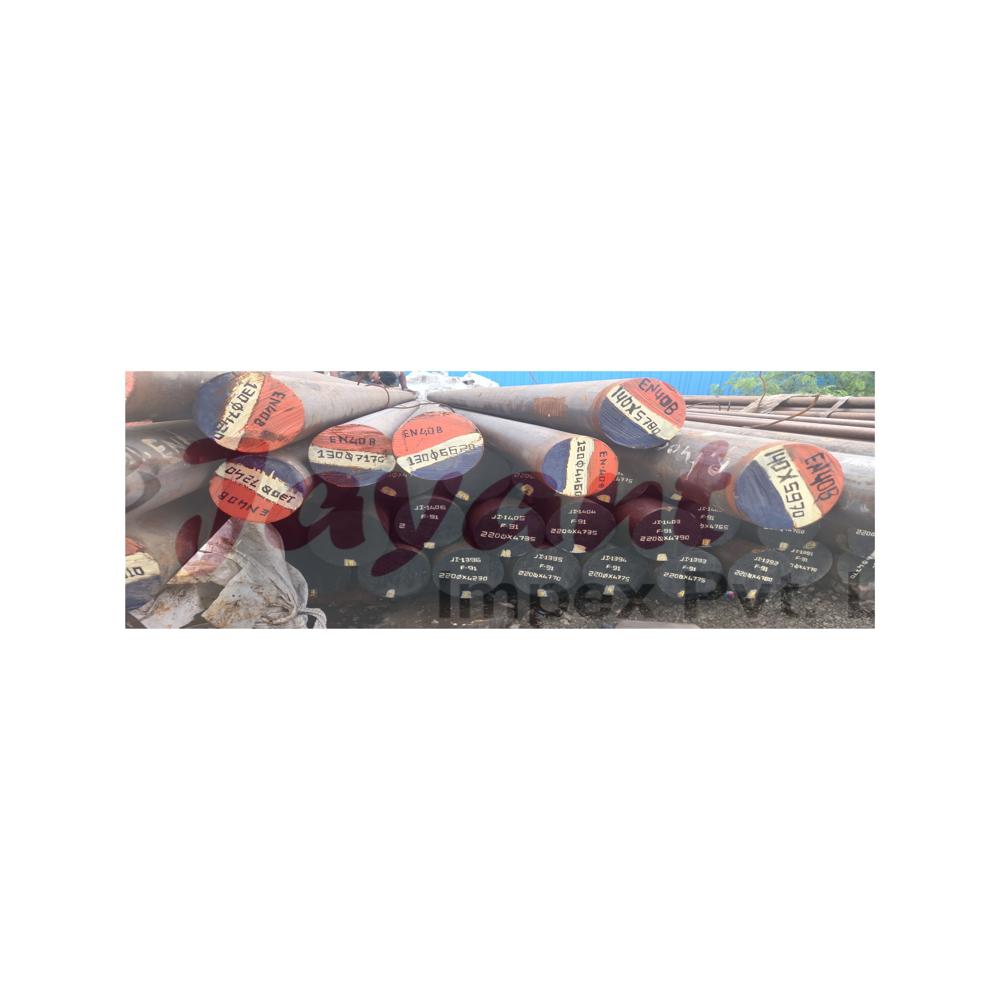
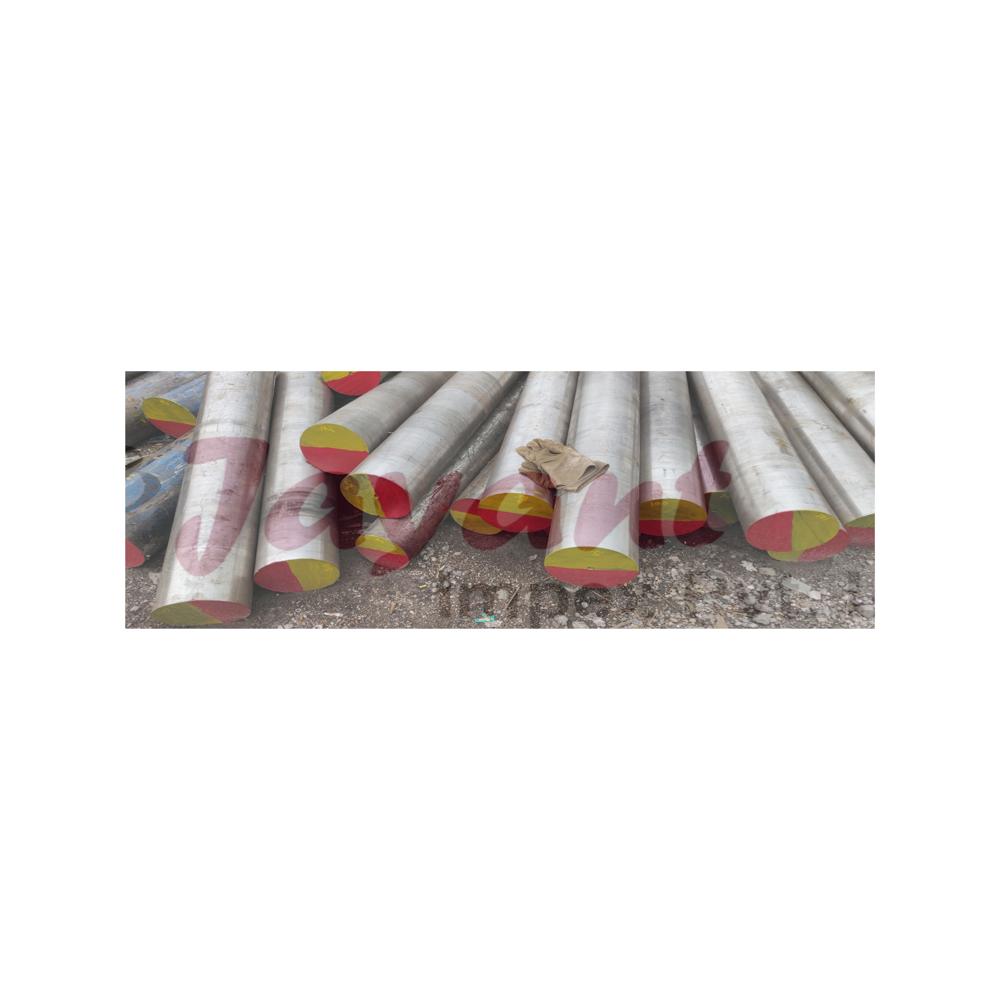
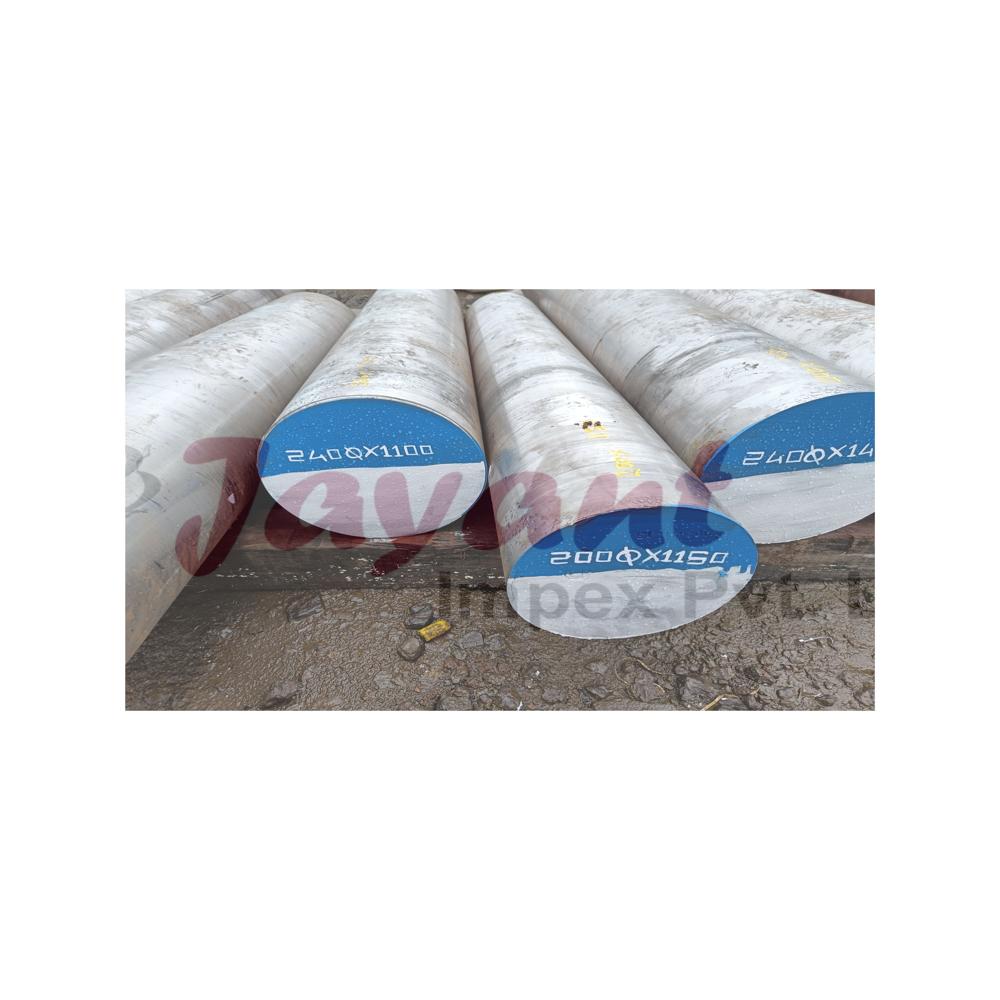
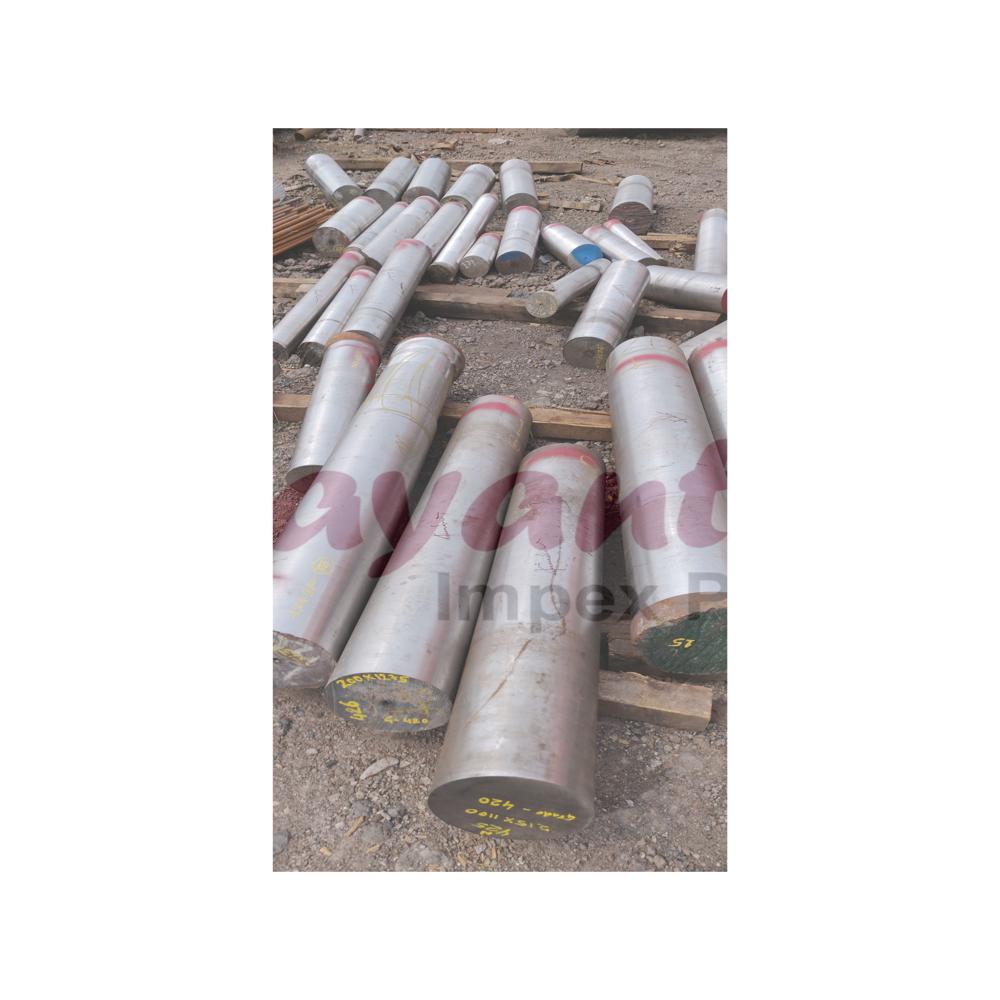
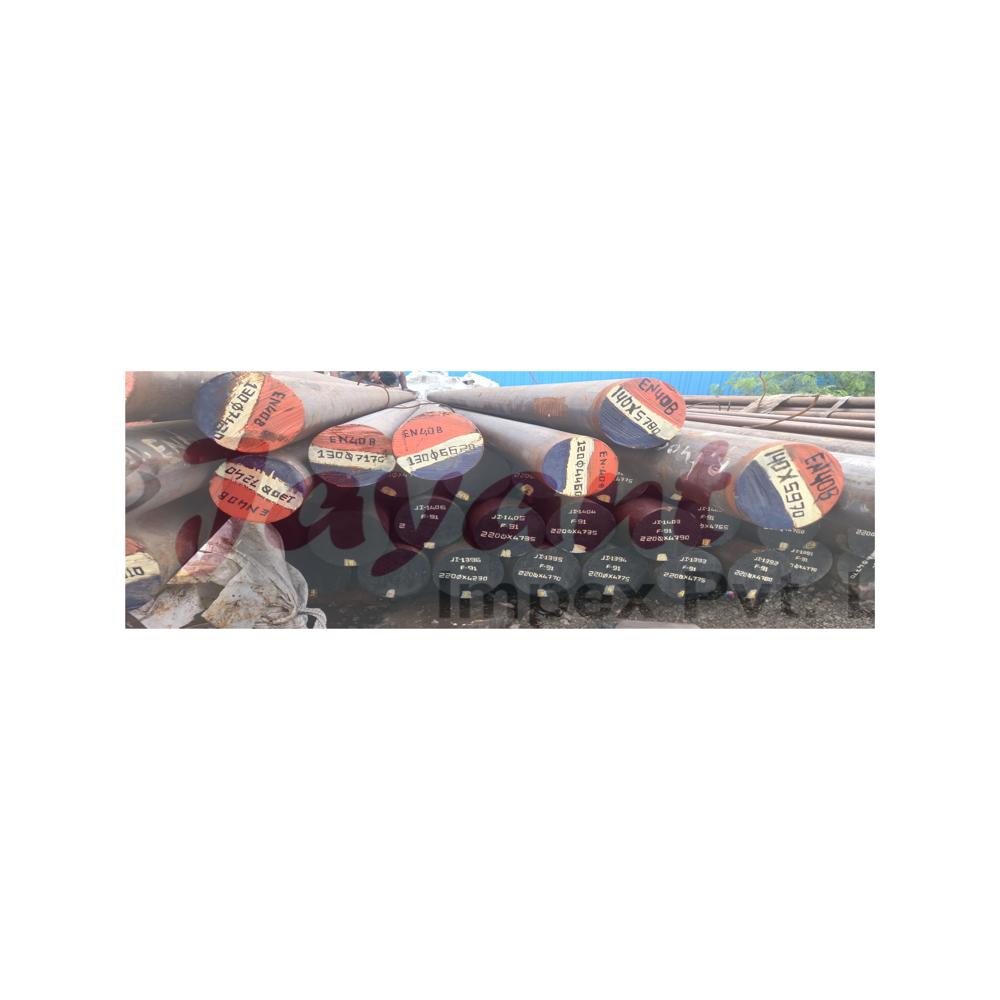
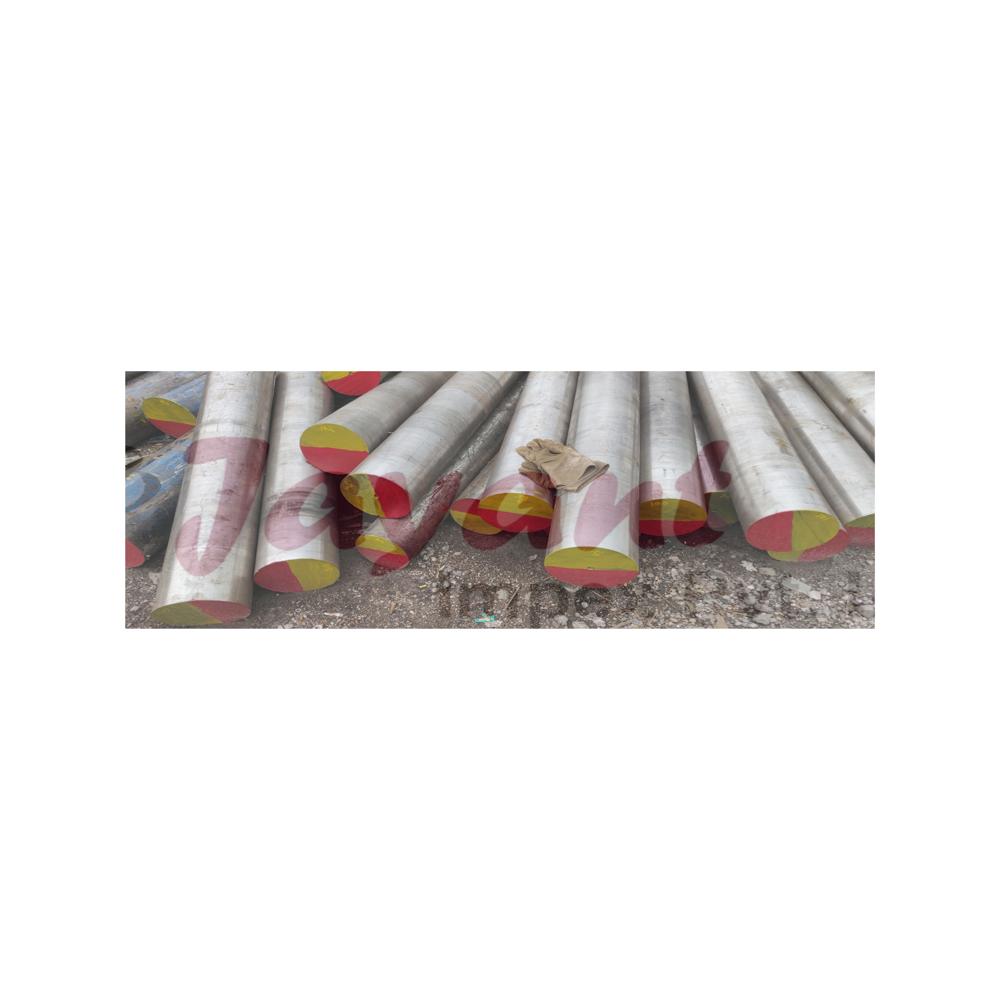
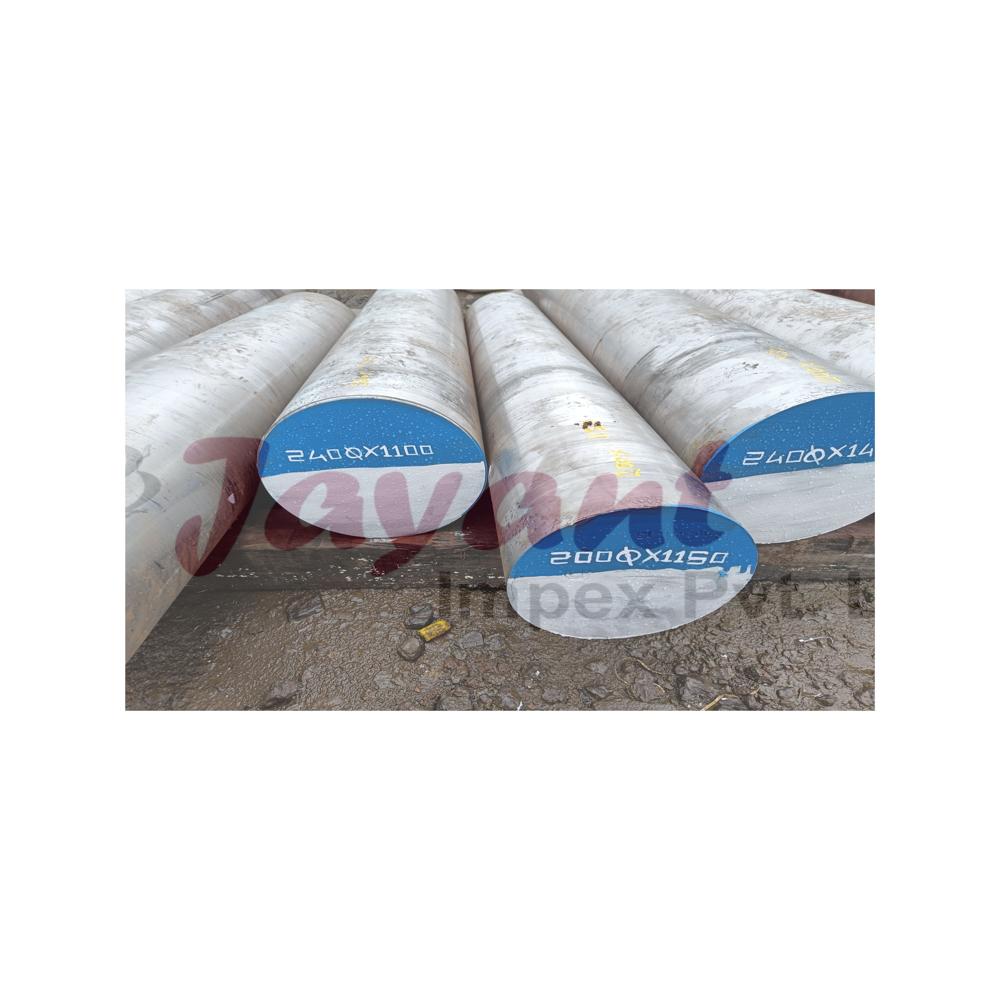
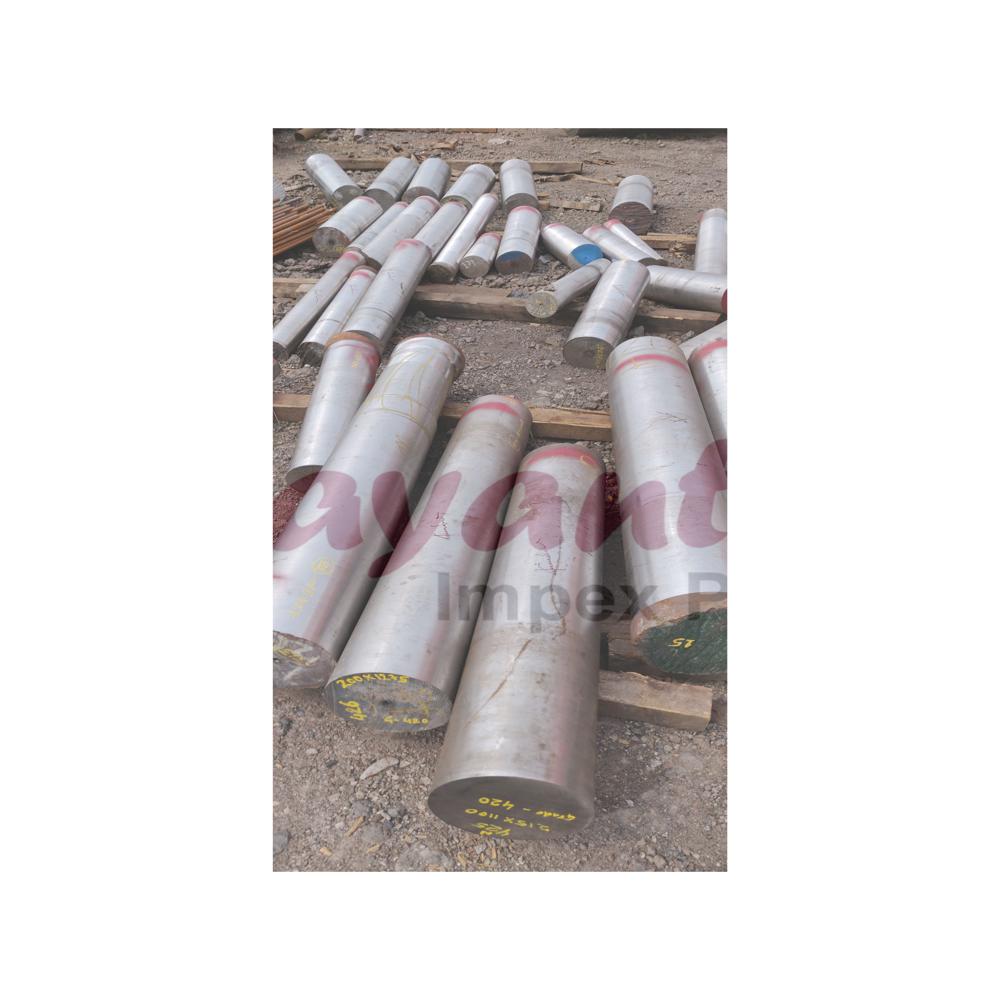
34CrMo4 Steel Round Bar / AISI 34CrMo4 Bars/ SAE 34CrMo4 Rods
195.0 INR/Kilograms
Product Details:
- Technique Hot Rolled / Forged
- Grade 34CrMo4 (1.7220)
- Length 3 to 6 Meter (Custom Lengths Available)
- Diameter 6 mm to 350 mm
- Processing Machined / Precision Ground available
- Finish Bright, Black, Peeled, Rough Turned, Polished
- Standard AISI 34CrMo4, SAE 34CrMo4, EN 10083-3
- Click to view more
X
34CrMo4 Steel Round Bar / AISI 34CrMo4 Bars/ SAE 34CrMo4 Rods Price And Quantity
- 1000 Kilograms
- 195.0 INR/Kilograms
34CrMo4 Steel Round Bar / AISI 34CrMo4 Bars/ SAE 34CrMo4 Rods Product Specifications
- Machined / Precision Ground available
- H9, H10, H11, or as per customer specification
- Structural and Engineering Components, Mechanical Parts, Automotive, and Machinery
- Round Bar / Rod
- 3 to 6 Meter (Custom Lengths Available)
- 6 mm to 350 mm
- 34CrMo4 (1.7220)
- Hot Rolled / Forged
- Shafts, Axles, Connecting Rods, Gear, Crankshafts
- 34CrMo4 Steel
- AISI 34CrMo4, SAE 34CrMo4, EN 10083-3
- Bright, Black, Peeled, Rough Turned, Polished
- 630 MPa (quenched & tempered)
- Annealed, Quenched and Tempered
- As Rolled / Annealed / Tempered
- Standard Export Packing / Bundled or Loose
- Cold Drawn or Hot Rolled
- 201-255 HB (annealed base)
- 850-1000 MPa (quenched & tempered)
- 7.85 g/cm3
- As per customer's requirement or standard
- 13% (quenched & tempered)
Product Description
34CrMo4 (Material Number 1.7220) is a versatile, high-strength alloy steel that serves as the "European sibling" to the popular American AISI 4130 or AISI 4135. It is a Chromium-Molybdenum (Cr-Mo) grade designed for components that require high toughness and strength, particularly in the quenched and tempered (QT) condition.
1. Technical Profile
The "34" in the name indicates a mean carbon content of 0.34%. This carbon level, combined with Chromium and Molybdenum, provides excellent hardenability and high fatigue strength.
-
Through-Hardening: It is capable of achieving high hardness throughout the section, though for very large diameters (over 100mm), its "bigger brother" 42CrMo4 (4140) is often preferred.
-
Temperature Stability: It performs well in service temperatures up to $500circtext{C}$.
-
Ductility: Even at high strength levels, it maintains good impact resistance.
2. Chemical Composition (Typical)
The alloy's properties are driven by the synergy between Chromium (for hardness) and Molybdenum (for toughness and heat resistance).
| Element | Percentage (%) |
| Carbon (C) | 0.30 0.37 |
| Chromium (Cr) | 0.90 1.20 |
| Molybdenum (Mo) | 0.15 0.30 |
| Manganese (Mn) | 0.60 0.90 |
| Silicon (Si) | max 0.40 |
3. Mechanical Properties (Condition: QT)
When heat-treated to the standard Quenched and Tempered state, 34CrMo4 typically delivers:
-
Tensile Strength ($R_m$): $800 1100 text{ MPa}$
-
Yield Strength ($R_e$): $600 text{ MPa}$ (Minimum)
-
Elongation ($A$): $12% 14%$
-
Impact Energy ($KV$): $45 text{ J}$ (Minimum at room temp)
4. Key Applications
34CrMo4 is a staple in automotive and oil-field engineering due to its reliability under stress:
-
Automotive: Axle journals, steering components, connecting rods, and crankshafts.
-
Oil & Gas: High-strength fasteners, drill pipe connectors, and valve bodies.
-
Mechanical Engineering: High-load gears, pinions, and load-bearing shafts.
-
Pressure Vessels: Often used for gas cylinders and seamless pressure tubes.
5. Machining and Heat Treatment
-
Weldability: Limited. Due to the carbon content and alloying elements, 34CrMo4 is prone to cold cracking. If welding is required, preheating to $200circtext{C} 300circtext{C}$ and post-weld stress relieving are essential.
-
Forging: $850circtext{C} 1100circtext{C}$, followed by slow cooling.
-
Hardening: $830circtext{C} 860circtext{C}$ with an oil or water quench (oil is preferred for complex shapes to prevent distortion).
-
Tempering: $540circtext{C} 680circtext{C}$ to dial in the specific tensile strength required for the job.
Comparison: 34CrMo4 vs. 42CrMo4 (AISI 4140)
It is common to see these two compared. 34CrMo4 is essentially a lower-carbon version of 42CrMo4.
| Feature | 34CrMo4 | 42CrMo4 (4140) |
| Carbon Content | $approx 0.34%$ | $approx 0.42%$ |
| Weldability | Slightly Better | More Difficult |
| Max Strength | High | Higher |
| Toughness | Excellent |
Reliable Mechanical Performance
34CrMo4 Steel Bars feature superior mechanical properties such as high yield and tensile strength, especially after quenching and tempering. They are engineered to deliver robustness and durability in mechanical parts, structures, and vehicle components, meeting stringent quality and performance requirements.
Versatile Processing and Finishes
Customers can select from an array of processing options, including machining and precision grinding, and multiple surface finishes-bright, polished, black, peeled, or rough turned. This flexibility ensures compatibility with a wide range of engineering needs while maintaining consistent dimensional tolerances.
Wide Application Spectrum
These steel rods are specifically used in manufacturing shafts, axles, gears, connecting rods, and crankshafts for the automotive, machinery, and construction industries. Their ability to undergo various heat treatments and deliver high strength makes them ideal for critical engineering applications.
FAQ's of 34CrMo4 Steel Round Bar / AISI 34CrMo4 Bars/ SAE 34CrMo4 Rods:
Q: How are 34CrMo4 Steel Round Bars commonly processed?
A: 34CrMo4 Steel Bars can be manufactured through hot rolling or forging, followed by optional cold drawing, annealing, quenching, and tempering to optimize mechanical properties. Surface finishes such as bright, black, peeled, and polished are offered, and precision machining or grinding is available upon request.Q: What applications are best suited for AISI 34CrMo4 Bars?
A: AISI 34CrMo4 Bars are ideal for structural and engineering components, particularly in automotive, machinery, and heavy equipment sectors. Their high strength and durability make them suitable for manufacturing shafts, axles, connecting rods, gears, and crankshafts.Q: When should a customer choose annealed versus quenched and tempered 34CrMo4 rods?
A: Annealed 34CrMo4 rods provide improved machinability and are easier to form, making them suitable for applications requiring further processing. Quenched and tempered bars are recommended for uses demanding higher strength, toughness, and wear resistance, such as high-stress machinery parts.Q: Where are these steel bars produced and supplied from?
A: 34CrMo4 Steel Round Bars are manufactured, fabricated, and supplied by producers, dealers, and exporters across India. Reliable distribution channels ensure availability in bundled, loose, or custom-packed conditions for both domestic and international clients.Q: What are the benefits of using 34CrMo4 material for engineering applications?
A: 34CrMo4 steel offers high yield and tensile strength, good toughness, and reliable hardenability. These qualities ensure the material can withstand high mechanical stresses, making it advantageous for critical components in automotive and heavy machinery projects.Q: How does the surface condition affect the bar's performance?
A: Surface conditions such as bright, black, peeled, or rough turned enhance the bar's suitability for diverse tasks. Bright and polished finishes offer improved aesthetics and reduce surface friction, while peeled or black finishes are favored for heavy-duty mechanical uses.Tell us about your requirement

Price:
Quantity
Select Unit
- 50
- 100
- 200
- 250
- 500
- 1000+
Additional detail
Mobile number
Email

Other Products in 'Steel Bar' category


JAYANT IMPEX
GST : 27AAQFJ5764L1ZJ
GST : 27AAQFJ5764L1ZJ

- 6th, 605, Majestic Shopping Center, Jagannath Shankarseth Road, Girgaon,Mumbai - 400004, Maharashtra, India
- Phone : 08045800544

- Mr Shrenik Prakash Mehta (Director)
- Mobile : 08045800544
-
jayantimpex12@gmail.com


-
Share to



 Send Inquiry
 Send SMS
 Call Me Free
JAYANT IMPEX PVT. LTD. All Rights Reserved.(Terms of Use)
Developed and Managed by Infocom Network Private Limited. Terms of use | Returns Policy Member
Developed and Managed by Infocom Network Private Limited. Terms of use | Returns Policy Member
