 English
 Spanish
 French
 German
 Italian
 Chinese (Simplified)
 Japanese
 Korean
 Arabic
 Portuguese
 Call Us : 08045800544
 Call Us : 08045800544
 Get a Quote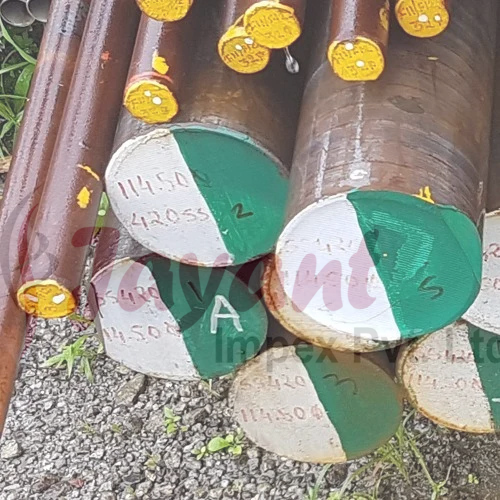
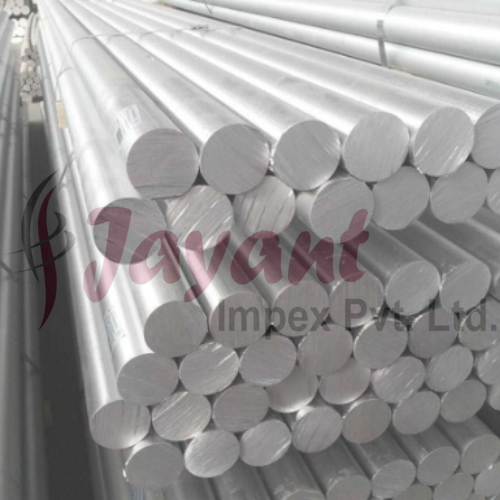
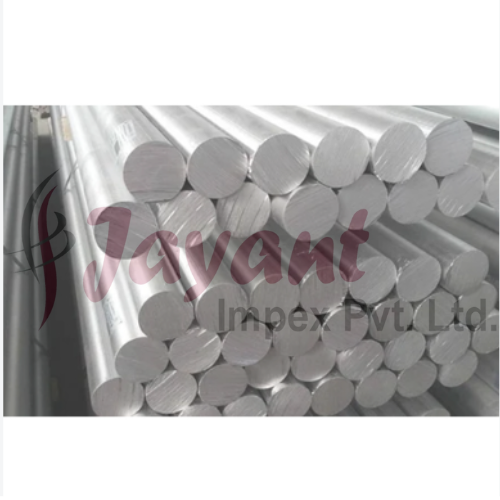
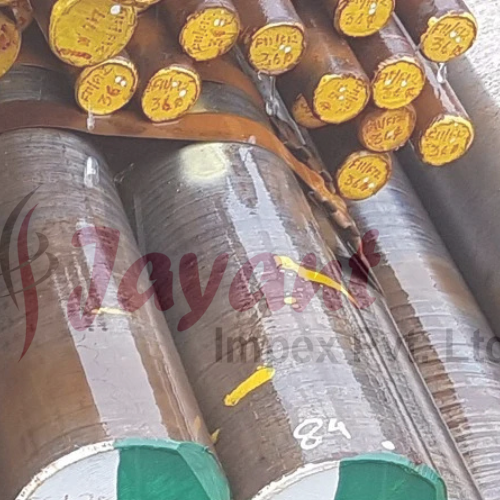
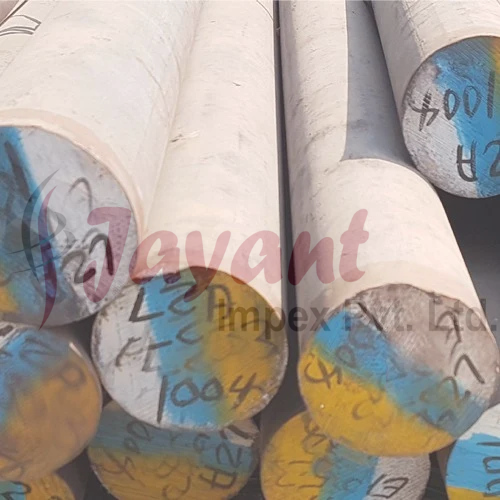
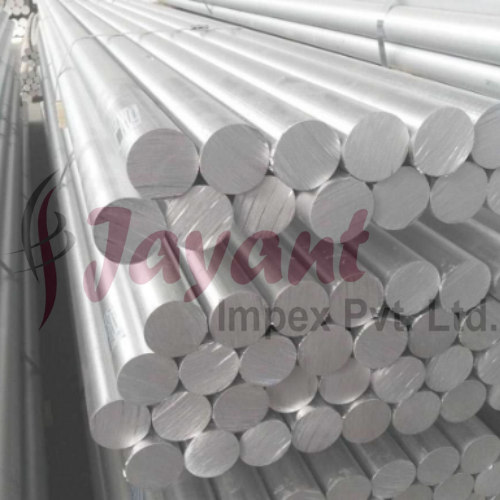
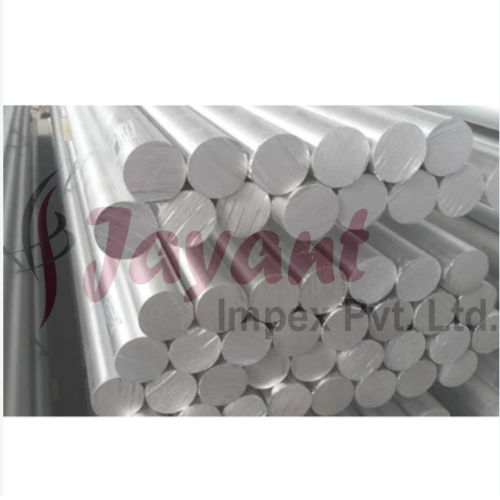
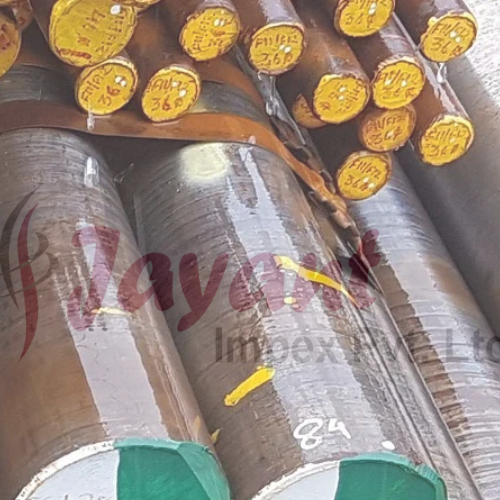
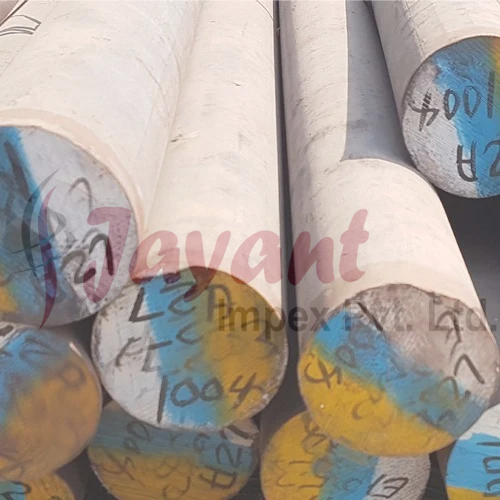
2507 Super Duplex Steel Round Bars
600.0 INR/Kilograms
Product Details:
- Grade Super Duplex 2507
- Technique Hot Rolled / Cold Drawn
- Length 1000 mm to 6000 mm or Custom Cut Lengths
- Processing Annealed, Heat-Treated
- Diameter 10 mm to 400 mm (or custom as per requirement)
- Type Round Bar
- Standard ASTM A276, ASTM A479, UNS S32750/S32760, EN 1.4410
- Click to view more
X
2507 Super Duplex Steel Round Bars Price And Quantity
- 600.0 INR/Kilograms
- 1 Kilograms
2507 Super Duplex Steel Round Bars Product Specifications
- Annealed, Heat-Treated
- High Corrosion Resistance Critical Service Applications
- Oil & Gas Industry, Chemical Processing, Marine Applications, Power Generation, Desalination, Structural, Shafting, Pressure Vessels
- Black, Bright, Polished, Peeled, Turned, Ground
- H9, H10, H11, K12, K13, or as specified
- 1000 mm to 6000 mm or Custom Cut Lengths
- Hot Rolled / Cold Drawn
- 2507 Super Duplex Steel
- ASTM A276, ASTM A479, UNS S32750/S32760, EN 1.4410
- Super Duplex 2507
- 10 mm to 400 mm (or custom as per requirement)
- Round Bar
- 32 HRC
- Moderate, requires robust tooling due to high strength
- 800-1000 MPa
- Excellent resistance to chloride stress corrosion cracking, pitting and crevice corrosion
- 550 MPa
- 15%
- Solution Annealed at 1040-1120C, followed by rapid cooling
- 7.8 g/cm3
- Free from scale, cracks, and rust
- Magnetic
Product Description
2507 Super Duplex Steel (most commonly known under the unified designation UNS S32750 or the European standard Werkstoff Nr. 1.4410) is a high-alloy dual-phase stainless steel engineered for extreme mechanical demands and highly corrosive, chloride-rich service environments.
Its precise 50/50 balance of austenite and ferrite gives 2507 round bars twice the yield strength of traditional 300-series austenitic stainless steels, combined with remarkable resistance to localized pitting, crevice corrosion, and stress corrosion cracking (SCC).
Technical Profile
1. Chemical Composition (Wt% Limits per ASTM A276 / A479)
The high percentages of Chromium, Molybdenum, and Nitrogen directly elevate its corrosion threshold, while the ultra-low Carbon content mitigates carbide precipitation during thermal exposure.
| Element | Minimum % | Maximum % |
| Chromium (Cr) | 24.00 | 26.00 |
| Nickel (Ni) | 6.00 | 8.00 |
| Molybdenum (Mo) | 3.00 | 5.00 |
| Nitrogen (N) | 0.24 | 0.32 |
| Manganese (Mn) | 1.20 | |
| Silicon (Si) | 0.80 | |
| Carbon (C) | 0.030 | |
| Copper (Cu) | 0.50 | |
| Iron (Fe) | Balance | Balance |
2. Typical Mechanical Properties (Room Temp - Solution Annealed)
-
Tensile Strength ($R_m$): $ge 750 text{ MPa}$ ($109 text{ ksi}$) typically sits closer to $800 text{ MPa}$.
-
Yield Strength ($0.2% text{ Offset}$): $ge 550 text{ MPa}$ ($80 text{ ksi}$).
-
Elongation: $ge 25%$ (showing excellent ductility despite high strength).
-
Hardness: Max 32 HRC / 310 HBW (often restricted to $le 28 text{ HRC}$ or 270 HBW to meet NACE MR0175 compliance for sour oilfield applications).
-
Impact Strength: High impact energy retention down to temperatures as low as $-40^circtext{C}$ or $-50^circtext{C}$.
3. Pitting Resistance Equivalent Number (PREN)
$$text{PREN} = % text{Cr} + 3.3(% text{Mo}) + 16(% text{N}) ge 41$$
A PREN exceeding 40 classifies a metal as a true "Super Duplex," indicating exceptional performance under severe electrochemical conditions like stagnant seawater or acidic processing lines.
Engineering Advantages & Physical Characteristics
-
Exceptional Weight Reduction: Because of its high structural yield limits, component design parameters can be scaled down. Engineers can downsize the diameter of shafts, tie rods, and structural fasteners without compromising load capacities.
-
Chloride SCC Immunity: Standard austenitic steels quickly fracture via stress corrosion cracking in hot chloride environments. The 50% ferritic structure of 2507 acts as a metallurgical barrier, providing broad immunity to this failure mode.
-
High Thermal Conductivity: 2507 offers significantly higher thermal conductivity and a lower coefficient of thermal expansion compared to austenitic alloys, reducing localized thermal stresses in heat exchange components.
Typical Supply Conditions & Formats
Round bars and rods are typically manufactured and stocked across these common variables:
-
Dimensional Range: Diameters generally range from cold-drawn precise sizes ($3text{mm}$ to $25text{mm}$) up to large hot-rolled or forged heavy sections (exceeding $400text{mm}$).
-
Surface Finishes: Cold-drawn/bright finish (h8, h9, h11 tolerances for precision shafting), centerless ground, peeled & reeled, smooth turned, or hot-rolled black bars.
-
Thermal Limits: For safe industrial application, continuous operations should be limited to $-50^circtext{C}$ to $300^circtext{C}$. Exceeding $300^circtext{C}$ initiates the precipitation of brittle intermetallic phases (such as the sigma phase), which sharply diminishes impact toughness.
Common Core Industry Standards
-
ASTM A276 / ASME SA276: Standard specification for stainless steel bars and profiles.
-
ASTM A479 / ASME SA479: Strict specification for bars used in boilers and pressure vessel infrastructure.
-
ASTM A182 F53: The specific forging specification assigned to this material grade.
-
NORSOK MDS D57: Petroleum industry standard validating microstructure, testing parameters, and quality assurance.
-
NACE MR0175 / ISO 15156: Global standard certifying safety for upstream oil and gas production equipment handling corrosive sour gas ($H_2S$).
Exceptional Mechanical Strength & Durability
Super Duplex 2507 round bars are valued for their impressive yield and tensile strengths, as well as their 15% elongation rate. This balance of strength and ductility ensures reliable performance under high pressure and tensile loads in structural and pressure vessel applications.
Outstanding Corrosion Resistance
These bars provide superior resistance to pitting, crevice corrosion, and chloride stress corrosion cracking. Their durability makes them especially suitable for use in harsh marine environments, chemical plants, and desalination facilities, where protection against corrosion is crucial.
Custom Precision & Diverse Applications
Available in diameters from 10 mm to 400 mm and lengths from 1000 mm to 6000 mm, or cut to custom specifications, 2507 Super Duplex Steel Round Bars are adaptable to your project requirements. Choose from multiple finishes and tolerances for optimal fit and performance.
FAQ's of 2507 Super Duplex Steel Round Bars:
Q: How are 2507 Super Duplex Steel Round Bars processed to achieve their properties?
A: These round bars are typically solution annealed at temperatures between 1040C and 1120C, followed by rapid cooling to maximize strength and corrosion resistance. They can be hot rolled or cold drawn, and are offered in multiple surface finishes such as polished, peeled, and ground.Q: What specific environments benefit from using 2507 Super Duplex Steel Round Bars?
A: They are particularly suitable for harsh environments where resistance to chloride stress corrosion cracking and pitting is essential-such as offshore oil rigs, marine engineering, chemical processing plants, and desalination units.Q: When should I choose 2507 Super Duplex instead of standard stainless steel round bars?
A: Opt for 2507 Super Duplex when your application demands higher corrosion resistance, superior mechanical strength, and reliable performance in chloride-rich or high-pressure environments, outperforming most standard austenitic or ferritic stainless steels.Q: Where are these round bars commonly used?
A: These round bars find utility in the oil & gas industry, chemical processing, marine applications, power generation, desalination plants, structural works, shafting, and pressure vessels where durability under corrosive and pressure-driven conditions is paramount.Q: What is the benefit of using 2507 grade in critical service applications?
A: The main benefits include heightened resistance to stress corrosion, pitting, and crevice corrosion, combined with robust mechanical strength. This ensures longevity and safe operation in critical service conditions, reducing maintenance and replacement costs.Q: How does machinability affect the fabrication of Super Duplex 2507 bars?
A: Due to high mechanical strength, the machinability is moderate, and robust tooling with appropriate cutting speeds and feeds is required. Precision equipment ensures accurate shaping, especially for custom diameters or tolerances.Q: What standards and specifications govern the quality of 2507 Super Duplex Steel Round Bars?
A: These bars are manufactured according to globally recognized standards including ASTM A276, ASTM A479, UNS S32750/S32760, and EN 1.4410, ensuring consistent performance, traceability, and material quality for demanding engineering applications.Tell us about your requirement

Price:
Quantity
Select Unit
- 50
- 100
- 200
- 250
- 500
- 1000+
Additional detail
Mobile number
Email

Other Products in 'Steel Bar' category


JAYANT IMPEX
GST : 27AAQFJ5764L1ZJ
GST : 27AAQFJ5764L1ZJ

- 6th, 605, Majestic Shopping Center, Jagannath Shankarseth Road, Girgaon,Mumbai - 400004, Maharashtra, India
- Phone : 08045800544

- Mr Shrenik Prakash Mehta (Director)
- Mobile : 08045800544
-
jayantimpex12@gmail.com


-
Share to



 Send Inquiry
 Send SMS
 Call Me Free
JAYANT IMPEX PVT. LTD. All Rights Reserved.(Terms of Use)
Developed and Managed by Infocom Network Private Limited. Terms of use | Returns Policy Member
Developed and Managed by Infocom Network Private Limited. Terms of use | Returns Policy Member
