 English
 Spanish
 French
 German
 Italian
 Chinese (Simplified)
 Japanese
 Korean
 Arabic
 Portuguese
 Call Us : 08045800544
 Call Us : 08045800544
 Get a Quote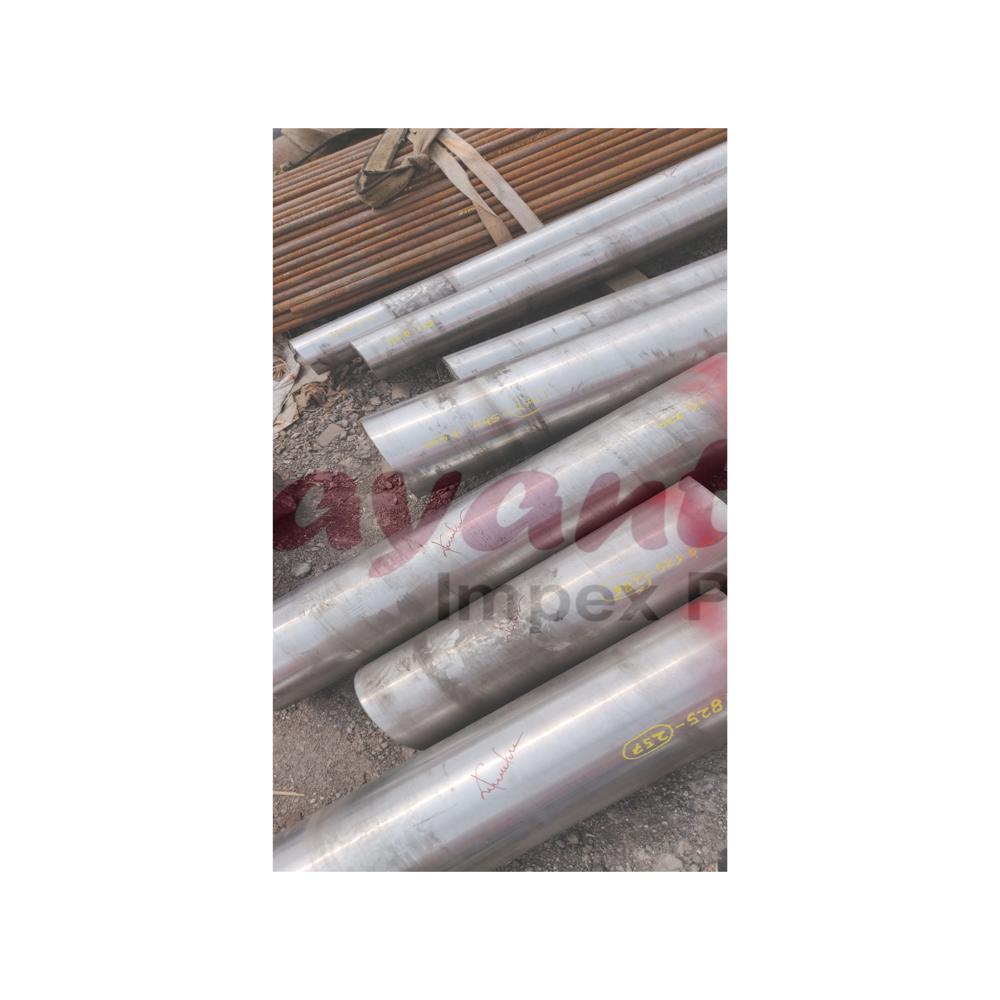
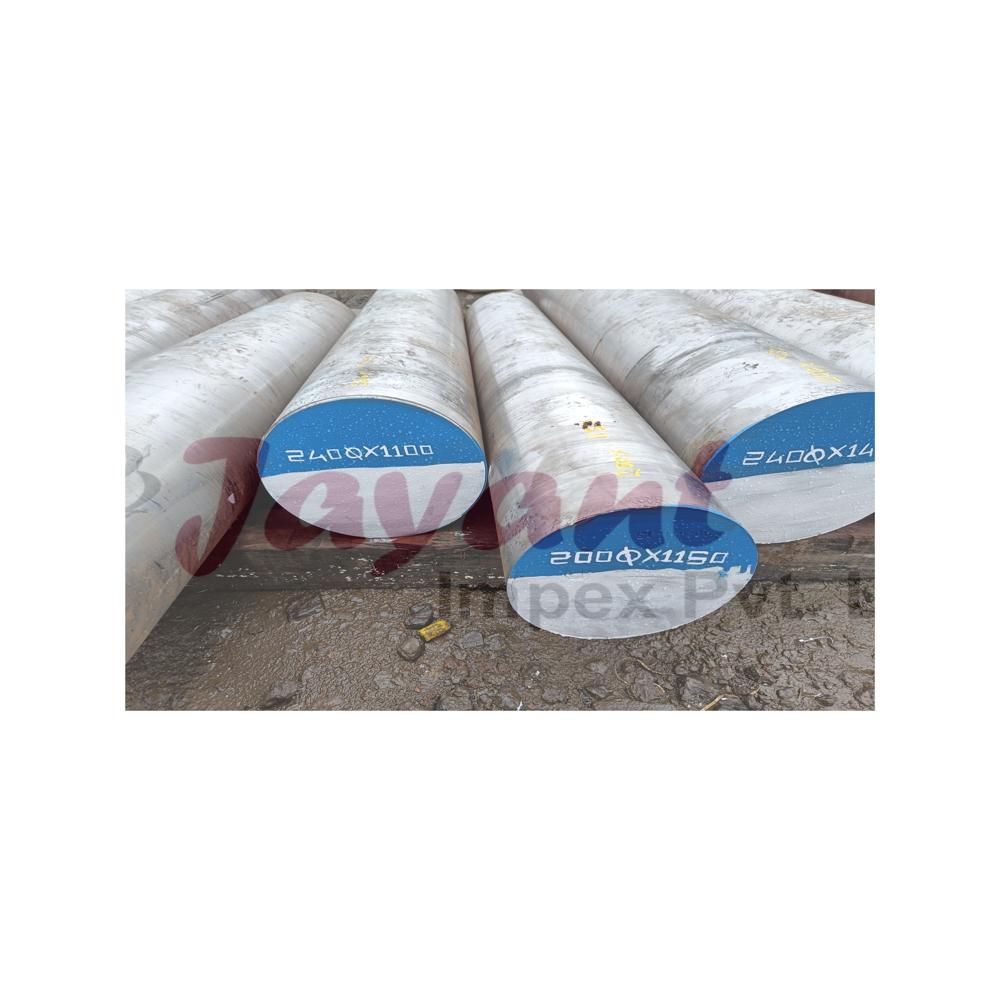
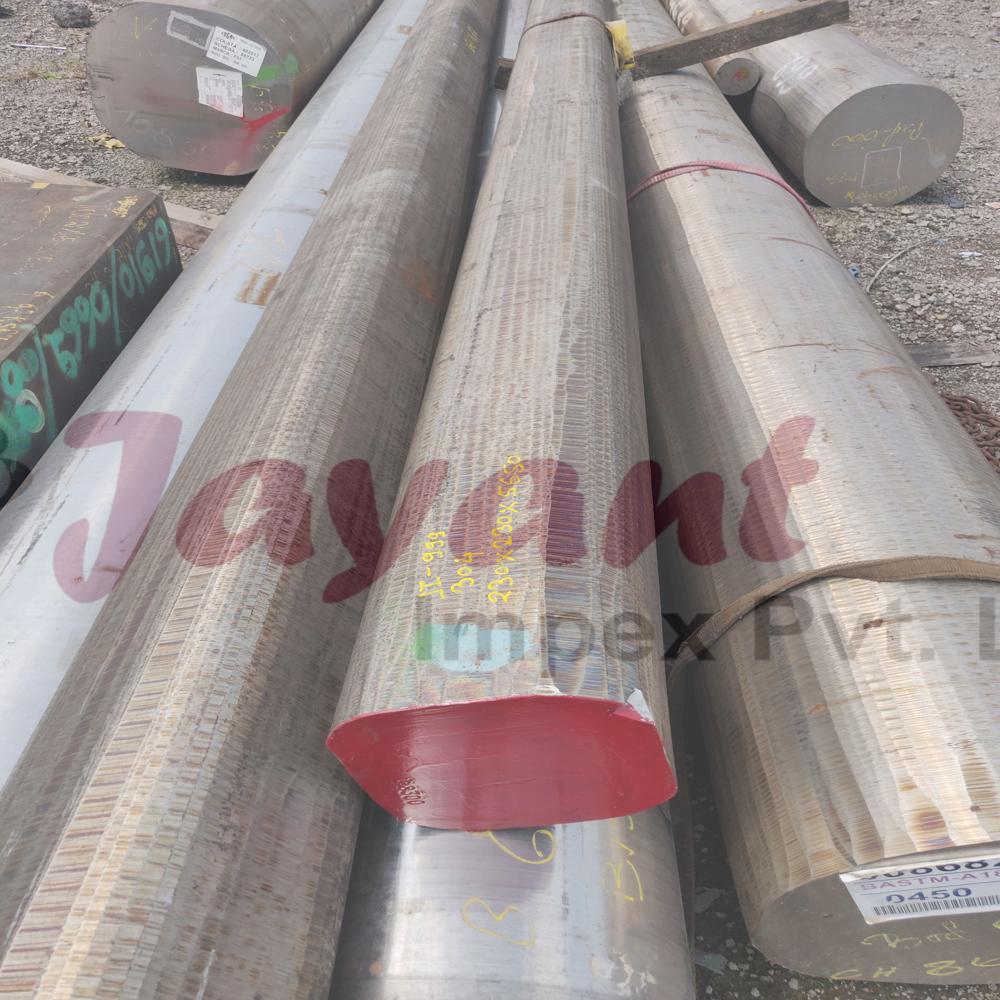
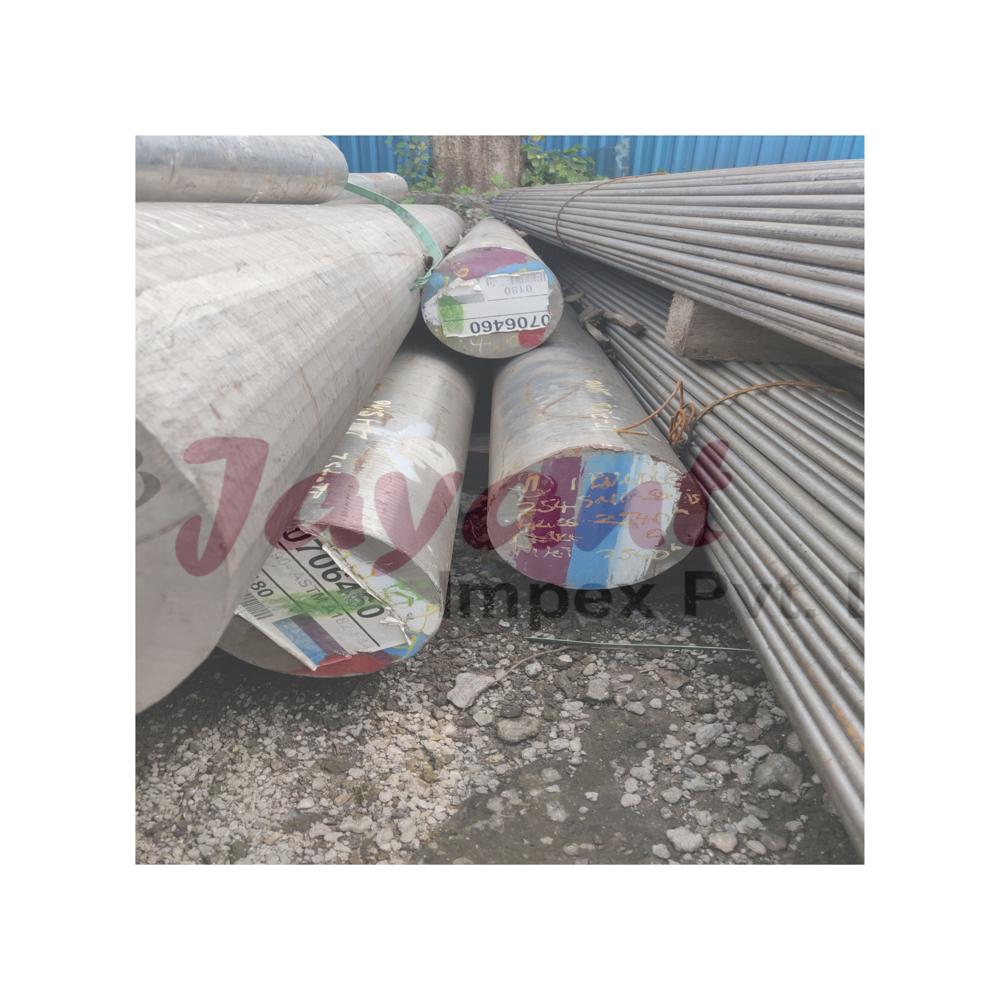
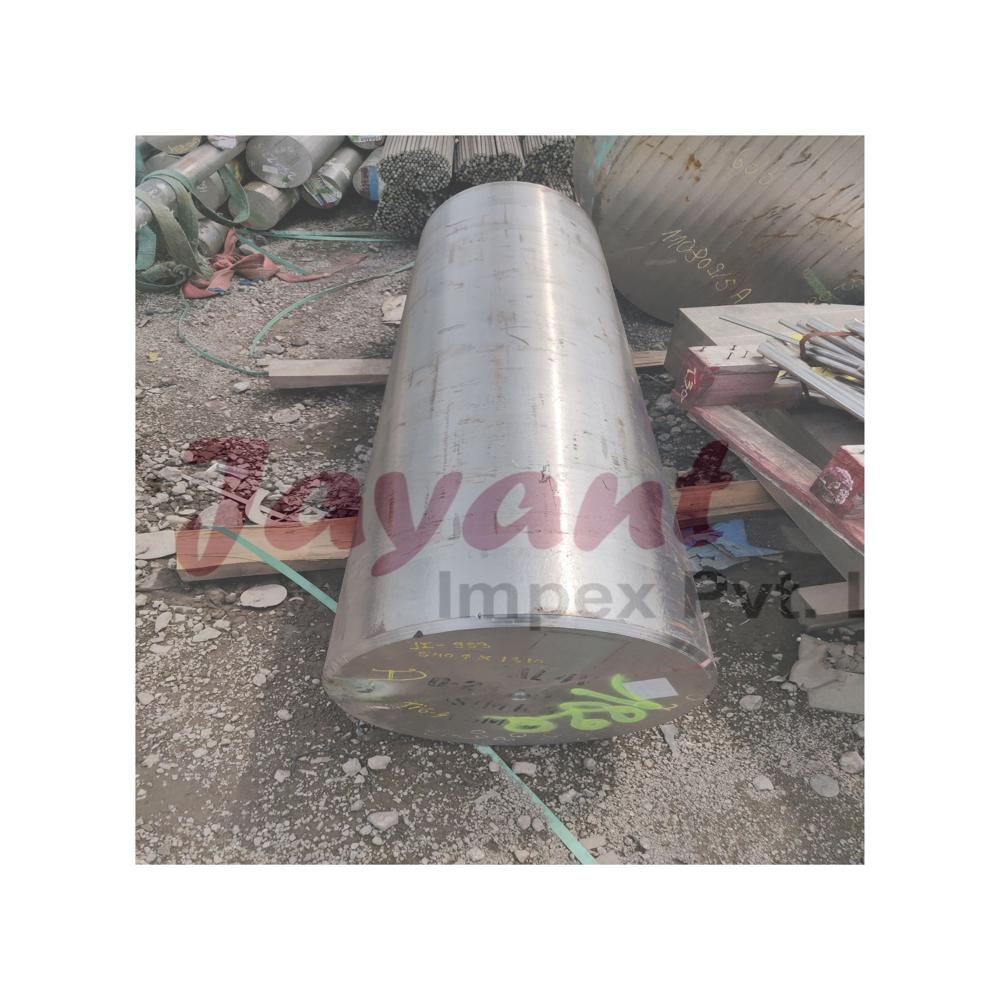
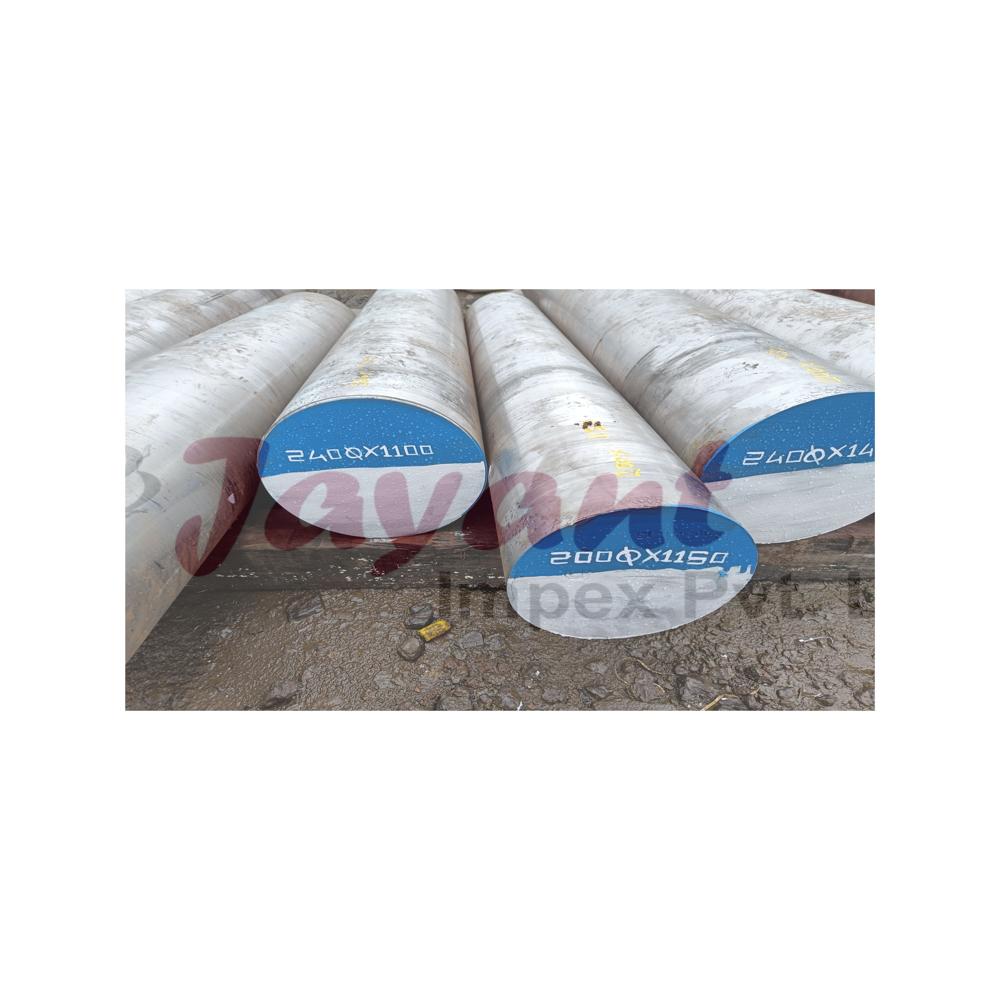
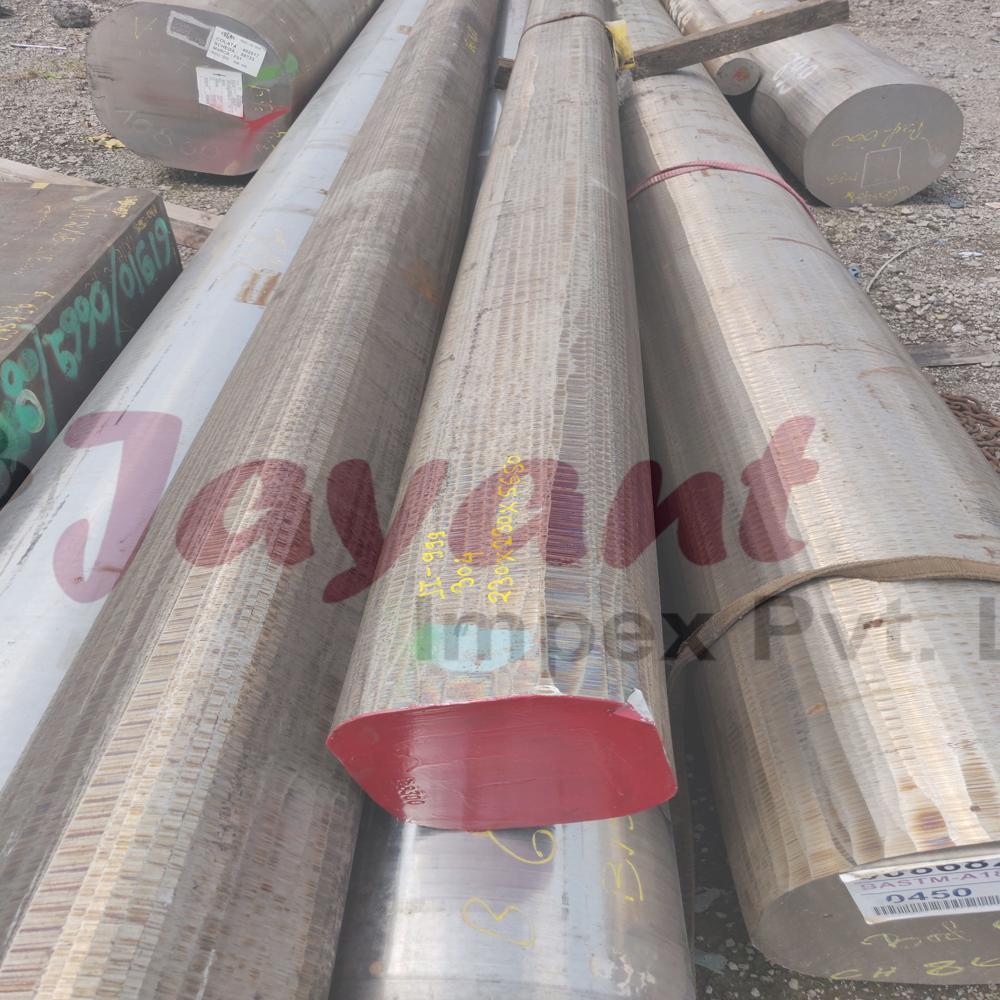
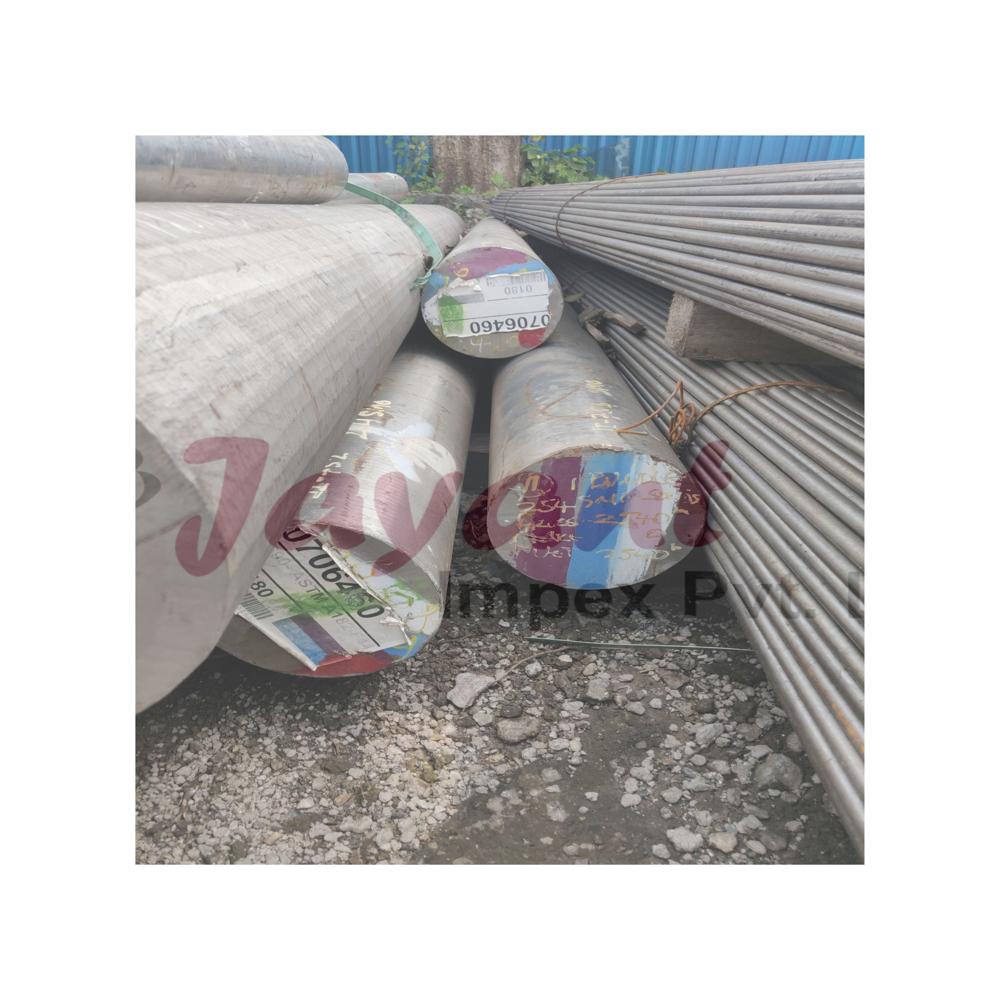
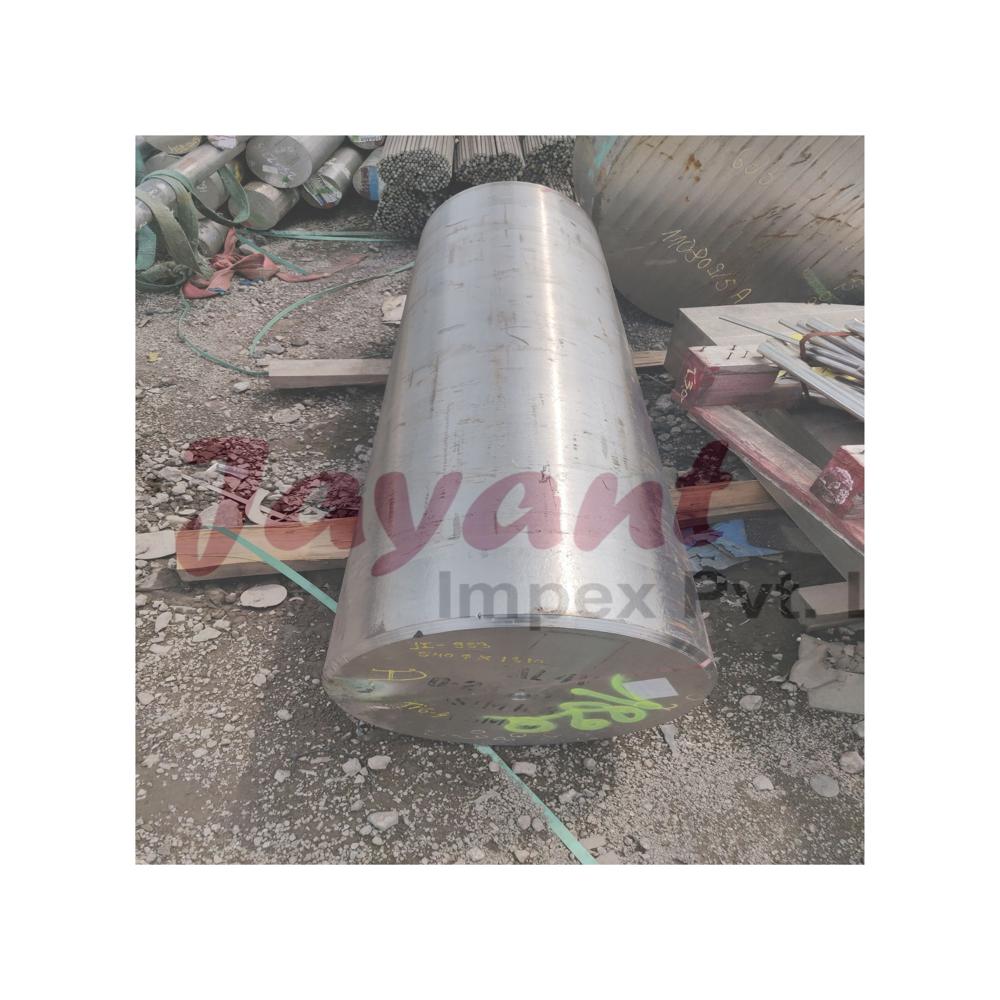
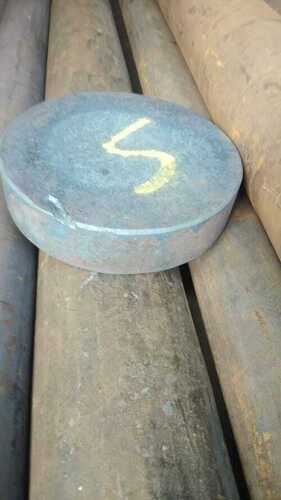
17CrNi6-6 Alloy Steel Bar / 17CrNi6-6 Round Bars / 17CrNi6-6 Rods
498.0 INR/Kilograms
Product Details:
- Diameter 16 mm to 350 mm
- Tolerance h8, h9, h10 or as specified
- Standard DIN 1.6587, EN 10084
- Processing Annealed / Normalized / Hardened & Tempered
- Specific Use High-stress mechanical applications
- Length 100 mm to 6000 mm
- Application Automotive parts, Machine building, Gears, Shafts, Engineering components
- Click to view more
X
17CrNi6-6 Alloy Steel Bar / 17CrNi6-6 Round Bars / 17CrNi6-6 Rods Price And Quantity
- 498.0 INR/Kilograms
- 1000 Kilograms
17CrNi6-6 Alloy Steel Bar / 17CrNi6-6 Round Bars / 17CrNi6-6 Rods Product Specifications
- h8, h9, h10 or as specified
- Black, Bright, Peeled, Polished
- 17CrNi6-6 Alloy Steel
- Round Bar / Rod
- Automotive parts, Machine building, Gears, Shafts, Engineering components
- 17CrNi6-6
- DIN 1.6587, EN 10084
- Hot Rolled / Forged / Peeled
- 16 mm to 350 mm
- High-stress mechanical applications
- Annealed / Normalized / Hardened & Tempered
- 100 mm to 6000 mm
- Good
- Hot Rolled / Peeled / Turned / Ground
- Chromium, Nickel
- Min. 850 MPa (Quenched & tempered)
- Smooth, crack-free
- Excellent case hardening properties
- 179 - 229 HB (Annealed)
- Moderate, not recommended for severe environments
- Min. 650 MPa (Quenched & tempered)
- 7.85 g/cm3
Product Description
17CrNi6-6 (Material Number 1.5918) is a high-grade case-hardening (carburizing) alloy steel specified under the European standard EN 10084. It is engineered for components that require a extremely hard, wear-resistant surface (case) while maintaining a tough, impact-resistant core.
The "6-6" in the name refers to the roughly 1.5% Chromium and 1.5% Nickel content, a combination that provides excellent hardenability and core strength.
1. Technical Profile
Unlike the previously discussed 30CrNiMo8 (which is through-hardening), 17CrNi6-6 is designed to absorb carbon during heat treatment.
-
Core Strength: High, typically ranging from $900$ to $1300 text{ MPa}$ after heat treatment.
-
Toughness: The Nickel content ensures the core remains ductile and resistant to cracking under shock loads.
-
Wear Resistance: Once carburized and quenched, the surface reaches a high Rockwell hardness (typically 5862 HRC).
2. Chemical Composition
The low carbon content ($0.17%$) is intentional, allowing the surface to be enriched with carbon during the carburizing process.
| Element | Percentage (%) |
| Carbon (C) | 0.14 0.20 |
| Chromium (Cr) | 1.40 1.70 |
| Nickel (Ni) | 1.40 1.70 |
| Manganese (Mn) | 0.60 0.90 |
| Silicon (Si) | max 0.40 |
| Phosphorus/Sulfur | max 0.025 |
3. Mechanical Properties (Core)
After the case-hardening process (Carburizing, Quenching, and Tempering), the core of a 17CrNi6-6 bar typically exhibits:
-
Tensile Strength ($R_m$): $900 1200 text{ MPa}$
-
Yield Strength ($R_{e}$): $635 text{ MPa}$ (Minimum)
-
Elongation ($A$): $9% text{ (Min)}$
-
Impact Energy ($KV$): $35 40 text{ J}$
4. Common Applications
17CrNi6-6 is the preferred choice for heavy-duty transmission parts and high-load mechanical components:
-
Gears & Pinions: Especially high-speed gears and crown wheels for automotive and industrial gearboxes.
-
Shafts: Spline shafts, camshafts, and cardan joints.
-
Mechanical Links: Heavy-duty bolts, crank pins, and bushings.
-
Steering Components: For trucks, tractors, and heavy machinery.
5. Heat Treatment Process
To achieve its full potential, 17CrNi6-6 requires a multi-stage thermal cycle:
-
Carburizing: Heating in a carbon-rich atmosphere at $880circtext{C} 980circtext{C}$.
-
Core Refinement/Hardening: Cooling and then re-heating to $830circtext{C} 870circtext{C}$ followed by an oil quench.
-
Case Hardening: Re-heating to $780circtext{C} 820circtext{C}$ and oil quenching to finalize the surface hardness.
-
Tempering: Low-temperature tempering at $150circtext{C} 200circtext{C}$ to relieve internal stresses without losing surface hardness.
Comparison: 17CrNi6-6 vs. 18CrNiMo7-6
| Feature | 17CrNi6-6 | 18CrNiMo7-6 |
| Molybdenum | None/Trace | 0.25% 0.35% |
| Core Strength | High | Very High |
| Application | Heavy-duty Gears |
Superior Strength for Precision Machining
17CrNi6-6 Alloy Steel Bars are engineered to endure high-stress environments, making them ideal for demanding industries such as automotive and machine construction. With excellent machinability and toughness, these alloy steel bars ensure precision during fabrication, while their consistent properties facilitate reliable, high-performance mechanical components.
Versatility in Processing and Finishes
Available in a variety of finishes-including black, bright, peeled, and polished-these bars adapt seamlessly to diverse manufacturing needs. They are offered in several processing states such as annealed, normalized, and hardened & tempered, and can be supplied in hot-rolled or forged techniques, allowing customization for specific applications.
Optimal Surface and Dimensional Accuracy
The smooth, crack-free surface condition and precision tolerances (h8, h9, h10, or as specified) of 17CrNi6-6 bars ensure outstanding dimensional accuracy. This makes them especially suited for applications where exact fits and surface integrity are crucial, such as in gears, shafts, and other critical engineering components.
FAQ's of 17CrNi6-6 Alloy Steel Bar / 17CrNi6-6 Round Bars / 17CrNi6-6 Rods:
Q: What benefits does 17CrNi6-6 alloy steel offer in mechanical applications?
A: 17CrNi6-6 alloy steel bars provide excellent case hardening properties, high tensile (min. 850 MPa) and yield strength (min. 650 MPa), and good machinability. These features make them particularly suitable for components subjected to high mechanical stress, such as gears, shafts, and automotive parts.Q: How is the surface condition of 17CrNi6-6 alloy steel bars ensured to be smooth and crack-free?
A: The bars undergo precise manufacturing processes including hot rolling, peeling, turning, or grinding. These processes eliminate surface irregularities and defects, ensuring a smooth, crack-free finish suitable for high-precision engineering applications.Q: What are the recommended processing and heat treatment methods for these alloy steel bars?
A: 17CrNi6-6 bars can be supplied annealed, normalized, or quenched and tempered, depending on end-use requirements. For enhanced wear resistance, case hardening techniques such as carburizing are commonly employed, leveraging the steel's excellent hardenability.Q: Where are 17CrNi6-6 round bars typically used?
A: They are widely utilized in automotive, engineering, and machine-building sectors for making gears, gear shafts, transmission components, and other high-stress parts, owing to their strength, toughness, and case hardening capability.Q: When should 17CrNi6-6 alloy steel not be used due to its corrosion resistance?
A: This material provides only moderate corrosion resistance and is not recommended for severe or highly corrosive environments. In such cases, alternative materials with superior corrosion properties should be considered.Q: How can customers specify dimensions and tolerances for custom orders?
A: Customers can select diameters between 16 mm and 350 mm, lengths from 100 mm to 6000 mm, and specify required dimensional tolerances such as h8, h9, h10, or other accepted standards, to meet the precise needs of their application.Tell us about your requirement

Price:
Quantity
Select Unit
- 50
- 100
- 200
- 250
- 500
- 1000+
Additional detail
Mobile number
Email

Other Products in 'Steel Bar' category

JAYANT IMPEX
GST : 27AAQFJ5764L1ZJ
GST : 27AAQFJ5764L1ZJ

- 6th, 605, Majestic Shopping Center, Jagannath Shankarseth Road, Girgaon,Mumbai - 400004, Maharashtra, India
- Phone : 08045800544

- Mr Shrenik Prakash Mehta (Director)
- Mobile : 08045800544
-
jayantimpex12@gmail.com


-
Share to



 Send Inquiry
 Send SMS
 Call Me Free
JAYANT IMPEX PVT. LTD. All Rights Reserved.(Terms of Use)
Developed and Managed by Infocom Network Private Limited. Terms of use | Returns Policy Member
Developed and Managed by Infocom Network Private Limited. Terms of use | Returns Policy Member
